St. Cloud City Council nixes resolution supporting law enforcement, rule of law


The St. Cloud City Council on Monday night rejected a resolution that would have affirmed the council’s support for law enforcement and the rule of law.

Council member Scott Brodeen originally brought up the resolution in January. At that time, St. Cloud was experiencing a surge of federal immigration enforcement targeting the city’s Somali American residents.

Brodeen asked that consideration of his resolution be delayed until March, saying at the January meeting that it wasn’t the right time to discuss it. The council instead passed a separate resolution reaffirming that the city is a “just and welcoming community” to all residents.

On Monday, Brodeen brought the proposal back to the council. After a lengthy discussion, the resolution failed on a 5 to 1 vote, with only Brodeen supporting it.

The resolution stated that the rule of law is a foundational principle of the U.S., and “no one is above the law.” It stated that law enforcement is a “core governmental function that exists to uphold the rule of law, protect public safety and preserve civil order” within legal boundaries.

It also stated that public safety and civil order “are best maintained when law enforcement operates lawfully and consistently, fostering trust, cooperation and confidence between governmental institutions and the public.”

Several council members questioned the intent and timing of Brodeen’s resolution. St. Cloud saw a large U.S. Immigration and Customs Enforcement presence in recent months, including a confrontation between hundreds of residents and ICE agents on Jan. 12 at a Somali mall. 

Some St. Cloud residents have spoken out about being targeted and detained by ICE, even though they are U.S. citizens or have permanent legal status. Some immigrant-owned businesses have struggled to stay open as customers and employees were afraid to leave their homes.

Council member Dave Masters said the issue is “all about timing.” Masters said he believes the rule of law is important to have a civil society, and he supports local law enforcement. But he said he doesn’t want to support ICE agents after seeing what happened in St. Cloud.

“When you use the word all law enforcement, that triggers that traumatic situation with the ICE agents,” Masters said. “So for that reason, I cannot support this, because of the fact that we just went through this traumatic time in the city. And this is not something that we need to open that wound up and then re-deal with it.”

Council member Hudda Ibrahim said Brodeen’s resolution doesn’t address people who felt they were racially profiled and targeted by immigration agents. Ibrahim held up her passport and said she carries it every day, although she’s a U.S. citizen.

"It centers institutions, not people,” she said of the proposed resolution. “It tells immigrants, refugees, American citizens like me — and minority communities — that their concerns are not valid.”

Ibrahim also said that public safety “depends on trust.” When families are afraid of being targeted, they don’t report crimes, she said.

“They withdrew because of fear, and that makes our entire city less safe,” Ibrahim said.

Brodeen said his resolution did not name any specific law enforcement agencies, but was meant to express the city’s “mentality” toward law enforcement and public safety. He said he wanted St. Cloud to avoid the clashes between protesters and ICE agents that were happening in the Twin Cities.

“It was brought to hopefully avoid there being widespread disorder, like I think we would agree that was happening in Minneapolis,” Brodeen said. “So the point was, ‘Boy, we don't need that to come up here for us.’”

About 80 people attended Monday’s meeting, with some holding signs indicating opposition to the resolution. Afterward, Kali Berg of St. Cloud said she was glad it was defeated, calling it an ill-timed and “pretty transparent” attempt to support federal immigration enforcement, which is outside the scope of the city council.

“We have a rule of law in this country already. We have a Constitution for a reason. We have laws for a reason. We have police officers that are already doing their jobs here,” Berg said. “Resolutions like this just truly waste everybody’s time.”




Source link

Leave a Reply

Subscribe to Our Newsletter

Get our latest articles delivered straight to your inbox. No spam, we promise.

Recent Reviews


What are Socket Programming in Java

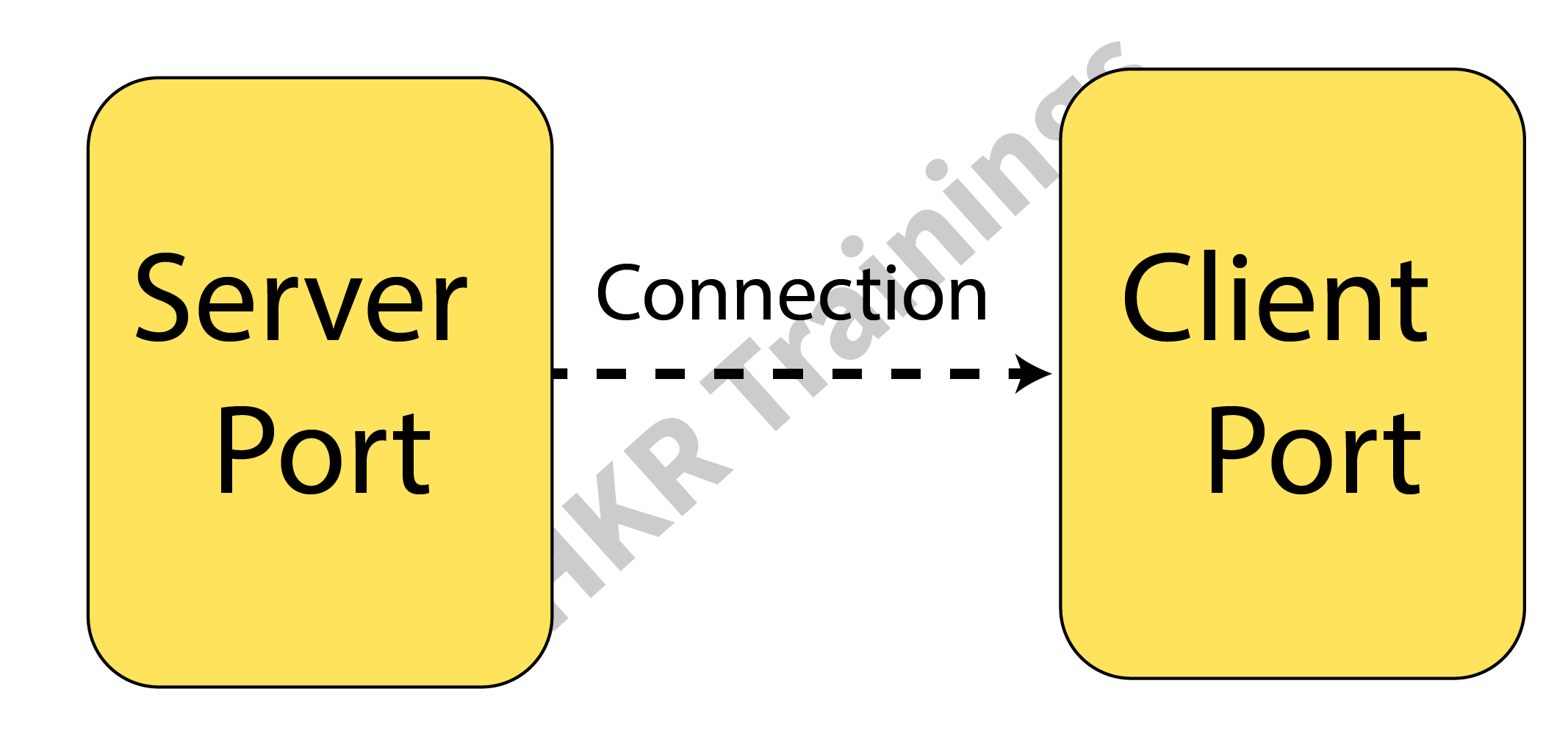
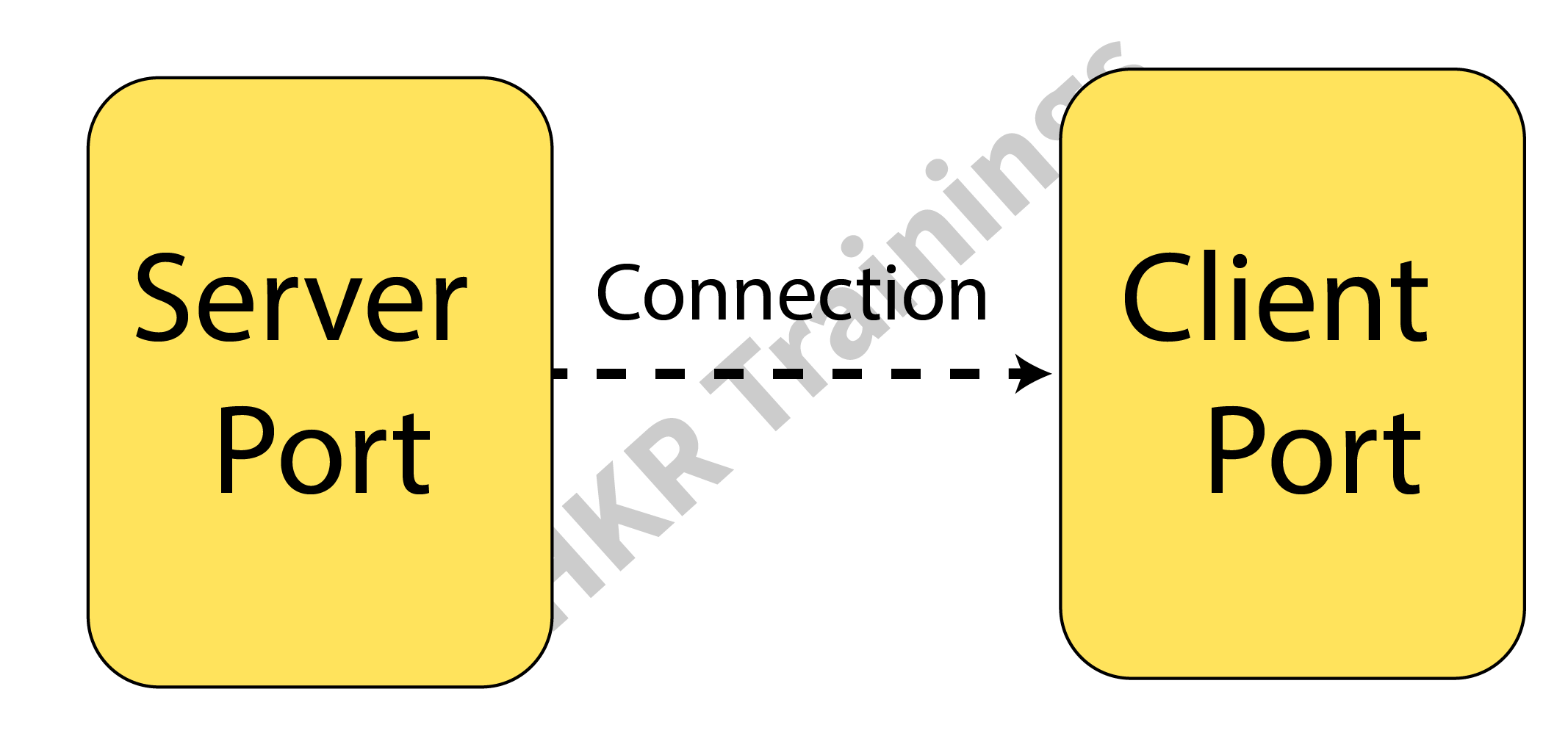
Socket programming is a method where two nodes on a network can connect and communicate with one another. While another socket reaches out to the first socket to establish a connection, one socket (or node) listens on a specific port at an IP address.
While the customer reaches out for the server, the server creates the listener socket. For connection-oriented socket programming, the classes Socket and Server Socket are utilized.

Programming using Java Sockets can be either connection-oriented or connection-less. For connection-oriented socket programming, While the customer reaches out for the server, the server creates the listener socket. For connection-oriented socket programming, the classes Socket and Server Socket are utilized. and DatagramSocket classes are used, while Socket and ServerSocket are used for connection-less socket programming.

What Is Java Socket

A Java socket is one terminal of a 2-way networked communication relationship between two programs. For the TCP layer to recognize the program that data is intended to be transferred to, a socket is tied to a port number.

Java Socket

A port number and an IP address make up an endpoint. An implementation of one side of a 2-way connection between the Java program and another program on the network is made possible by the class Socket, which is part of the Java platform’s package. The class resides on top of the platform-specific implementation, shielding your Java program from the specifics of every given system. Your Java programs can interact over the web in a platform-independent manner by utilizing the class rather than depending on native code.

Client-Side Programming

When using the client side, in the programming, the client initially watches for the server to launch. The requests will be sent to the server once it is operational. The client will then watch for the server’s answer. So, this is how server and client communication functions overall. Let’s now go deeper into client-side and server-side programming.

For starting with the requests from the client-side, the user needs to process the following steps:

Establish a connection :

Creating a socket connection is the initial action. The socket connection signifies that the 2 machines are aware of each other’s IP address and TCP port on the network.

The following statement will let you construct a socket:

Socket s = new s(“127.0.0.1”, 5000)

The first input in this case denotes the server’s IP address.

The TCP Port is represented by the second parameter. (A number that indicates which server-side program should be running.)

Communication :

Streams are utilized for both data input and output when communicating via a socket connection. You must shut down the connection after opening it and sending the requests.

Closing the connection :
Once the message has been transmitted to the server, the socket connection will explicitly close.

Wish to make a career in the world of Java? Start with HKR’S Java Training !

Java Certification Training

  • Master Your Craft
  • Lifetime LMS & Faculty Access
  • 24/7 online expert support
  • Real-world & Project Based Learning

Server-Side Programming

In essence, the server will create its object and await a request from the client. The server will reply with the response once the client will send the request.
Two sockets are required in order to program the server-side application, and they are as follows:

When a client calls newSocket(), a ServerSocket that is waiting for the requests from the client is created. There is a straightforward socket for client communication.
Following that, you must inform the client of the outcome.

Communication

The output is sent across the socket using the getOutputStream() function.

Closing the connection

Once everything is finished, it’s crucial to shut off the connection by shutting the socket and any active input/output streams.

  • You can run the server-side program first after configuring the client and server ends. After that, you must transmit the request and start client-side software. The server will reply as the client sends the request. The image below shows the same.

Closing the connection

  • The client will establish a connection and enter the request as a string.

Closing the connection 2

  • The server will reply to the request sent by the client.

Closing the connection 3

You must run a Java socket program in the given manner. These programs can also be run via a command window or terminal. However, as Eclipse is very feature-rich, you can easily run both apps on a console.

Top 30 frequently asked JAVA Interview Questions !

HKR Trainings Logo

Subscribe to our YouTube channel to get new updates..!

Testing The Applications

The testing of applications is done using the IntelliJ application or any other IDE. 

  • Put the two programs together.
  • Start the client application after starting the server software.
  • Write a message in the client window, and the server window will simultaneously receive and display them.
  • Type BYE to leave.

This can be done using a command prompt also:

  • Create a new folder called project (this is the name of your package).
  • Place the project folder’s Server.java and Client.java files.
  • Go to the root path on the command prompt after opening it.
  • Run java project.Server first, then javac projectServer.java.
  • Use the same process to run the client and server programs.
  • Messages can then be typed in the window of the client.

The application can fail when a port has already been in use. Modify port no to a special number to resolve this problem.

Acquire Jenkins certification by enrolling in the HKR Jenkins Training program in Hyderabad!

Java Certification Training

Weekday / Weekend Batches

Conclusion

In this article, we have talked about socket and socket programming. Socket programming is a method where two nodes on a network can connect and communicate with one another. While another socket reaches out to the first socket to establish a connection, one socket (or node) listens on a specific port at an IP address. We have also discussed client-side and server-side along with testing the applications.

Related Article:

Drools Interview Questions


Source link