As NASA's Artemis II mission rockets four astronauts around the moon this week, an Indigenous symbol stitched onto Canadian astronaut Jeremy Hansen’s flight suit is drawing attention far beyond Cape Canaveral.
Along with the crew mission patch worn by all four astronauts, Hansen carries a personal patch — the Seven Grandfather Teachings — designed specifically for him by Anishinaabe artist Henry Guimond of Sagkeeng First Nation in Manitoba.
The patch is more than a mission emblem. It is the result of a decade of relationship-building between the Canadian astronaut and Indigenous communities across Canada, communities whose knowledge Hansen said have guided him on this journey.
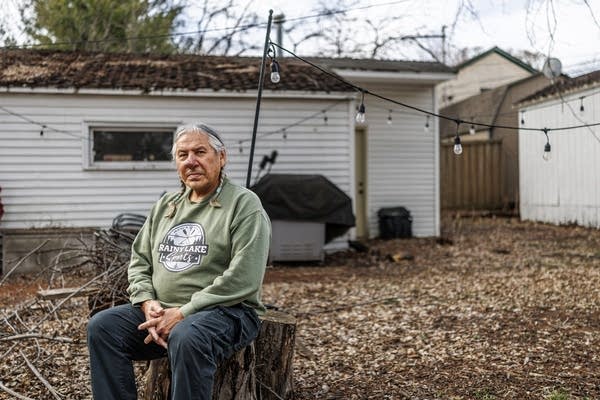
It’s also a long-overdue moment of recognition for Indigenous knowledge, said Dennis Jones, an Anishinaabe elder from Nigigoonsiminikaaning First Nation in Ontario who taught Anishinaabe language and culture at the University of Minnesota for nearly two decades.
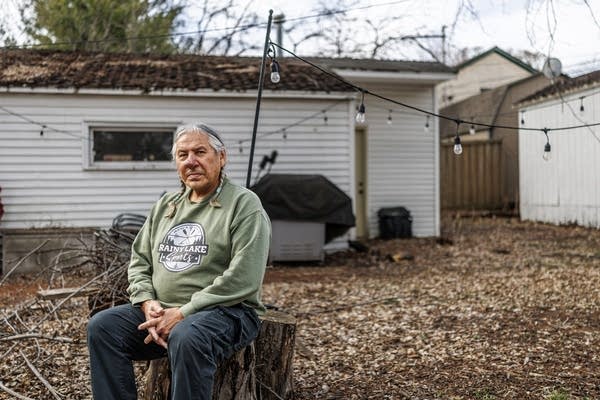
“I thought the trip to the moon, the Seven Grandfather Teachings, all of this is to open up the eyes of the world that Indigenous people have this knowledge that’s going to help — help us from polluting Mother Earth, help us from self-destructing," said Jones, who’s known by his Anishinaabe name Pebaamibines. “We need to turn to these teachings."
In a video shared on the Canadian Space Agency website, Hansen spoke directly to Guimond about what the patch means to him. “This is a reminder for me on how I need to walk as I go on this journey,” he said.
‘For all people’
The heptagon shaped patch features one side for each of the Seven Grandfather Teachings. It includes seven creatures — a buffalo, an eagle, a bear, a sasquatch, a beaver, a wolf and a turtle — with each carrying a teaching: respect, love, courage, honesty, wisdom, humility and truth.
At the center, aimed toward the moon, sit a bow and arrow launching from Turtle Island, which is an Indigenous term for the Americas. A silver border represents the Orion spacecraft. A thin blue line inside represents the spirit that lives in all living things, according to the Canadian Space Agency.
Hansen visited Indigenous communities across Canada over the past decade, sitting with elders and knowledge keepers.
In 2023, Dave Courchene III — known as Sabe, Leader of the Turtle Lodge Centre of Excellence in Indigenous Education and Wellness in Sagkeeng First Nation — invited Hansen to participate in a four-day ceremony at the lodge.
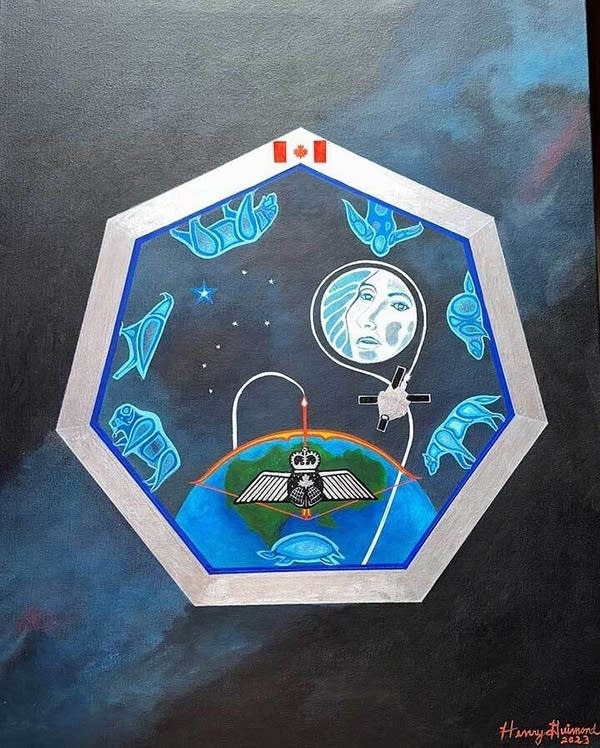
Afterward, Hansen asked Guimond to design the patch.
“It’s good for everyone to learn those teachings, the seven laws for all humanity,” said Guimond, who spent some 200 hours on the design. “Not just for Indigenous people, but for all people.”
‘Indigenous ways of knowing, Indigenous ways of being’
While the wisdom evoked by the patch is generations old, the origin story of how Pebaamibines came to know the Seven Grandfather’s teaching is more recent.
Pebaamibines said that it was in 2016 in his home community of Nigigoonsiminikaaning First Nation in Ontario, when workers were building a road when they dynamited a hill and discovered a large quarry of black pipestone underneath.
Community elders, alarmed that a sacred site had been disturbed, went to ceremony to seek guidance. The answer that came back surprised them: They had done nothing wrong. It was time for the pipestone to be revealed, Pebaamibines said.
One elder had a dream about a pipe — a Seven Grandfathers pipe — and spent four years carving it from that stone. When it was finished, he presented it to Pebaamibines.
“I had no idea what his Seven Grandfathers pipe was at the time,” Pebaamibines said. “So I went to ceremony, and I asked for clarity on this pipe. This pipe was confirmed — there are seven grandfathers, seven spirits that come with the pipe.”
He learned the origins of the Seven Grandfather teachings, a constellation visible in the Northern Hemisphere.
“The Ojibwe call it Manidoo-wigamig,” he said. “And that’s the origin of the Seven Grandfather teachings that I received. I think it’s time for the world to know Indigenous knowledge, Indigenous ways of being.”
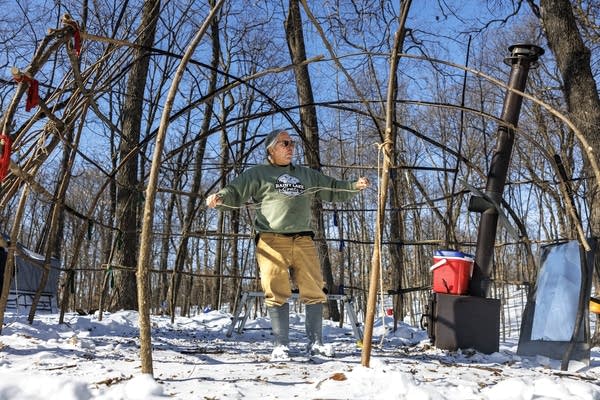
Of all seven teachings, Pebaamibines returns often to the first.
“The first one is Zaagi'idiwin,” he said. “Zaagi'idiwin is love. And the seven grandfathers are teaching us — how do we learn about our purpose in our life? What you do is, you follow these spiritual principles.”
On Monday, those principles traveled farther than any human has gone before as the Artemis II crew broke the distance record for human spaceflight, traveling more than 250,000 miles from Earth.
Hansen, along with NASA astronauts Reid Wiseman, Victor Glover and Christina Koch, rounded the moon Monday and are now heading home, expected to splash down Friday in the Pacific Ocean off the coast of San Diego.
Speaking on behalf of the crew as they broke the distance record, Hansen said in a conversation shared by NASA that they had traveled into space “honoring the extraordinary efforts and feats of our predecessors in human space exploration.”
“We will continue our journey even further into space before Mother Earth succeeds in pulling us back to everything that we hold dear,” he added.
Editor’s note: This story comes from the Upper Midwest Newsroom, a public media collaboration between Wisconsin Public Radio, South Dakota Public Broadcasting, Prairie Public in North Dakota, and Minnesota Public Radio News made possible by the Corporation for Public Broadcasting.