Chase Sapphire Reserve 150k-point welcome offer FAQs


The Chase Sapphire Reserve® (see rates and fees) is the premium travel rewards card for Chase Ultimate Rewards enthusiasts to earn valuable points and enjoy top-tier card benefits.

The Sapphire Reserve’s current bonus is sky-high: New cardholders earn 150,000 bonus points after spending $6,000 on purchases in the first three months from account opening. This is the highest public offer we’ve ever seen on the card and is worth $3,075, per TPG’s May 2026 valuations.

With an offer this valuable, you won’t want to miss out. Here are 10 of the most frequently asked questions we’ve seen on the Sapphire Reserve and its current 150,000-point bonus, answered.

Can I earn the 150,000-point bonus if I previously held the Sapphire Reserve?

Unfortunately, if you have previously held the Sapphire Reserve, you’re likely not eligible for this bonus now.

Woman sitting on the floor with a laptop
ROCKAA/GETTY IMAGES

Chase states that you may not be eligible for the bonus if you’re a previous cardholder. So, even if you don’t currently have the Sapphire Reserve or didn’t earn its bonus when you did have it, you shouldn’t expect to be eligible for the bonus now.

Related: Am I eligible for the Chase Sapphire Reserve’s 150,000-point bonus?

Can current Sapphire Reserve cardholders qualify for or receive this bonus?

If you are a current Sapphire Reserve cardholder, you will not qualify for the current 150,000-point bonus.

It’s also worth noting that closing or product-changing your Sapphire Reserve is unlikely to make you eligible, given Chase’s restrictions on Sapphire bonuses across your lifetime.

Related: Chase Sapphire Reserve statement credits: What they are and how to use them

Reward your inbox with the TPG Daily newsletter

Join over 700,000 readers for breaking news, in-depth guides and exclusive deals from TPG’s experts

Does being an authorized user on a Sapphire Reserve affect my eligibility for the bonus?

Being an authorized user on another person’s Sapphire Reserve does not affect your ability to get your own card and earn the bonus.

couple holding credit card
JLCO-JULIA AMARAL/GETTY IMAGES

As long as you’ve never been a Sapphire Reserve cardholder before and meet other eligibility requirements, you should be eligible to receive the bonus.

Related: 6 ways the Sapphire Reserve cards make international travel even better

Who is eligible for the 150,000-point bonus, and what are the key restrictions?

These are the general eligibility rules for the Sapphire Reserve:

  • You can’t currently have a Sapphire Reserve card open.
  • You may not be eligible if you have previously received a Sapphire Reserve bonus.
  • If you previously had a Sapphire Reserve, you may not be eligible for this offer, even if you didn’t earn a bonus on that Sapphire Reserve.
  • If you have opened five or more new credit cards in the past 24 months, you likely will be declined for a new Chase card.
  • Approval depends on your overall credit profile and your relationship with Chase.
  • Since the Sapphire Reserve is a Visa Infinite card, you’ll need to be eligible for at least a minimum $10,000 credit line.

Related: Chase’s 5/24 rule: Everything you need to know

Can Sapphire Preferred cardholders upgrade to the Sapphire Reserve and receive the bonus?

If you currently have the Chase Sapphire Preferred® Card (see rates and fees) and have never held the Sapphire Reserve, it’s likely that you’re eligible for the Sapphire Reserve and its bonus — as long as you meet other eligibility requirements (being under 5/24 and having an adequate credit score, as mentioned previously).

Woman using a laptop in her kitchen
ALEKSANDARNAKIC/GETTY IMAGES

Just remember that you’ll need to put in a new application for the Sapphire Reserve to receive its bonus. If you simply upgrade your Sapphire Preferred, you won’t be eligible for the 150,000-point bonus.

Along these lines, remember that you can carry the Sapphire Reserve and the Sapphire Preferred at the same time.

Related: Have the Chase Sapphire Preferred? You’re likely eligible for the Sapphire Reserve. Here’s how

Is this the best-ever offer on the Sapphire Reserve?

Yes. The current 150,000-point bonus is the highest publicly available offer we’ve ever seen on the Sapphire Reserve.

The Sapphire Reserve’s previous public bonus offered 125,000 points for the same $6,000 minimum spending requirement (offer no longer available). The card also once provided a highly targeted offer of up to 175,000 points in late 2025 (offer no longer available), but it was not widely accessible.

So, if you’re considering wide availability and redemption value, this 150,000-point offer is the highest bonus we’ve seen.

Related: Chase Sapphire Reserve jumps to 150,000 points — is this the best-ever offer?

What is the real value of 150,000 Ultimate Rewards points?

TPG’s valuations deem Chase Ultimate Rewards points to be worth 2.05 cents apiece. When you consider this valuation, the 150,000 points from the Sapphire Reserve are worth a whopping $3,075.
ST. REGIS HOTELS AND RESORTS/FACEBOOK

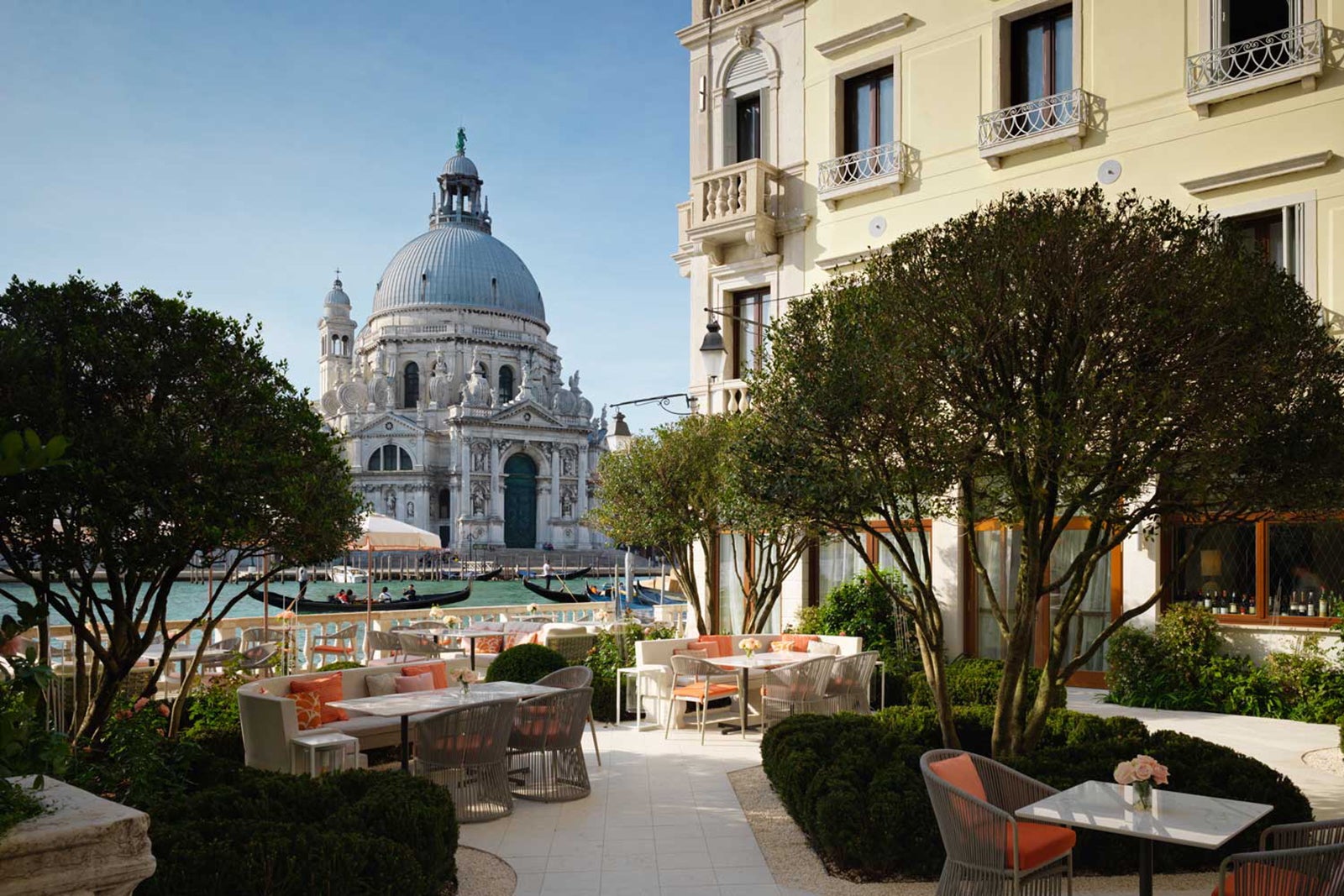
Of course, how much real value you get out of the 150,000-point bonus depends on how you plan to redeem your rewards. If you take the Chase Travel℠ route for booking flights or hotels with your points, you could potentially get up to 2 cents per point in value with Points Boost. Even better, a few hotels are eligible for up to 2.5 cents per point through Points Boost.

We typically recommend you transfer your Ultimate Rewards points to one of Chase’s 14 airline and hotel transfer partners. Redeeming this way could get you more than 2.05 cents per point, depending on your redemption.

Related: How to redeem Chase Ultimate Rewards points for maximum value

How do I maximize 150,000 Ultimate Rewards points?

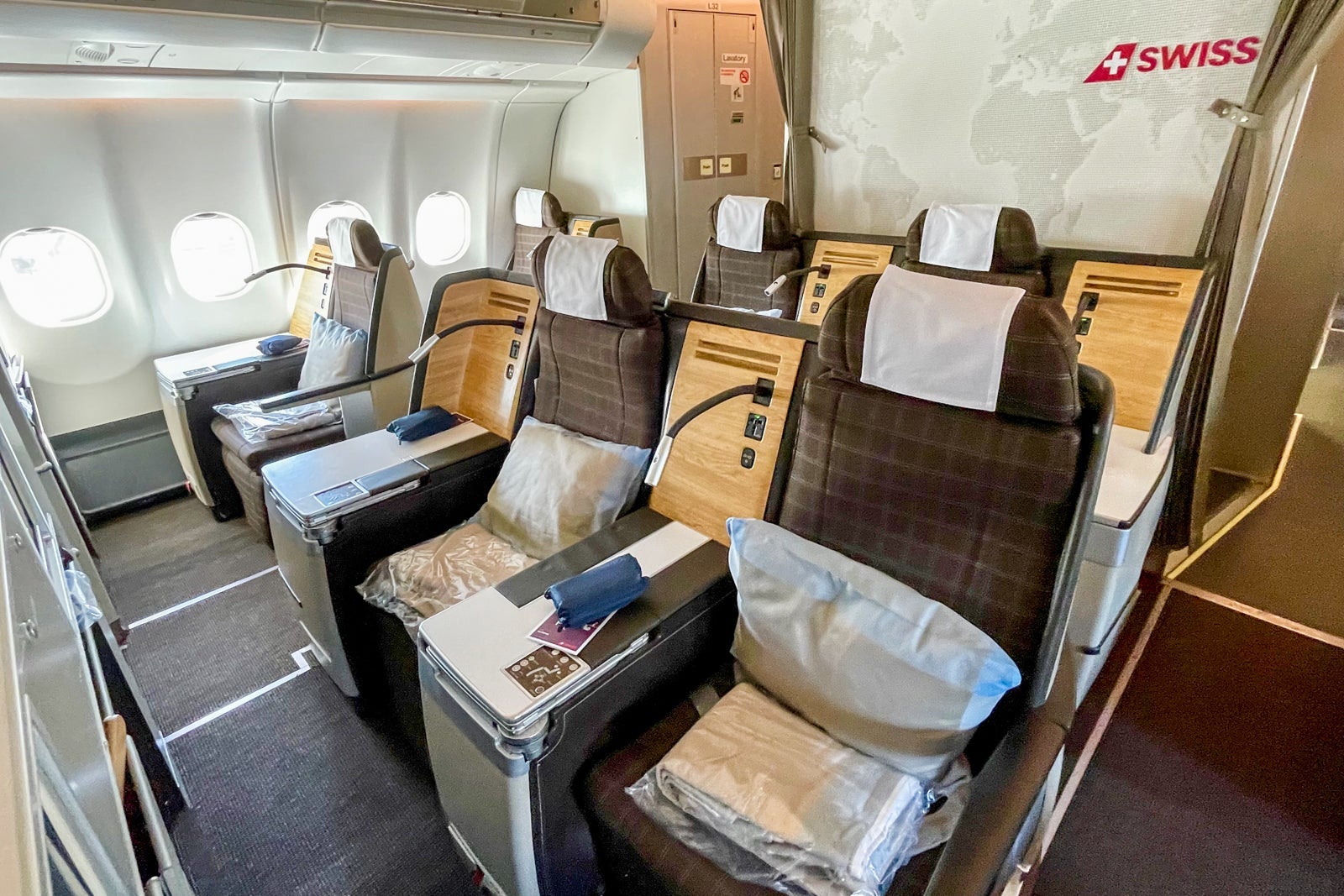
There are multiple ways to maximize the Sapphire Reserve‘s bonus.
Swiss Business Class. MATT MOFFITT/THE POINTS GUY

Here are a few ideas:

Related: Stretch your points: 8 of the most valuable Chase Points Boost bookings

What’s the best strategy to meet the minimum spend and earn the full bonus?

With the current Sapphire Reserve bonus, you’ll have to spend $6,000 on purchases in the first three months to earn 150,000 points.

There are many strategies you could employ here, including:

  • Buying everything with your new card (including rent and housing costs that you can pay with a credit card)
  • Prepaying bills, such as insurance, utilities and other regular expenses
  • Picking up the tab when you dine with a larger group
  • Donating to charity
  • Putting a down payment on a new car
PIXDELUXE/GETTY IMAGES

These are just a few methods you can use to earn a new cardholder bonus. As always, just be sure you have enough funds in your bank account to pay off your statement balance in full each month. Otherwise, interest and late fees could decrease the value of your rewards.

Related: Why I time my credit card applications around predictable big annual bills and elevated welcome offers

Bottom line

These are some of the most common questions we’ve seen around the best publicly available offer we’ve ever seen on the Sapphire Reserve.

With a whopping 150,000 valuable Chase Ultimate Rewards points on the line, you want to be sure you’re eligible for this bonus if you’re looking to apply. Plus, remember that the card’s $795 annual fee is steep, but there are multiple perks that help offset it.

To learn more, read our full review of the Sapphire Reserve.


Apply here: Chase Sapphire Reserve


Source link

Leave a Reply

Subscribe to Our Newsletter

Get our latest articles delivered straight to your inbox. No spam, we promise.

Recent Reviews


Why you can trust
  • 15+ years of travel experience
  • 550+ products tested
  • 50+ countries visited

We hold ourselves to a rigorous editorial standard. Financial incentives don’t sway our recommendations—experience and data do.

Read Our Editorial Policy

Boston doesn’t do anything quietly.

This is the city that invented the sports fan – where entire neighborhoods go silent during playoff games and strangers argue about lineups like they’re debating philosophy. Where the accent is a personality trait and the clam chowder is a matter of civic pride.

Now the World Cup is coming here. And Boston – passionate, walkable, historically rich, and deeply obsessed with its teams – is about to become one of the best cities on earth to experience it.

I was just at Gillette Stadium last week for Brazil vs France, one of the pre-World Cup friendlies we covered as part of TravelFreak’s Road to the World Cup series. 60,000 fans, Brazilian drumlines echoing through the concourses, and a post-match exit that taught me exactly why planning ahead can make or break your Boston trip.

Here’s your Boston World Cup 2026 guide:

By the Numbers

  • Stadium: Gillette Stadium, Foxborough, MA
  • Capacity: 65,878
  • World Cup Matches Hosted: 7 matches, including 5 group group stage matches and 2 knockout games 
  • Tournament Dates: June 11 – July 19, 2026
  • Distance from Boston: Approximately 28 miles south of downtown Boston

Why Boston Is Different From Other Host Cities

Boston Seaport

Every World Cup host city offers something. Boston offers something specific – and if you know what it is, you’ll plan your trip completely differently.

Most walkable US host city – Boston is compact in a way that Dallas, Houston, and Los Angeles simply aren’t. You can walk from your hotel to a pre-match restaurant to South Station for the commuter rail – no Uber required, no car needed, no logistics headache.

Deepest sports culture per capita in America – Four major professional sports teams, one of the most storied athletic traditions in the country, and a fanbase that treats sports as a civic religion. The World Cup doesn’t arrive into a passive sports market – it arrives into a city that already knows exactly what passionate crowd energy feels like.

History at street level – You’re not looking at history through glass in Boston. You’re walking on it. The cobblestones are original. The buildings predate the country. That context – watching the world’s game in a city older than the United States – is genuinely unique among all 16 host cities.

The Boston World Cup Strategy

Before you start booking, here’s the game plan that separates a great Boston World Cup trip from a stressful one.

  • Stay central – Back Bay or Downtown. Everything flows from there.
  • Take the commuter rail to Gillette – never drive. Post-match traffic on Route 1 is not a minor inconvenience. It’s a 2-hour parking lot.
  • Plan one full city day for every match day – Boston rewards slow exploration. Don’t just arrive, match, leave.
  • Add a Red Sox game if there’s a home game during your stay – Fenway Park in June is one of the great American sports experiences – and it costs a fraction of a World Cup ticket.
  • Book restaurants at least 5–7 days in advance for sit-down spots – During the World Cup, the good ones will be full.
  • Buy your commuter rail return ticket before you board to Foxborough – Post-match lines at the ticket machines are long and trains fill fast.

Gillette Stadium – What to Know

Gillette Stadium

Gillette Stadium sits in Foxborough, Massachusetts – home of the New England Patriots and New England Revolution. The iconic lighthouse tower rising above the south end zone makes it one of the most recognizable stadium silhouettes in North America.

Key stadium facts:

  • Capacity: 65,878 for World Cup configuration
  • Surface: Natural grass
  • Opened: 2002
  • The lighthouse tower at the south end is the signature visual – you’ll recognize it on approach

Arrive early – and here’s why it matters more than you think.

World Cup security is categorically different from an NFL game. International sporting events add layers of screening – bag checks, identity verification, ticket authentication – that a standard Patriots crowd doesn’t experience. Security lines for 65,000 people at a World Cup match can run 45-60 minutes on their own.

Add in the commuter rail journey, finding your section, and the fact that food lines at halftime will stretch 20+ minutes – and arriving 90 minutes before kickoff isn’t cautious, it’s necessary.

Get there early. Explore the stadium. Find your food options before kickoff. You’ll thank yourself at halftime.

A Perfect Boston Match Day Timeline

This is what a great Boston World Cup match day actually looks like – not theoretical, but executable.

8:30 AM – Breakfast at Flour Bakery. The sticky bun is non-negotiable. Arrive before the line builds.

10:00 AM – Walk the Freedom Trail. Start at Boston Common. Walk at your own pace through the North End. Finish with a cannoli from Mike’s Pastry.

12:30 PM – Lunch at Row 34 near Fort Point. Lobster roll and a local draft. Book this in advance – it fills up.

2:30 PM – Walk to South Station. Buy your return commuter rail ticket at the machine before the pre-match rush. Download the MBTA app for live train tracking.

3:00 PM – Board the commuter rail to Foxborough. One hour, no traffic, no stress. This is the move.

4:15 PM – Arrive at Gillette. Explore the stadium, find your section, grab food and a beer before the lines build.

4:30 PM – Kickoff. Eighty minutes of the world’s game in front of 65,000 people.

7:00 PM – Post-match. Board the commuter rail back to South Station.

8:15 PM – Back in Boston. Post-match drinks at Eastern Standard in Kenmore Square or The Banshee in Dorchester.

10:30 PM – Wherever the night takes you. Boston in June stays alive late.

Getting from Boston to Gillette Stadium

Getting Around Boston

Commuter Rail – The Only Real Option

The MBTA Commuter Rail runs special event service from South Station directly to Foxborough station, steps from Gillette Stadium.

  • Departure: South Station, Downtown Boston
  • Journey time: Approximately 1 hour
  • Cost: Approximately $10–15 each way
  • Insider tip: Buy your return ticket at South Station before you board – post-match ticket machine lines at Foxborough are long and trains fill fast. Tickets can also be purchased online via the MBTA mTicket app.
  • MBTA app: Download it before match day for live train tracking and service alerts
  • South Station food: There are decent grab-and-go options inside South Station if you need a quick bite before boarding

Driving – Not Recommended

Driving is technically possible. In practice, Route 1 South after a 65,000-person World Cup match is a parking lot.

  • Distance: 28 miles, normally 45 minutes
  • Post-match reality: 1.5–2 hours minimum to clear Foxborough
  • Parking: Available but expensive – pre-book through official stadium parking
  • Rideshare surge pricing post-match: $80–150+ is common after major events

The commuter rail wins on every metric. Take the train.

From Providence, Rhode Island

If you’re staying in Providence – a legitimately smart World Cup base – Gillette Stadium is only 20 minutes north on I-95. Providence deserves serious consideration as an alternative to Boston for budget-conscious fans.

Best Neighborhoods to Stay

1

Back Bay: Best Overall

The most central, most walkable neighborhood in Boston. Brownstone streets, easy Green and Orange Line access, walking distance to Fenway, Newbury Street, and dozens of pre and post-match options. This is where most World Cup visitors will want to be.

2

South Boston: Best for Atmosphere

Southie has transformed into one of Boston’s most vibrant neighborhoods. Close to South Station, packed with bars and restaurants, and with genuine local energy that Back Bay’s tourist-heavy streets sometimes lack.

3

Downtown / Financial District: Best for Convenience

Walking distance to South Station, easy access everywhere, typically more affordable than Back Bay. Less character, maximum practicality.

4

Cambridge: Best for Something Different

Across the Charles River, connected via the Red Line. Harvard Square, MIT, excellent food, and slightly more affordable hotels. A genuinely different perspective on the Boston area.

Where NOT to Stay

  • Near Logan Airport – unless you’re prioritizing early departure over experience, airport-area hotels put you in a transit dead zone. The experience suffers.
  • Suburban hotels without MBTA access – any hotel that requires a car to reach South Station makes your match day significantly harder. Stick to neighborhoods on the subway map.

Hotel Reality – What to Expect

Boston is a major city and high demand for hotels is expected during the World Cup 2026. 

What to expect:

  • Hotel rates 2–3x normal June pricing during match weeks
  • The best properties in Back Bay and Downtown will sell out months in advance

The right move: Book a refundable rate now. Lock in your property and your price. If your plans change you can cancel – but if you wait and plans stay the same, you’ll be paying significantly more for significantly worse options.

The fans who have the best Boston World Cup experience are the ones who stopped overthinking hotel bookings in February.

Book Hotels in Boston

Where to Eat and Drink

Where to Eat Boston

Boston’s food scene is built on two pillars: exceptional seafood and an obsessive local pride in doing things right. Don’t leave without eating lobster and clam chowder. That’s not a suggestion.

Note: Book sit-down restaurants 5–7 days in advance minimum. – arrive before 6pm or after 9pm to avoid the worst waits. Seafood prices spike during major events – budget accordingly.

Pre-Match

Row 34 – Fort Point Serious seafood, serious beer list, walking distance from South Station. The lobster roll is one of the best in the city. Perfect pre-rail stop.

Eventide Fenway – Fenway The brown butter lobster roll that launched a thousand copycat restaurants. One lobster roll, one time, this place.

Sam Adams Brewery – Jamaica Plain Boston’s most iconic brewery. Tours and tastings before heading to Foxborough. A piece of Boston sports culture worth experiencing.

Post-Match

Eastern Standard – Kenmore Square Classic Boston bar and restaurant near Fenway. Loud, packed, genuinely fun post-match energy. The cocktail list is excellent.

The Banshee – Dorchester A proper Irish pub in an Irish neighborhood. If your match involved European fans, this is where the post-match party ends up.

Legal Sea Foods – Multiple Locations The Boston institution. Not adventurous but consistently excellent. The clam chowder is the benchmark everything else is measured against.

The Non-Negotiables

  • Clam chowder in a bread bowl – at least once
  • Lobster roll – hot with butter or cold with mayo, both are correct, order both
  • Cannoli from Mike’s Pastry – North End, non-negotiable, worth the line
  • Fenway Frank at Fenway Park – if there’s a home game during your stay, go

Boston Fan Culture

Boston fans are loud, knowledgeable, and deeply opinionated. They don’t just show up – they know the history, they know the players, they know when something matters and when it doesn’t. Expect strong opinions shared directly and without apology.

The World Cup energy that arrives in Boston in June will collide with a city that already knows exactly what a packed stadium feels like. The MLS Boston Revolution has proven the local soccer market already attracting 65,000+ fans on gameday to Gillette Stadium during their regular season matches. 

What that means for the World Cup: the atmosphere at Gillette will be electric from the moment the gates open. Boston crowds don’t need to be warmed up. They arrive ready.

The international fan cultures that travel with the World Cup – South American passion, African energy, European tradition – mixing with Boston’s native sports intensity is going to produce something genuinely special inside Gillette Stadium.

Best Tours and Experiences to Book

1

Freedom Trail Walking Tour

The essential Boston experience. 2.5 miles, 16 historic sites, guided versions that bring the history alive. Do this the day before or morning of your match.

2

Boston Harbor Cruise

The skyline from the water is one of the great American city views. Evening cruises during World Cup week are something special.

3

Fenway Park Tour

America’s oldest ballpark. The Green Monster up close. Tours run daily – book in advance during the World Cup.

4

Boston Food Tour – North End

The North End’s Italian neighborhood is one of the most concentrated dining experiences in America. A guided food tour hits cannoli shops, cheese stores, pasta makers, and bakeries you’d never find alone.

5

Harvard University Tour

Ten minutes on the Red Line from downtown. The architecture, the history, the scale. Pair with lunch in Harvard Square.

6

Cape Cod Day Trip

For a non-match day. Ninety minutes from Boston. Beaches, seafood shacks, lighthouses, and the quintessential New England summer. Worth the trip.

7

Whale Watching Tour

Boston Harbor whale watching tours run through June with regular humpback and finback sightings. One of the most memorable things you can do in Boston that most visitors never think to book.

Beyond the Game – Boston in June

Boston Public Garden

Fenway Park and the Red Sox The Sox play home games in June. If there’s a home game during your stay – go. Fenway in June is one of the authentic American sports experiences. The Green Monster, the Fenway Frank, the history built into every corner of the oldest ballpark in America. Buy tickets at redsox.com.

Boston Common and Public Garden The oldest public park in America. The Swan Boats in the Public Garden are a genuinely charming piece of Boston history. Walk it in the morning before a match day.

The North End Hanover Street on a summer evening – cannoli in hand, hearing three languages at once, watching the neighborhood live its life – is the kind of moment you remember. Go without a plan and let it unfold.

The Seaport District Boston’s newest neighborhood along the harbor. Modern restaurants, the Institute of Contemporary Art, and great waterfront walking. A completely different side of Boston.

Day Trips:

  • Salem – 30 minutes north, one of America’s most atmospheric small cities
  • Cape Cod – 90 minutes south, the ultimate New England summer day trip
  • Providence, RI – 1 hour south, genuinely outstanding restaurant scene

Boston World Cup Weather Guide

  • June averages: Highs of 75–80°F (24–27°C), lows around 60°F (15°C)
  • Humidity: Moderate to high – noticeably muggy during heat spells
  • Rain: One of Boston’s rainier months – afternoon and evening thunderstorms possible
  • Evening matches: Temperatures drop to the mid-60s after dark

A packable rain jacket is worth having in Boston – not because it rains constantly but because when a summer storm hits it’s fast and heavy and you’ll want it.

What to Pack for Boston

Boston is a walking city. Cobblestone streets in the North End and Beacon Hill are beautiful and brutal on bad footwear.

See our complete FIFA World Cup 2026 Packing List for everything else.

Fan Zone Information

FIFA will establish an official Fan Zone in Boston for World Cup 2026 at Boston City Hall Plaza. 

Fan zones include live match broadcasts, food and beverage, entertainment, official merchandise, and free public entry. Boston’s fan zone will draw significant crowds given the city’s sports culture and large international student and diaspora population. Arrive early.

Conclusion

Few cities merge history and sport the way Boston does.

You’ll walk past buildings older than your country in the morning. Eat the best lobster roll of your life at lunch. Board a train south and watch the world’s game in front of 65,000 people by evening.

That contrast – history-rich city blended with the global sport scene – is what makes Boston unlike anywhere else on the World Cup map.

Read More:

FIFA World Cup 2026 Packing List

What to Wear to a World Cup Game


Stadium details and fan zone locations are subject to confirmation by FIFA and local organizing committees.

Boston World Cup 2026 FAQ

Can you take the subway to Gillette Stadium?

No – Gillette Stadium in Foxborough is not on the MBTA subway system. The best option is the MBTA Commuter Rail special event service from South Station, which runs directly to Foxborough station steps from the stadium.

How far is Logan Airport from downtown Boston?

Logan International Airport is approximately 3 miles from downtown Boston – about a 15-20 minute taxi or rideshare, or a quick Silver Line bus from any terminal directly to South Station. One of the most convenient major airport locations in the US.

Is Boston expensive during the World Cup?

Yes. Boston is already one of the most expensive cities in America. During World Cup 2026, expect hotel rates 2–3x normal June pricing. Book accommodations early with a refundable rate to lock in the best prices.

Is public transportation reliable in Boston?

The MBTA (the T) is one of America’s oldest subway systems – reliable for core routes but can experience delays. For World Cup match days, the commuter rail special event service to Foxborough is specifically designed for stadium crowds and is the most reliable option.

Is Foxborough safe?

Yes. Foxborough is a quiet suburban town in Massachusetts. The area around Gillette Stadium on match days is well-managed, well-staffed, and safe.

How far in advance should I book hotels for World Cup Boston?

Now. Boston hotel inventory during World Cup 2026 will be extremely limited. The best properties in central neighborhoods will sell out months in advance. Book a refundable rate immediately and adjust later if needed.

Can I walk to Gillette Stadium from Boston?

No – it’s 28 miles south of the city. The commuter rail is your best option.

Is Boston a good city for first-time US visitors?

Absolutely. Boston is one of America’s most walkable and historically rich cities. It’s compact, well-connected by public transit, and rewards exploration on foot. Three to four days gives you enough time to experience the city properly alongside your World Cup match.

About the Author

Nick Reed

As a Manchester City fan, he made it his mission to catch matches at legendary stadiums from Camp Nou to the Etihad. But Nick’s travels go beyond football. He’s explored 20+ countries across Europe, Africa, and the Caribbean, always chasing authentic experiences over tourist traps. Nick lives by a simple rule: the best stories come from saying yes to the unexpected. And TravelFreak is his biggest yes yet.

More Articles »


Source link