The 59-year-old “Nasty” singer made a rare red carpet appearance at the 2026 GRAMMY Hall of Fame Gala on Friday night (May 8) held at The Beverly Hilton in Beverly Hills, Calif.
During the event, Janet celebrated the induction of her landmark 1989 album Rhythm Nation 1814 into the Grammy Hall of Fame.
Credit: Getty
“It’s beautiful to relive the memories attached to this project that is so, so precious to me,” Janet said in her speech, per Forbes. “Though I don’t see Rhythm Nation as a phenomenon that lived in the past. I believe it’s alive and well in 2026.”
After noting that the album “still resonates on a deep and profound level,” Janet continued, “It’s an ongoing force that fights bigotry and promotes understanding. It cannot be stopped. It’s simply too strong and too positive. Rhythm Nation is a movement of people of all reaches and backgrounds seeking to give and receive love free of judgment. As we celebrate tonight let’s remember that it transcends all borders, nationalities and faiths.”
Credit: Getty
“When you hear the music of Rhythm Nation, I hope you hear my heart’s desire when we first created this suite of songs,” she added. “More than ever, my hope is that we might live in a world free of fear and despair. The prayer driving this Rhythm Nation remains exactly the same—that peace prevails. Peace the world over, peace among our nations, peace in our neighborhoods, peace in our homes. May the music of Rhythm Nation continue to bring us together in peace. And may that peace allow us to celebrate this precious gift of life that God has given us. All praise to God.”
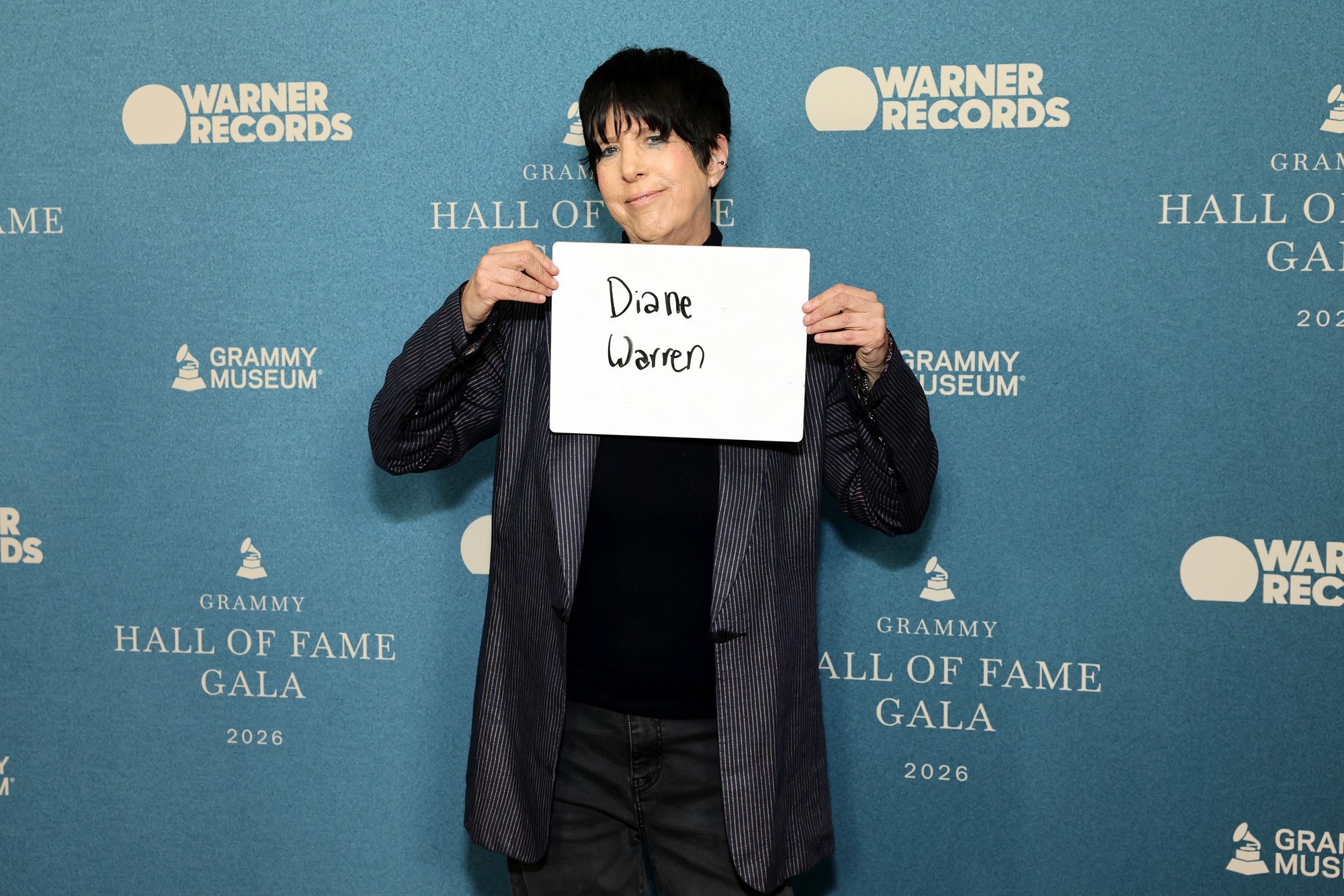
Other stars in attendance at the event included Josh Groban, Teddy Swims, Diane Warren, Taylor Hanson, and Norah Jones.
If you didn’t see, LaToya Jackson revealed why Janet isn’t depicted in the new Michael Jackson biopic, Michael.
Browse through the gallery below for more photos from the event...
Do your friends or family members love to share reviews of products purchased such as skincare or clothing hauls and more? With that being said, have you considered where you can find a similar one? Well, most of you might be doing the same!
This is the power of User-Generated Content (UGC): authentic, reliable content created by customers that significantly influences their purchasing decisions. Even a high-paid ad can beat this! According to reports, over 93% of marketers use UGC in their marketing strategies and claim that it performs well over traditional content.
Here in this guide, we will discuss everything about UGC, its types, the benefits of using UGC content marketing, and so much more to help your brand succeed in today’s digital environment. So, let’s get started!
What is User-Generated Content (UGC)?
User-generated content (UGC) refers to a kind of content created by the customer/ fan and not the brand (videos, photos, reviews, blogs). It is a novel type of word-of-mouth marketing, in which end users communicate their personal experiences, opinions, or views regarding a given product on social media.
You may have heard some creators on Instagram making an unboxing video, talking about their opinion on a certain skincare item, or a cheap but cute clothing item. The list continues! UGC is real and honest, that is why it is one of the most effective digital age marketing tools.
Why is User-Generated Content Important?
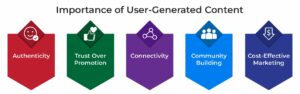
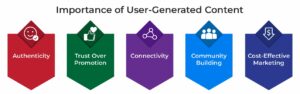
UGC content is important for the following reasons:
Authenticity: Consumers are now seeking transparency and authenticity. UGC offers precisely that.
Trust Over Promotion: Traditional ads are slowly getting behind. Most customers put their trust in organic user recommendations.
Connectivity: The moment you see actual individuals use your product; there is immediate relatability.
Community Building:It will turn your audience into brand ambassadors.
Cost-Effective Marketing: UGC reduces content creation costs while expanding reach.
Sharing the Role of a UGC Creator
A UGC Creator is an individual who produces content of brands in various forms, including videos, photos, or testimonials, based on personal experience. Unlike traditional influencers, creators of UGC value the storytelling and authenticity of products more than the number of followers.
The brands also engage the UGC creators to acquire content that can be mapped and resonate with the audience on platforms like Tik Tok, Instagram and YouTube.
Significant Returns to Brands on UGC
Gains Credibility and Trust
That’s simple. People trust people. UGC provides social validation of your brand, proving that there are people who love your product or service.
Increases Interactions and Sales
The UGC will increase click-through and conversion rates compared to the ones created by the brand since it is less persuasive and more authentic.
Comes up with Unique, Authentic Content
Your consumers are already curating content, providing you with new, imaginative, and different content to reuse in your marketing.
Different Forms of User-Generated Content
There is a lot of UGC, all of which has a specific marketing purpose.
Reviews and Testimonials
Social media, such as Google or Trustpilot, are full of UGC, which takes the form of reviews. Many companies share customer reviews on their social media channels to improve visibility.
Photos
When UGC creators share real pictures of the product, it helps to increase credibility about the brand or the product.
Videos
TikTok, YouTube Shorts, and Instagram Reels operate under UGC. As an example, benefit perfume re-posts makeup tutorials by influencers who feature its products as genuine endorsements to sell.
Blogs and Articles
Reviews or user experience experiences are long-form materials that increase SEO and brand credibility.
Issues and Problems of UGC
Although UGC offers unbelievable opportunities, it requires effective management.
Quality Control: Not everything works with the brand standards- filter it.
Brand Reputation: Vet contributors avoid being associated with harmful or off-brand materials.
Moderation Work: Review UGC submissions in real-time to prevent improper and harmful posts.
The Future of UGC: Authenticity Met with Innovation.
The future of UGC marketing is bright and is changing at a rapid pace.
In the coming years, we’ll see:
AR filters or metaverse experiences (as UGC)
AI-assisted UGC creation
Greater brand-consumer cooperation.
Central to UGC, it will remain a bridge between brands and consumers that drive communities based on trust, creativity, and experiences.
Moving to the Final Part
User-generated content is not a fad of marketing; it is the future of brand communications. It makes your brand more human, increases reach, and authentic relationships that are invaluable to purchase with ad money.
Next time you come across someone online raving about a product they have bought, remember that is UGC in action. And to brands that are gold.
Keep ahead of all the trending blog topics with us!
To provide the best experiences, we use technologies like cookies to store and/or access device information. Consenting to these technologies will allow us to process data such as browsing behavior or unique IDs on this site. Not consenting or withdrawing consent, may adversely affect certain features and functions.
Functional
Always active
The technical storage or access is strictly necessary for the legitimate purpose of enabling the use of a specific service explicitly requested by the subscriber or user, or for the sole purpose of carrying out the transmission of a communication over an electronic communications network.
Preferences
The technical storage or access is necessary for the legitimate purpose of storing preferences that are not requested by the subscriber or user.
Statistics
The technical storage or access that is used exclusively for statistical purposes.The technical storage or access that is used exclusively for anonymous statistical purposes. Without a subpoena, voluntary compliance on the part of your Internet Service Provider, or additional records from a third party, information stored or retrieved for this purpose alone cannot usually be used to identify you.
Marketing
The technical storage or access is required to create user profiles to send advertising, or to track the user on a website or across several websites for similar marketing purposes.