Steel Structures Support Flexible Layouts for Small Businesses?


Commercial spaces have a direct influence on the efficiency with which a business runs. There are a lot of small business owners who can look beyond simple floor plans. Layout choices assist in shaping workflow, customer flow, and scalability of services over time.

Business entities require frameworks that accommodate shifts in operations, cut down overheads, and can be reconfigured effortlessly. The flexibility and stability of steel buildings in Alberta are a good illustration of how this type of building approach can promote flexibility of layout and long-term business operations. This paper describes how steel structures aid the construction of realistic, scalable environments in any industry.

Key Takeaways

  • Steel structures help small businesses create open interiors and flexible floor plans that improve workflow, customer flow, and space use.
  • Custom layouts with movable dividers, storage systems, and service zones make it easier for businesses to support different operations under one roof.
  • Energy-efficient designs, proper insulation, and natural light can help reduce heating, cooling, and lighting costs while creating a comfortable environment.
  • Steel buildings support long-term business growth through rapid assembly, low maintenance requirements, and easy future expansion without major structural changes.

Strong Frameworks That Maximize Interior Space

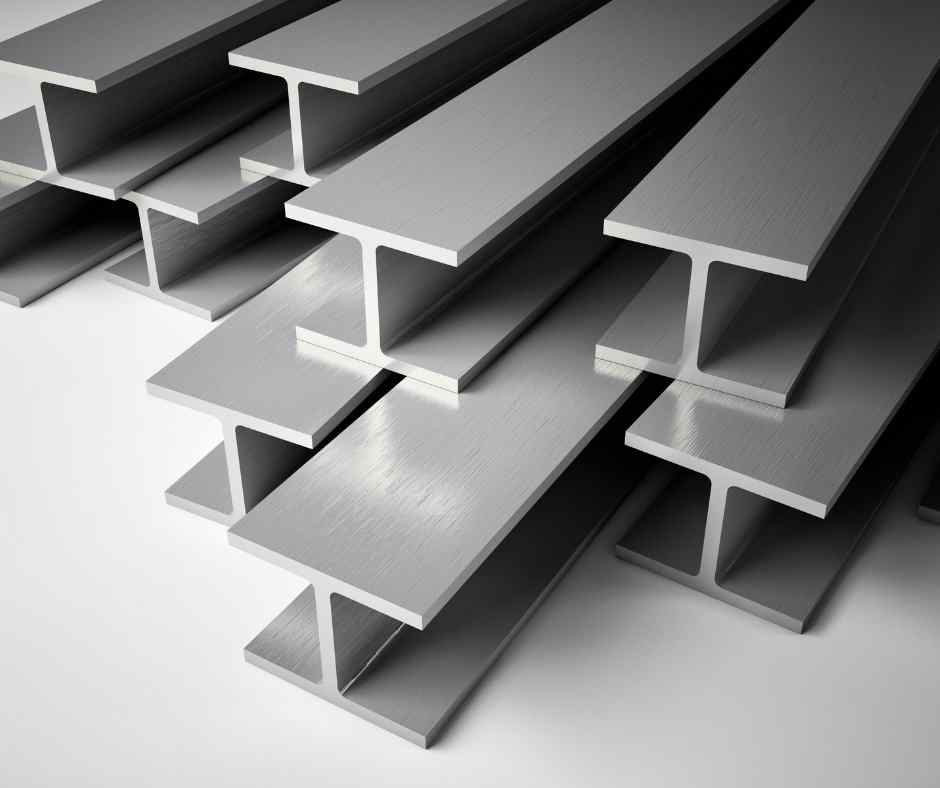
Steel provides the strength needed to create wide and open interiors without internal columns. This clear span enables businesses to plan space without structural disruptions. This results in improved space use for business owners. Retail spaces, storage spaces, workstations, or even service counters can be designed based on the operational requirements rather than the constraints of the building.

The lack of columns makes the changes in the future easier as well. Floor layouts may change due to an increase in services, an increase in inventory, or an increase in the workflow. This adaptability assists in sustaining efficiency without incurring the expenses of altering the structure.

Custom Layouts Designed for Diverse Business Needs

The steel construction supports a wide variety of layout designs. Partitions, shelving systems, or movable dividers can be utilized to create different functional zones within the same structure. This design enables the running of various operations effectively under a single roof.

steel-structures-support

Examples of Practical Layouts

Retail Area:

Open floor plan to enable product displays, movement of customers, and checkout area to operate without congestion.

Storage and Inventory:

Special areas with strengthened flooring and a vertical storage system to optimize the space.

Service Zones or Workspaces:

Specific zones of production, repair, and client services that facilitate specific activities and maximize workflow efficiency.

Energy-Efficient Designs for Cost Control

One of the major issues of small businesses is their operating costs. The steel structures support the insulation systems, which help in ensuring the stable interior temperatures of the building in various weather conditions. The proper insulation is associated with the low expenses of heating and cooling, and with creating a comfortable environment in which the staff and customers can work and stay.

Skylights and large windows may be added to give natural light. Light interiors minimize the use of artificial light and enhance a friendly atmosphere. This method, coupled with effective HVAC systems, allows controlling the cost of energy and staying comfortable.

Rapid Assembly and Long-Term Value

Prefabricated components are used in steel structures, which enhances the construction schedule. Components come in the form of parts that are ready to be installed to save time, labor requirements, and material wastage. A quicker project completion will enable the business to start operations earlier and earn revenue earlier.

Maintenance is also reduced as compared to most of the traditional materials. Since steel is resistant to pests, moisture damage, and structural deterioration, it reduces the need for repairs and unplanned downtime. These factors eventually add to predictable operating costs. This stability is useful in financial planning and long-term stability for the owners of small businesses.

Small Business Coach: A Custom Carpentry Success Story

Adaptability for Future Expansion and Upgrades

Space or layout modification may be necessary in the expansion of a business. Steel constructions facilitate easy expansion by adding new sections, work areas, or offices without significant disturbance. Modular framing enables the sections to be stretched or restructured with minimal structural modifications.

Taking the example of steel buildings in Alberta, a large number of businesses depend on this flexibility to expand operations effectively without compromising the quality of services. The same strategy can be used in various industries where flexibility and expansion continue to be the focus.

The steel constructions are a viable option to be used by small organizations that require adaptable floor plans, efficient workflows, and long-term value. They are a good fit in business concerns concerned with growth and stability because of open interior, flexible design, and fewer maintenance requirements. The appropriate selection of building systems directly influences the daily business, the possibility of expansion, and the general profitability.

Want to learn the proven strategies top businesses use? Try searching ‘business consultant near me‘ to connect with an expert in your area!

Frequently Asked Questions

Why are steel buildings useful for small business layouts?

Steel buildings provide wide and open interiors without internal columns, allowing small businesses to create flexible floor plans, improve workflow, and maximize interior space based on operational needs.

How do steel structures help reduce operating costs?

Steel structures support insulation systems, natural light, and energy-efficient HVAC designs that help lower heating, cooling, and lighting costs. Steel is also resistant to pests, moisture damage, and structural deterioration, which reduces maintenance expenses.

Can steel buildings support future business expansion?

Yes. Steel constructions support easy expansion through modular framing, allowing businesses to add new sections, offices, or work areas with minimal structural modifications and disruption to operations.

scaling small businesses with Google Business Page


Source link

Leave a Reply

Subscribe to Our Newsletter

Get our latest articles delivered straight to your inbox. No spam, we promise.

Recent Reviews


Frontend vs Backend – Table of Content

What is frontend?

In web development, frontend refers to the user interface and the user experience of the web application. It focuses on the development of the visual aspects of the web application through which the users can interact like the functionality, design and the layout. The person involved in the frontend development of the website is called the front end developer.

What is Backend?

In web development, backend refers to the server side development of the web application. It focuses on building the application logics, databases and servers. It helps the developer to communicate with the database, save, retrieve and delete data. The person involved in the backend development of the website is called the backend developer.

Frontend and backend are very essential in web development. Users can see the frontend part of the website and can interact with it like design, texts, images, videos and navigation menu while the backend cannot be seen and cannot be interacted with. The primary difference between the frontend and backend is that the frontend indicates how a web page looks whereas the backend indicates how the website works. That is, the front end is the client side and the backend is the server side. Both of them would interact with each other and operate effectively as a single unit to enhance the functionality of the website.

Front End Vs Back End:

Skills required for Frontend web development:

Technical Skills: Front end developers need to possess skills in HTML, CSS and Javascript.

  • HTML: for building the structure of the webpage
  • CSS: for styling the web pages
  • Javascript: for adding the interactivity to the web pages

Snowflake Training

  • Master Your Craft
  • Lifetime LMS & Faculty Access
  • 24/7 online expert support
  • Real-world & Project Based Learning

Frameworks and Libraries: Front end developers must possess skills in anyone of the below frameworks and libraries.

Testing frameworks and methodologies: Frontend developers should have good knowledge on the testing frameworks and methodologies like Enzyme, Jest or Cypress to make sure that web pages are working correctly.
Version control system: They must have knowledge on version control systems such as Git to manage the code and coordinate with the other developers.

Frontend developers should also have a good understanding of responsive design principles that ensures the website is displayed correctly on distinct devices, Design skills for creating appealing and user friendly web pages, Idea on Cross browser compatibility to make sure that their web pages display and function correctly on various browsers, etc.

Skills required for Backend web development

Programming languages: Backend developer must have proficiency in any one of the server side programming languages like

  • Python
  • Node.js
  • PHP
  • Ruby on Rails

Databases: Backend developers should be proficient with the databases like

  • MySQL
  • MongoDB
  • PostgreSQL
  • And must have a good knowledge on data structures and algorithms.

Backend frameworks: Backend developer must have proficiency in any one of these frameworks like

  • Express.js
  • Django
  • Laravel
  • Flask

Testing frameworks and methodologies: Backend developers should have good knowledge on the testing frameworks and methodologies like

  • Pytest
  • Jest
  • Mocha
  • Backend developers must also have skills on API design and implementation to expose backend functionality to front-end applications, server administration and deployment skills to configure web servers, setup databases, and deploy databases, and also must be able to take steps to secure the backend application.

Generals, frontend-vs-backend-description-0, Generals, frontend-vs-backend-description-1

Subscribe to our YouTube channel to get new updates..!

Testing methodologies for frontend & backend

To make sure that the developed application is reliable, functional and secure, we need to use some testing methodologies in frontend as well as backend development. Although the skills required for frontend and backend development are different, the testing principles are the same.

  • Unit testing: In frontend development, for every individual component like menus, buttons, input fields unit testing is performed. Frameworks like Mocha/Jest are used in frontend development to automate and execute unit testing on codebase. Even in backend development, unit testing is used to test every function and the code component. Frameworks like JUnit, Mockito or PyTest are used in backend development to automate and execute unit testing on codebase.
  • Integration testing: In frontend development, Integration testing is used to verify the interaction between the components. Frameworks like Cypress or Selenium are used to test integration of components in frontend integration testing. Integration testing in backend development is used to test if the backend components like server and database work correctly together. Frameworks like Spring test/testNG are used in the backend integration testing.
  • In frontend development, we even perform performance testing to check whether the website is loading quickly and performing well. Tools like Google Lighthouse/Webpage Test are used for testing the website performance. Whereas in Backend development, security testing plays an important role in protecting the application from vulnerabilities. Tools like OWASP ZAP/Burp Suite are used to test the security vulnerabilities.

Collaboration Between Frontend and Backend Development Teams

To ensure that the website is developed efficiently, collaboration between the frontend and backend development team is very important. Although the responsibilities and expertise of both frontend and backend developers are different, they need to work together to create a seamless and secure experience for the users.

Snowflake Training

Weekday / Weekend Batches

Security concerns in front end and back end development

To ensure the security of the website or application, both frontend and backend developers are responsible. User inputs must be validated and sanitised by Frontend developers to prevent cross site scripting and various other attacks. They also need to implement secure authorization and authentication techniques to protect the user data. While the backend developers must ensure that server-side code is secure and is not vulnerable to the attacks like cross-site request forgery, SQL injection, etc. To protect the sensitive data, backend developers also need to implement secure data storage and transition.

Career prospects for frontend and backend development

As businesses are continuing to invest in the development of mobile and web applications, there is a huge demand for both frontend and backend developers. In India, a frontend developer’s salary ranges in between 3 Lakhs to 11.4 Lakhs per annum while the backend developer’s salary ranges in between 3.5 Lakhs to 17 Lakhs per annum.

Either you are willing to become a frontend developer or backend developer, you need to possess attention to detail, problem solving skills, and the ability to work in a team environment. As the developers seek the ways to create an efficient and seamless experience for the users, the future of web development is likely to get integration between frontend and backend technologies. Now Fullstack development frameworks like MERN/MEAN are used by developers for both frontend and backend development. Developers are also using serverless architectures to focus on writing code instead of managing infrastructures. Serverless architecture is used by both frontend and backend development to build microservices.

Conclusion:
In this blog we have compared both frontend and backend development. Now we know the differences between frontend and backend, skills required for frontend and backend, their salaries and career prospects. We hope you found this information useful. For more blogs on various frontend and backend technologies, stay tuned!.

Related Article:

Front End Technologies


Source link