
As someone who is naturally drawn to travel cards that earn transferable rewards, it takes a lot for me to be impressed by a cobranded option. But when it comes to the Hilton Honors American Express Surpass® Card, I’d recommend it to many types of travelers.
The Hilton Surpass was the first cobranded hotel card that won me over. Now that I have the card, I’ve thoroughly enjoyed maximizing its benefits, earning Hilton Honors points and enjoying Hilton Gold elite status perks when I stay with the brand.
I love how easy it is to find a Hilton property wherever I travel, and I appreciate that this card offers high potential value without an exorbitant annual fee.
Whether you’re a road warrior who loves to stay at Hilton hotels and resorts or a semifrequent traveler looking for a card with practical rewards, the Hilton Surpass is worth a look. Card rating*: ⭐⭐⭐½
*Card rating is based on the opinion of TPG’s editors and is not influenced by the card issuer.
Hilton Surpass: The basics
The Hilton Surpass is a mid-tier Hilton card issued by American Express. It earns Hilton Honors points and is well-positioned for travelers who often stay at Hilton properties but don’t want to pay a sky-high annual fee.
The Surpass charges a $150 annual fee ($0 introductory annual fee for the first year; see rates and fees), which places it in the middle of Hilton’s cobranded card suite.
My favorite Surpass benefit is the up-to-$50 quarterly statement credit on eligible Hilton purchases (up to $200 per calendar year). If you maximize this statement credit each quarter, the card effectively pays you $50 to hold it.

With the Hilton Surpass, you’ll receive complimentary Hilton Gold elite status. You’ll also receive complimentary National Car Rental elite status (after enrollment in the Emerald Club program) and travel protections.

Reward your inbox with the TPG Daily newsletter
Join over 700,000 readers for breaking news, in-depth guides and exclusive deals from TPG’s experts
The best way to redeem the Hilton points you’ll earn on the Surpass is by booking award nights. Since Hilton uses dynamic award pricing, rates can vary. If you have the patience and flexibility to find high-value stays, you can find some serious value with the points you’ll earn.
Related: How much value does the Hilton Honors program provide when you book directly?
Hilton Surpass pros and cons
| Pros | Cons |
|---|---|
|
|
Related: 5 reasons to get the Hilton Honors Amex Surpass card
Hilton Surpass benefits
For an ongoing $150 annual fee (after the $0 intro annual fee the first year), the Hilton Surpass packs a punch in benefits. Here’s what to know about its perks.
Complimentary Hilton Gold status
Hilton Gold status is mid-tier elite status in the Hilton Honors loyalty program.
My favorite Hilton Gold perks are the daily food-and-beverage credit (or continental breakfast at select brands outside of the U.S.) for up to two guests and the 80% bonus points.

Surpass cardmembers can unlock Diamond elite status (the next tier up) if they spend $40,000 on eligible purchases on the card in a calendar year.
Hilton statement credit
Hilton Surpass cardmembers earn up to $200 back every calendar year on eligible Hilton purchases. This benefit is earned as up to $50 in statement credits each quarter.
You can use your Hilton statement credit in a variety of ways, such as bookings made directly with Hilton, incidental charges billed to your room (including dining and room service), eating at a restaurant in a Hilton property or purchasing items from gift shops in a Hilton property.
I typically use my Hilton credit to shave $50 off impromptu hotel stays, weekend getaways or when I need to travel for events like birthdays and weddings. Since I’m in a phase of life where I’m often on the road for quick trips, the number of Hilton properties and the reliability of this quarterly credit have helped me save cash.
National Car Rental status
Cardmembers also receive complimentary National Car Rental Emerald Club Executive status after they enroll in the Emerald Club program.
Executive status perks include guaranteed upgrades, Executive Area access and no second-driver fees.
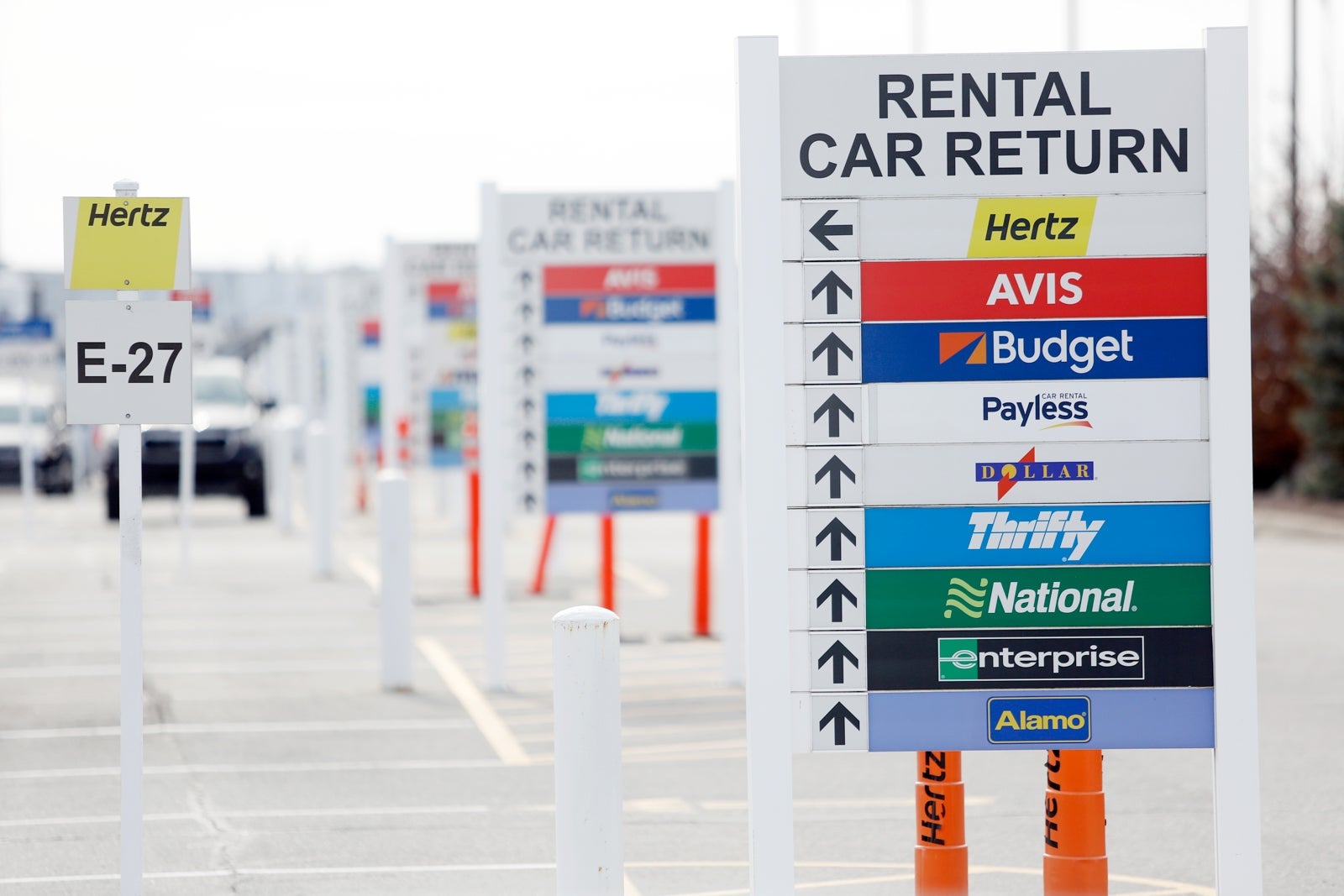
I’ve used this perk when my partner and I rented a car for a family trip in Minnesota. Because of my elite status, we didn’t have to pay an extra fee to add him as a driver, and we were able to pick a vehicle from a higher class than the Midsize rate we paid for.
Spending-incentivized free night reward
If you put at least $15,000 of eligible spending on your Hilton Surpass in a calendar year, you’ll receive a free night reward.
Travel and purchase protections
The card also provides a decent level of travel and purchase protections, including:
The Surpass is also a solid card to take on international trips since it doesn’t charge foreign transaction fees.
*Eligibility and benefit level vary by card. Terms, conditions and limitations apply. Please visit americanexpress.com/benefitsguide for more details. Cardmembers are responsible for the costs charged by third-party service providers.
**Eligibility and benefit level vary by card. Terms, conditions and limitations apply. Visit americanexpress.com/benefitsguide for details. Policies are underwritten by AMEX Assurance Company.
***Eligibility and benefit level vary by card. Not all vehicle types or rentals are covered, and geographic restrictions apply. Terms, conditions and limitations apply. Visit americanexpress.com/benefitsguide for details. Policies are underwritten by AMEX Assurance Company. Coverage is offered through American Express Travel Related Services Company, Inc.
Related: Is the Hilton Surpass Amex card worth the annual fee?
How to earn and use Hilton points
Earning points
It’s easy to earn Hilton points with the Hilton Surpass. Here are the card’s earning rates:
- 12 points per dollar spent on eligible purchases made directly with a hotel or resort within the Hilton portfolio
- 6 points per dollar spent on purchases at U.S. gas stations, U.S. restaurants and U.S. supermarkets
- 4 points per dollar spent on U.S. online retail purchases
- 3 points per dollar spent on all other eligible purchases

I most frequently use this card for paid Hilton stays, since it earns a 4.8% return on my spending (per TPG’s May 2026 valuations). I also like to use this card at gas stations (for a 2.4% return on my spending) and when I shop online (to get a 1.6% return on my spending).
When it comes to the other bonus categories, however, I have other cards with better earning rates, so I don’t typically use the Surpass when I’m at restaurants or the grocery store.
Redeeming points
The best way to redeem Hilton points is to use them for free nights at Hilton hotels and resorts, and this is how I like to redeem the rewards I earn with my Surpass.
Since Hilton uses dynamic pricing on its rewards, you may have to be flexible and do some extra work to find good deals. The brand’s Points Explorer tool can be helpful here, as it shows redemption price ranges to help you decide.
Hilton’s Points & Money option allows cardmembers to top off their redemptions with cash. Using this method, I redeemed 100,000 points and around $65 for a two-night stay at The Graduate Chapel Hill in North Carolina for a college basketball weekend. This stay would’ve cost more than $1,400 if I had paid in cash entirely.

Another solid option for redeeming Hilton points is to use them for premium room awards to upgrade an upcoming stay. You can also pool your points with up to 10 friends or family members to unlock higher-value redemptions.
Finally, Hilton points can be redeemed for event credits, experiences, Lyft rides, car rentals, Amazon purchases and even transfers to a list of airline partners. However, these options may not offer the best value for your points, so we generally don’t recommend redeeming them this way.
Related: Ways to redeem points with the Hilton Honors program
Where the Hilton Surpass falls short
The Hilton Surpass may not be the best choice for every traveler. Here are some downsides to weigh:
- Hilton points aren’t highly valuable, so you may not be satisfied with the brand’s redemption rates (especially compared to other programs like World of Hyatt).
- If you want more perks or automatic Diamond elite status, the Surpass may leave you wanting more.
- The Surpass doesn’t offer a complimentary annual free night reward; you have to make $15,000 in eligible purchases on your card in a calendar year to unlock one.
- You must pay an ongoing $150 annual fee to hold this card.
Hilton Surpass vs. Hilton Aspire
If you’re a frequent traveler who loves to stay at Hilton properties and wants more perks when you’re there, the Surpass’s premium sibling may be the better choice for you.
The Hilton Honors American Express Aspire Card charges a much higher $550 annual fee (see rates and fees) but provides automatic Diamond elite status and a free night reward within your first cardmember year and every year you renew.
The Aspire also features more statement credits, but keep in mind it doesn’t have a statement credit for general Hilton purchases like the Surpass. Enrollment is required for select benefits.
Related: Hilton Surpass vs. Hilton Aspire: Do you want Gold or Diamond status?
When to apply for the Hilton Surpass
The best time to apply for the Hilton Surpass is when it offers at least 150,000 bonus points, statement credits, automatic free night rewards or an introductory $0 annual fee for the first cardmember year.
Currently, new Hilton Surpass cardmembers can earn 130,000 bonus points after spending $3,000 on purchases in the first six months of card membership. Plus, there is a $0 introductory annual fee for the first year, then $150 each year thereafter. This bonus is worth $520, per TPG’s valuations.
Now is a great time to apply.

American Express has a “once per lifetime” rule on card bonuses, which is worth considering. However, having most other Hilton cards won’t make you ineligible for this welcome bonus.
Related: Current welcome offers on Hilton Amex cards
Other cards to consider instead of the Hilton Surpass
If the Hilton Surpass isn’t quite the fit for you, here are some other options to consider.
For additional options, see our list of the best travel credit cards.
Related: Hilton Surpass vs. Hilton Business: Which mid-tier Hilton card is better for you?
Bottom line
The Hilton Surpass is an excellent hotel card if you often stay at Hilton hotels and resorts and don’t want to pay a high annual fee. It’s the perfect fit for the way I travel, and I’ve thoroughly enjoyed being a cardmember.
Of course, if you don’t value Hilton points highly, you’ll be better off with a card that earns transferable rewards. On the other hand, if you want to truly go all-in on Hilton, you may want to consider the premium Hilton Aspire, which offers more perks.
However, the potential value in the Hilton Surpass is high, especially when you consider that you can come out ahead if you maximize the quarterly statement credit on Hilton purchases. If its mid-tier level of benefits would be useful to you and your travel style, this could be an excellent addition to your wallet.
Apply here: Hilton Honors American Express Surpass Card
For rates and fees of the Hilton Surpass Card, click here.
For rates and fees of the Hilton Aspire Card, click here.
For rates and fees of the Hilton Honors Amex Card, click here.

Stacie Harris is a local resident and reporter of the Maple Grove area. Stacie reports on medicine and science for the Maple Grove Report.