Perplexity, an AI-powered search and answer engine, has a new way to turn personal devices into decentralized data centers.
The company said Tuesday that it’s adding a new hybrid local-server system to Personal Computer, its AI agent that can work across files, apps and the web. Starting in July, the system will automatically decide which parts of a task should run directly on a user’s device and which should be sent to more powerful AI models in the cloud.
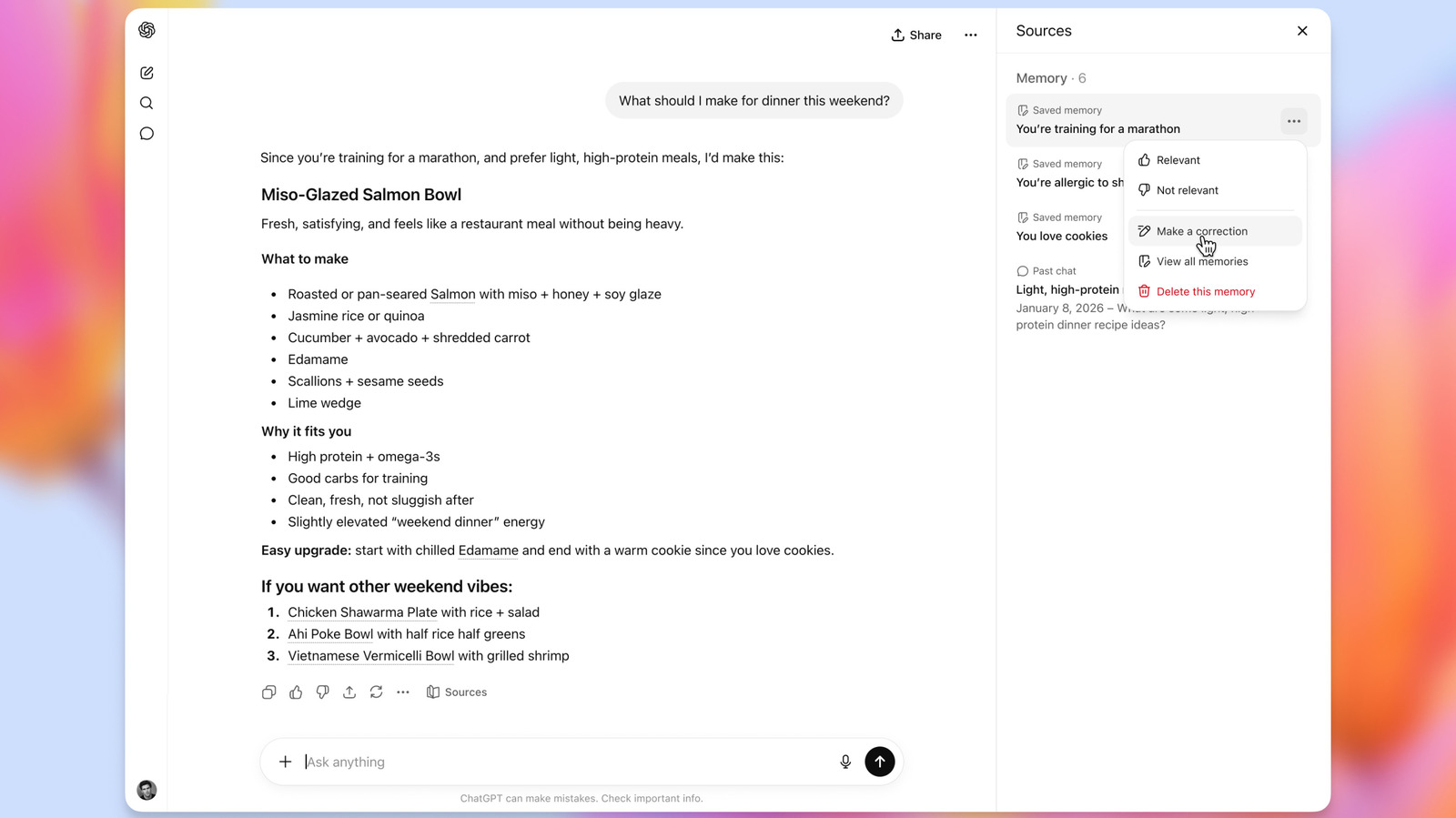
A smaller model running locally could handle sensitive data and routine work locally, such as financial records, health information and personal files. More complicated work that requires the capabilities of a larger AI model could still be sent to a server.
Today we’re announcing that hybrid agentic inference is coming to Perplexity Computer.
Computer can split tasks between a local model running on your machine and frontier models in the cloud. This keeps private data on your device and maximizes token efficiency.
Coming soon. pic.twitter.com/6t3PrmI1FX
— Perplexity (@perplexity_ai) June 2, 2026
Perplexity says its system will make that decision automatically, breaking a larger task into smaller parts and routing each one to the appropriate place. Users won’t need to choose between a local model and a cloud-based model before getting started.
Personal Computer is currently available through Perplexity’s Mac app. It expands the company’s existing Computer agent with features including local file editing, computer use and browsing through Perplexity’s Comet browser. Perplexity also said that Personal Computer is coming to Windows.
Although the current app is available on Mac, Perplexity is pitching the underlying technology as a broader system that can work across different types of hardware. The company said it unveiled the system with Intel and that the same framework runs on other local silicon, including Nvidia’s RTX Spark platform.
Moving more work onto users’ devices could also reduce the amount of expensive cloud computing required to complete AI tasks. Perplexity argues that routine work shouldn’t consume the same data center resources as a request that genuinely needs one of the most capable AI models.

Stephan is the sports journalist for the Maple Grove Report.