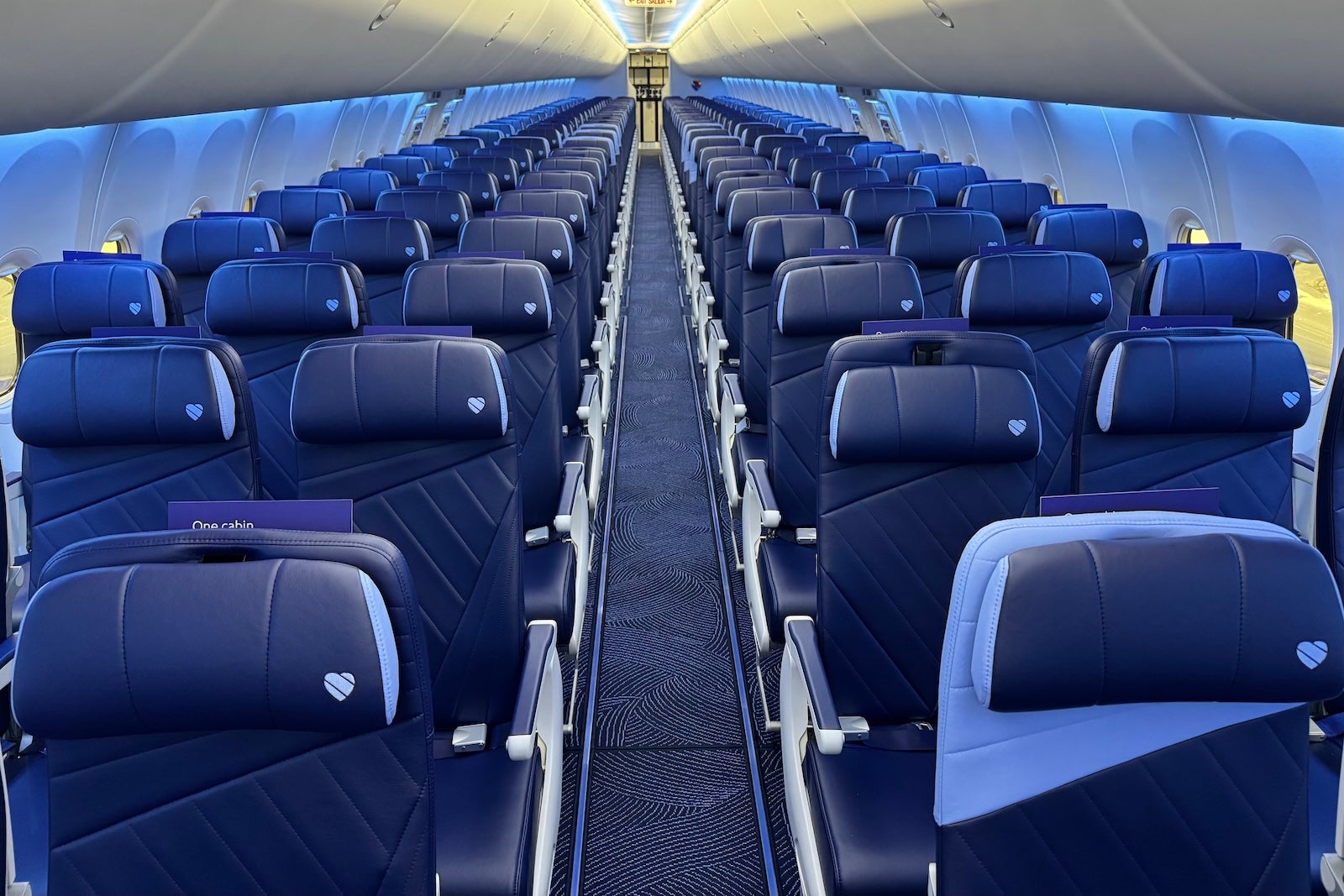

Southwest Airlines is getting ready to switch on high-speed Starlink inflight connectivity.
The first aircraft equipped with the free and ultra-fast Wi-Fi, a Boeing 737-800, will enter service by the end of June, Southwest chief customer and brand officer Tony Roach said at an industry conference this weekend.
It’s a major step forward for the Dallas-based carrier’s on-board internet offerings, and the move comes just months after Southwest made its existing service free to all members of its Rapid Rewards loyalty program.
How quickly will Southwest passengers see the upgraded Wi-Fi?
“We have the capability to get to up to 300 [planes] by the end of the year but, at this point in time, it’s more of the pacing on Starlink — when we can get the kits — we’ll be putting them on the aircraft,” Roach said, speaking Saturday at the International Air Transport Association’s general meeting in Brazil.
A growing number of US airlines with Wi-Fi
With its debut, Southwest joins Alaska Airlines and its brand Hawaiian Airlines, boutique air carrier JSX and United Airlines offering Starlink connectivity on its planes in the U.S. Most recently, American Airlines announced plans to add the inflight Wi-Fi service to its Airbus jets beginning in 2027.
Fast inflight connectivity is an increasingly critical amenity for airlines as they compete for customers. The number of “dark” flights — or those without Wi-Fi — is rapidly shrinking, as consumers now expect connectivity options while airborne.
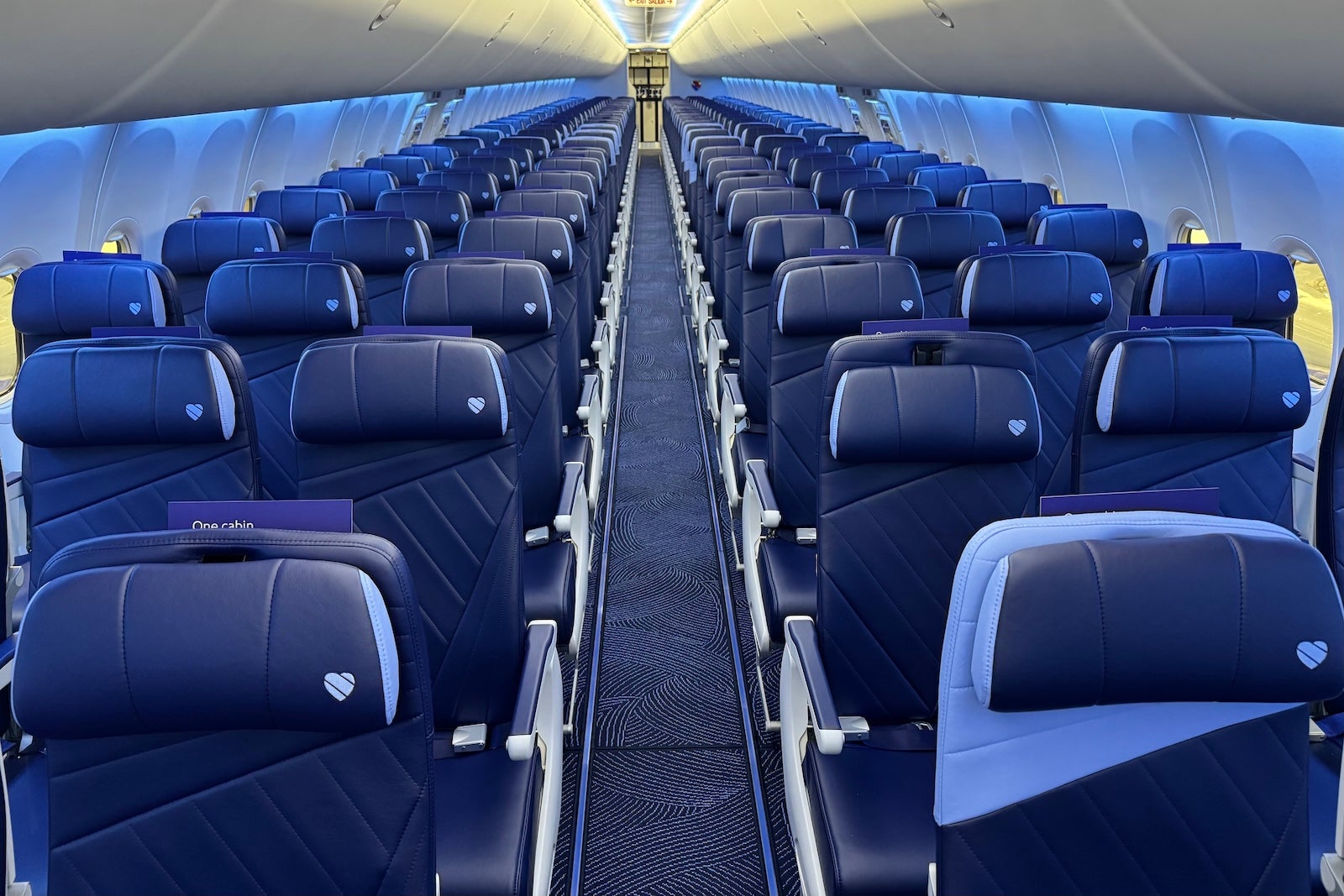
“The bar now is customers want very fast Wi-Fi,” Andrew Watterson, the chief operating officer of Southwest, said. “Starlink has set the bar for how fast Wi-Fi should be on an aircraft, so you must meet that bar.”
Free Wi-Fi: The new perk airlines can’t add fast enough

Reward your inbox with the TPG Daily newsletter
Join over 700,000 readers for breaking news, in-depth guides and exclusive deals from TPG’s experts
A wave of change at Southwest
The debut of Starlink comes at a time of significant change for Southwest. The airline dropped its long-standing open seating policy in favor of assigned seats earlier this year and, at the same time, introduced its first premium-light product: extra-legroom seats. Last year, the airline began charging for checked bags.
And Southwest CEO Bob Jordan has repeatedly said the carrier is considering the addition of intercontinental routes, a network of airport lounges and a U.S. domestic first-class product for its planes.
While Southwest has confirmed plans to upgrade Starlink on some 300 planes, the carrier has not yet announced technological upgrades for the rest of its 800-aircraft-strong fleet, Roach said. He described the airline’s current approach to high-speed Wi-Fi as “exploratory.”
“We’re exploring different vendors that provide that type of experience,” he said.
Bottom line
Amazon Leo is Starlink’s primary competitor, offering high-speed inflight connectivity. Delta Air Lines in March unveiled a deal to equip 500 aircraft with the Amazon product. JetBlue is also adding Amazon’s tech to some of its jets.
Southwest’s current inflight connectivity providers are Anuvu and Viasat. Planes equipped with the former’s older technology are prioritized for Starlink installations.
Related reading:

Stacie Harris is a local resident and reporter of the Maple Grove area. Stacie reports on medicine and science for the Maple Grove Report.