
It looks like passenger protections are about to get even stronger for travelers flying in Europe.
This week, leaders in the European Union agreed to a series of updates to the decades-old provision known as “EU261.” The changes could make it easier to get compensated when your flight gets delayed or canceled.
Under the framework passed this week, airlines would have to alert passengers when they may be owed cash compensation for flight disruptions and provide clear instructions on how to get paid.
The rules would also require airlines to be more diligent about rerouting passengers when a flight is canceled.
EU261 details
Who is covered by EU261?
EU261 protections apply to:
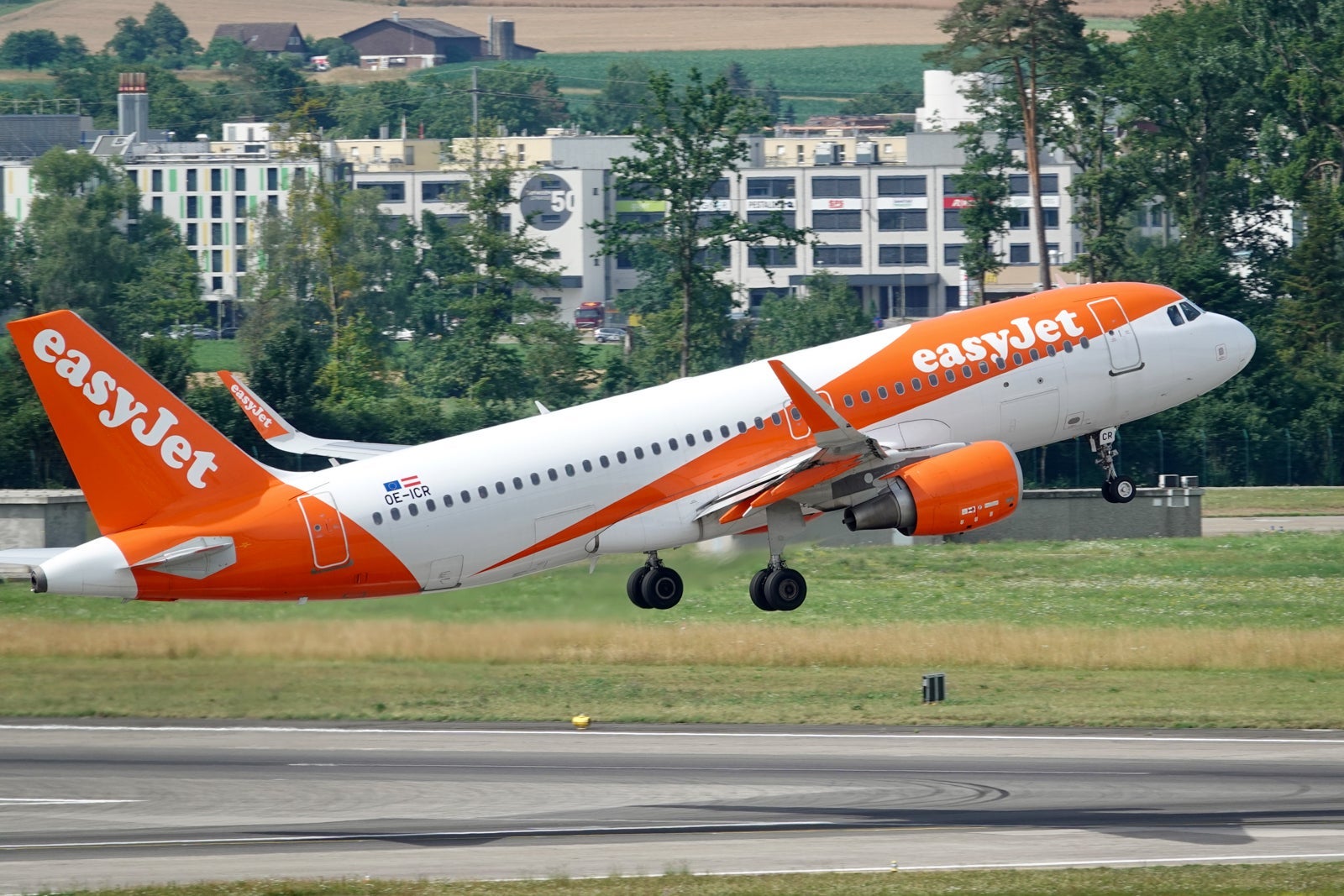
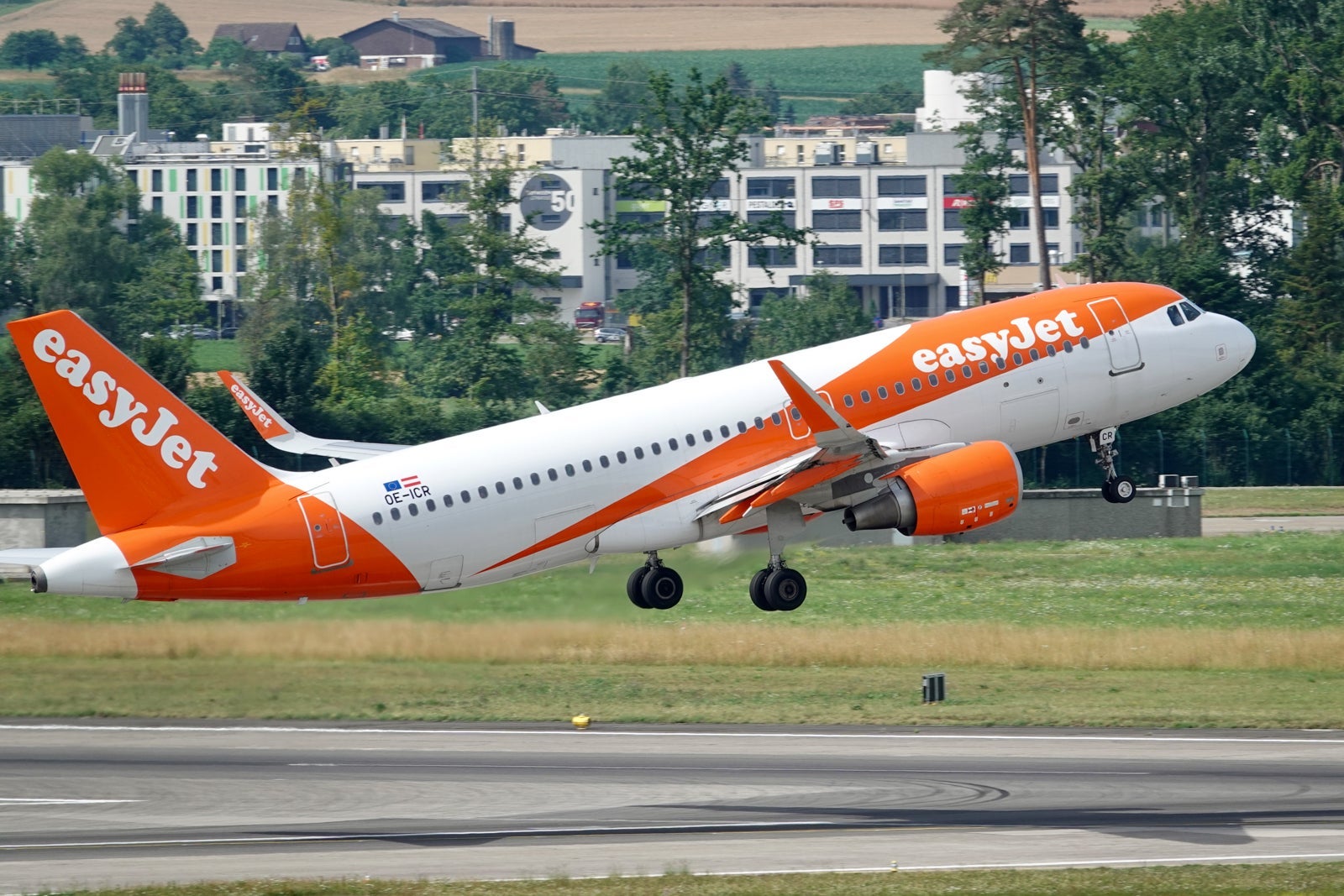
- All passengers flying within the EU (like on Ryanair from Dublin to Split, Croatia)
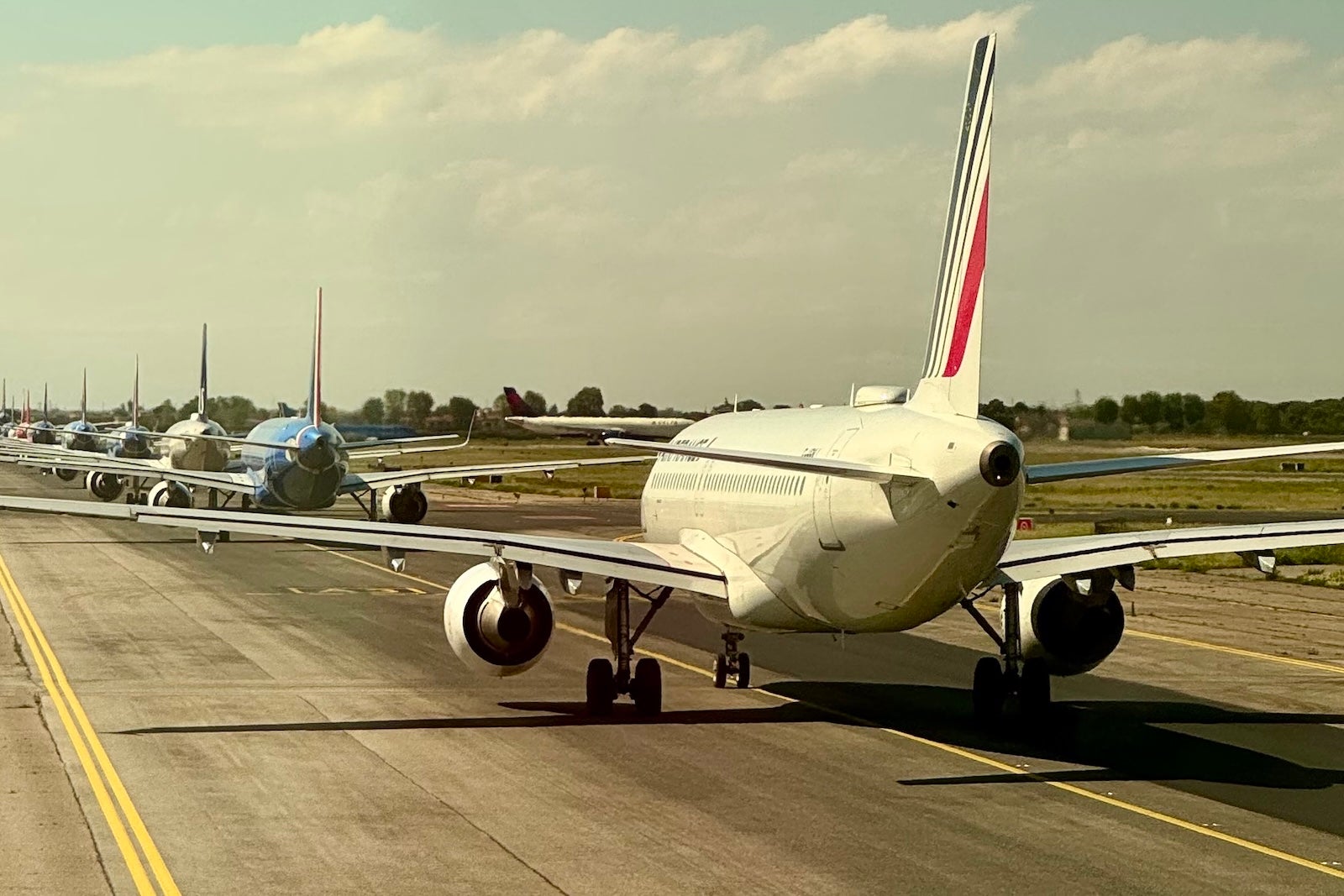
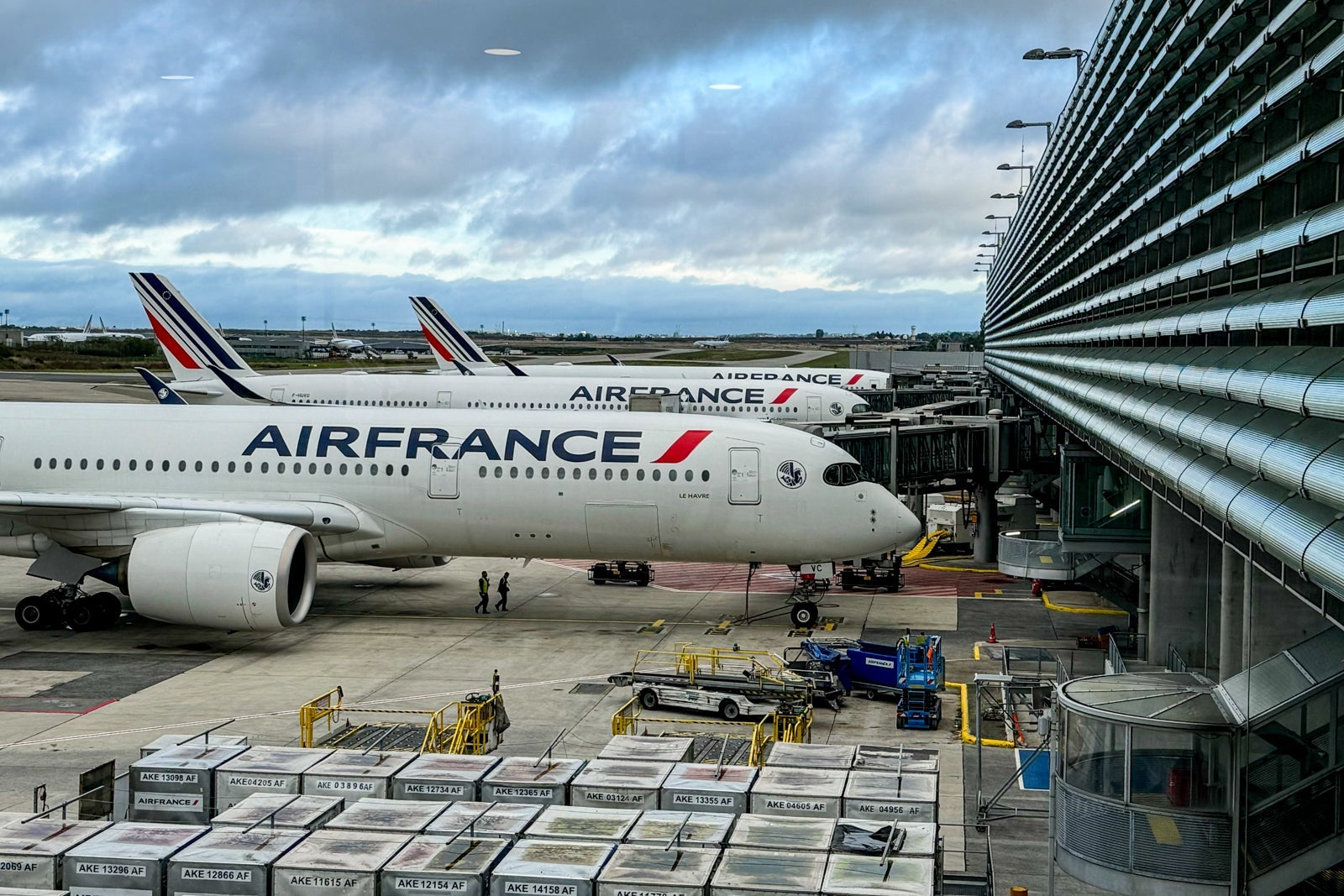
- Passengers flying to the EU on an EU airline (like on Air France from New York City to Paris)
- Passengers flying from the EU on any airline (including, for instance, American Airlines from Rome to Charlotte)
Who is owed compensation, and how much?
Under the EU protections, passengers can claim cash compensation when they run into flight trouble that’s the airline’s responsibility.
Finally, some better news about airfare: Our tips for booking as flight prices cool (a little)
How bad does the disruption have to be?
- A flight arrives three hours late or more
- A flight is canceled fewer than 14 days before departure

Reward your inbox with the TPG Daily newsletter
Join over 700,000 readers for breaking news, in-depth guides and exclusive deals from TPG’s experts
How much money are you owed?
The cash compensation amounts you can receive will not change:
| Flight distance | Amount |
|---|---|
|
Flights up to 1,500 kilometers
|
250 euros (about $289) |
|
All intra-Europe flights between 1,500 and 3,500 kilometers
|
400 euros (about $463) |
|
600 euros (about $695) |
Big changes to know: Better communication, easier ways to get compensated
The EU’s planned changes to passenger rights would essentially require airlines to be much more transparent about when passengers are owed money and how to claim compensation.
Compensation rules stepped up
- The airline will have to notify you that you may be owed compensation, and provide clear instructions on how to submit for it. This will be required within four days of your arrival at your destination.
- The airlines have to immediately acknowledge they received your claim, then pay you within 30 days, or provide a clear justification for why it’s refusing.
Read more: Flight delayed or canceled? Heres’s what to do
Cancellation rerouting
If your flight is canceled, the airline must offer you rerouting within three hours.
If it doesn’t, you’ll be eligible to arrange to reroute yourself and claim reimbursement up to 400% of the original ticket price (i.e. up to $800 on a ticket that was originally $200).
When do the protections not apply?
Airlines do not have to compensate you when there’s an “extraordinary circumstance” beyond the carrier’s control (such as a major weather event).
If the carrier denies your claim for compensation, it will have to cite the circumstances.
Other changes to know
The EU air travel agreement would also bar airlines from denying you boarding on your return leg if you no-showed on the first leg of the trip.
Plus, leaders clarified exactly what other non-cash protections passengers are owed during a travel disruption, including:
- Refreshments every two hours during a delay.
- Passenger meals after three hours and every five hours after that (up to three per day).
- Hotel accommodations and ground transportation to and from the hotel if passengers are stranded overnight; if the carrier doesn’t make the arrangements, travelers can do it themselves and then request reimbursement.
Still needs to be formally passed
These new protections technically aren’t a done deal just yet. The agreement must still be formally passed by the European Parliament and the EU Council.
The global airline industry criticized the changes.
In a statement this week, the International Air Transport Association said the updates “stopped short of the meaningful reform” needed to address “deep flaws” in existing rules.
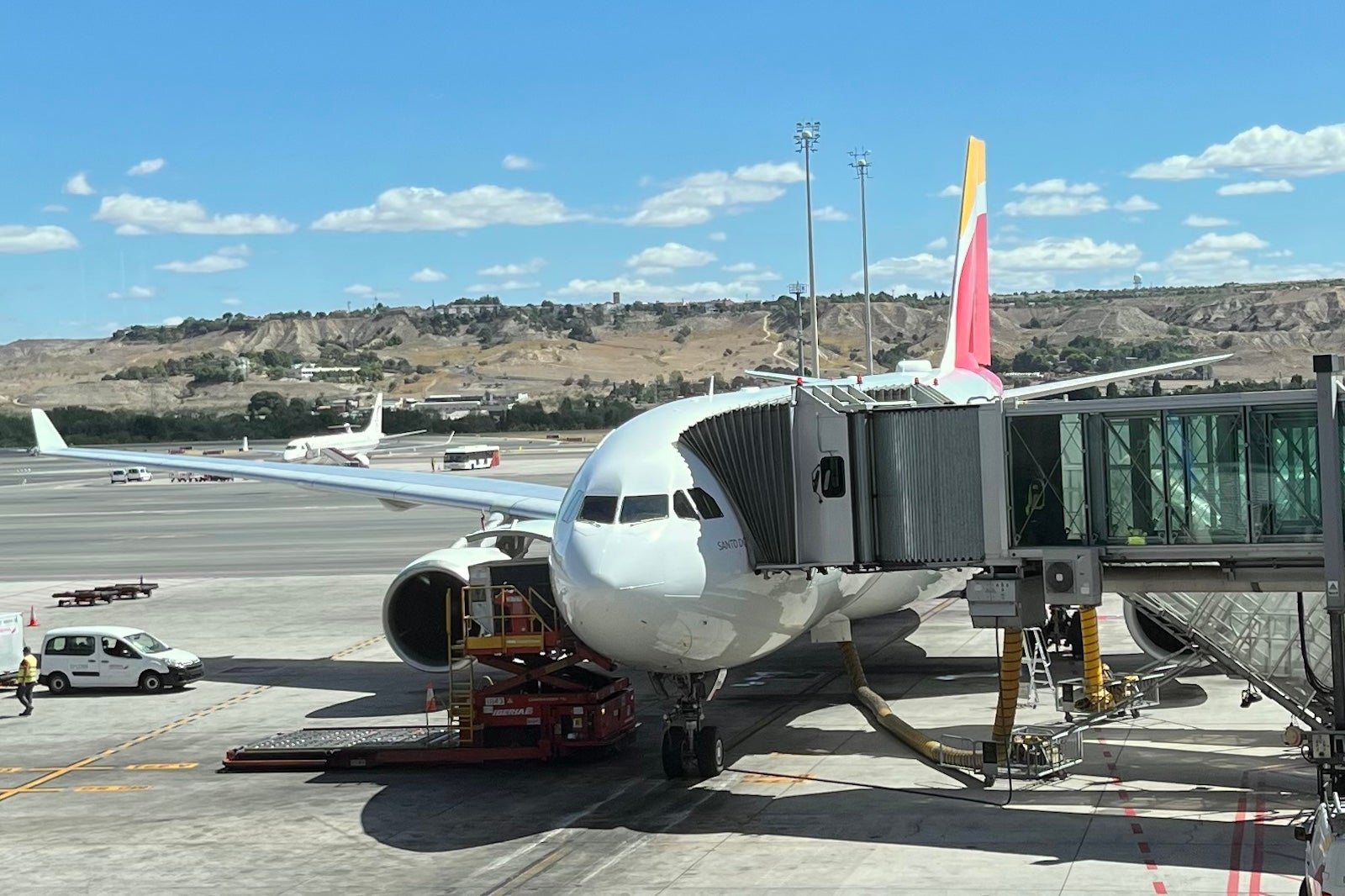
EU leaders, meanwhile, said these protections would offer passengers “simpler, cleaner and stronger rights.”
Far stronger protections than what the US has
Keep in mind that overall, these passenger protections go well beyond anything offered to travelers here in the U.S.
The U.S. government requires airlines to issue refunds to passengers if their flight is canceled or significantly delayed — that is, if they choose not to fly.
The Biden administration had proposed delay compensation that would have brought U.S. regulations roughly in line with those in the EU, but the Trump administration opted not to finalize those rules.
That said, U.S. travelers can seek compensation under these EU rules. For instance, if you’re hopping around Europe on a short-haul EU flight, you could be owed a few hundred dollars if you encounter an eligible travel disruption.
Plus, if you’re flying from the U.S. to the EU on a carrier like Air France, Lufthansa, KLM or others, you could be eligible for close to $700 if you run into a major delay. And you’d be owed the same on your way from the EU back to the U.S., even if you’re on an American carrier like Delta Air Lines, United Airlines or American Airlines.
Bottom line
The changes that the EU outlined this week aren’t a wholesale change of passenger rights. Instead, the EU is more or less firming up the rules that were already in place to make it easier for passengers to know when they deserve compensation — and how to actually get that money.
The EU this week also outlined changes to how airlines can advertise fares, baggage allowance and cost. We’ll dig into what that means for passengers soon.
Related reading:

Stacie Harris is a local resident and reporter of the Maple Grove area. Stacie reports on medicine and science for the Maple Grove Report.