Medically reviewed by Kayla Girgen, RD
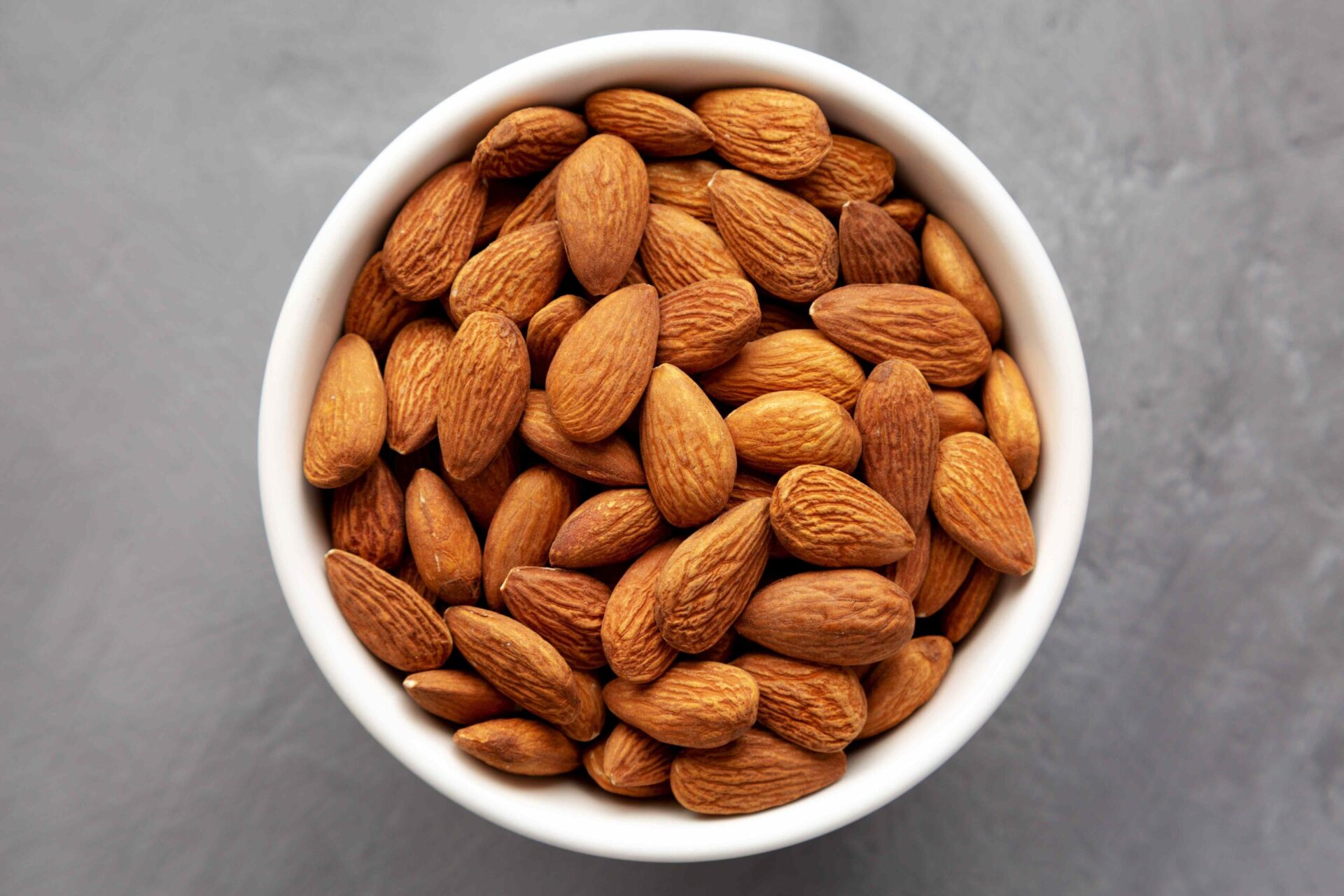
:max_bytes(150000):strip_icc():format(jpeg)/Health-GettyImages-2070192445-453b98f3157b4a279b7d991cee62bdfd.jpg "A bowl filled with almonds")
Credit: Liudmyla Chuhunova / Getty Images
- Snacking on almonds regularly can be a simple, heart-healthy habit.
- Their mix of healthy fats, fiber, antioxidants, and other key nutrients work together to support your cholesterol, blood pressure, weight, and overall heart function.
- While no single food can prevent heart disease, adding almonds to a balanced diet may help protect your heart in the long run.
Snacking on almonds regularly may do more than curb your hunger. It can also support your heart in several important ways. Here’s how this simple habit may impact your heart health.
1. May Help Lower 'Bad' Cholesterol
Almonds are rich in monounsaturated fats, which help develop and maintain your cells. This type of fat can also help lower low-density lipoprotein (LDL), the “bad” cholesterol levels. Lower LDL levels may reduce plaque buildup in your arteries over time. This can support better blood flow and lower your risk of heart disease in the future.
2. May Help Raise 'Good' Cholesterol
In addition to lowering LDL, almonds may help maintain or slightly increase high-density lipoprotein (HDL) cholesterol. HDL cholesterol is often called “good” cholesterol because it helps remove excess cholesterol from your bloodstream. It carries that cholesterol back to your liver, where it can be broken down and removed from your body. This process helps prevent cholesterol buildup in your arteries and supports better heart health.
3. Supports Healthy Blood Pressure Levels
Almonds contain magnesium, a mineral that helps relax your blood vessels. Magnesium may help lower your blood pressure, especially among people with high blood pressure or low magnesium levels.
Research shows magnesium can lead to small but meaningful reductions in both systolic (top number) and diastolic (bottom number) blood pressure. These effects may be stronger in people already being treated for high blood pressure.
4. Offers a Boost of Antioxidants
Almonds are a good source of vitamin E, an antioxidant that helps protect your cells. Antioxidants reduce oxidative stress. This means that antioxidants protect cells from the damaging effects of free radicals, which can damage cells and might contribute to the development of heart disease. This protection supports healthier blood vessels over time.
5. Helps Support Healthy Blood Sugar Levels
Almonds are low in carbs and high in fiber, which helps slow how quickly sugar enters your bloodstream after you eat. This can prevent sudden spikes and crashes in your blood sugar levels. Over time, keeping blood sugar stable may help protect your blood vessels from damage, which promotes good circulation and heart function. This may also help lower your risk of heart disease.
6. Supports Weight Management
Almonds are filling, thanks to their combination of protein, fiber, and healthy fats. These nutrients slow digestion and help you feel satisfied for longer after eating. As a result, you may be less likely to snack mindlessly or overeat later in the day. This can help reduce your overall calorie intake without you feeling deprived of food. These small changes can support healthy weight management over time, which supports a healthy heart.
7. Provides Fiber for Heart Health
Almonds contain dietary fiber. Fiber moves slowly through your digestive system, helping you feel full longer and preventing spikes in blood sugar. It also helps block the absorption of some fat and cholesterol, which can lower both your triglyceride and cholesterol levels. These effects can help protect your blood vessels and reduce your risk of heart disease over time.
8. May Reduce Inflammation
Inflammation is your body’s natural response to injury or infection, helping to start the healing process. Short-term, or acute, inflammation usually goes away within a few hours as your body heals. Long-term, or chronic, inflammation plays a role in heart disease by damaging blood vessels and contributing to plaque buildup over time.
The nutrients and antioxidants in almonds, including vitamin E, may help lower inflammation levels in the body. This can help protect the lining of your blood vessels and support smoother blood flow. Over time, reducing inflammation may help keep your arteries more flexible and lower your risk of heart-related conditions.