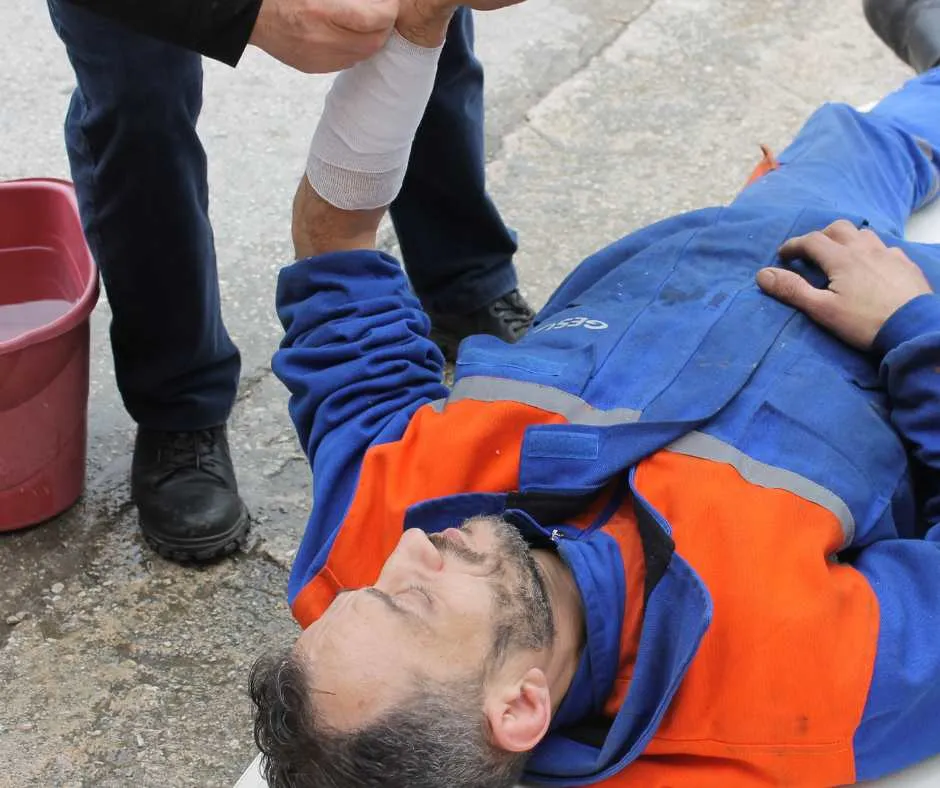
Small business owners often handle many responsibilities, including maintaining workplace safety. Accidents can occur in offices, shops, factories, and other business settings, causing harm to employees and, in some cases, customers.
The events that lead to workplace accidents often occur unexpectedly. However, through caution and the application of preventive measures, organizations can limit physical and health risks. Read on to discover five efficient ways to reduce the occurrence of workplace accidents.
Key Takeaways
|
Provide Comprehensive Safety Training

Some occupational hazards can incapacitate workers, leaving the business with insufficient human resources. In some cases, the events that cause harm result from a knowledge gap. For example, staff may mishandle chemical cleaning agents, leading to exposure to these substances.
Comprehensive training on safety procedures, equipment use, and general conduct is necessary to enlighten staff on safe practices. For this reason, businesses must conduct onboarding and refresher training at intervals.
Conduct Regular Workplace Inspections
Common hazards in office spaces include wet floors, dangling cables, old furniture, and improperly placed fixtures. These issues may go unnoticed during daily activities and pose safety risks if left unchecked.
Hence, businesses need environmental or safety officers who regularly monitor the workspace. If the business lacks the funds to hire a safety officer, the owner can conduct safety monitoring or assign the role to department heads.
Maintain Equipment and Tools
Besides environmental inspections, officials in charge should closely monitor the state and use of equipment. With continued usage, tools may begin to malfunction or develop issues. Failure to identify such problems on time may lead to accidents and damage.
For instance, in a bakery, an oven may overheat due to a thermostat failure, releasing excessive steam that burns the operator. To prevent such incidents, technicians must periodically check electrical systems, business tools, and equipment to perform preventive maintenance.
Supply Appropriate Safety Gear
Businesses under the healthcare, manufacturing, construction, and other high-risk sectors should equip their workers with safety gear. Examples of some safety gear include:
- Helmets
- Safety glasses
- Masks
- Workgloves
- Earmuffs
These personal protective elements serve as barriers between their wearers and potential dangers, such as harmful substances, infectious materials, and sharp objects. The nature of the job will determine which items business owners should provide.
Encourage Employees to Report Hazards
Staff are often the first to notice potential safety threats, as they constantly operate in the office environment. They must be aware of the need to report any possible dangers they observe. This way, it becomes easier to address issues before they harm anyone.
Business owners must also encourage employees to report workplace accidents. If this happens, management should document the incident, provide medical assistance, and investigate the situation. Failure to do so often creates legal complications, as staff may file lawsuits seeking compensation for employee injuries.
Endnote
Every day, staff face potential dangers at work. If an occupational hazard occurs, people may sustain injuries, affecting their health and productivity. To avoid these, businesses should conduct safety training, inspect the environment, maintain equipment, provide safety items, and train employees on reporting procedures.
Frequently Asked Questions
Why is workplace safety training important for small businesses?
Workplace safety training helps employees understand safety procedures, equipment use, and safe work practices. Regular onboarding and refresher training can reduce occupational hazards, prevent workplace accidents, and improve overall workplace safety.
How can regular workplace inspections reduce workplace accidents?
Regular workplace inspections help identify hazards such as wet floors, dangling cables, old furniture, and malfunctioning equipment before they cause harm. Addressing these issues early reduces safety risks and creates a safer work environment.
What should employees do when they identify a workplace hazard?
Employees should report any potential safety threats or workplace accidents as soon as they are identified. Early reporting allows management to address hazards, provide medical assistance when necessary, investigate incidents, and help prevent future accidents.