Hubble catches rare view of a comet crumbling


NASA and ESA have released new images from the Hubble Space Telescope of a comet breaking up as it exits the solar system, captured as part of study recently published in the journal Icarus. The images are notable not only because they offer a more detailed view of the inside of a comet, which could offer new information about the early days of the universe, but also because they were taken by accident.

Photographing K1, or “Comet C/2025 K1” as it’s officially known, wasn’t the original intention of the study. “This comet [was] observed because our original comet was not viewable due to some new technical constraints after we won our proposal,” John Noonan, a research professor in the Department of Physics at Auburn University in Alabama said. “We had to find a new target — and right when we observed it, it happened to break apart, which is the slimmest of slim chances.”

The comet broke up over a period of days into “at least four pieces,” each with a “fuzzy envelope of gas and dust” around them, with Hubble specifically capturing the disassembly from November 8 through November 10, 2025. K1 was interesting before it started to crumble because at “around 8 kilometers across” (about 5 miles), it’s larger than the average comet, and having footage of it shattering will likely offer new insights into the physics of comets in general. Additionally, the lack of carbon in the gases released by the comet as it broke is apparently “chemically very strange,” which suggests the composition of K1 could bear scientific fruit, too.

Hubble has tracked comets of different sizes and compositions for years. Studying them remains a focus because comets are frequently made of ice and rock from the primordial period when solar systems were first forming. The ESA hopes to dramatically expand our understanding of that period with its “Comet Interceptor” mission, which is supposed to launch in 2028 or 2029, and aims to use photos captured from multiple angles to create a 3D model of a comet.


Source link

Leave a Reply

Subscribe to Our Newsletter

Get our latest articles delivered straight to your inbox. No spam, we promise.

Recent Reviews


Chalk up a win for creative artists against AI companies. On Wednesday, the UK government abandoned its previous position on copyrighted works. It’s currently working on a data bill that, if unaltered, would have allowed AI companies like Google and OpenAI to train models on copyrighted materials without consent. Artists and other copyright holders would only have been offered a mere opt-out clause.

After significant backlash, the UK backed off from that position. “We have listened,” Technology Secretary Liz Kendall said on Wednesday. However, the government’s new stance is, well, not a stance at all. It currently “no longer has a preferred option” about how to handle the issue.

Still, backpedaling from its previous position is viewed as a win for artists. UK Music CEO Tom Kiehl described the decision as “a major victory,” while promising to work with the government on the next steps.

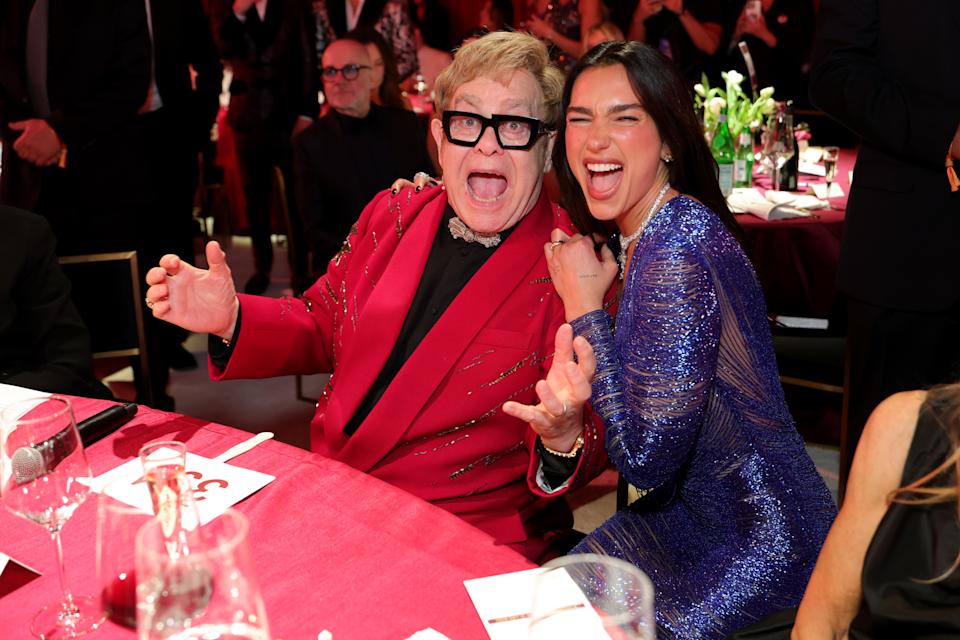
WEST HOLLYWOOD, CALIFORNIA - MARCH 15: (Exclusive Coverage) (L-R) Elton John and Dua Lipa attend Elton John AIDS Foundation's 34th Annual Academy Awards Viewing Party on March 15, 2026 in West Hollywood, California. (Photo by Kevin Mazur/Getty Images for Elton John AIDS Foundation)

Elton John and Dua Lipa spoke out against the government’s previous stance. (Photo by Kevin Mazur/Getty Images for Elton John AIDS Foundation) (Kevin Mazur via Getty Images)

Last year, some of Britain’s highest-profile artists objected to the government’s position. Sir Elton John and Dua Lipa were among those speaking out. Even Sir Paul McCartney weighed in, warning that the AI industry could “rip off” artists and lead to a “loss of creativity.”

“You get young guys, girls, coming up, and they write a beautiful song, and they don’t own it, and they don’t have anything to do with it,” McCartney told the BBC in 2025. “And anyone who wants can just rip it off. The truth is, the money’s going somewhere… somebody’s getting paid.”

The government will now weigh its options, taking “the time needed” to balance the wishes of artists and the tech industry. “We will not introduce reforms to copyright law until we are confident that they will meet our objectives for the economy and UK citizens,” it wrote in a report. “This means protecting the UK’s position as a creative powerhouse, while unlocking the extraordinary potential of AI to grow the economy and improve lives.”

“Any reform must ensure that right holders can be fairly rewarded for the economic value their work creates, and that they are protected against unlawful and unfair use of their work. It must also ensure that AI developers can access high-quality content.”


Source link