Somehow, Apple’s Brand-New MacBook Is Cheaper Than Its Brand-New Headphones


Apple is full of surprises lately. 

Last week, the company released its cheapest laptop ever, the MacBook Neo, priced at $499 for students with Apple’s education discount. (Non-education folk will pay $599 for the colorful budget machine.)

But just five days after Neo arrived, Apple made an unexpected announcement: Its most expensive over-the-ear headphones are getting a new chip. The AirPods Max 2 will go on sale March 25 for $549. That means it’s more costly for a student to buy these headphones than it is to buy a MacBook. (Alas, Apple doesn’t offer an education discount on AirPods.)

Watch this: Apple Surprises With AirPods Max 2 (and Why Does MacBook Neo Cost Less?)

When the cost for Apple’s headphones rivals that of a Mac machine, it’s clear we’re in new territory. How can a MacBook be that cheap? And why do the AirPods Max cost that much

In today’s episode of One More Thing, which you can watch in the video embedded above, I go over the new features of the AirPods Max 2 and put some of the pricing into perspective to help sort it out. Plus, there are other things to consider when it comes to where each of the products sit in Apple’s lineup. It’s also worth noting the lengths Apple went to cut costs on the laptop.

And if you’re wishing Apple had more for the Max 2, consider that the tech giant could be more focused on another kind of AirPod coming later.

Meanwhile, Apple stores around the world are hosting surprise events to celebrate Apple’s 50th anniversary. It all started last Friday, when I experienced some of that surprise and delight myself at an Alicia Keys concert inside New York’s Grand Central Terminal

Maybe you’ll run into some Apple surprises of your own this year. If you do capture some fun, send me a note. I’d love to share your videos on a future episode.

For more One More Thing, subscribe to our YouTube page to catch Bridget Carey breaking down the latest Apple news and issues every Friday.


Source link

Leave a Reply

Subscribe to Our Newsletter

Get our latest articles delivered straight to your inbox. No spam, we promise.

Recent Reviews


Chalk up a win for creative artists against AI companies. On Wednesday, the UK government abandoned its previous position on copyrighted works. It’s currently working on a data bill that, if unaltered, would have allowed AI companies like Google and OpenAI to train models on copyrighted materials without consent. Artists and other copyright holders would only have been offered a mere opt-out clause.

After significant backlash, the UK backed off from that position. “We have listened,” Technology Secretary Liz Kendall said on Wednesday. However, the government’s new stance is, well, not a stance at all. It currently “no longer has a preferred option” about how to handle the issue.

Still, backpedaling from its previous position is viewed as a win for artists. UK Music CEO Tom Kiehl described the decision as “a major victory,” while promising to work with the government on the next steps.

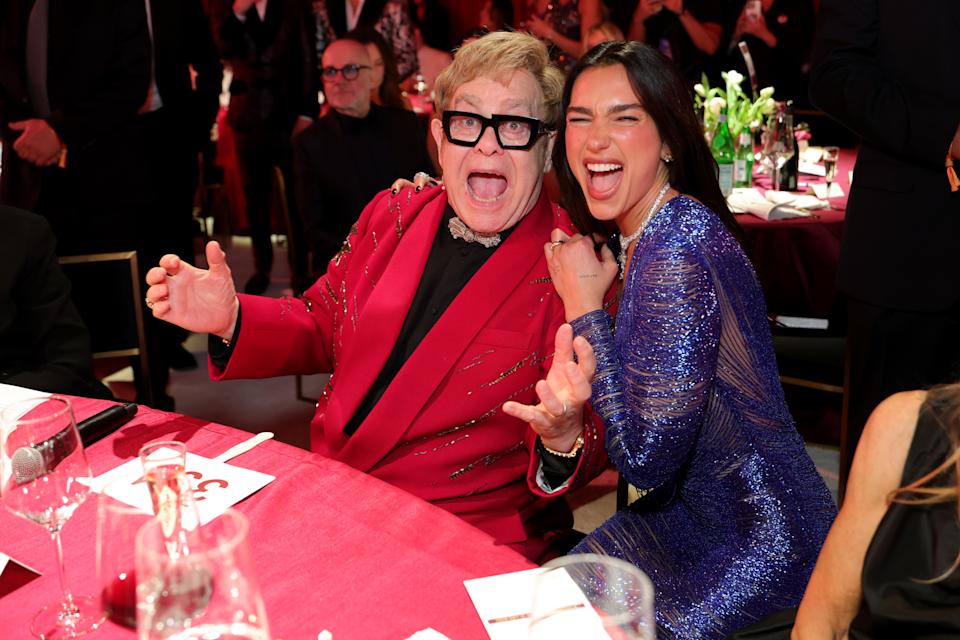
WEST HOLLYWOOD, CALIFORNIA - MARCH 15: (Exclusive Coverage) (L-R) Elton John and Dua Lipa attend Elton John AIDS Foundation's 34th Annual Academy Awards Viewing Party on March 15, 2026 in West Hollywood, California. (Photo by Kevin Mazur/Getty Images for Elton John AIDS Foundation)

Elton John and Dua Lipa spoke out against the government’s previous stance. (Photo by Kevin Mazur/Getty Images for Elton John AIDS Foundation) (Kevin Mazur via Getty Images)

Last year, some of Britain’s highest-profile artists objected to the government’s position. Sir Elton John and Dua Lipa were among those speaking out. Even Sir Paul McCartney weighed in, warning that the AI industry could “rip off” artists and lead to a “loss of creativity.”

“You get young guys, girls, coming up, and they write a beautiful song, and they don’t own it, and they don’t have anything to do with it,” McCartney told the BBC in 2025. “And anyone who wants can just rip it off. The truth is, the money’s going somewhere… somebody’s getting paid.”

The government will now weigh its options, taking “the time needed” to balance the wishes of artists and the tech industry. “We will not introduce reforms to copyright law until we are confident that they will meet our objectives for the economy and UK citizens,” it wrote in a report. “This means protecting the UK’s position as a creative powerhouse, while unlocking the extraordinary potential of AI to grow the economy and improve lives.”

“Any reform must ensure that right holders can be fairly rewarded for the economic value their work creates, and that they are protected against unlawful and unfair use of their work. It must also ensure that AI developers can access high-quality content.”


Source link