:max_bytes(150000):strip_icc():format(jpeg)/Health-GettyImages-Ube-fcc0b5e4af514d3c8c43c3cd0ea81bf6.jpg "Mashed purple sweet potato in a bowl with parsley on wooden background")
- Ube contains anthocyanins, antioxidants that help reduce oxidative stress and support heart health.
- Ube provides fiber and resistant starch, which support gut bacteria and digestive health.
- Eating ube may support blood sugar and weight management by slowing carbohydrate digestion and absorption.
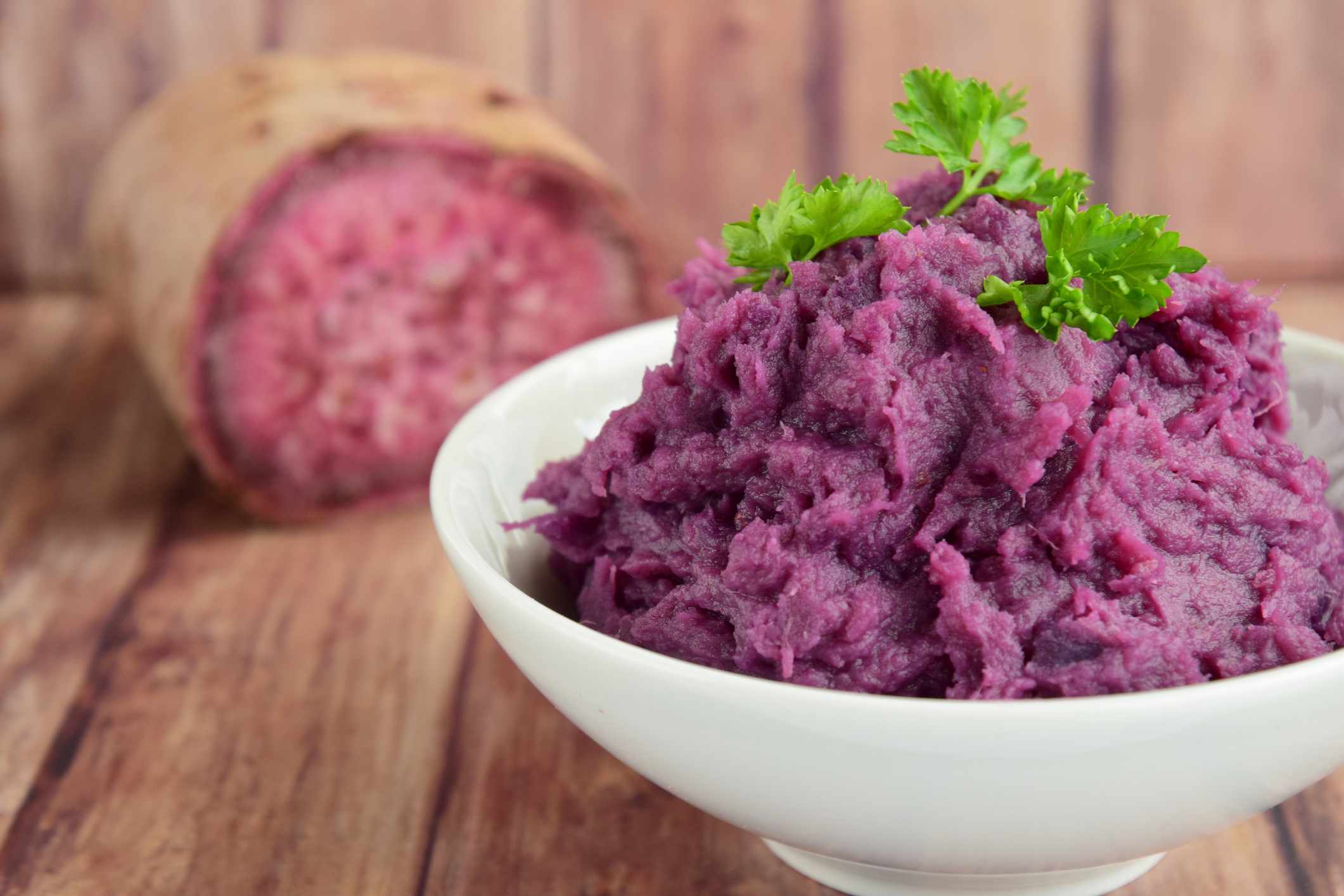
Ube is a purple yam commonly used in Filipino cuisine. It has a subtle sweetness and offers a mix of fiber, antioxidants, and essential nutrients to support your health.
1. It's Rich in Antioxidants
Ube’s deep purple color comes from anthocyanins, a type of antioxidant also found in berries and red cabbage. Antioxidants help reduce free radicals in the body, which can damage cells and contribute to oxidative stress.
Diets rich in foods that contain anthocyanins may improve heart health and help lower inflammation. Studies suggest that eating a variety of these brightly colored plants can support antioxidant levels and lower risk factors for cardiovascular disease.
2. It May Support Gut Health
Ube contains fiber and resistant starch, both of which support healthy gut function. Resistant starch is a type of carbohydrate that reaches the large intestine intact, where it’s fermented by gut bacteria. This fermentation process produces short-chain fatty acids (SCFAs which help support the integrity of the gut lining and maintain healthy inflammation levels in the colon.
Some lab research suggests that resistant starch from purple yams may promote the growth of certain strains of beneficial bacteria. The fiber in ube can also support regular bowel movements and a more diverse gut microbiome.
3. It May Help Balance Blood Sugar
Although ube tastes naturally sweet, its fiber and resistant starch content may help keep blood sugar steadier. Studies show resistant starch can lower post-meal blood sugar and insulin responses by slowing carbohydrate digestion and absorption.
Some research also suggests that consistently eating foods with anthocyanins can improve markers of blood sugar control, including fasting glucose and insulin resistance.
Pairing ube with protein or healthy fats can further reduce post-meal blood sugar spikes by slowing gastric emptying and how quickly glucose enters the bloodstream.
4. It Provides Essential Vitamins and Minerals
Ube contains several vitamins and minerals that support health, including vitamin C, vitamin A, and potassium:
- Vitamin C supports skin health, immune function, and acts as an antioxidant.
- Vitamin A supports vision and immune health.
- Potassium helps regulate fluid balance, balances sodium levels, and supports nerve and muscle function.
While ube isn’t a significant source of any single nutrient, it contributes to overall nutrient intake.
5. It May Support Heart Health
Ube contains several compounds that influence important markers of cardiovascular health, including blood pressure, cholesterol, and vascular function.
The fiber in ube may also support healthy cholesterol levels. High fiber intake is associated with lower LDL ("bad") cholesterol levels and a reduced risk of heart disease.
The potassium in Ube may also help support healthy blood pressure. Higher potassium intake has been consistently associated with lower blood pressure by promoting sodium excretion and relaxing blood vessels.
6. It May Support Brain Health
The antioxidants found in ube may also help lower oxidative stress and inflammation in the brain. A 2025 systematic review and meta-analysis found that dietary sources of anthocyanins were linked to improved attention, executive function, and memory.
Anthocyanin supplementation is also associated with improved cognitive function in adults with elevated inflammation. This may be partly due to improved blood flow to the brain and better signaling between brain cells.
7. It May Help With Weight Management
Fiber can help support satiety and appetite regulation. Fiber slows digestion and helps you feel more satisfied between meals, which could help limit snacking or extra calorie intake.
Resistant starch may also help increase feelings of fullness and influence weight loss by positively influencing the gut microbiome. Resistant starch consumption can increase satiety, which may help reduce calorie intake at the next meal.
Nutrition Facts
A 100-gram serving of ube contains approximately:
- Calories: 120
- Carbohydrates: 27 grams (g)
- Fiber: 4 g
- Protein: 1 g
- Fat: 0 g
How to Add Ube to Your Diet
Ube can be used in both sweet and savory dishes. Its naturally mild, slightly sweet flavor makes it easy to incorporate into some of your favorite meals:
- Try it mashed or roasted as a side dish, similar to sweet potatoes
- Add ube cubes to your smoothie
- Mix ube puree into your baked goods, like muffins or pancakes
- Stir ube into oatmeal to try a new flavor combination