14 Anti-Inflammatory Supplements That May Support Your Immune System


Medically reviewed by Mary Choy, PharmD

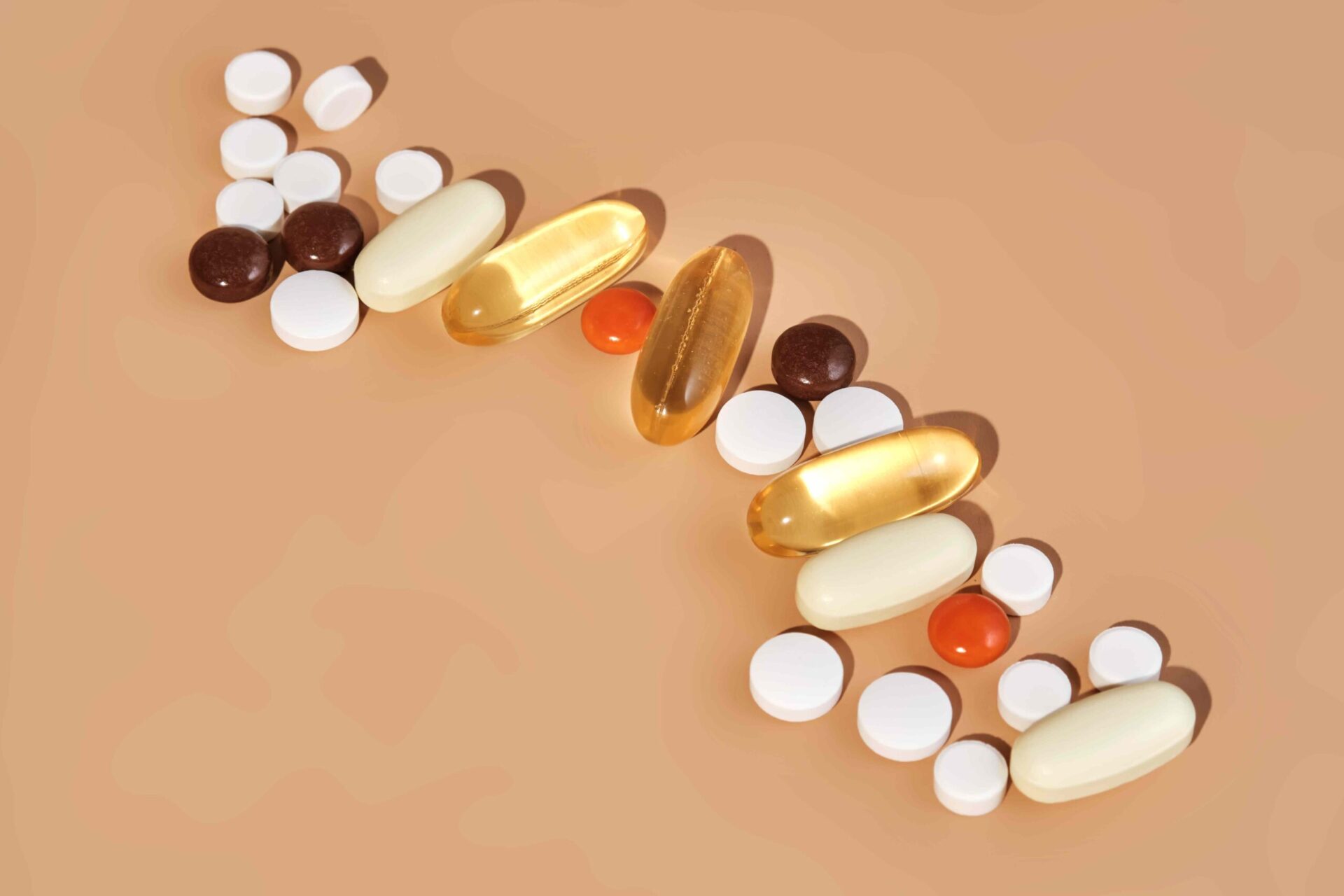
Supplements that support healthy immune system function may help reduce inflammation in the body.Credit: Mariya Borisova / Getty Images
Supplements that support healthy immune system function may help reduce inflammation in the body.
Credit: Mariya Borisova / Getty Images
  • Supplements that support immune system function may help reduce inflammation in the body.
  • Omega-3 fatty acids, vitamin C, and vitamin D are traditional supplements that may reduce inflammation
  • Supplements derived from garlic, green tea, or other functional foods may also be helpful.

Anti-inflammatory supplements like omega-3s and ginger may combat long-term inflammation, which can contribute to serious health conditions like heart disease and diabetes.

1. Omega-3 Fatty Acids

Omega-3 fatty acids can reduce inflammation and may reduce your risk of chronic conditions like diabetes and rheumatoid arthritis (RA). You can get omega-3s from foods like fatty fish and flaxseed, or by taking dietary supplements like fish oil.

There are a few different types of omega-3s, but when it comes to inflammation, it's best to focus on eicosapentaenoic acid (EPA) and docosahexaenoic acid (DHA). EPA and DHA produce substances called mediators that affect white blood cells to reduce inflammation.

Recommended dose: About 250–500 milligrams of DHA and EPA combined. Studies suggest that higher doses (3-4.8 grams daily) are more effective at reducing inflammation. Consuming more than 5 g of EPA and DHA from dietary supplements daily may be unsafe.

Possible side effects: Omega-3s are generally safe, but you may experience heartburn, headache, a change in taste (dysgeusia), nausea, diarrhea, and bad-smelling sweat. They may worsen bleeding if you take blood thinners like Coumadin (warfarin).

2. Curcumin

Curcumin is an antioxidant compound found in turmeric that can reduce inflammation and fight infection. It blocks processes that lead to inflammation, suppresses markers that signal inflammation (e.g., cytokines), and supports compounds that reduce inflammation.

Recommended dose: Up to 8,000 milligrams daily, but higher doses are not recommended long-term and may have more side effects. Most studies used curcumin supplements in doses of 250-1,500 milligrams daily over 8-12 weeks to reduce inflammation.

Possible side effects: While curcumin is generally well-tolerated, you may experience rash, diarrhea, and headache.

3. Vitamin C

Vitamin C helps fight off infections caused by bacteria and viruses. It can also reduce the levels of proteins that promote inflammation, such as tumor necrosis factor α (TNF-α) and interleukin-6 (IL-6).

Recommended dose: There is no recommended dose to fight inflammation. Some studies have used about 1,000 milligrams daily or 500 milligrams twice daily.

Possible side effects: Vitamin C supplements are generally safe and well-tolerated. Some people may experience diarrhea, nausea, and abdominal cramps.

4. Garlic

Garlic is a root plant commonly used as a spice. It is often used to manage colds and flu. Studies show that it fights inflammation by boosting the immune system and decreasing inflammatory proteins.

Recommended dose: Most studies found that doses of 400-2,560 milligrams for up to three months were effective in reducing inflammation markers.

Possible side effects: Garlic is generally safe, but it can cause bad breath, body odor, and stomach upset. Garlic supplements may increase the risk of bleeding and should be avoided when taking blood thinners.

5. Vitamin D

Vitamin D is a fat-soluble vitamin found in eggs, cheese, yogurt, milk, and beef liver. It is also naturally produced when your skin is exposed to sunlight.

Vitamin D reduces inflammatory protein levels and boosts proteins that fight inflammation. People with conditions linked to chronic inflammation, like asthma, heart disease, or chronic kidney disease, tend to have lower vitamin D levels.

Recommended dose: About 15–20 micrograms or 600–800 International Units (IU) daily. Higher doses (up to 60,000 IU) have been used to reduce inflammation. Avoid exceeding the recommended upper limit—about 4,000 IU (100 micrograms)—unless advised by a doctor. Exceeding the upper limit for a prolonged period of time can cause it to build up in your body, leading to toxicity.

Possible side effects: Vitamin D is generally safe. You may experience muscle weakness, nausea, and vomiting. Vitamin D can be toxic when consumed in very high doses (blood levels greater than 375 nanomoles per liter), leading to conditions like kidney failure, heart disease, or death.

6. Resveratrol

Resveratrol is a compound found naturally in grapes and blueberries. It has been shown to reduce inflammation, pain, and swelling.

Resveratrol decreases the secretion of inflammatory proteins. Some research suggests that it might help manage conditions like cancer, diabetes, and heart disease. More studies are needed to confirm these findings.

Recommended dose: 250-1,000 milligrams daily for up to three months. Resveratrol studies used less than 500 milligrams daily for less than 15 weeks to reduce inflammation.

Possible side effects: Resveratrol is safe when taken in the recommended amounts. Higher doses may cause stomach upset, nausea, and diarrhea. Resveratrol may not be safe for people with hormone-sensitive cancers like breast, uterine, and ovarian cancer, as it may worsen these cancers.

7. Ginger 

Ginger contains compounds called gingerol and shogaol that may be beneficial against inflammatory diseases such as rheumatoid arthritis, osteoarthritis, lupus, and inflammatory bowel disease. More studies are needed to confirm these benefits.

Recommended dose: There is no official dose for reducing inflammation. Most inflammation studies used doses of 15-750 milligrams for 3-12 weeks.

Possible side effects: Ginger is generally safe, but larger doses can cause mild diarrhea, heartburn, throat irritation, and stomach cramps.

8. Green Tea

Green tea contains epigallocatechin-3 gallate (EGCG), an anti-inflammatory compound that suppresses the expression of inflammatory proteins and enzymes.

Recommended dose: It's safe to drink up to 8 cups daily. However, individual tolerance to caffeine can vary. One study found that taking about 500 milligrams of green tea extract daily can help reduce inflammation. Daily consumption of 2 or more cups may be beneficial for chronic diseases like heart and respiratory diseases.

Possible side effects: Excessive caffeine consumption can lead to restlessness, insomnia, headaches, and dehydration. Green tea may also interfere with the effectiveness of cholesterol-lowering medications like statins. Use with caution when taking other medications.

9. Zinc 

Zinc is an important mineral found in meat, fish, grains, and dairy products that helps boost the immune system. It also helps regulate inflammatory proteins and control oxidative stress caused by harmful free radicals. Studies have found that a zinc deficiency can contribute to chronic inflammation.

Recommended dose: 11 milligrams daily for males and 8 milligrams for females. Some studies have used up to 40 milligrams daily to reduce inflammation.

Possible side effects: Zinc is generally safe, but long-term use, especially in high doses, can lead to suppressed immunity, anemia, and copper deficiency. Zinc also interacts with some antibiotics and Hygroton (thiazide diuretics). Consult a doctor before using.

10. Vitamin E

Vitamin E is a fat-soluble vitamin found naturally in wheat germ oil, sunflower seeds, peanut oil, and corn oil. It can decrease the amount of inflammatory proteins produced by the body. Studies show that it can help prevent and treat conditions caused by inflammation.

Recommended dose: 1,000 milligrams daily. Studies have used doses above 700 milligrams to reduce inflammation.

Possible side effects: Vitamin E is generally safe when used in the recommended amount. High doses may cause increased bleeding. It may also interact with medications, including blood thinners and some cholesterol-lowering medications, such as Zocor (simvastatin).

11. Bromelain

Bromelain is an enzyme commonly found in pineapple that breaks down protein. It may reduce inflammation by decreasing the secretion of inflammatory compounds like IL-6 and TNF-α.

Some research suggests bromelain may help manage conditions like osteoarthritis. More studies are needed to confirm this benefit.

Recommended dose: Studies have used doses of 200-945 milligrams to reduce swelling and pain in people with osteoarthritis.

Possible side effects: Bromelain is generally well-tolerated. You may experience stomach upset, diarrhea, and allergic reactions like rash and itching.

12. Spirulina

Spirulina is a blue-green algae rich in nutrients like protein, vitamins (A, C, and E), carbohydrates, iron, copper, zinc, and phosphorus. It may fight inflammation by preventing histamine release (an allergic reaction) from immune-supporting white blood cells called mast cells. It may also help prevent inflammation from exercise.

Recommended dose: There is currently no evidence-based recommended dose. However, researchers have found that doses between 3-10 grams daily are safe. The maximum daily limit is approximately 30 grams.

Possible side effects: Diarrhea, bloating, gas, swelling, headache, muscle pain, and sweating.

13. S-adenosyl-L-methionine (SAMe)

S-adenosyl-L-methionine (SAMe) is a chemical found naturally in the body. It isn't directly present in foods, but methionine, the chemical that creates SAMe, is found in meats, fish, and eggs.

SAMe may help decrease compounds that trigger inflammation, though more research is needed.

Recommended dose: The optimal dose for effectiveness is unknown. Doses of 3200 milligrams and higher may increase the risk of adverse effects.

Possible side effects: Only take SAMe as recommended. High doses may negatively affect the brain and damage the nervous system (neurotoxicity). Other rare side effects include nausea and stomach upset. SAMe may not be safe for people with conditions like bipolar disorder because it may worsen mood swings. Consult a doctor before using it.

14. Quercetin

Quercetin is a plant pigment found in fruits and vegetables such as apples, broccoli, asparagus, and tomatoes. It reduces inflammation by:

  • Preventing the production of inflammatory cytokines and enzymes
  • Boosting interleukin-10 (IL-10), a natural anti-inflammatory substance in the body
  • Preventing histamine release

Studies have shown that quercetin can help manage conditions like obesity-related inflammation. It may help reduce chronic inflammation in the brain and treat severe inflammation in patients with COVID-19.

Recommended dose: There's no recommended dose to reduce inflammation. Taking 500-1000 milligrams daily is common.

Possible side effects: Quercetin is generally safe. However, some people have reported experiencing abdominal discomfort and nausea.

Dietary supplements are minimally regulated by the FDA and may or may not be suitable for you. The effects of supplements vary from person to person and depend on many variables, including type, dosage, frequency of use, and interactions with current medications. Please speak with your healthcare provider or pharmacist before starting any supplements. 


Source link

Leave a Reply

Subscribe to Our Newsletter

Get our latest articles delivered straight to your inbox. No spam, we promise.

Recent Reviews


Groovy is a subset of the java language and shares a good market in recent times. If any of the java programmers are looking out for a career change, here you go. We are going to design Groovy interview questions and answers under the guidance of the SEO team and Groovy experts. In this Groovy interview questions and answers post, you will be learning the very important questions which are asked by top companies. Kick start your Groovy professional career with the help of frequently asked Groovy interview questions and Answers. 

Most Frequently Asked Groovy Interview Questions

What do you know about JVM (java virtual machine)?

Ans : JVM stands for Java virtual machine and they are considered to be an important component of Groovy runs. So Groovy needs the JVM to perform many java-based tasks. 

What do you mean by Groovy?

Ans : Groovy is basically an object-oriented programming language and it has been a top choice for many programmers to write and execute their Java codes. The reason behind its popularity is its customization features to any extent. And also last but not the least, the best user interface services. So it is very easy to develop applications with the help of the Groovy user interface.

What are the true reasons behind Groovy popularity?

Ans : Here we would like to mention a few reasons behind its popularity among other java programming languages.

  • Groovy can be used for scripting like log configuration.
  • It is not a fully object-oriented programming language.
  • It mainly uses Java libraries and multiple inheritance.
  • It offers native support for various markup languages like HTML (hypertext markup language) and XML (extended markup language). 
  • It has a public modifier.
  • It supports tools like Gradle and Spack 
  • It also consists of tools that support other programs to run. For example Grails and Java

Could you please mention the benefits of using Groovy?

Ans : Below are the primary advantages of using Groovy;

  • Compile and execute with all the java libraries that include a part of the COAT JAVA installation.
  • It offers very light syntax while writing a program
  • Offers several examples in the software center.
  • Less work is required during the time of processing HIPO files as input.

What are the limitations of the Groovy language?

Ans : Here are the few disadvantages of using the Groovy language:

  • Having to use GROOT means not having all the plotting and fitting power associated with ROOT as GROOT is a smaller subset of the ROOTs plotting and fitting.
  • Need to know JAVA which is less common for psychic-based analysis

Explain the concept of thin documentation in Groovy?

Ans : This is a very common issue in almost all object-oriented languages. The real problem behind this inaccuracy is that Groovy doesn’t provide detailed documentation on the projects or code. Therefore you will get limited documentation with no information regarding programming codes or run-time errors

How can you run the script in Groovy?

Ans : Running script is a nit a big deal for many programmers. All the plain scripts are very easy to run on a Groovy, and one good thing is that there is no need for programmers to declare any class or methods which consume extra time. At the beginning of any script, that enables the programmers to use import values. This process is very similar to implementing them in a class. In case you want to declare a function outside the class, you can make use of the command “def

Name a few infrastructures that can be used along with Groovy?

Ans :The following are the name of a few infrastructures that can be used along with Groovy;

  • App servers
  • Servlet (java servlet) containers
  • Databases having JDBC drivers
  • All other java based programs. 

Do you really think that Groovy is a simple language than others if so give reasons?

Ans : Yes, most of the developers agree that Groovy is a simple language to use and code. The reasons are as follows;

  • Users can enjoy a simple declaration of all the arrays, maps as well as ranges. 
  • This makes programmers proceed with multiple tasks and they can expect effective outcomes s

Groovy Training

  • Master Your Craft
  • Lifetime LMS & Faculty Access
  • 24/7 online expert support
  • Real-world & Project Based Learning


. Is it possible for you to integrate with other applications that are not based on Java?

Ans : Yes, this is possible. However, only one problem with Groovy integration is that it offers limited features that cannot be used to handle complex programming.

. What are the basic requirements for Groovy?

Ans : The primary requirements that are needed for Groovy are as follows:

  • The Java 1.4 version.
  • The Groovy. Jar 
  • The ASM libraries

. What do you mean by Groovy applications?

Ans : Apache Groovy is one of the powerful approaches used in the different modules. The very first thing that comes to mind is adjoining the different modules of java. It doesn’t matter the size but they can be easily combined with the different Java modules. In addition to this, all the existing java applications can be extended through Groovy very simply. This process also makes it easier to develop java-based applications without any error. There are several other applications available, but they are quite common.

. What are the features Groovy JDK equipped with?

Ans : Below are the common features that Groovy JDK (java development kit) is equipped with;

  • Using Groovy is simple as it does not require any complex things to implement the applications.
  • It doesn’t matter which operating system you are using and what are the components of the server, it is easily made up to perform various tasks as per the requirements.
  • In addition to this, there are other features available to run the application smoothly based on Java. 

. Compare the old version of the Groovy with the new version?

Ans : When it comes to the new version, there are a lot of advanced features that are quite simple to use when compared to the older version. With the help of the new version, it is also possible to stream arrays and objects of object-oriented methods used in the older version. In addition to this, a lot of run time errors have been eliminated at various stages and commands also have been improved for smooth operations.

. Suppose you are running something on Groovy, is it possible for you to add any data or for the classpath?

Ans : The answer would be yes it is possible. To perform this task, a $classpath variable can be considered. Some programmers also build the $HOME- -> a.groovy – ->lib directory for this. It can simply be defined in the $HOME and users can keep up the pace at every stage

. What do you know about listeners and closures in Groovy?

Ans : Groovy does not support all types of asynchronous inner classes. Users need to be more conscious about the class that they are going to use while defining the functions. In the Groovy also, you will get to see two different types of classes, firstly listeners. In the listeners, the closures can be considered as an adapter for the listener that offers no limit for the inner class implementations. Whereas the closures are nothing but a process of determining the actions that are extremely easy to use.

. Is there any limit on appending the jars that are available in the groovy?

Ans : No there is no such limit, programmers can make them available in any number whenever they need them.

HKR Trainings Logo

Subscribe to our YouTube channel to get new updates..!


. What is the importance of using ExpendoMeta class in Groovy?

Ans : Expendometa class is a powerful option available in Groovy. With the help of this class, the programmers can able to add and consider properties, constructors, methods, and operations to perform various tasks. By default, ExpendoMeta cannot be inherited and users need to call it whenever they required it. 

The following command is used to declare ExpendoMeta class;

ExpandoMetaClass.enabledglobally()”.

. What factors do you need to take care of while declaring Groovy strings?

Ans : Below are the important factors you need to take care of them;

  • All the expressions which are used in Groovy must be declared using the ${}.
  • The next step is, it should be joined by double-quotes. 
  • However, if the strings are regular, you can use a single quote.
  • The Square bracket [] in the Groovy can be applied in a very general manner.
  • Also, users need to remember one thing that is Groovy string is also known as Gstring.

. In Groovy, from the database how can you derive a single class?

Ans : This can be done with the help of the following command;

Println “Row; ColumnA = $”.

There is another option that is also available to do so manually but it is a complex one and there are certain sets of modifications required which will never be performed by programmers

. What is querying in Groovy? Why there is a need for it?

Ans : Querying in Groovy is basically an approach that is used to detect whether the set of commands is compatible with the required operations or not. Also, it can be considered when users need to verify or cross-examine something. The Groovy is an approach that has support for the various queries and the same thing can be handled. The primary task of Querying in Groovy is to ensure error-free outcomes under every situation.

. What does the AST stand for?

Ans : AST in Groovy stands for Abstract syntax trees.

. Explain the AST builder in Groovy?

Ans : In DSL (data syntax language), the codes, as well as strings, are extremely useful factors. This type of task is reliable and there is nothing much that the users need to do. While building AST, sometimes this process might take several hours that depend on the exact number of tasks that are under a tree structure and how they are to be handled.

. Can we include one Groovy script into another Groovy?

Ans : Yes, it is possible. To perform this operation, you need to follow the below codes.

Evaluate(new file (“../tools/Tools.groovy”))

Always remember one thing, place the code on the top of the script for copying the contents.

. What do you mean by Groovysh?

Ans : Many a time while developing codes programmers have to go through a complex when it comes to evaluating classes, expressions, as well as running the experiments. Groovysh is considered to be a powerful command-line application that makes sure of easy access to the same. Groovysh is used at many stages and the good thing is programmers can call it directly. 

Groovy Training

Weekday / Weekend Batches


. How could you retrieve a single value from a database using the Groovy?

Ans : The following are the command is used to retrieve a single value from a database using the Groovy;

row = sql.firstRow ('select columnA, column from tableName')

println "Row: columnA = $ {row.columnA} and column = ${row.columnB}"

wing are the command is used to retrieve a single value from a database using the Groovy;

. Explain how you can query in Groovy with code example?

Ans : Let’s have a look into a simple example where we can query the database in Groovy:

import groovy.sql.sql

sql = Sql.newInstance ('jdbc: jtds: sqlserver://serverName/dbName-Class;domain=domainName','username','password','net.sourceforge.jtds.jdbc.driver')

sql.eachRow ('select * from tableName') {print "$it.id--${it.firstName} –"  }

. Explain GroovyDoc comment?

Ans : Like other multiline comments, Groovydoc comments are multiline but it starts with a /** and ends with */. These comments are related to

  • Type definitions (classes, interfaces, enums, and annotations).
  • Fields and properties definition.
  • Methods definitions.

. Explain the bitwise operators in Groovy?

Ans : Bitwise operators in Groovy can be implemented on a BYTE or an INT a return and INT. There are four types of bitwise operators in Groovy;

  • &: bitwise “and”
  • I : bitwise “or”
  • A : bitwise “xor”
  • ~ : bitwise negation

. When “propertymissing(string) “ method is called?

Ans : The propertymissing(string) method is called when no getter method for a given property can be detected by the Groovy runtime.

nal thoughts:

As per the latest reports, an average salary for any Groovy developer earns Rs. 8, 00, 000, and the salary will increase for an experienced Groovy developer. Groovy is the popular choice of Java program due to its less complexity and coding. In this post, we have listed very important Groovy interview questions with Answres under the supervision of Groovy experts. The companies like PWC, IBM, TCS, Amazon, Facebook, and Instagram are showing keen interest to hire Groovy developers 

About Author

author-image

As a Senior Writer for HKR Trainings, Sai Manikanth has a great understanding of today’s data-driven environment, which includes key aspects such as Business Intelligence and data management. He manages the task of creating great content in the areas of Digital Marketing, Content Management, Project Management & Methodologies, Product Lifecycle Management Tools. Connect with him on LinkedIn and Twitter.

Upcoming Groovy Training Online classes

Batch starts on
22nd Apr 2026
Mon & Tue (5 Days)
Weekday
Timings – 08:30 AM IST
Batch starts on
26th Apr 2026
Mon – Fri (18 Days)
Weekend
Timings – 10:30 AM IST
Batch starts on
30th Apr 2026
Mon & Tue (5 Days)
Weekday
Timings – 08:30 AM IST


Source link