Artemis II astronauts are set to return to Earth today. Here’s what to expect


Flying by the moon, witnessing an eclipse, and traveling farther from Earth than any humans have before: The four astronauts of NASA's Artemis II mission have hit many milestones since launching from Kennedy Space Center nearly 10 days ago.

Now, if all goes according to plan Friday, they'll have completed their most important one: making it home.

The crew's Orion space capsule is scheduled to enter the atmosphere at 7:53 p.m. ET, just southeast of Hawaii. About 13 minutes later, it should splash down in the Pacific Ocean off the coast of San Diego.
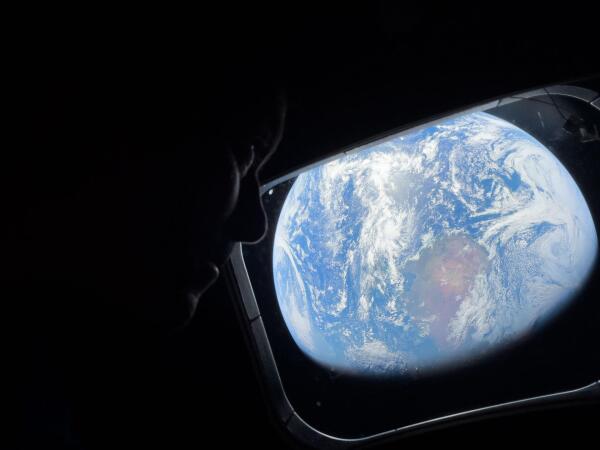
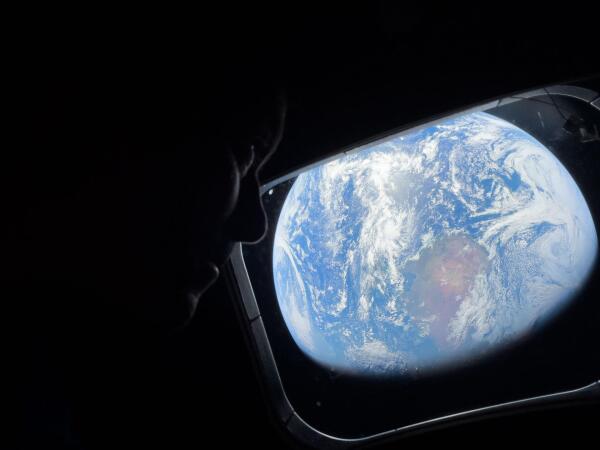
An astronaut's face is seen in silhouette, looking at Earth through Orion's main cabin windows, as the crew travels towards the moon.
NASA astronaut and Artemis II Commander Reid Wiseman looks at Earth through Orion's main cabin windows as the crew travels towards the moon. Wiseman and his three crewmates are set to return to Earth on Friday.
NASA

To make it there, the spacecraft will first have to punch through the Earth's atmosphere at about 25,000 miles per hour and experience temperatures upwards of 5,000 degrees Fahrenheit.

As mission pilot Victor Glover put it: It's like "riding a fireball through the atmosphere."

The trip home

The Artemis II crew — NASA's Reid Wiseman, Glover and Christina Koch, along with Canadian Space Agency astronaut Jeremy Hansen — have been preparing for the return home for the past few days, which includes packing up equipment and reorienting the spacecraft for an ideal trajectory that will land them safely in the Pacific at 8:07 p.m. ET.

On return day, the crew will wake up at 11:35 a.m. and begin reconfiguring the Orion capsule for reentry. They will make an additional course correction to fine-tune the return trajectory at 2:53 p.m.

Before entering the atmosphere, the spacecraft will need to ditch its service module — which housed thrusters, solar panels and other spaceflight hardware for the mission. Orion will separate from the service module at 7:33 p.m., which will then fall back to Earth, burning up in the atmosphere.

Orion, if all goes well, will avoid that fate. The spacecraft is set to begin its 13-minute plunge through the atmosphere at 7:53 p.m. During that time, it's expected that the crew will lose communication with Mission Control for about six minutes.

As the capsule makes its return, it will deploy a series of parachutes that will slow it from about 25,000 miles per hour to just 20 miles per hour upon splashdown.

The USS John P. Murtha is stationed near the splashdown zone and will help recover the crew. A team will head out to the floating capsule and install an inflatable raft just below Orion's side hatch. The crew will be examined by a flight surgeon, then helped out of the capsule. From the transport ship, they will hitch a ride back to Johnson Space Center in Houston.

Risk of reentry

There's always risk when returning from space. Glover said that he has been thinking about this portion of the mission since he was selected for it back in 2023, and he's been looking forward to it ever since.

"We have to get back," he said from the Orion capsule Wednesday. "There's so much data that you've seen already, but all the good stuff is coming back with us. There's so many more pictures, so many more stories, and, gosh, I haven't even begun to process what we've been through."

To get back, the capsule must hit the atmosphere at a precise angle.

"Let's not beat around the bush," said Jeff Radigan, Artemis II's lead flight director. "We have to hit that angle correctly. Otherwise, we're not going to have a successful reentry."

All eyes will be on the heat shield — this is the piece of hardware beneath the capsule that protects the crew from the extreme temperatures during reentry. NASA tested it out on Artemis I, the previous, uncrewed mission, and found that the heat shield wasn't performing as designed.

NASA mission planners and the Artemis II team worked on a way to mitigate that risk. Instead of "skipping" through the atmosphere like Artemis I, this mission would hit the atmosphere steeper and faster, limiting the time the spacecraft spends in those fiery, energetic moments of reentry.

"It's 13 minutes of things that have to go right," said Radigan. "I have a whole checklist in my head that we're going through of all the things that have to happen."

Mission success

The Artemis II mission is a key flight test for Orion, and thus far, mission managers have been pleased with the results. The spacecraft has taken humans farther from Earth than they've ever been, breaking a record set by Apollo 13 astronauts in 1970.

The crew tested the manual control of the spacecraft, which will be needed for future missions that will dock with a lunar landing system. The mission tested the spacecraft's life support systems and ability to keep four astronauts comfortable within the confined space.

Artemis II returned humans to the moon for the first time since the Apollo program over 50 years ago. And while some astronauts back then did see the far side of the moon, the Artemis II crew was able to observe it from a vantage point never before seen by humans. Their images and geological notes will help better determine what the moon is made of and where it came from.

While some of the astronauts' observations may help scientists understand the distant past, others will help mission managers better plan for the future. Case in point: The crew tested out the very first toilet to go to the moon, and it quickly ran into issues during flight. Multiple times during the trip, the crew had to use manual urinals instead. The issue, NASA said, was not with the toilet itself, but the system that dumps the urine overboard when it gets full.

The Orion capsule will return to NASA's Kennedy Space Center in Florida after the mission, where engineers will examine the spacecraft after its flight, including a closer look at the spacecraft's plumbing. The team will be picking apart the spacecraft to see how it performed — and make any necessary changes ahead of the next mission, Artemis III, set to launch next year.

Copyright 2026, NPR


Source link

Leave a Reply

Subscribe to Our Newsletter

Get our latest articles delivered straight to your inbox. No spam, we promise.

Recent Reviews


Arizona is home to three national parks and some of the most breathtaking rock formations in North America. The 48th state is also steeped in the history of the Old West. What better way to explore than by taking a road trip in Arizona?

If you’ve been thinking about visiting the Grand Canyon State, start by making a road trip checklist and choosing a highway, including basics like vehicle maintenance and car extended warranty for added peace of mind on long drives.

When you’re ready to head out, this guide will help you choose between 5 of the best road trips in Arizona (or, if you have time, add all of them to your list!).

No matter which route you choose to take, it’s important to remember to be a responsible traveller — pack out what you bring in, don’t disturb any wildlife, or deface any of the ancient sites.

Buckle up, and let’s go. Here are 5 stops and Arizona road trip attractions you don’t want to miss!

1. The Grand Canyon

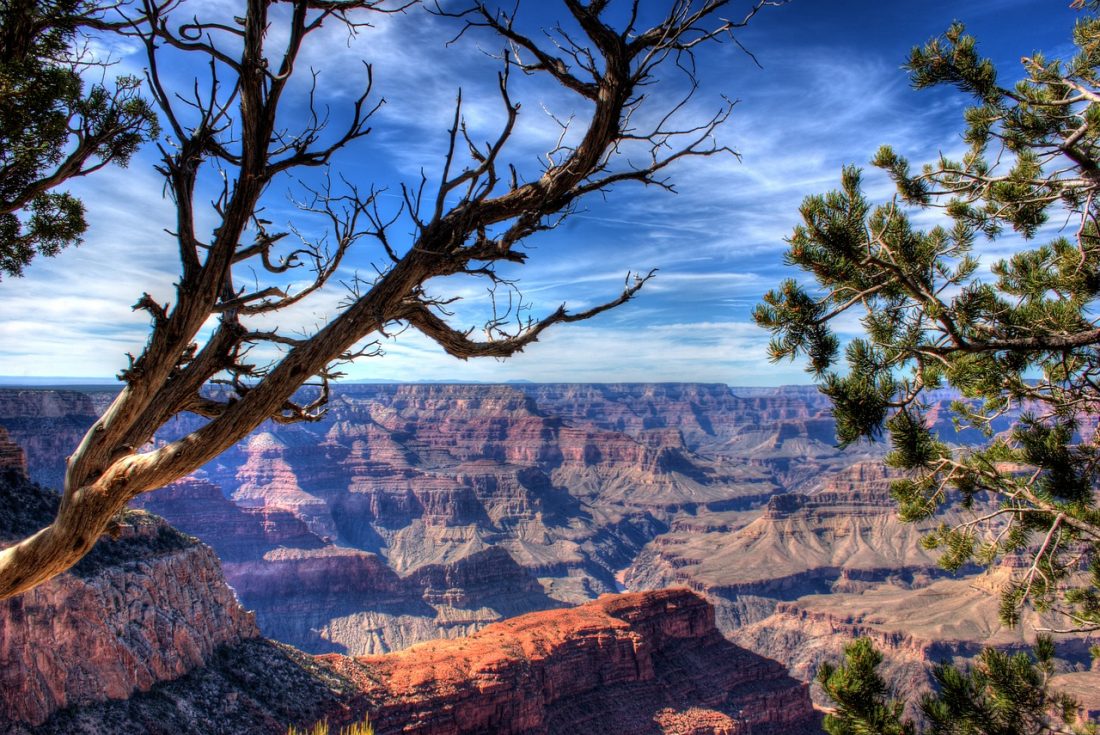
As the inspiration for the state’s nickname, the Grand Canyon came in at the top of this list. The canyon is 277 miles long, up to 18 miles wide, over a mile deep at its lowest point, and is easily one of the coolest places in the US.

Because of its sheer size, visitors generally have to choose between the North Rim and the South Rim of the canyon.

The South Rim offers the quintessential Grand Canyon experience, including guided burro rides, paved paths, luxury hotels, savory restaurants, and a terrifying glass skywalk.

It’s also easy to access from major cities, making it a great road trip from Phoenix and Los Angeles.

The North Rim of the canyon is far quieter than the tourist-filled South Rim, and it has fewer man-made attractions.

On the other hand, the higher elevation offers a decidedly different view of the Grand Canyon. Instead of dramatic sunlit vistas, the North Rim offers quiet forests and secluded hikes.

The North Rim’s atmosphere is less concerned with tourism and more focused on the natural beauty of the canyon. Some popular North Rim destinations include North Kaibab Trail and Ribbon Falls.

☞ SEE ALSO: 15 Best Things To Do in The Grand Canyon

grand canyon road trips in arizona

2. Sedona – A Desert Village

Even though there are plenty of things to do in Phoenix (which is where I live), every time someone visits me, they ask the same thing: “When can we go to Sedona?”

Located north of Phoenix, this desert town is surrounded by red-rock cliffs, steep canyons, and dense pine forests — making it a highlight of any Arizona road trip.

When you’re ready to set out, head north on Interstate 17.

Along the way, you’ll pass Montezuma Castle National Monument, a group of preserved cliff dwellings that housed the Sinagua people more than 1,000 years ago.

You’ll also pass the V-Bar-V Heritage Site, the largest “rock art site” in Red Rocks Country.

The hiking in Sedona is legendary, so make sure you pack your boots and don’t miss these top desert hikes: Cathedral Rock, Devils Bridge, The Birthing Cave, and Soldiers Pass — to name a few.

Sedona itself is known for its thriving arts community and quaint, small-town vibe. Start your day off at the Coffee Pot Restaurant, a bustling café with an all-day-breakfast and 101 different types of omelet.

When you’ve had your fill, spend the day shopping for artisan goods at the Tlaquepaque Arts and Crafts Village. This beautiful, outdoor shopping district features cobblestone streets, hand-blown glass, and gorgeous artisan jewelry.

For dinner, make a reservation at Heartline Café. My two favorite dishes are the bacon-hugged petit filet mignon and the pistachio-crusted chicken breast.

road trip in arizona sedona

3. Tombstone – The Town Too Tough to Die

Wyatt Earp was a notorious gambler and sheriff who took part in the famous O.K. Corral shootout. Every Memorial Day, Tombstone honors his legacy with the Wyatt Earp Days celebration.

This two-day festival features staged gunfights, mock hangings, and a massive chili cookoff. Tombstone’s affinity for the Old West is apparent in everything from architecture to tourist attractions. It’s also the reason Tombstone was nicknamed “The Town Too Tough to Die.”

USA Today put it perfectly when they called Tombstone “the perfect blend of historical and tacky.” The O.K. Corral is just one of Tombstone’s historic landmarks, though.

History buffs should also visit the Bird Cage Theatre Museum, a former brothel that was preserved to show the honest nature of the premises.

Last, but not least, pay a visit to Boot Hill Graveyard, Tombstone’s first cemetery. This historic site was said to be the graveyard for people who “died with their boots on.”

road trips in arizona

You can reach Tombstone from Phoenix in about 3 hours, or from Tuscon in just a little over an hour.

4. Monument Valley Navajo Tribal Park

Monument Valley is located along the border between Arizona and Utah — so close that it’s featured on Utah’s official travel website. Nice trick, Utah, but you’re not fooling anyone!

Monument Valley is one of the Copper State’s most valuable treasures.

This towering, sandstone rock formation has set the stage for so many westerns that one travel writer said, “Its five square miles have defined what decades of moviegoers think of when they imagine the American West.”

There are plenty of day trips from Sedona or Flagstaff, and guided tours, but I prefer to drive along the 17-mile road at my own pace. Admission to the park is $20 per vehicle, but there is no time limit.

If it’s in your budget, you should also consider staying the night at the View, the only hotel in Monument Valley Navajo Tribal Park. These luxury accommodations offer unparalleled views of the entire valley, especially at sunset and sunrise.

Another option is to stay in a unique “cave lodge” just a 10-minute drive to the park. These accommodations are stunning. Click here to take a look.

Before you leave, pay a visit to the Navajo-run trading post. Inside, you can find several John Wayne souvenirs and a wide selection of Navajo arts and crafts.

road trips arizona monument valley

5. Antelope Canyon and Lake Powell

This list will finish the same way it began — with a stunning rock formation created by millions of years of water erosion. Antelope Canyon is a magnificent slot canyon located to the east of Page in northern Arizona and is definitely one of the most incredible places to visit in the USA.

The canyon’s wavy corridors have been featured in several nature documentaries, including Louie Schwartzberg’s Moving Art series.

Throughout the day, sunshine illuminates the canyon’s 120-foot walls and throws shadows around every corner.

If you’re thinking about visiting, you should know that guided tours are the only way to explore the canyon.

arizona road trip antelope canyon

A short drive away, Lake Powell offers hiking, climbing, and rappelling in gorgeous sandstone canyons. While Lake Powell is actually located in Utah, the closest lodging is located in Page, Arizona.

Come to think of it, Lake Powell isn’t even a lake, it’s a reservoir. Oh well! You won’t be thinking about semantics when you’re boating, swimming, and waterskiing in the Glen Canyon National Recreation area.

If you’re planning a visit to both Antelope Canyon and Lake Powell, make sure to set aside at least two days. One day isn’t enough time to experience everything these natural wonders have to offer.

Ready for Your Arizona Road Trip?!

As you can see, it’s all about the natural beauty here in Arizona. With so many things to see and do, you could spend months here and not experience it all.

Exploring the state with your own vehicle will give you the independence and freedom to see as many sites and natural attractions as you want. Enjoy all of these epic road trips in Arizona.

☞ SEE ALSO: Top Things To Do in Old Town Scottsdale

Have you been on a road trip in Arizona? What did we miss?! Share your favourite road-tripping spots in Arizona in the comments below.

SaveSave

Like This Article? Pin it!


Source link