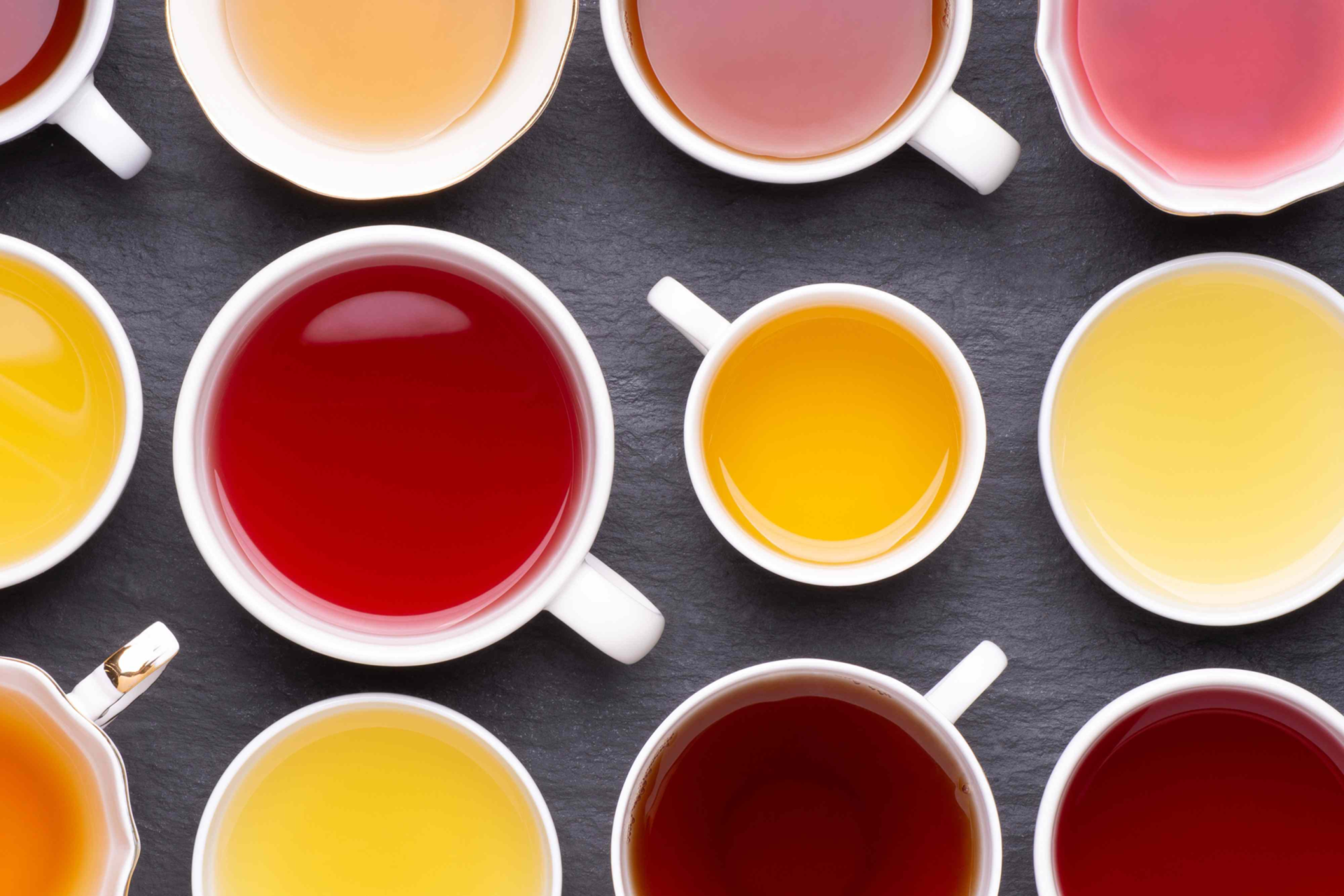
:max_bytes(150000):strip_icc():format(jpeg)/Health-GettyImages-1225765621-c702c38ac014420281247668f5177cb9.png "Assorted cups filled with different teas.")
Credit: photka / Getty Images
- Certain teas contain natural plant compounds that help fight inflammation and cell damage, which may help with liver function.
- Different teas offer different benefits—some may help lower elevated liver enzyme levels, while others may help boost metabolic health.
- Be cautious of detox tea blends or concentrated extracts, as they can sometimes cause liver harm.
Your daily cup of tea might be doing more than keeping you warm—it could be helping your liver, too. The natural plant compounds and antioxidants in tea help the body fight inflammation, reduce cell-damaging free radicals, and manage fat in the liver. Here are the best teas to try if you're looking to boost your liver health.
1. Green Tea

Green tea is famous for containing plant compounds called catechins—these antioxidants help protect against cell damage. Plus, they could be good for your liver.
Research suggests that regularly drinking green tea is linked to a lower risk of developing liver cancer, making it a simple addition that may support long-term liver health.
Interestingly, green tea's effects on your liver may vary based on your baseline health. In non-alcoholic fatty liver disease (NAFLD), people with the condition have elevated levels of liver enzymes. One study found that green tea lowered enzyme levels in people with NAFLD. However, the healthy adults included in the study actually saw small increases in their liver enzyme levels, though those changes weren't considered harmful.
What is NAFLD?
Affecting nearly 25% of Americans, non-alcoholic fatty liver disease (NAFLD) is characterized by a build-up of fat in the liver. Genetics, diet, and other factors may raise your chances of developing NAFLD—the disease is closely linked to other metabolic conditions, including obesity, type 2 diabetes, high cholesterol, and high blood pressure. Because of that, treatment for the condition usually involves physical activity, diet changes, and recommended weight loss.
2. Milk Thistle Tea

Milk thistle is an herbal tea that has been used for centuries to support liver health. It has a group of plant compounds called silymarin, which comes from the plant’s seeds and may help protect liver function.
Some early research is promising. In one small study, people with NAFLD who took a daily milk thistle supplement for three months saw reductions in the liver enzyme gamma-glutamyltransferase (GGT). They also had lower levels of triglycerides, or fats in the blood. Participants in the study didn't significantly change their diet or exercise levels, suggesting that silymarin may offer some independent liver support.
That said, larger reviews show the effects of milk thistle are generally modest. Silymarin has been found to slightly lower common liver enzymes like alanine aminotransferase (ALT) and aspartate aminotransferase (AST), both of which are elevated in people with liver diseases. However, the changes weren't considered clinically meaningful.
Though milk thistle may be a helpful addition to your diet if you have liver disease, more research is needed.
3. Ginseng Tea

Ginseng tea has long been used in traditional medicine and is thought to support overall health, including the liver. Its active plant compounds, called ginsenosides, have antioxidant and anti-inflammatory properties that may help protect liver cells from damage.
For people with NAFLD or fat accumulation in the liver, ginsenosides may be able to reduce inflammation, slow fibrosis (scar tissue in the liver), and prevent fat from invading liver cells, thereby safeguarding the liver from damage related to NAFLD.
That said, more research is still needed to further understand how exactly ginseng works in the body. Plus, ginseng may interact with medications and has been linked to liver damage in very rare cases. Make sure to talk to a doctor or nutrition expert before adding it to your diet.
4. Black Tea

Black tea is rich in polyphenols. These are plant compounds with antioxidant and anti-inflammatory properties that may support overall metabolic health.
Research suggests higher black tea intake (just over 3 cups per day) may be linked to a slightly lower risk of developing NAFLD. The beverage was also associated with lower markers of liver fibrosis, or scar tissue, among people who were already diagnosed with NAFLD, meaning it may have a protective effect.
That said, the research is still evolving. While these findings are promising, they show associations, not cause and effect, and the overall impact of black tea on liver health remains somewhat mixed. Like other teas, its benefits are likely modest and work best alongside a balanced diet, regular movement, and other strategies for better liver health.
5. Hibiscus Tea

Hibiscus tea, made from the Hibiscus sabdariffa plant, has long been used in traditional medicine and is rich in antioxidants like anthocyanins.
Some research suggests that hibiscus may help in lowering blood pressure, improving cholesterol levels, and reducing blood sugar. These effects are relevant for liver health, since conditions like NAFLD are closely tied to high cholesterol, type 2 diabetes, and other metabolic health conditions.
That said, research on hibiscus and liver health specifically is still emerging. While early findings are promising, many studies are small or use different preparations, making it difficult to draw firm conclusions.
6. Ginger Tea

Ginger tea is made from the root of the ginger plant, which is known for its natural anti-inflammatory properties. The tea has also been shown to have antioxidant effects, meaning it neutralizes free radicals, or compounds that cause cell damage and disease.
Ginger's ability to reduce inflammation and free radicals may help slow liver damage in people with NAFLD, as well as lower the risk of other complications, such as heart disease.
Studies have also found that ginger supplements may be able to lower levels of the liver enzyme ALT and reduce insulin resistance—two key factors in NAFLD.
Ginger is generally well tolerated—most people don't experience side effects—and serious liver issues are extremely rare. However, if you take medications or have existing liver concerns, it’s important to speak with a healthcare provider before adding it to your routine.
How To Safely Enjoy Tea for Liver Health
While teas can support liver health, it’s important to be mindful of safety. Liver "detox" teas are common, but may not be the safest option. Doctors have reported cases of people experiencing liver injury after regularly drinking a few cups of liver detox teas each day. The same is true of high-dose herbal supplements or extracts—one 2024 study estimated that, each month, over 15 million adults in the United States take supplements that have the potential to cause liver damage.
Because of this, it's best to avoid multi-ingredient detox blends and concentrated herbal extracts. Instead, choose whole-leaf or single-ingredient teas, and stick with more moderate consumption.