:max_bytes(150000):strip_icc():format(jpeg)/Health-xanax-fd562e6f54b04b62b3b3e017e4deaca8.png "A medication bottle tipped over with pills spilling out recall symbol beside")
Credit: Cappi Thompson / Getty Images / Health.com
- A nationwide recall has been initiated for certain bottles of Xanax.
- The anti-anxiety medication failed quality testing that could impact its effectiveness.
- The recall was given the second-highest risk level, Class II, but contact your healthcare provider before stopping the drug suddenly.
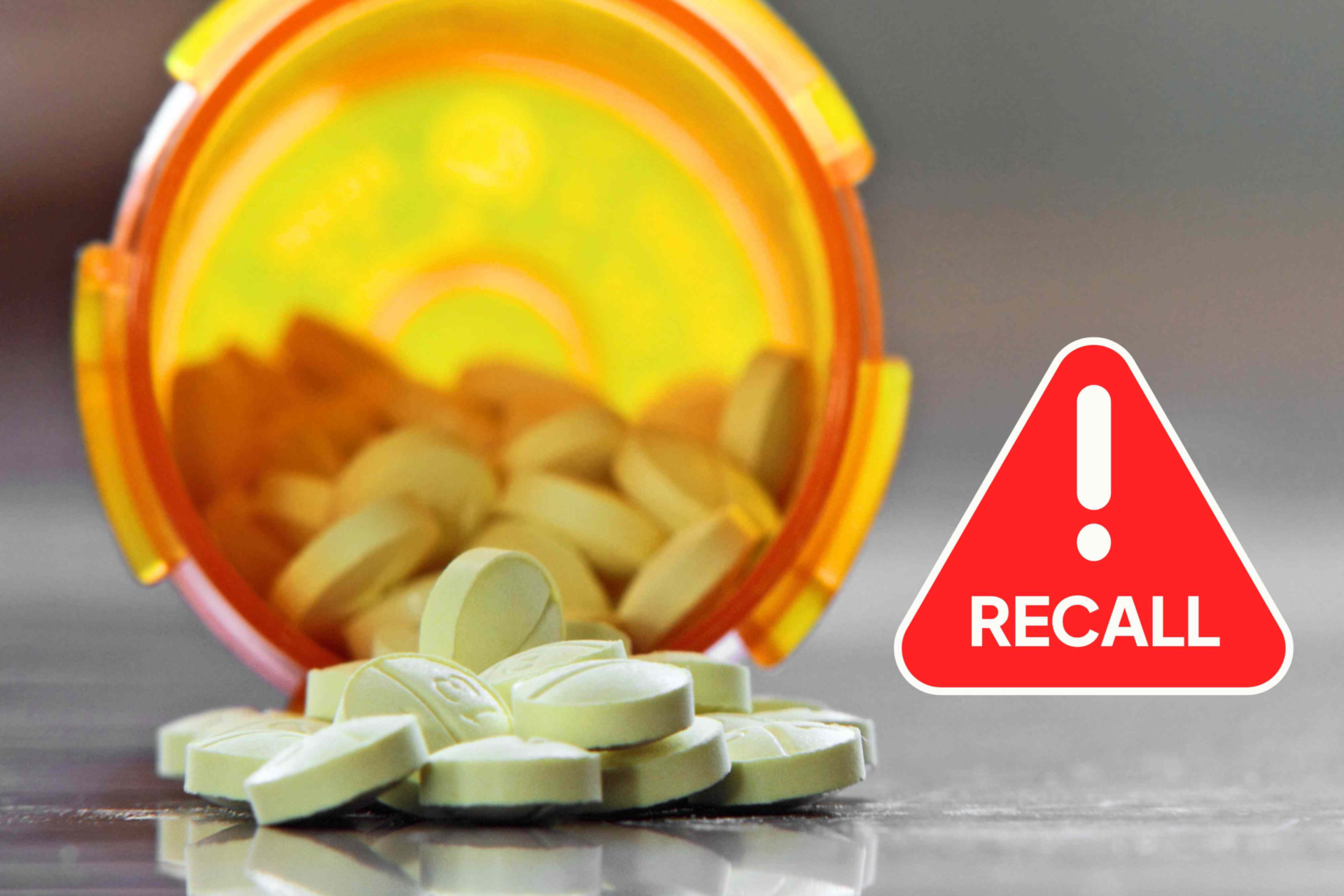
Certain bottles of Xanax have been recalled nationwide, according to the Food and Drug Administration (FDA). The anti-anxiety medication was initially recalled in March for "failed dissolution specifications," meaning there was a problem with how the tablets dissolve, which could impact their effectiveness. On April 8, the FDA gave the recall the second-highest risk level, Class II, indicating the potential for temporary or reversible health consequences from the product.
According to a press release from the California State Board of Pharmacy, the risk to patients from the recalled Xanax is "negligible," and no adverse reactions have been reported to date.
Identifying the Recalled Xanax
The recalled Xanax, available by prescription only, was made in Ireland and distributed by Viatris Specialty LLC in the U.S. from Aug 27, 2024, to May 29, 2025.
You can identify the affected bottles with the following:
- Product name: Xanax XR, alprazolam, extended-release tablets
- Size: 3 mg, 60-tablet bottles
- National Drug Code (NDC): 58151-506-91
- Lot number: 8177156
- Expiration date: 02/28/2027
What You Should Do
If you have the recalled Xanax, contact your doctor or pharmacist for a replacement, and ask about the best course of action for you. Class II recalls do carry a risk of adverse health effects, but stopping a medication could be riskier.
“While recall notifications can be frightening, it’s important to contact your healthcare provider right away for advice before making any changes to your medication routine,” Jennifer Young, PharmD, BCPS, CSP, lead medication safety specialist at the Institute for Safe Medication Practices, previously told Health. “Some medicines … should not be stopped suddenly.”