The 2026 crop art season for the Minnesota State Fair competition has begun. This week, the fair announced new rules for the crop art competition, and the artist community is buzzing.
“There are big feelings in crop art,” says Marta Shore, a crop artist and the superintendent for the crop art competition.
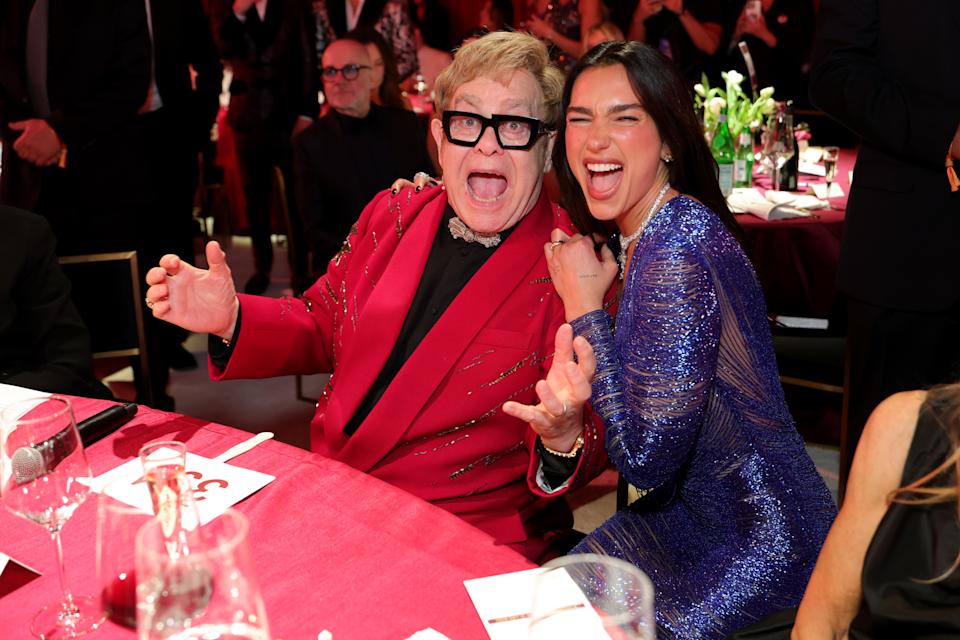
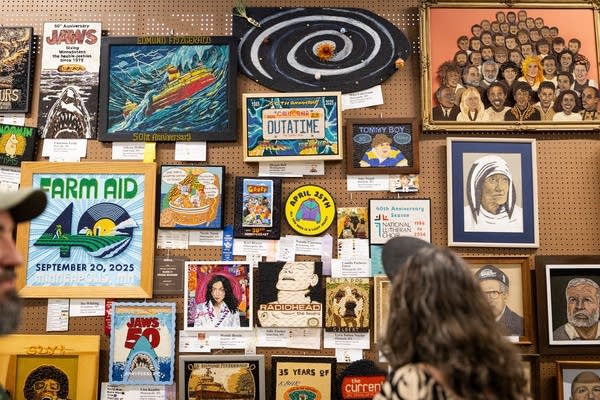
Crop art is the very Minnesotan, very time-consuming artform of making mosaics from seeds and plants.
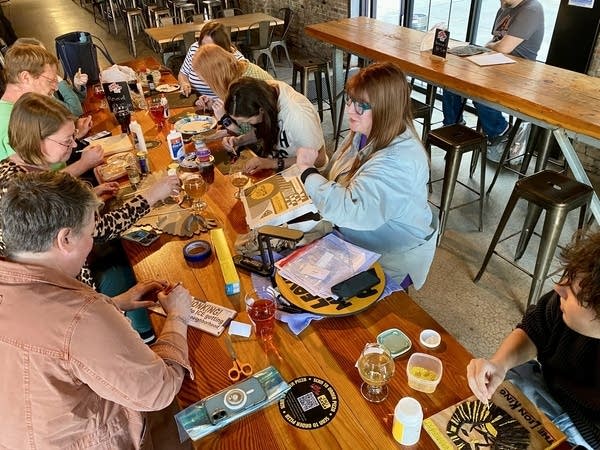
Crop Art Wednesdays (CAW), a monthly crop art gathering at Lake Monster Brewing in St. Paul met Wednesday and the new rules were top of mind.
“When the rules come out, everyone hops on, as soon as that link is live, you're checking to see what's changed, what’s new,” said crop artist Gayle Deutsch.
Many say the most significant change is that quinoa will be banned from the fair competition beginning in 2027. At the heart of crop art is a celebration of Minnesota agriculture, and because Minnesota farmers don’t grow quinoa as a crop, the seed has been banned. It’s a big loss for crop artists because, as Deutsch says, quinoa is prized by crop artists for lettering.
“It lays really nice and looks really neat, which is one of your things. You really want to make sure your piece is neat for points, for a ribbon,” Deustch said. “So, that is a little bit of a travesty, but it's okay. At least they gave us warning.”
Deutsch points to the “yellow mustard incident” of 2023, when the fair announced that the seed was banned well after many artists had already started their entries. Many artists start their work in the winter, as the pieces can take months to complete.
“I will say the drama about [quinoa] is much less than yellow mustard,” Deustch said. “People were very upset, because here you have this piece that you're starting, and now all of a sudden you can't submit it, because yellow mustard is illegal.”
The mustard seed ban was actually reversed, but artists think the quinoa ban will stick.
“They gave us a lot of advanced warning, but now I'm going to have to figure out what to do with all of this quinoa that I have,” said crop artist Sarah O’Brien, positing that there will be much more quinoa art this year while the seed is still legal. “Maybe there is going to be more quinoa than I would have thought in my in my pieces.”
Artist Kaela Reinardy says the most significant rule change for 2026 is limiting submissions per person. That number is down to five.
“I think that's a good thing, because I think I'd rather have a limit on number of pieces and have the field smaller than have people not be able to have theirs displayed,” said Reinardy.
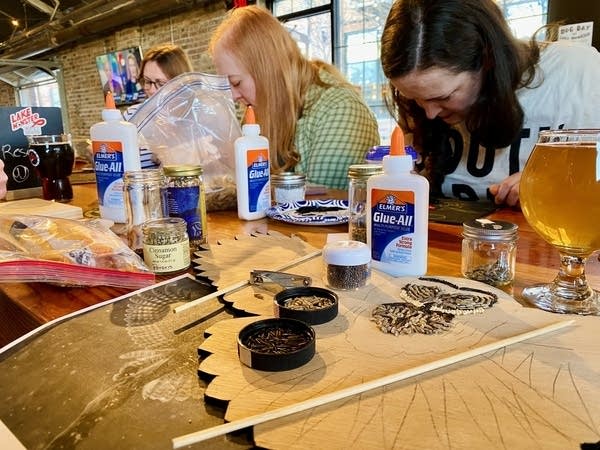
The crop art competition has exploded in popularity in recent years, said superintendent Shore, and there’s only so much display space in the Agriculture Horticulture Building
“I do like it being in Ag-Hort because, again, that link to crop, the celebrating crops, celebrating agriculture,” said Shore. But, “if someone would like to donate $10 million to build us a crop art building, we would love it.”
Other rule changes include updates to entry categories, deadline dates, sizing and more. Chia seeds have also been banned for 2027, and Shore suspects there maybe more sizing rule changes implemented next year.
Shore, who began in this position in 2024, said the shift is to recommit to the roots of the artform.
“We really want it to be about crops that can be grown in Minnesota,” she said.