Fact checked by Nick Blackmer
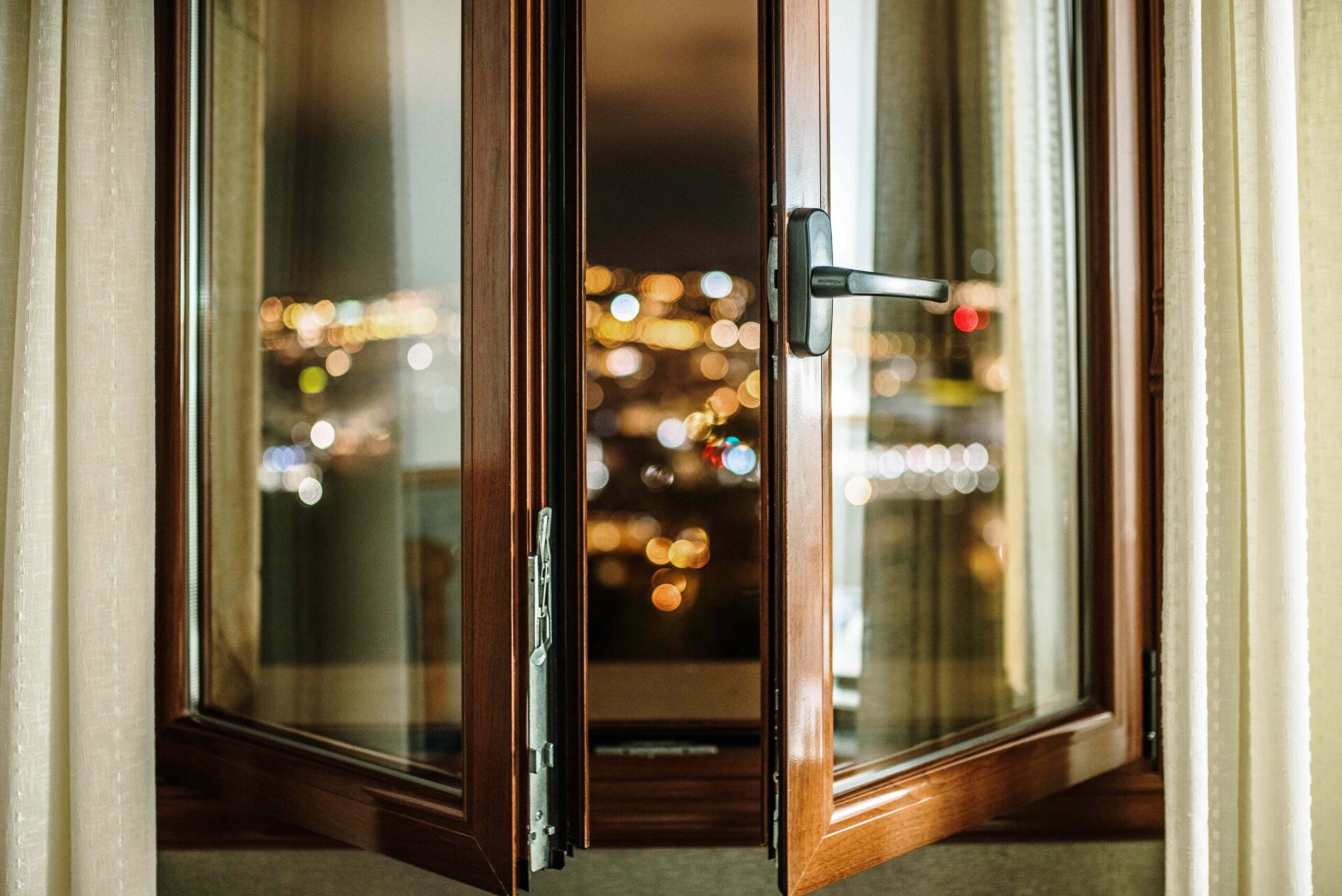
:max_bytes(150000):strip_icc():format(jpeg)/Health-GettyImages-1257218141-b38941dd041c42a8bf1998fb834eee46.jpg "Open window with urban lights visible through it in the background")
Credit: MarioGuti / Getty Images
- Sleeping with a window open may boost indoor air quality, which can improve sleep and overall health.
- Better ventilation can help reduce pollutants, but it depends on the outdoor air quality where you live.
- Experts say it can help in the right conditions, but factors like allergies, noise, and temperature also matter.
It’s finally springtime, which might mean you’re tempted to start sleeping with your bedroom window open—but are there any health benefits to letting fresh air circulate while you sleep?
Potential Health Benefits of Sleeping With Your Window Open
Experts say keeping your bedroom window open overnight could boost indoor air quality, which may improve your sleep and overall health.
Most research on indoor air circulation and quality has focused on carbon dioxide (CO2), which we exhale. High CO2 levels inside can indicate that fresh air isn’t circulating well, and other pollutants may be collecting.
According to a 2022 study, when the bedroom window and door are both closed, CO2 levels can increase significantly overnight—but keeping the window open can counter that steep rise, and improve sleep. Other research has similarly shown that people who sleep with the window open (and have lower CO2 levels in their bedroom) report better sleep, as well as less sleepiness and better concentration the next day.
“When window opening removes pollutants from indoors without bringing them from outdoors … it will improve sleep quality,” Pawel Wargocki, PhD, a professor at the Technical University of Denmark who specializes in indoor air quality, told Health.
What To Consider Before Opening Your Window at Night
People who live in areas with poor air quality—like large cities or next to highways—may want to use caution when sleeping with their windows open, especially if they’re prone to allergies.
“People with asthma and allergic rhinitis would be the folks who should be careful in deciding whether to open windows at night,” Brian Christman, MD, a professor at Vanderbilt University and spokesperson for the American Lung Association, told Health.
The time of year is another factor to consider—an open window can affect the temperature and humidity in your room, and summer pests could get in without a window screen. “By opening the window, you let the outside in,” Mathias Basner, MD, PhD, a professor at the University of Pennsylvania Perelman School of Medicine, told Health.
If you do decide to crack open the window, open your bedroom door too so air circulates better, Basner suggested. An air purifier can also help filter out pollutants, Wargocki said. Take note of how you feel the next day—like if you’re sleepy or congested—to get a sense of whether the open window is benefiting you.
And don’t forget about other factors that affect your sleep, added James A. Rowley, MD, program director of the sleep medicine fellowship at Rush University Medical Center. “Bedrooms need to be dark, cool, and quiet,” Rowley told Health. Don’t use electronics before bed, and do something relaxing before you hit the hay, he added.