Fact checked by Nick Blackmer
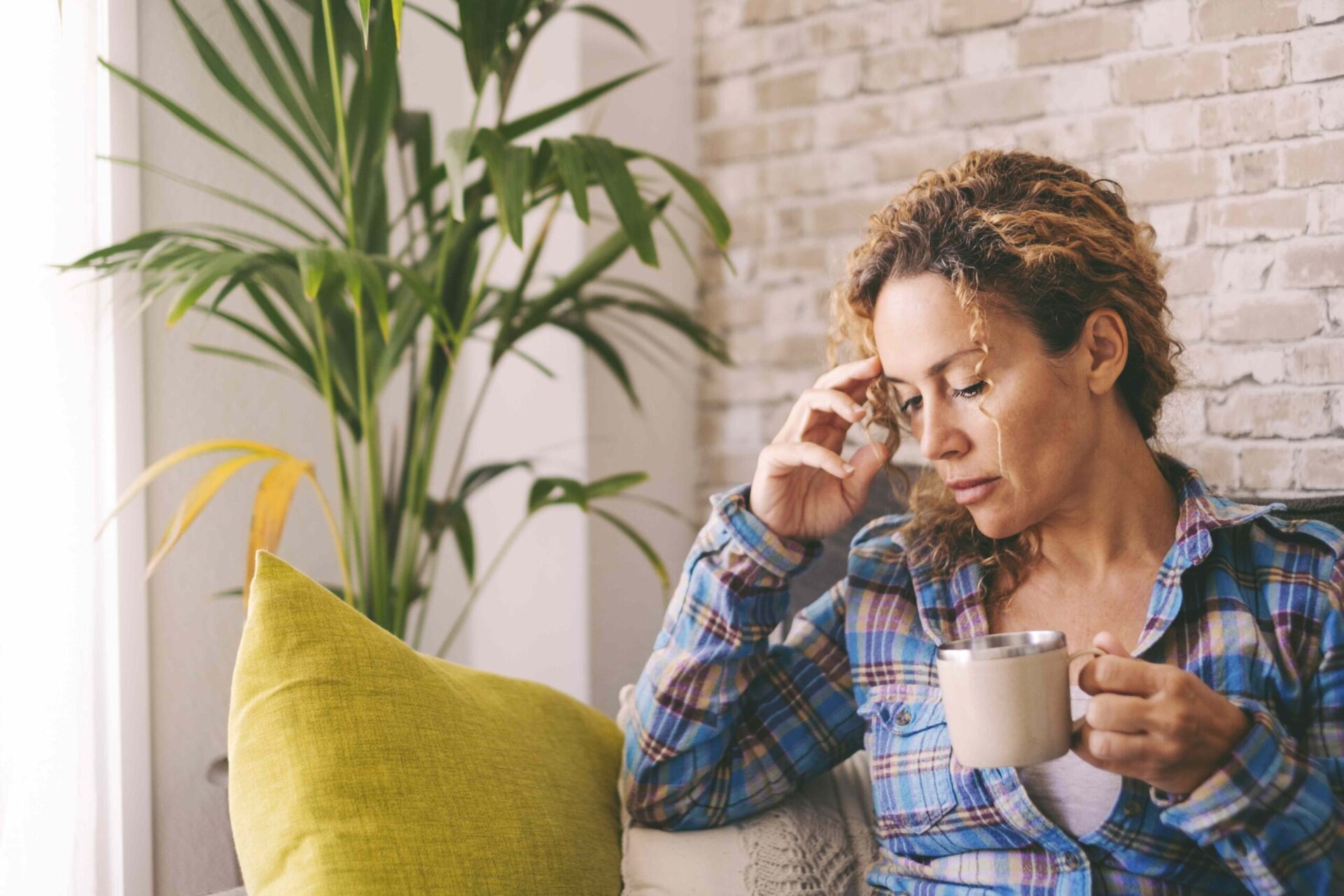
:max_bytes(150000):strip_icc():format(jpeg)/GettyImages-1492226774-062e44ae5e0e4b9e9c77d83250261764.jpg "Thoughtful mature woman at home sitting on sofa with drink touching her temple head and looking down on the floor. Bad mind state condition. People worried and depression concept. Tired stressed lady")
Credit: simonapilolla / Getty Images
- A growing number of drinks claim to ease menstrual symptoms.
- Experts say there’s limited evidence that their ingredients are effective.
- However, proven options—like over-the-counter medications and a healthy diet—may help reduce symptoms.
Natural supplements like powders and gummies have surged in popularity in recent years, with more people turning to non-pharmaceutical approaches to ease everything from insomnia to anxiety. Now, a wave of botanical and vitamin-infused canned drinks and loose-leaf teas have hit the market, claiming to address another common concern: menstrual symptoms like bloating, low energy, and mood changes.
“I see more and more of my patients looking for agency over symptoms that often feel dismissed or poorly managed by conventional medicine,” said David Ghozland, MD, an OB-GYN based in Los Angeles.
But can sipping a plant-based drink really eliminate menstrual symptoms? Here's what to know about the effectiveness of these buzzy beverages—as well as whether they're safe to try.
What’s In These Beverages—and What Do They Claim to Do?
These menstrual relief beverages—which typically come as teas, canned drinks, or powder-based mixes— sometimes highlight a single “active” ingredient said to drive benefits. However, most contain a mix of botanicals, with common ingredients including:
- Raspberry leaf
- Sea buckthorn
- Turmeric
- Nettle leaf
- Chamomile
- Lemon balm
- Black cohosh
- Vitex
- Tulsi
- Lavender
Some brands also include vitamins like B1 or B6 and minerals such as magnesium.
The products come with names like "period comfort," "bye bye cramps tea," and "pms tea"—a nod to premenstrual syndrome, the cluster of symptoms that can crop up one to two weeks before a period. Their claims vary, but generally promise support across the menstrual cycle, from promoting balance and energy to reducing bloating and cramping.
Do Period Symptom Relief Drinks Work?
Generally speaking, there’s limited scientific evidence to support the claims these drinks make, Ghozland said, noting that it’s important not to conflate marketing with “proven efficacy.”
Some preliminary research suggests that certain individual botanicals may help with certain symptoms, but the overall evidence is still fairly thin, added OB-GYN Kimberlee Coleman, MD. Many of the available studies are not especially rigorous or show little benefit.
That said, Ghozland pointed to a few ingredients with somewhat stronger evidence behind them. Curcumin, the active compound in turmeric, has been linked to reduced menstrual cramping in some studies, including a 2024 systematic review of 17 trials, he noted. There’s also research suggesting that vitamin B1 and magnesium may help ease cramps, though the American College of Obstetricians and Gynecologists (ACOG) said there isn’t enough evidence to recommend them for this purpose.
When it comes to mood-related symptoms, chamomile and lavender may offer some stress and anxiety relief, Ghozland said. Lemon balm may also have an effect—he pointed to one 2018 study that found that high school students with premenstrual symptoms who took 1,200 milligrams of the plant daily over three menstrual cycles saw reduced anxiety, depression, and insomnia compared with those taking a placebo.
What To Consider Before Trying These Drinks
Before making period relief drinks a monthly habit, keep in mind that “natural” doesn’t necessarily mean safe or healthy.
Many botanicals can interact with common medications, including hormonal birth control and blood thinners, Ghozland said. They can also worsen certain underlying conditions, added Melissa Groves Azzaro, RDN, LD, an integrative and functional medicine dietitian specializing in women's health and hormones. That’s why experts recommend consulting a doctor before adding these products to your routine.
It’s also worth noting that these drinks are typically sold as dietary supplements, which aren’t approved by the FDA. That means there’s no way to know for sure if they're safe, effective, or even whether they contain what the label suggests.
Finally, some canned drinks can be loaded with added sugar or artificial sweeteners, which may worsen inflammation or bloating, potentially counteracting any intended benefits, Ghozland said. To avoid an overly sugary drink, check the nutrition facts label: products with 5% of the Daily Value or less of added sugar are considered low.
Alternatives for Relief
If you’re curious whether period relief drinks can improve cramping, mood swings, or other monthly miseries, they may be worth trying—with your doctor’s approval, Coleman said.
That said, there are more established ways to find natural relief. For painful periods in particular, the ACOG recommends options like acupuncture, acupressure, nerve stimulation therapy, or physical therapy.
Lifestyle changes can also make a difference. Eating an anti-inflammatory diet filled with fresh fruits and vegetables, fatty fish, nuts and seeds, fermented foods, whole grains, and legumes may help ease symptoms over time, according to Groves Azzaro. “Minimize or avoid excess sugar, refined carbohydrates, and alcohol,” she added.
Staying consistent with a workout routine may help, too. Regular exercise throughout the month supports more stable hormone levels.
But for many people, over-the-counter medications are still a reliable option, Ghozland said. NSAIDs like ibuprofen can reduce menstrual pain, though the American Society of Health-System Pharmacists warns that they can come with side effects such as gastrointestinal bleeding or ulcers.
The bottom line, according to Ghozland: you don’t have to just put up with uncomfortable symptoms. Working with a doctor can help you find an approach that works for you. As he put it, “Women have been conditioned throughout history to be resilient, to push through, to manage—but why suffer when you can avoid it?”




:max_bytes(150000):strip_icc():format(jpeg)/GettyImages-2253385503-49d609f27e75489cbb35796a15282f5b.jpg "Hong Kong - November 26, 2025 : Lululemon store at Hong Kong International Airport.")