:max_bytes(150000):strip_icc():format(jpeg)/Health-GettyImages-2213158201-0c61c250b4e445d8a618e775fd50c820.jpg "A person in an orange shirt holding a wooden bowl of walnuts with greenery in the background")
Credit: fcafotodigital / Getty Images
- Snacks can help with weight management when they include protein, fiber, or healthy fats.
- The best time to snack depends on your hunger, meals, and daily routine, but mid-morning and mid-afternoon are often good times for managing cravings between meals.
- Try to avoid late-night snacking out of habit, boredom, or stress.
Planned snacks can help you manage hunger and avoid overeating later in the day. There is no single ideal snack time because it depends on your meals, schedule, hunger, and activity level. The type of snack you choose matters, too.
When to Snack for Weight Management
The best time to snack for weight management can look different for each person. In general, it may help to snack earlier in the day, such as mid-morning or mid-afternoon, rather than late at night.
Research suggests the body may process food better earlier in the day. A good rule of thumb is to snack when you go more than four to five hours without eating. Waiting until you're overly hungry may cause you to eat too much later.
Skipping meals may be linked with weight gain, especially around the abdomen. If you have lunch at noon and dinner is not until 7 p.m., an afternoon snack can help curb hunger and prevent overeating later.
A snack may also help before a workout if you need energy, or after a workout if your next meal is still a few hours away.
Morning vs. Afternoon Snacks
Morning and afternoon snacks can both fit into a healthy eating plan. The best choice depends on when you feel hungry and how your meals are spaced. Here’s when each one may make the most sense:
Morning snack: A morning snack may help if you eat breakfast early, eat only a small breakfast, or do not feel hungry right when you wake up. Some research suggests that snacks eaten earlier in the day may be linked with better blood sugar levels than snacks eaten late at night.
Afternoon snack: An afternoon snack can help with the afternoon slump, especially if there’s a long gap between lunch and dinner. This is when many people start feeling tired and hungry, or tempted to grab whatever is easiest, even if it is not the most nutritious choice. Plus, if you are active later in the day, a balanced snack can give you energy for movement or exercise.
Is It Bad To Snack at Night?
Nighttime snacking is not always bad. It depends on why you are snacking, what you choose, and how often it happens.
A small evening snack may be fine if you are truly hungry. This may happen if you ate an early dinner, worked out later in the day, or did not eat enough earlier.
Still, late-night snacking can work against weight management when it becomes a habit. It is often easier to eat more than planned when you are snacking out of boredom, stress, or while watching TV or scrolling on your phone.
Eating late at night may also affect how your body processes food. Some research suggests that eating outside of regular daytime hours may disrupt the body’s internal clock. Over time, this may contribute to weight gain and changes in appetite.
What To Eat for a Filling Snack
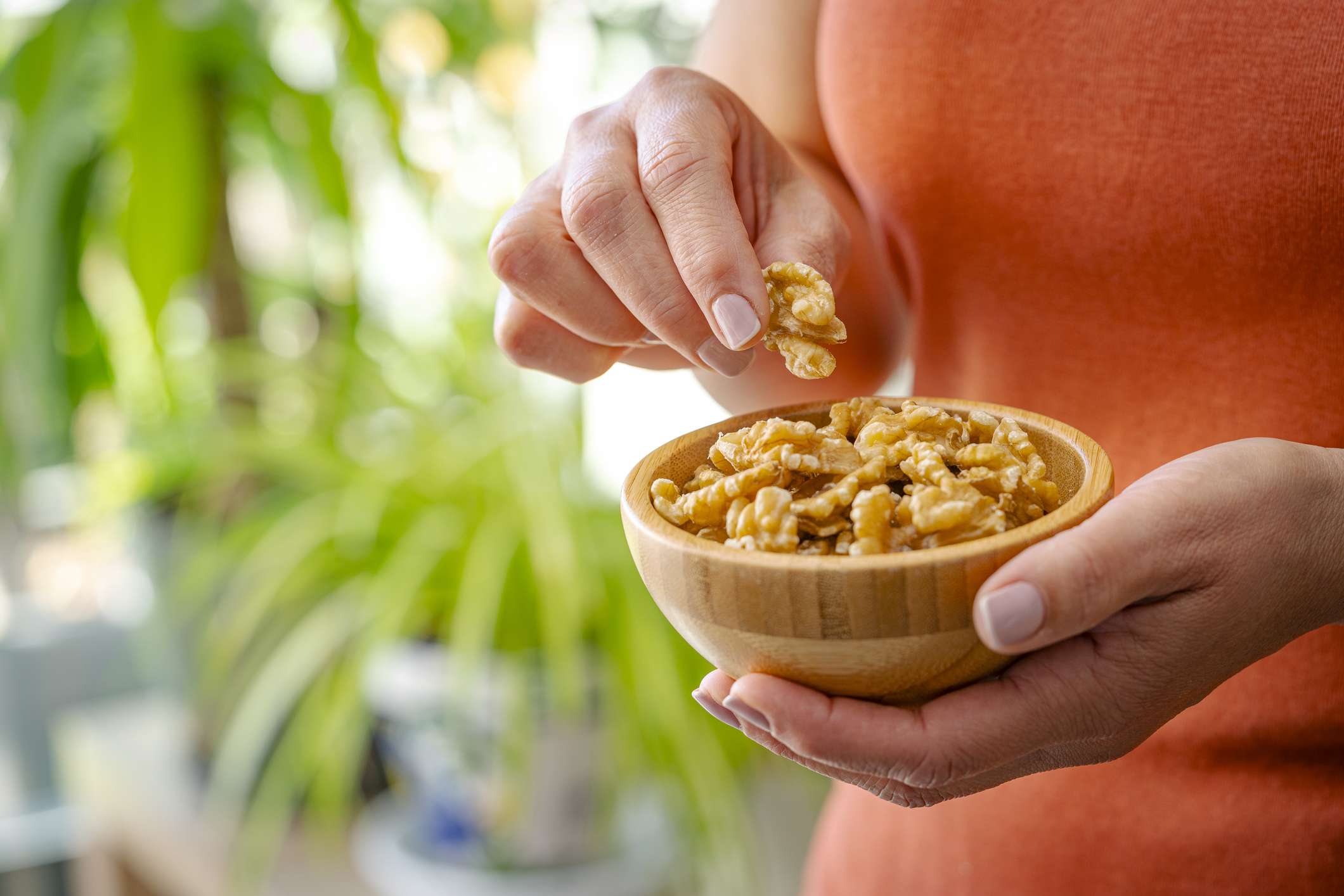
The type of snack you choose matters, too. Snacks with protein, fiber, or healthy fats may help you feel full longer and eat less at your next meal.
Good options include:
- Apple slices with peanut butter
- Greek yogurt with berries
- Hummus with vegetables
- Cottage cheese with fruit
- Whole-grain crackers with tuna or egg salad
- Nuts with a piece of fruit
- Edamame
- Popcorn with pumpkin seeds
- Chia pudding
Try to portion snacks ahead of time instead of eating straight from the bag or container. Snacks like candy, chips, pastries, and sweet drinks can fit, but they may not keep you full for long, so they’re best enjoyed occasionally.
How To Know If You Need a Snack
Before grabbing a snack, pause for a minute. Ask yourself whether you are hungry or if your urge to snack is stemming from something else, such as boredom or stress.
You may need a snack if:
- Your stomach feels empty
- You feel low on energy
- You feel shaky, cranky, or distracted
- Your next meal is still several hours away
- You tend to overeat at meals when you skip snacks
If you find yourself eating out of boredom, you may need something else, like water, a short walk, a break, or more sleep.