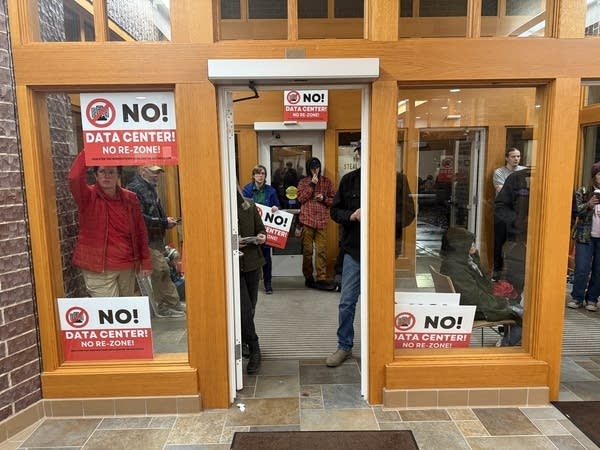
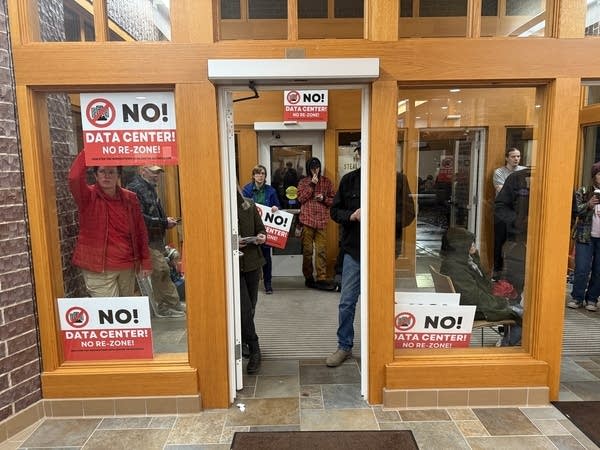
In communities across Minnesota, the angry chorus against proposed mega-scale data centers is growing louder as residents from across the political spectrum increasingly speak out against the giant computer warehouses tech companies are furiously working to build.
In many of those same communities, local officials are weighing large tax incentives to lure the controversial projects, eager for the tantalizing economic investment, revenues and jobs they promise to bring.
That split-screen is playing out in Hermantown, about eight miles outside Duluth, where the city council is poised on Monday to vote on a plan offering an estimated $70 million tax abatement to Google. The company says it will invest up to $2 billion on a massive proposed data center complex in a rural corner of the small northeastern Minnesota town.
In return, Google is offering to pay to extend utilities and infrastructure to the project site as well as tens of millions of dollars to the city and local school district.
The vote is less than a week after about 50 people from a local grassroots group gathered outside Hermantown city hall to announce a lawsuit against the city to block the project. Members of the Stop the Hermantown Data Center group said Google’s offer has not weakened their resolve.
"We are not softened by that and stand steadfast in that this proposed project needs to go to a different site,” said spokesperson Emma Richtman.
Hermantown’s deal
Tax incentives are a common tool cities around the country have used to attract data centers, including in Minnesota.
But as opposition spreads, community residents are increasingly pushing back, “or at least asking … if we're going to provide these tax incentives, what are we going to get in return?” said Tony Pipa, a Brookings Institution Center for Sustainable Development senior fellow who studies the implications of data centers in rural communities.
“I think it's a little bit more of a question mark now than it used to be, but it still is part of the traditional economic development playbook,” Pipa said.
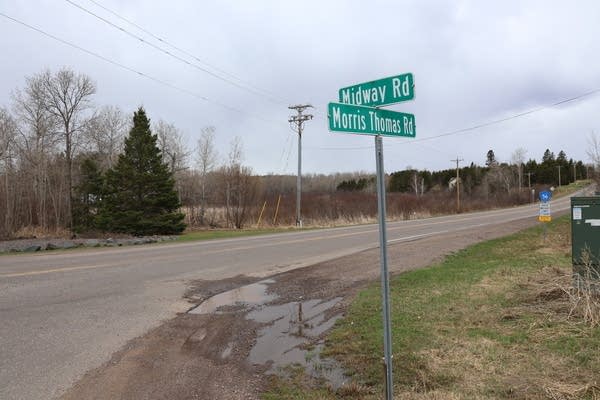
The agreement Hermantown negotiated with Google would grant the tech giant roughly $70 million in property tax relief. Google is proposing to spend $650 million on the project’s first phase and a similar amount on two additional anticipated phases.
In return, the city would receive:
-
An estimated $130 million to bring utilities and infrastructure to the proposed site.
-
$4.5 million in payments over 20 years
-
$40 million to the Hermantown school district over 28 years
Even after giving Google a rebate, the city would still receive about $450,000 annually in tax revenue — more than the city’s five existing largest big box retailers combined.
The school district is not offering Google an abatement and would receive about $30 million in additional tax revenue.
That combined $70 million to Hermantown schools is “a big consideration,” said Chad Ronchetti, who has two kids in the district. Schools around the region are facing budget cuts, such as Ely, which recently moved to a four-day school week.
In a statement, Hermantown schools superintendent Wayne Whitwam said the district recognizes the potential boon the funding could be over time.
“At the same time, it is important to clarify that the school district was not involved in the negotiation process and does not play a role in decisions regarding the development itself. As such, we remain neutral regarding the project,” Whitwam said.

The project would also create hundreds of construction jobs and 40 longer-term jobs in the first phase. The data center would employ about 100 at full build-out, paying those positions about $75,000 annually.
With a market capitalization exceeding $4.5 trillion, Google is the world’s second most valuable company.
"We're talking about a multi-trillion dollar company that wants a tax break. Period,” said Jonathan Thornton, a Hermantown resident who opposes the data center.
But city officials contend that if they don’t offer tax breaks, other communities will.
"We have to remember that this is a competitive project,” said Ronchetti. “This project is just one of many in Google's portfolio of potential projects, and so we have to put a foot forward in order to stand out."

Against those benefits, the city also has to weigh costs. Residents who live near the proposed data center argue the massive development would harm their rural quality of life, ruin property values and create light and noise pollution, among other environmental concerns.
Opponents also accuse project backers of hiding the full scope of possible tax breaks. The proposed tax abatement agreement indicates that St. Louis County — which takes in a larger share of property taxes collected in Hermantown than the city — “is anticipated to also provide a tax abatement in support of the project.”
“The reason they're not doing those in tandem is because they don't want the public to know the real numbers,” said Thornton.
A county spokesperson said the county Board of Commissioners would have to approve any tax incentive, following public input.
The county’s mention in the agreement was surprising to St. Louis County Commissioner Ashley Grimm, who’s been critical of public officials who signed non-disclosure agreements with the data center developer, barring them from discussing it publicly for months.
“It concerns me that the project developer felt comfortable enough to state that there was St. Louis County support for abatement before it was ever publicly discussed or discussed with commissioners,” Grimm said.
Local leverage
Google and other data center developers already receive a state sales tax exemption on their purchases of computers and other equipment. Minnesota is one of 38 states that offer data center tax incentives.
Now local governments across Minnesota are increasingly sweetening the pot.
Rosemount has a tax abatement agreement with Meta for the data center under construction there. And earlier this year Pine Island near Rochester agreed to a deal with Google similar to what Hermantown is considering: tax relief in exchange for infrastructure, increased property tax revenue, job creation and significant cash for schools.
City administrator Elizabeth Howard acknowledged some residents opposed the deal.
“On the other hand, we have residents who want to lower taxes, a community center, a sports/rec center, more ball fields, increased services for residents, a splash pad and view a large company as increased tax base to help accomplish these things,” she said.
But at least one other city is charting a different course.
“We determined that we weren't interested in offering any incentives whatsoever to data centers,” said Lloyd Hilgart, mayor of Monticello, which recently adopted new rules governing potential new data centers that do not include offering subsidies.
"This is something that approached us. We didn't approach them,” Hilgard said. “And if it can work out for us and they want to follow the rules that we've put in place, then I feel that's a win-win for the city."
Hilgart said he's OK if that causes tech companies to locate data centers elsewhere.

Negotiations between small cities and powerful tech giants can seem asymmetrical, said Pipa with the Brookings Institution. That’s especially the case if communities don’t feel like they have many other economic development alternatives. Tax incentives often seem like one of the few levers they can pull.
Pipa said the Googles and Metas of the world “want to be welcomed into communities and should seek to be good partners in building that relationship and investing in that community.”
And it’s important for cities to remember one thing.
“Local officials often have more leverage than they feel like they might.”