Medically reviewed by Danielle Weiss, MD
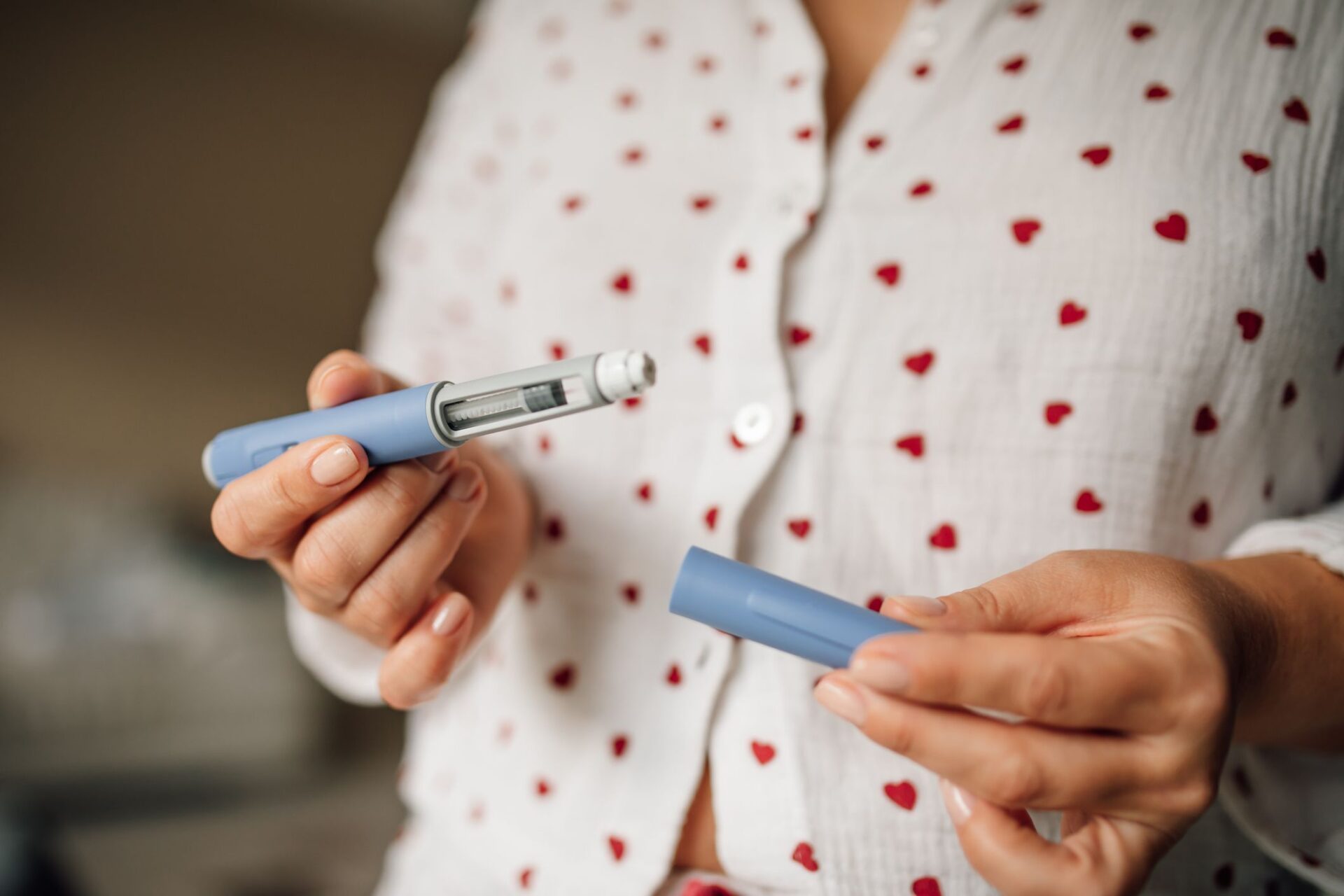
:max_bytes(150000):strip_icc():format(jpeg)/Health-GettyImages-PharmacistsGLP1s-091528aad5314e0f94e92880dee97289.jpg "Female hands holding blue GLP-1 pen with cap removed, preparing for injection.")
- Pharmacists can provide you with information about the right way to store your GLP-1s.
- Pharmacists can advise you on the symptoms to expect with a new dose change.
- You do not have to wait till you have an emergency to contact your pharmacist.
Glucagon-like peptide-1 (GLP-1)receptor agonists, such as semaglutide (Ozempic and Wegovy), have become extremely popular for weight loss. However, GLP-1s were initially approved by the U.S. Federal Drug Administration (FDA) to manage blood sugar in people with type 2 diabetes, and they're still often prescribed for this purpose. Regardless of why you're using them, pharmacists are uniquely positioned to help you make the most of your treatment while managing adverse side effects.
1. They Can Provide Counseling on Proper Administration and Storage
Pharmacists are experts in medication therapy management and can help you counsel on the proper administration of your GLP-1 medication, including how to use the injection pens and rotate injection sites.
Knowing and using the right injection technique can help you reduce injection site injury and side effects that may arise from administering your medication incorrectly.
Pharmacists can also provide you with information about the right way to store your GLP-1s and how long you can store them for. GLP-1s may have different storage conditions and storage times.
For example, Wegovy and Ozempic injections are recommended to be stored in the refrigerator between 36 and 46 degrees Fahrenheit. However, once opened, Ozempic can last up to 56 days, while Wegovy injection pens are single-use only and can last up to 28 days if unopened.
Oral GLP-1 tablets have different storage and administration requirements than injections. Always contact your pharmacist if you have any doubts about how to use or store your GLP-1s.
2. They Can Help You Manage Common GLP-1 Side Effects
Side effects of GLP-1 are often worse when you start taking GLP-1 or when your dose is increased because your body is adjusting to the medication.
Pharmacists can also advise you on the symptoms to expect with the new dose change. They can work closely with you to manage GLP-1 side effects, including nausea, vomiting, diarrhea, constipation, and abdominal discomfort.
If needed, they can recommend short-term medications such as antacids or antidiarrheals to help manage bothersome GLP-1 side effects. They can also help you manage any reactions at the injection site and teach you what to do to minimize these reactions.
3. They Can Help You Stay Consistent With Your Medications
If you are finding it difficult to be consistent with your medication, a pharmacist can provide the right counseling to help you adhere to your treatment, increasing your success rate. They can help you stay consistent when you travel, during holidays, or when your routine disrupts your medication schedule.
For people taking Ozempic or Wegovy for weight loss, pharmacists can guide you and provide relevant patient education to help you maintain weight loss even after you discontinue your medication.
4. They Can Help You Attain GLP-1s
Pharmacists can also help you access your prescribed GLP-1s and advise you on how to obtain these medications at the lowest possible cost. Pharmacists can help you save on Ozempic by recommending available copay cards, patient assistance programs, and general cost-saving options. They can also help you navigate insurance and prior authorizations, including what your plan covers.
In case of a shortage, pharmacists can refer you to alternative pharmacies that have GLP-1s or, when necessary, to direct-to-consumer options.
When to Talk to Your Pharmacist
You do not have to wait till you have an emergency to contact your pharmacist. They are often available to answer any questions you have about your GLP-1s, including administration, new symptoms or bothersome side effects, dose adjustments, or medication access.
Some pharmacies offer a telehealth/video visit, so you do not have to go in person to receive support.