Fact checked by Nick Blackmer
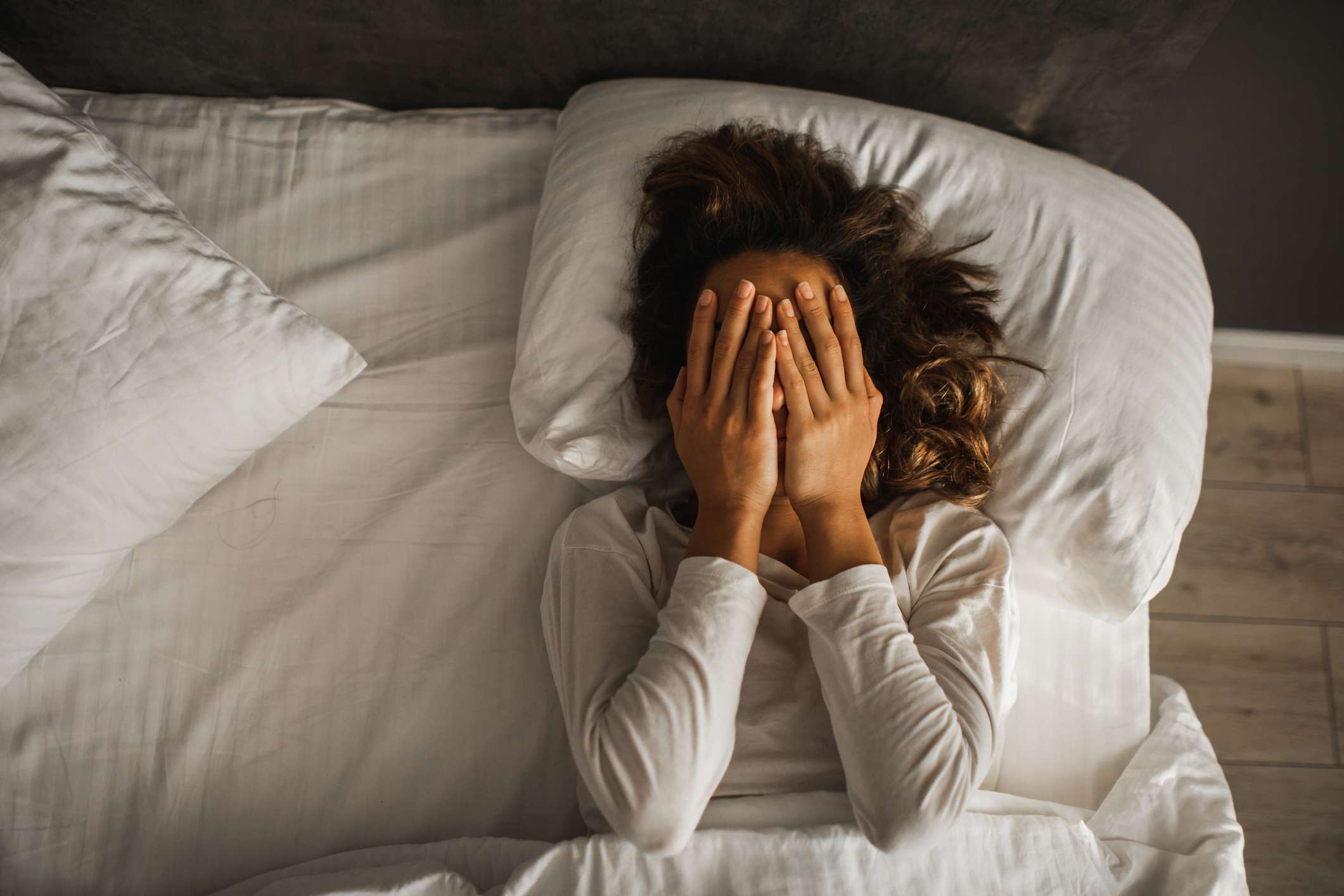
:max_bytes(150000):strip_icc():format(jpeg)/Health-GettyImages-NighttimeHabitBadforSleep-41a5a2ee65ed4565817c432b2d92a8e6.jpg "A woman in bed covering her face, unable to sleep")
- Doomscrolling before bed can make it harder to fall asleep and lowers sleep quality.
- Screen light and negative content increase alertness and disrupt your body’s natural sleep rhythm.
- Limiting phone use at night and building a relaxing bedtime routine can improve sleep and mental health.
Sometimes, no matter how hard you try, you just can’t fall asleep at night. Sleep experts say that “doomscrolling”—something many people use to unwind—may actually be the culprit. Here’s why this common habit meant to relieve stress is actually making things worse.
What Is Doomscrolling?
If you like to hop in bed with your phone or tablet and scroll through the latest news and events, you’re doomscrolling, a term coined during the pandemic. Unfortunately, this popular habit can take a toll on your mental health—and your sleep.
In an online survey of 2,007 adults in June 2025, the American Academy of Sleep Medicine (AASM) found that 38% reported that doomscrolling worsens their sleep at night. This habit affected young adults ages 18 to 24 the most, with 46% reporting sleep issues as a result of scrolling before bed.
Another study found similar results, with researchers noting that doomscrolling can also cause significant anxiety, uncertainty, fear, and feelings of distress. These feelings then caused people issues with falling asleep and lead to poor sleep quality.
How Does It Affect Sleep?
Experts say the blue light emitted by screens, combined with online content that can trigger a variety of negative emotions, can trick your body clock into becoming more alert. This heightened alertness, which is sometimes on par with daytime alertness, disrupts your circadian rhythm and makes it more difficult to fall asleep. The next day, you may not feel as mentally sharp and have trouble concentrating. You may also have a headache, feel moody, and be extra sleepy.
In fact, one team of researchers noted that doomscrolling could lead to everything from anxiety, stress, and loneliness to attention issues, hopelessness, and even suicidal thoughts. They also noted that doomscrolling can cause a fear of missing out (FOMO) and even be associated with nomophobia, or the fear of being without a working cell phone.
If doomscrolling becomes an ongoing habit, the loss of sleep increases your risk for high blood pressure, heart disease, and diabetes.
What Can You Do to Decrease Your Doomscrolling Habit?
If you feel like doomscrolling has been interfering with your sleep, mental health experts recommend setting limits on your phone use. Try using a screen time app that sets limits on social media use, turning off push notifications, setting a timer for when you scroll, or even putting your phone in airplane mode and in a different room. Then, look for other ways to fill your time, like reading a book, listening to music, doing a puzzle, or engaging in something relaxing, like deep breathing.
You should also make scrolling in bed off-limits, especially for about 30 minutes to an hour before bed. Not only is the blue light from the screen disruptive to your sleep, but scrolling through social media or the news that close to bed is likely interfering with your sleep. Designate a different time of day to get your news, and set a time limit for how long you scroll through it.
You can also curate your social media feed to ensure you are getting the information you want.
Other Tips for Improving Sleep
Getting regular, quality sleep is the key to good health and overall well-being. Here are some other ways you can improve your sleep:
- Create a sleep schedule you can stick to that makes sleep a priority
- Aim for a minimum of seven hours of sleep each night
- Establish a nightly relaxation routine that helps your body prepare for sleep
- Keep phones, tablets, and computers out of your bed
- Make sure your sleep space is cool, dark, and clean
- Prioritize light activity or exercise during the day so your body can unwind
- Wake up and go to bed at the same time every day, even on weekends
- Limit alcohol and caffeine close to bedtime