Medically reviewed by Qin Rao, MD
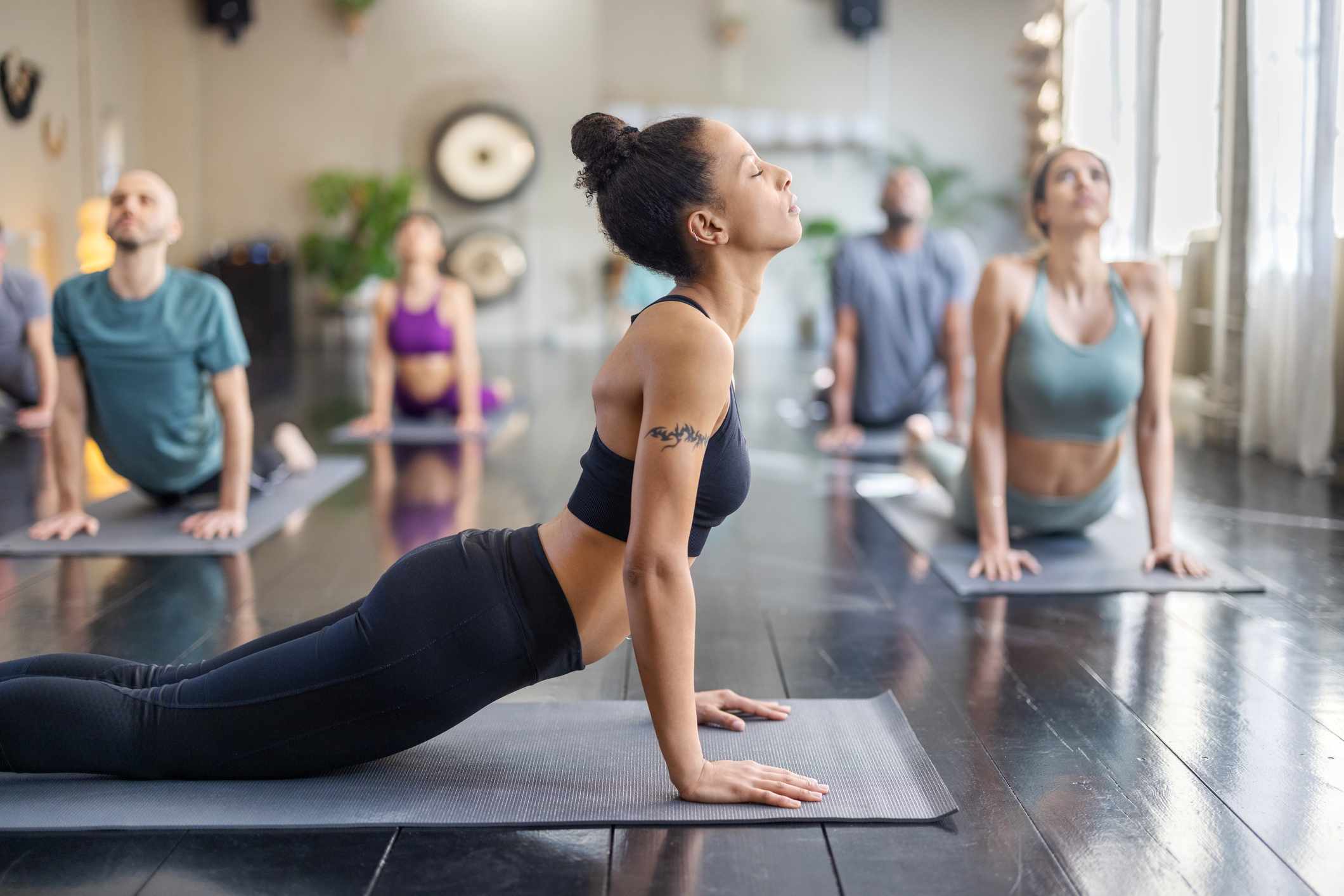
:max_bytes(150000):strip_icc():format(jpeg)/Health-GettyImages-2161311880-f95c03a6487f42c59f298e5f7d9d2267.jpg "A group of people practicing yoga indoors performing an upwardfacing dog pose on yoga mats")
Credit: Luis Alvarez / Getty Images
- Aerobic exercise, like walking, running, cycling, and swimming, is a well-researched way to improve IBS symptoms.
- Resistance training may help reduce inflammation associated with IBS.
- Mind-body exercises like yoga and Tai Chi can improve both physical and mental symptoms
Living with IBS can be uncomfortable and stressful. In addition to dietary changes and other treatments recommended by your healthcare provider, certain forms of exercise may also help provide physical relief and improve your mental health.
1. Walking
Walking is one of the most well-researched types of physical activity for people with IBS. It has been shown to reduce physical symptoms like bloating and abdominal pain, as well as related mental symptoms like anxiety, depression, and stress.
Walking is a type of aerobic activity, a category of exercise that also includes running, swimming, and cycling. Aerobic exercise can benefit your physical and mental health, and may increase the good bacteria in your gut, which is especially crucial for IBS. This has been shown to improve IBS symptoms such as gassiness, stool pressure, and diarrhea for people with IBS-D, or IBS with diarrhea as the main symptom.
Because walking is so gentle, it’s a good way to get started with your physical activity plan. You might find extra enjoyment by walking with a friend or along an outdoor path.
2. Running
Running has similar benefits to walking, while providing a more intense workout. One study examined the benefits of running and walking on a treadmill. The researchers found that treadmill exercise can improve both IBS symptoms and quality of life.
Just like walking, running with someone or running outdoors might boost the mental health benefits. You can slowly increase your distance and speed over time, especially if you’re a beginner.
3. Swimming
Swimming is another type of aerobic activity that can improve your IBS symptoms. It may be particularly helpful if you have existing joint pain or injuries, because it’s gentler on the joints than walking or running. Swimming can be relaxing, which may have mental health benefits. It's also a full-body workout, so it may help you feel stronger overall.
4. Cycling
Another kind of aerobic activity is cycling—or riding a bike. Just like swimming, cycling can be more gentle on the joints than running or walking. You might choose to ride outside, or you can get your workout in on a stationary bike. If you’re looking for community, you might be able to join cycling classes at your local gym or virtually, or look for a cycling group in your area.
5. Resistance Training
Resistance training, which includes weightlifting, bodyweight exercises like push-ups and squats, and workouts that use resistance bands, is another good way to improve your IBS symptoms. It’s not as well studied as aerobic exercise for IBS, but some research shows that resistance training can support the gut barrier, which helps reduce chronic inflammation, common among people with IBS.
As with any other kind of exercise, if you’re lifting weights, it’s important to start slow and increase the weight over time so as not to injure yourself.
6. Yoga
Yoga’s benefits for IBS have been well documented through research. Yoga is a “mind-body” exercise, meaning it combines stress reduction with physical activity. This makes it especially beneficial for IBS, as it's common for people with IBS to experience anxiety, depression, and stress. Yoga may be just as effective in reducing symptoms as a low-FODMAP diet, a common nutritional recommendation for people with IBS.
Yoga classes in which you move through poses, regulate your breathing, and meditate may be more beneficial for IBS than other kinds of physical activities. You may want to try a hatha yoga class, which, in one research study, reduced IBS symptoms and improved stress, fatigue, and quality of life for participants with IBS.
7. Tai Chi
Another kind of mind-body exercise, Tai Chi, can also be effective in reducing IBS symptoms, particularly if you have IBS-C, or IBS characterized by constipation. In a 2025 study, Tai Chi was shown to be slightly more effective than aerobic exercise at reducing symptoms of constipation, and both types of exercise improved mood. Another 2022 study in people with IBS-C found that weekly virtual Tai Chi sessions improved symptoms, quality of life, and anxiety related to IBS.
How to Make an Exercise Plan to Relieve your IBS
With all of these choices, it might feel overwhelming to make your exercise plan. Remember, choose activities you actually enjoy, as it will make sticking to your plan much more doable.
Here are some additional tips to find success in your exercise plan:
- Start with low- or moderate-intensity exercises, and gradually increase intensity.
- Combine different types of exercise. Research shows that combining aerobic exercise and resistance training can support your body more comprehensively than either type alone.
- Do something with others, like walking with a friend or joining a local yoga class.
- Meet with a physical therapist or fitness professional to develop a customized workout plan for you.
- Support your training by eating a balanced diet, drinking plenty of fluids, and getting enough sleep.
- Set realistic goals for yourself that you can stick to long-term.
- Measure your progress through fitness trackers, exercise logs, or check-ins with your healthcare provider, and celebrate your minor wins.
- Join an IBS support group or online community to find other people with similar experiences.