Medically reviewed by Kate Colby, MPH
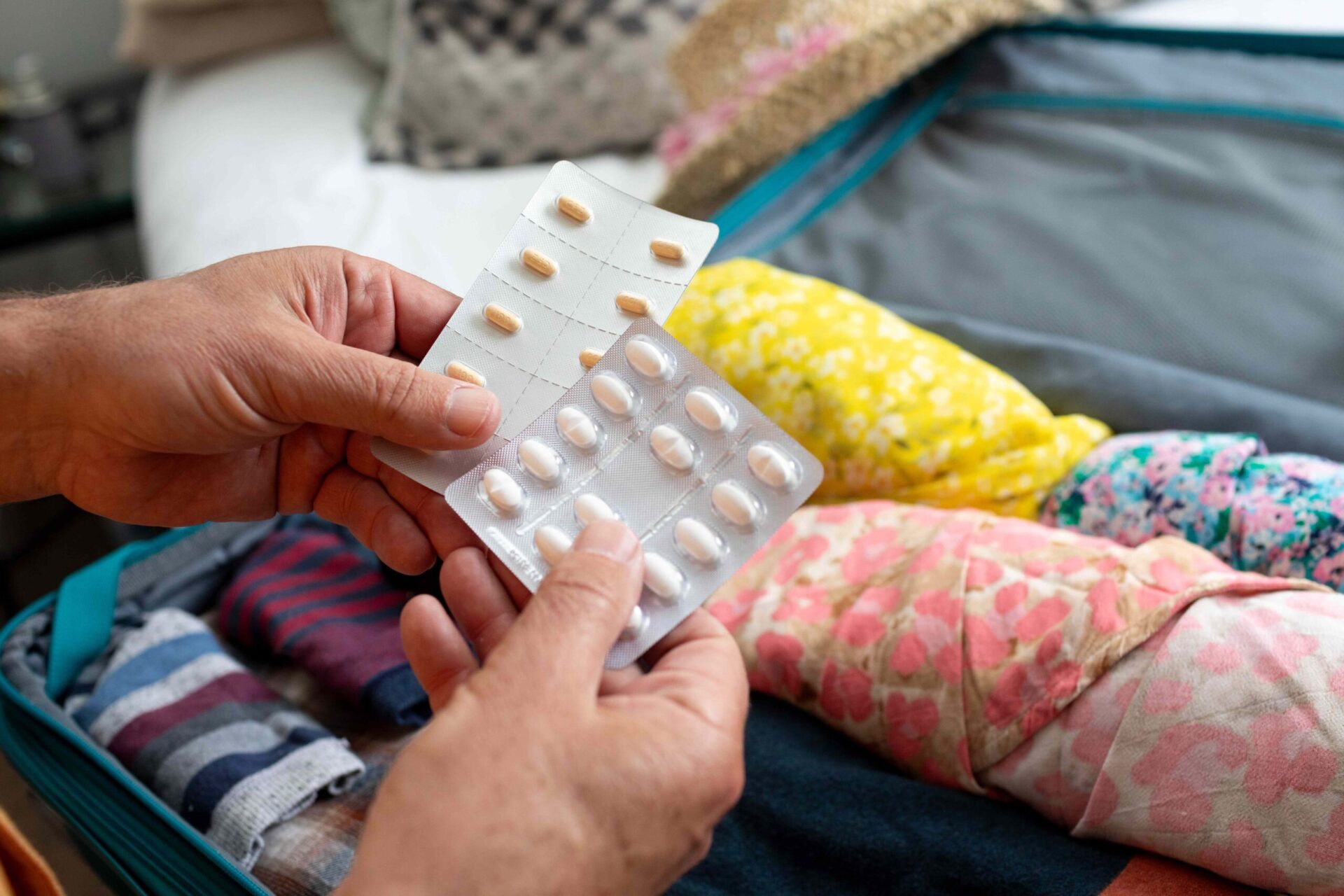
:max_bytes(150000):strip_icc():format(jpeg)/Health-GettyImages-2271132286-0f5d63d85fc146fe9c3736acf17020b0.jpg "Hands holding medication blister packs above an open suitcase containing folded clothes")
Credit: Peter Carruthers / Getty Images
- Storing medications improperly while traveling—like in heat, humidity, or loose containers—can reduce their effectiveness or cause damage.
- Common mistakes include keeping meds in bathrooms or checked luggage, where conditions can be unstable.
- Experts recommend storing medications in their original packaging and keeping them cool, dry, and easily accessible.
You might not put much thought into traveling with your medications—just toss them in your bag and head out, right? But your drugs can get damaged or lose their effectiveness in the wrong spots, potentially leading to health consequences. Here are the worst places to keep your meds while traveling.
1. Loose in a Plastic Bag
It's risky to combine medications in one container when you travel. You may assume you'll recognize the color or shape of your drugs, but it can be easy to get confused and take the wrong medication or dose—especially when you're fatigued from traveling. Plus, your pills are more likely to get damaged or crushed in a plastic bag.
The fix: Keep your drugs in their original bottle or packaging (which will also help with any questions at airport security). If you use a pill organizer, pack it empty and fill it up at your destination.
2. The Hotel Bathroom
Many people keep their medications in the bathroom, but drugs need to be stored in a cool, dry place, and bathrooms tend to be hot and humid. This environment can degrade your meds, making them less potent. Water from the shower, bath, or sink could also damage your drugs.
The fix: Keep them in the bedroom on a dry counter, in a drawer, or in your bag. The hotel safe is also a good choice, especially if your medications are considered a controlled substance, like Adderall or Xanax.
3. Your Checked Luggage
Even if you don't need your meds in-flight, you shouldn't put them in your checked bag—they may be exposed to extreme temperatures in the airplane's cargo hold, or to precipitation during transit. And there's always the risk that the airline could lose your luggage, leaving you without your meds.
The fix: Put your drugs in your carry-on instead to keep them safe.
4. In Direct Sunlight
Like high temperatures, direct sunlight can degrade medications and reduce their effectiveness, and taking ineffective drugs can lead to health issues over time.
The fix: Keep medication away from car or hotel windows, and make sure they're covered in your bag when you're outside.
5. A Hot Car
Your meds can degrade if you leave them in a hot car for a long period of time. While driving, avoid putting your drugs in hot spots in the car, such as the glove box, trunk, floorboards, or near heating vents.
The fix: Put prescription bottles in a small bag you can carry with you and place it on the backseat while driving, away from vents and direct sunlight. Cold packs can also help if your medication requires temperature control, such as insulin and GLP-1 injections.