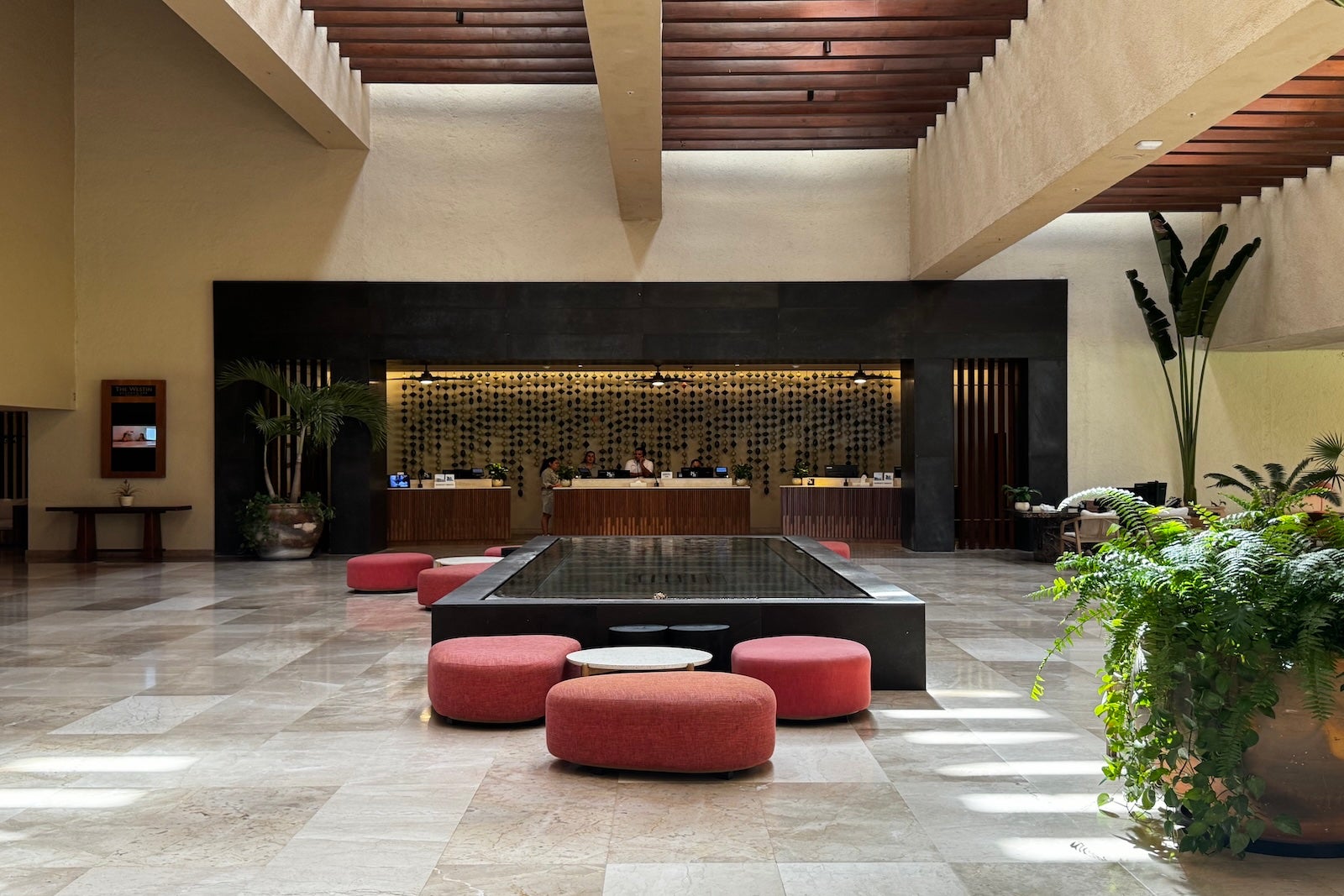

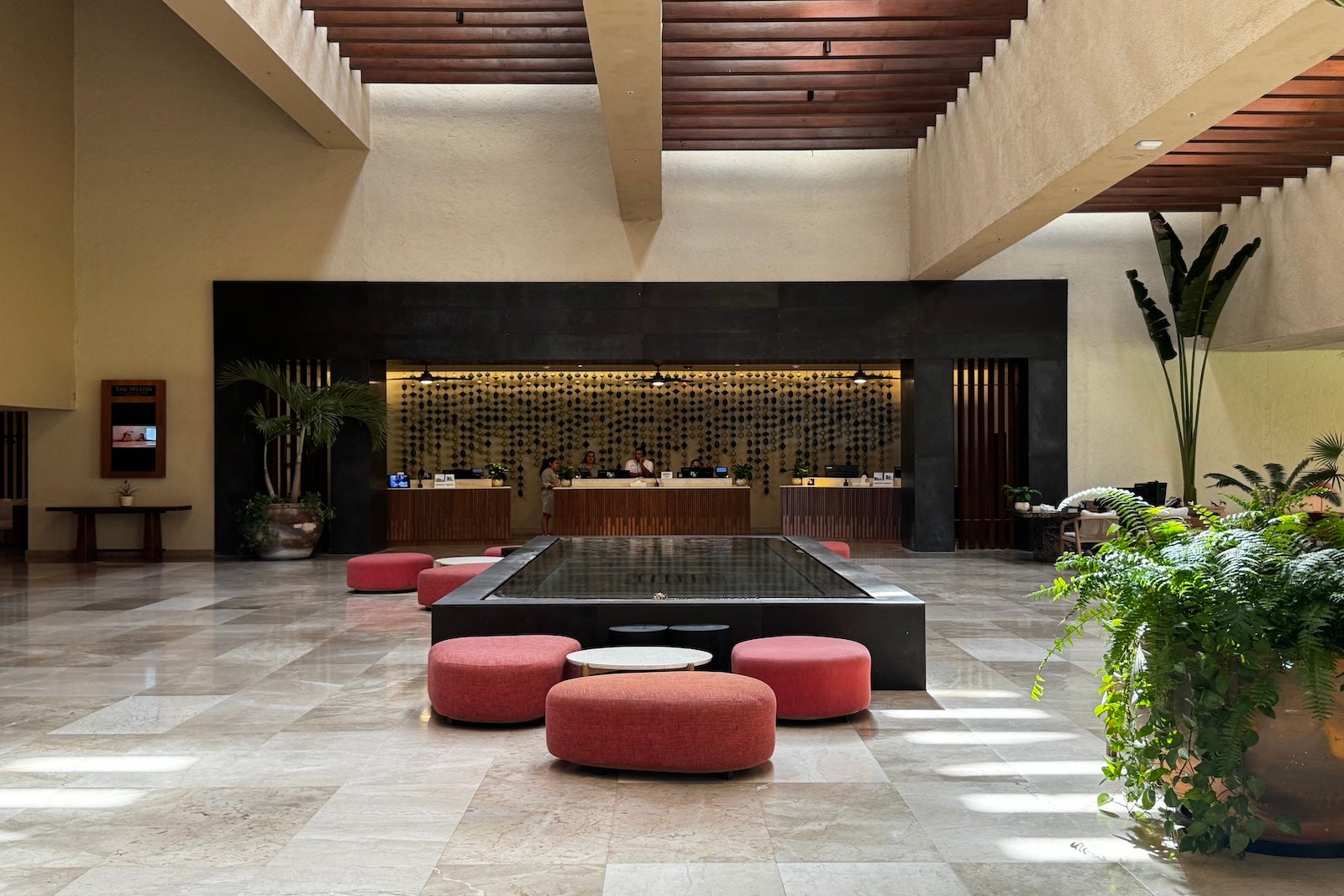
Walking into the open-air lobby of the newly minted Westin Playa Vallarta, an All-Inclusive Resort captures the essence of what many hotels aim to impart on their guests: leaving stress at the door and stepping into a state of all-encompassing relaxation. It’s fitting for a Westin, as the brand weaves an ethos of wellbeing throughout each of its distinct properties.
Here, perched against the glimmering waters of Puerto Vallarta’s Banderas Bay, a consistent ocean breeze ambles through the sunlit halls, lush greenery cascades from every corner of both the interior and the exterior, and, perhaps most notably, the warm staff members are willing to help with any request or just stop to have a friendly chat. Thoughtful details throughout the property — like local art, spa experiences borrowing from centuries-old traditions and a plethora of cultural activations — ensure that a sense of place is paramount.
“We are thrilled to welcome travelers to this new chapter in upscale all-inclusive travel,” Hugo Lecanda, the property’s general manager, said in a recent statement from Marriott. “As more travelers opt for seamless, elevated experiences that nourish both the mind and body, we invite our guests to embrace a new way to experience Mexico’s Pacific Coast.”
And nourish both the mind and body the resort did. The original hotel opened in 1993 and has since welcomed back many returning guests — everyone from multigenerational families to adult friend groups to couples — seeking that hallmark sense of nourishment over the past three-plus decades. Following this multimillion-dollar renovation, which has touched nearly every part of the on-property experience, many of those repeat guests have the same question: Will the all-inclusive model work as the resort enters a new era?
Based on the time I spent at the hotel just days after it entered Marriott’s ecosystem as The Westin Playa Vallarta, an All-Inclusive Resort, I think the answer is yes. With renovated guest rooms, the addition of adults-only swim-up rooms, redesigned pools, and refreshed wellness and dining programs, The Westin Playa Vallarta certainly felt nourishing to both the body and the soul.
Here is a first look at The Westin Playa Vallarta, an All-Inclusive Resort.
A biophilic design brings the outdoors inside
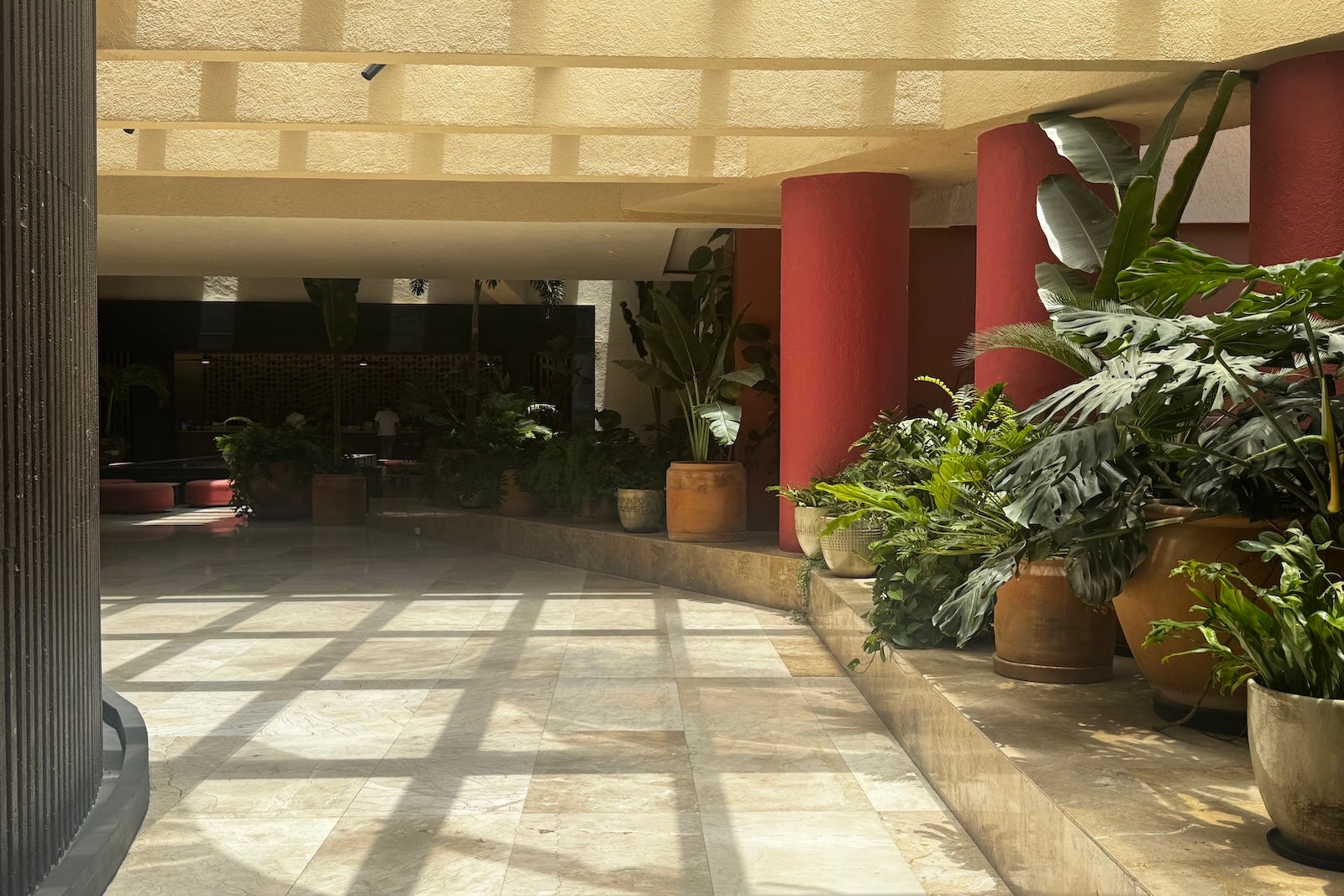
From the open-air lobby to the wide sun-drenched halls to the guest rooms with panoramic windows, sunlight and greenery set the tone throughout The Westin Playa Vallarta, which was exactly the intention of Sordo Madaleno Arquitectos, the agency behind the renovation and remodeling.
1 of 4
ELLIE NAN STORCK/THE POINTS GUY
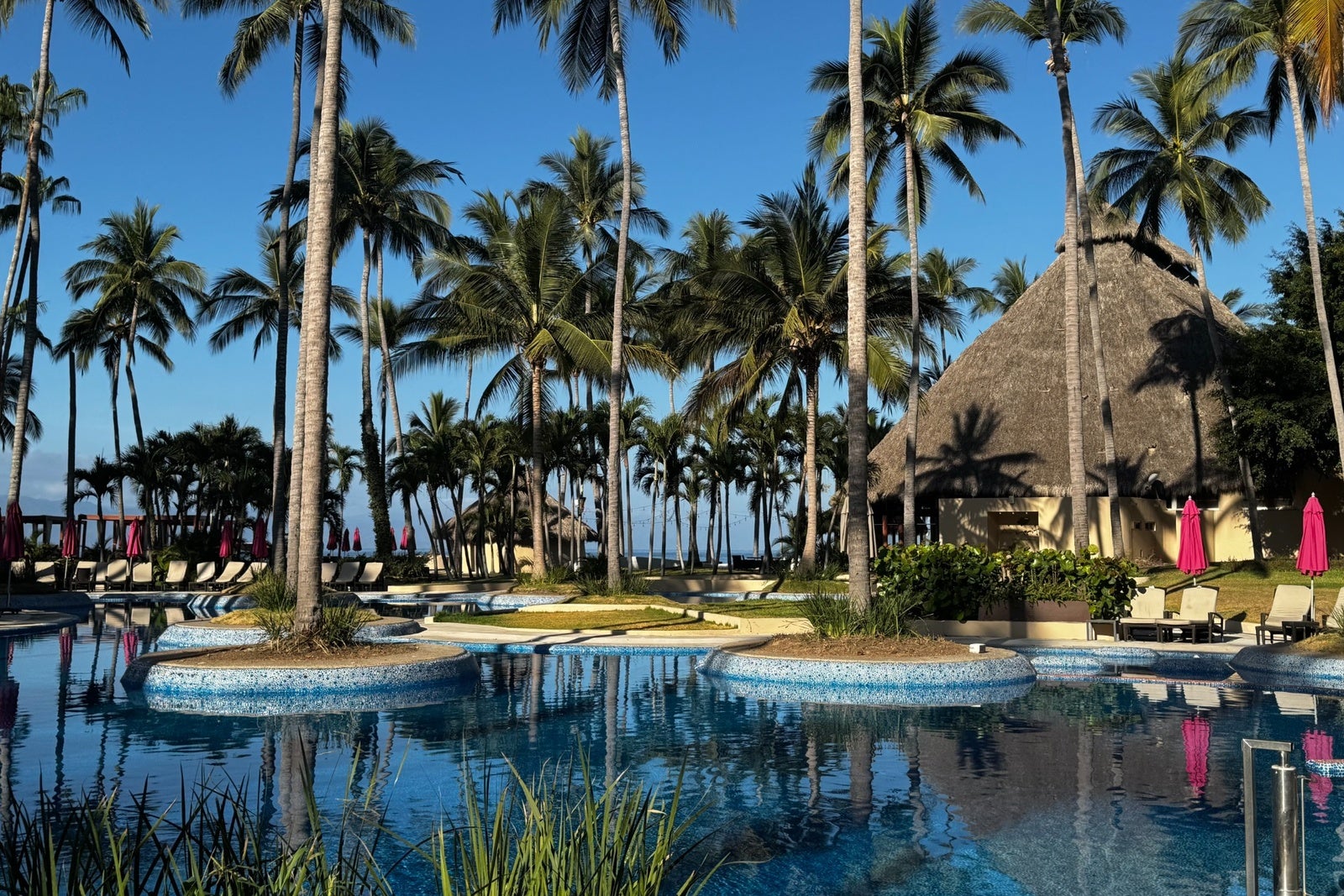
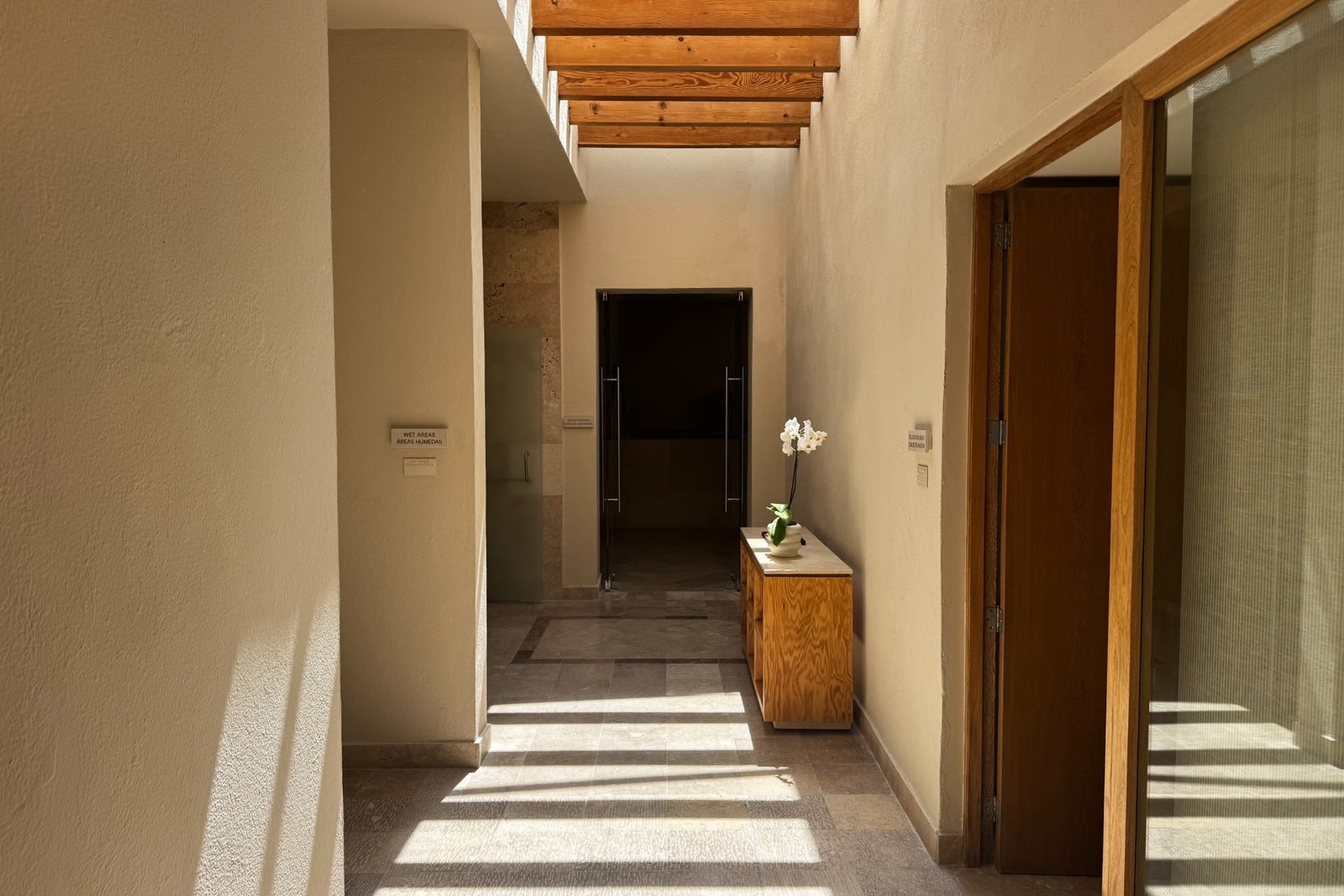
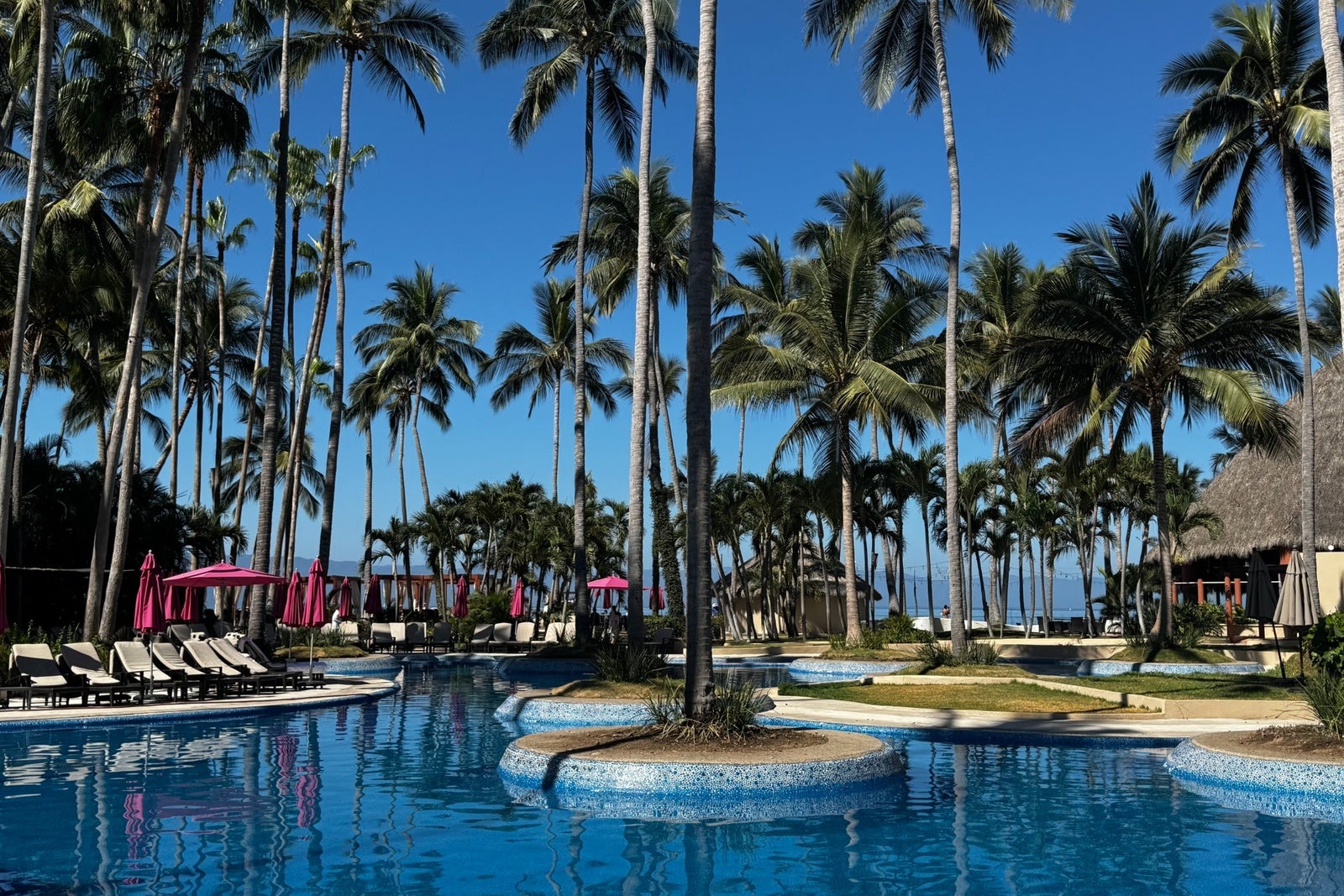
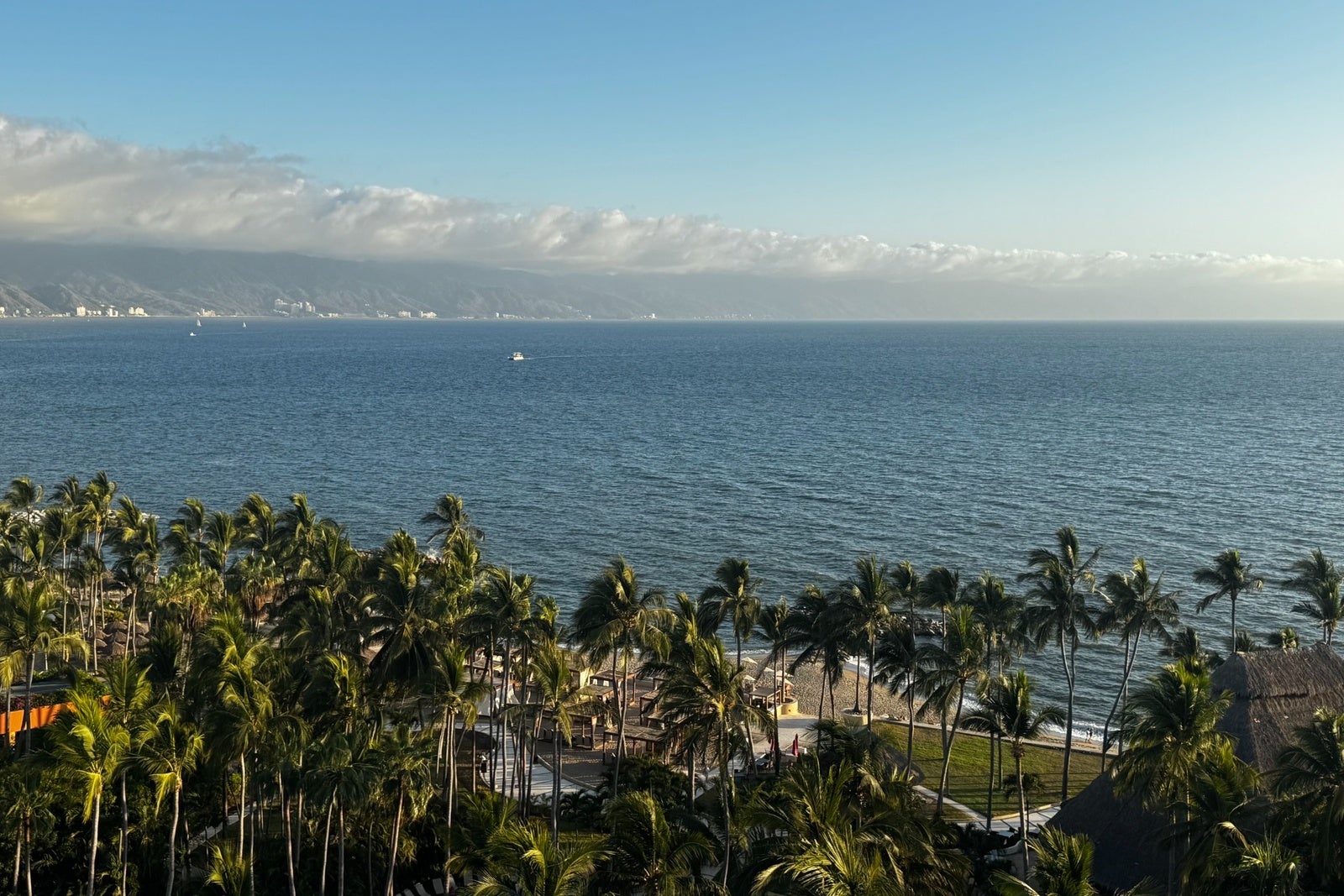
Afternoon light pours in from slats in the ceiling, casting beautiful patterns onto the stone and marble floors. Dappled sunlight drifts down between palm fronds and tree branches onto the glistening waters of the side-by-side pools. Vegetation is abundant both inside the resort and across its lush grounds — once a coconut farm, the property is home to some 300 towering palm trees that lead you straight to a soft swath of quiet beach along Banderas Bay’s gentle shoreline.
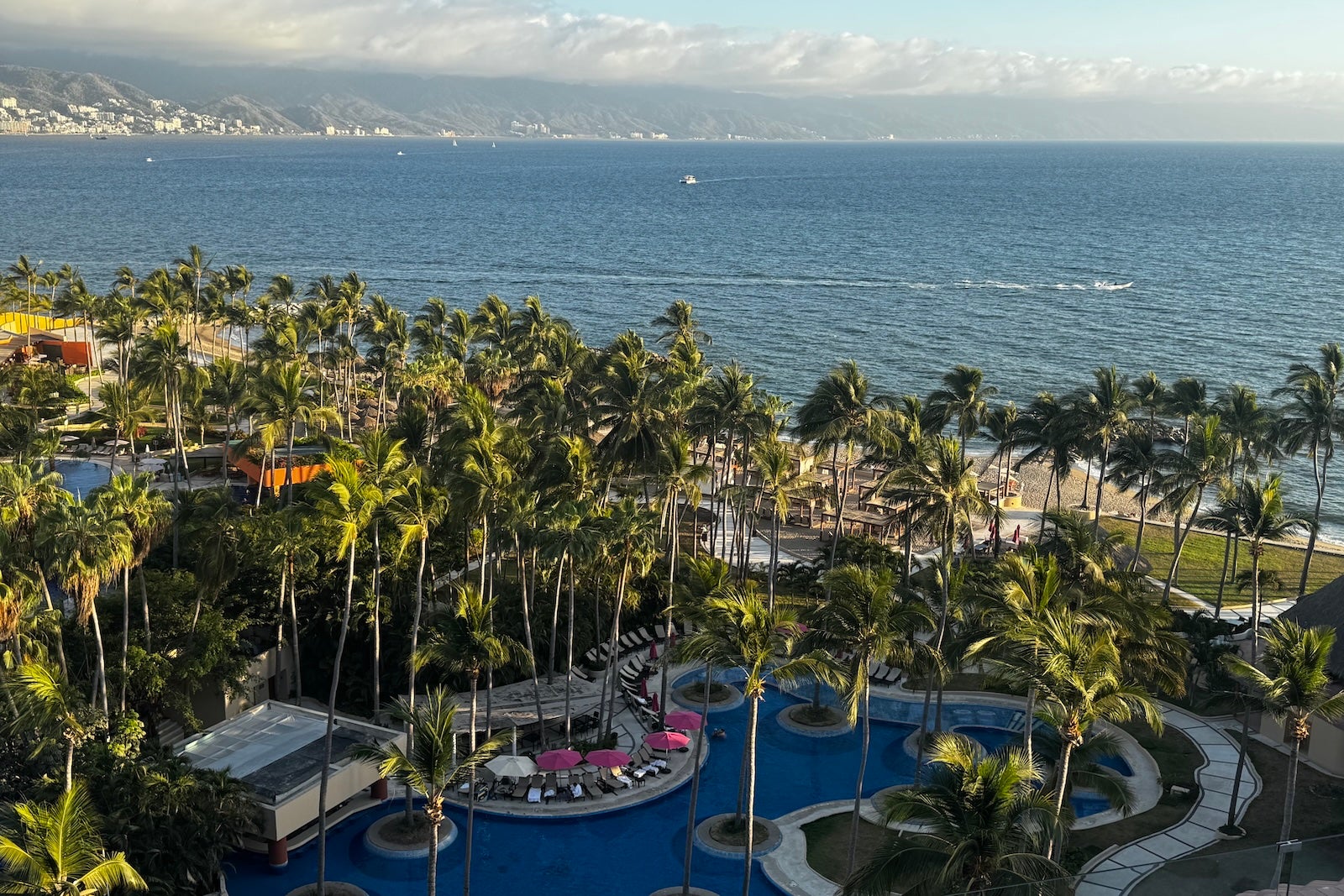
With the Sierra Madre mountains in the distance beyond the water, it’s a stunning scene, whether you’re looking out from one of the top floors or a poolside cabana.

Reward your inbox with the TPG Daily newsletter
Join over 700,000 readers for breaking news, in-depth guides and exclusive deals from TPG’s experts
Refreshed interiors from Uribe Krayer and Vida Design Studio complement the light-filled property, with subtle splashes of deep reds and vibrant blues throughout in the form of tastefully upholstered chairs, patterned pillows and statement walls.
The room
1 of 4
ELLIE NAN STORCK/THE POINTS GUY
My Heavenly Pool Panoramic Suite, one of 280 guest accommodations, measured in at 581 square feet. Like the rest of the property, the room was all about what lies outside: bountiful sunlight and that striking waterfront location.
Inside, I was delighted to find a king-size Westin-branded Heavenly bed with soft white linens (it did, as promised, deliver a blessedly heavenly slumber). There was a spacious seating area with a comfortable couch and a small table that looked out over the balcony and to the idyllic view beyond, the scene itself almost like a massive mural. Next to the window was a sizable flat-screen TV (though with that view, I didn’t feel the need to turn this on even once). The room also featured a minifridge with refreshments like soft drinks and water, as well as a coffee machine with coffee pods, tea and some light snacks.
1 of 3
ELLIE NAN STORCK/THE POINTS GUY
The crown jewel of the suite was certainly the water-facing balcony, which drifted out from the room beyond sliding glass doors. From there, I could enjoy magnificent views of the resort grounds, Banderas Bay and the Sierra Madre mountains from one of two comfortable lounge chairs. The heated plunge pool (with adjustable temperature and lighting) was almost too good to be true, serving as an ideal place to start and end every day.
1 of 2
ELLIE NAN STORCK/ THE POINTS GUY
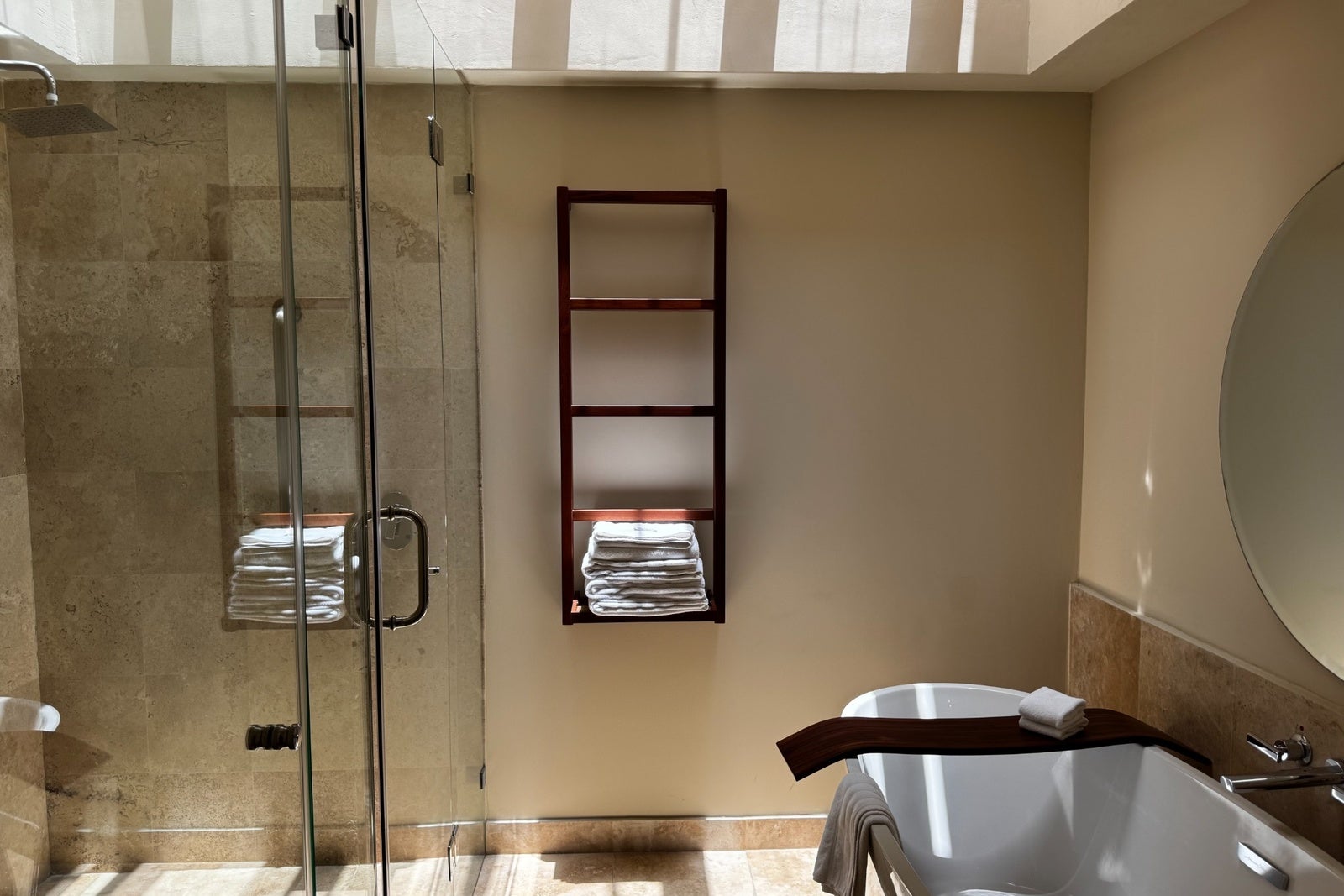
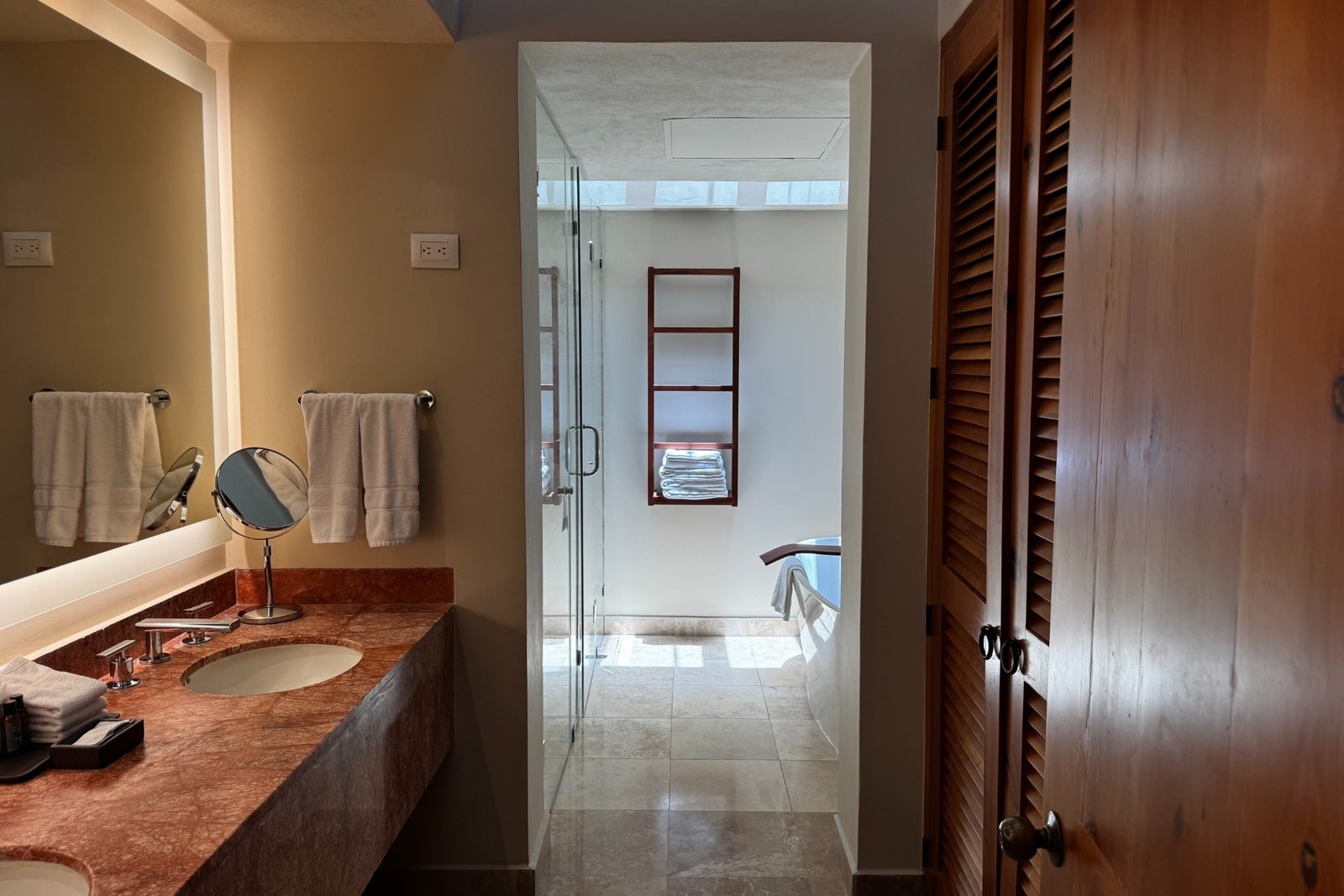
The bathroom was similarly an experience in and of itself, honoring the property’s theme of natural light. A huge skylight over the glassed-in shower and the chic stand-alone soaking tub allowed sunlight to pour into the space, reflecting off the dual vanity’s clay-hued, marbled surface that sat below a wall-spanning mirror. The closet contained all the necessities, including plush Westin-branded bathrobes, slippers, a safe and plenty of space to hang clothes. Toiletries were Westin-branded, with a refreshing white tea scent.
Dining at The Westin Playa Vallarta
1 of 3
ELLIE NAN STORCK/THE POINTS GUY
You won’t find the cookie-cutter buffets at The Westin Playa Vallarta — though there certainly are options aplenty when it comes to dining, from casual spots to grab a locally inspired bite to more refined outlets. Guests can enjoy six restaurants and four open-air dining and drinking outlets. Unique to this Westin is the Gourmet Gallery, a large food hall-style area that contains six restaurants. (I recommend making a reservation ahead of time, as it could get quite crowded.)
- At Call Me Lalo, I devoured a rich queso dip with fresh salsas, delectable steak tacos and crispy, house-made tortilla chips.
- At Agave Studio, I had the honor of sampling the chef’s special seasonal menu (available at an added cost), which included beef tartar with bone marrow, Cornish hen and asparagus, and a delicious tres leches for dessert. This program is offered alongside a special mezcal tasting, and the chef explains the pairing of flavors, yielding a very special experience.
- At Tanto, the upscale Mexican-Japanese fusion restaurant, I tasted tuna and salmon nigiri, some of the best miso soup I’ve had outside of Japan and delicious chicken fried rice.
- Flora, the open-air lobby bar offering stunning views of the towering palm trees, features light bites and fresh cocktails — if you go, try the esquites corn dip and thank me later.
In my eyes, the hallmark of a good all-inclusive is one that has a culinary program that primarily honors the local cuisine, and The Westin does just that, while adding in glimmers of other global cuisines so that guests have plenty of options to choose from during their stay.
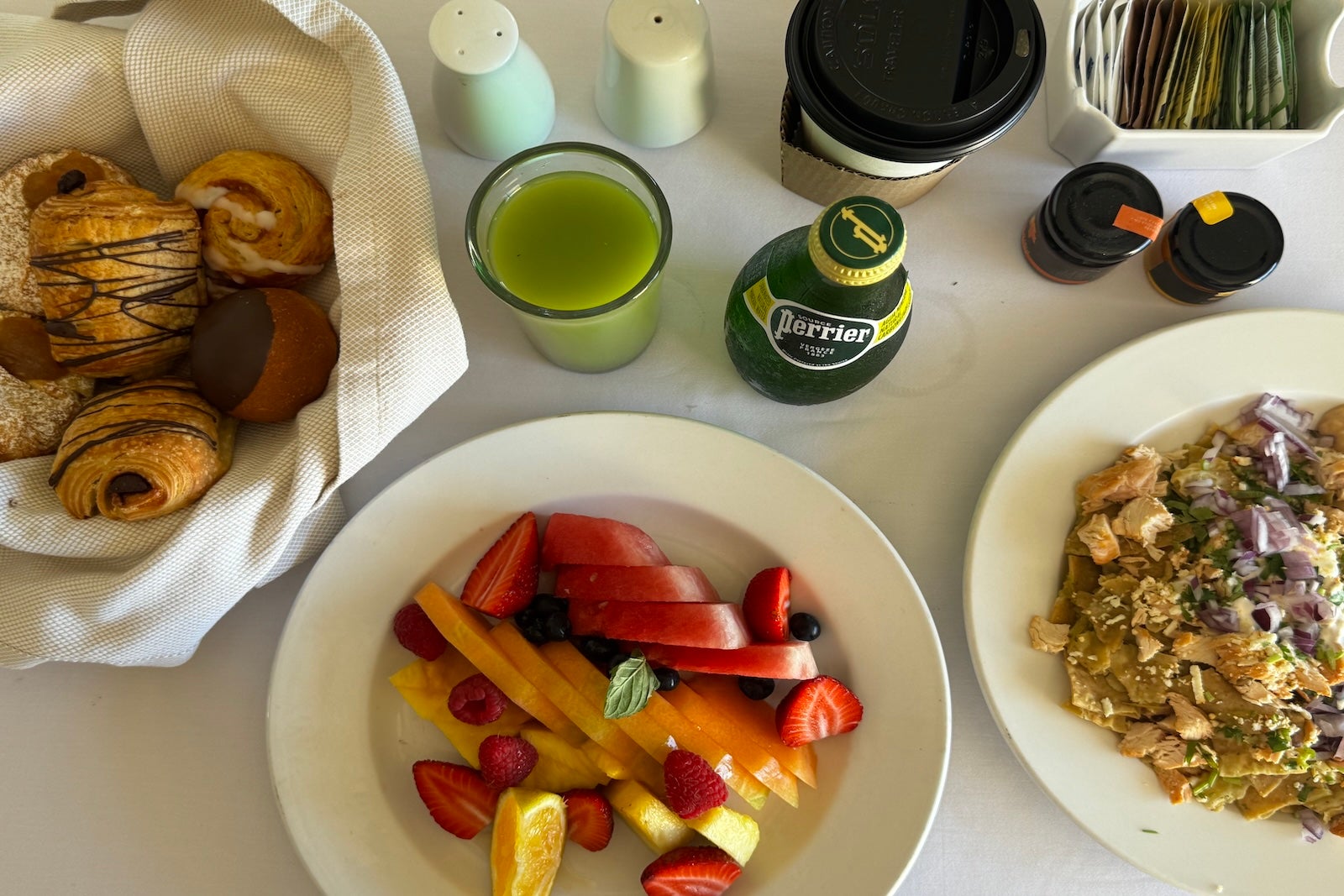
Room service is, of course, available — and for those in the right type of suite, I highly recommend enjoying at least one breakfast from the comfort of the balcony. I had delicious green-sauce chicken chilaquiles with a side of local fruit, fresh pastries, refreshing green juice and coffee. It kept me full all day and arrived fresh and hot within a half hour of ordering.
The spa and fitness center
1 of 2
ELLIE NAN STORCK/THE POINTS GUY
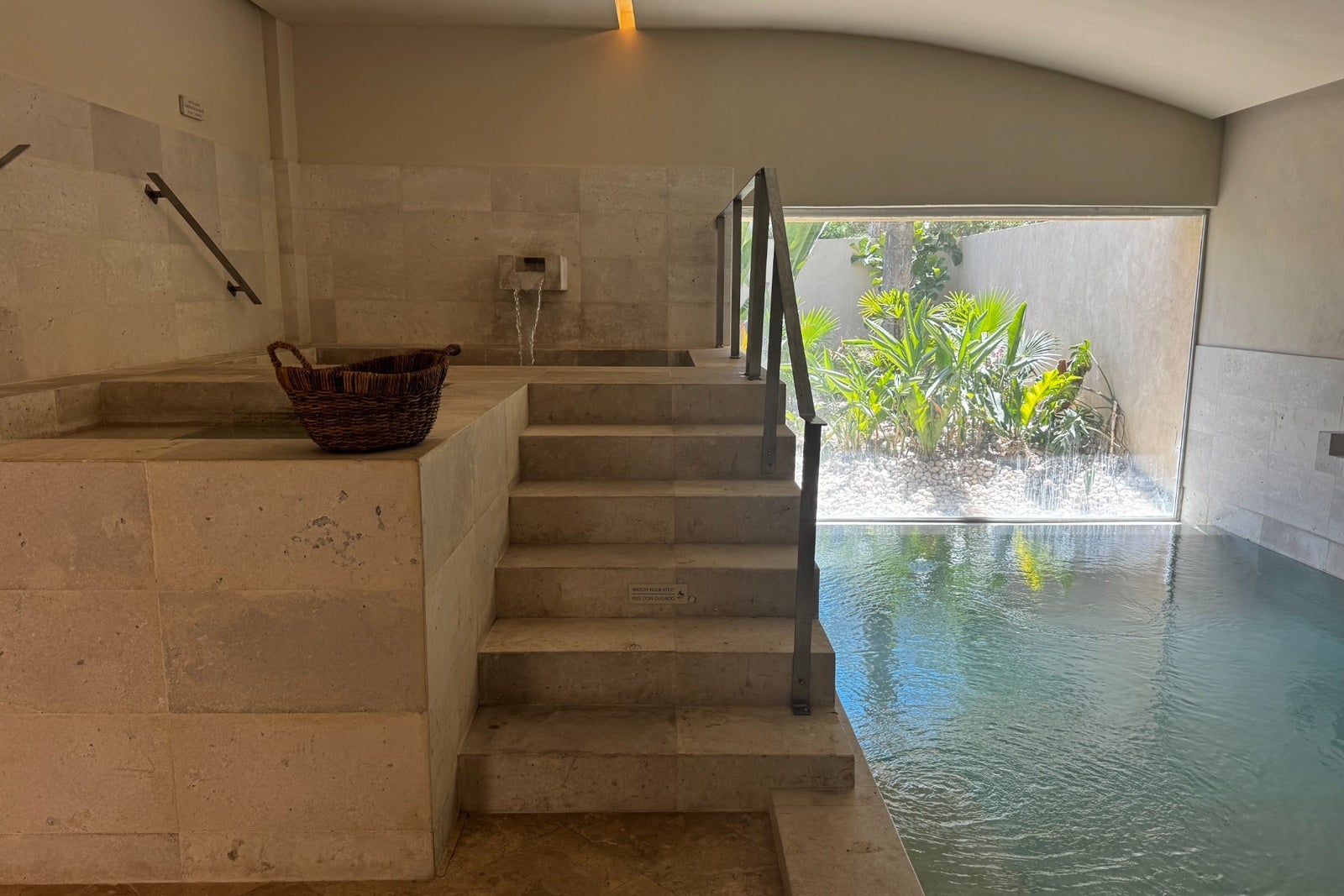
One of the biggest draws at The Westin Playa Vallarta is certainly the Heavenly Spa, which offers treatments like aromatherapy massages, reflexology and revitalizing facials. I especially loved my 80-minute hot stone massage ($215), expertly executed with just the right amount of pressure. My favorite part of the visit, though, was my time in the hydrotherapy circuit, which consists of a hot plunge, a cold plunge, a lukewarm pool overlooking greenery, a steam room and a sauna.
1 of 4
ELLIE NAN STORCK/THE POINTS GUY
And for those who fancy a workout, the fitness center was, by far, one of the most impressive hotel gyms I’ve ever encountered. It was, simply put, massive, with every piece of fitness equipment imaginable. There was a huge space for weightlifting, two rooms worth of cardio machines and a whole separate room with mats, yoga balls, more free weights and spin bikes for fitness classes.
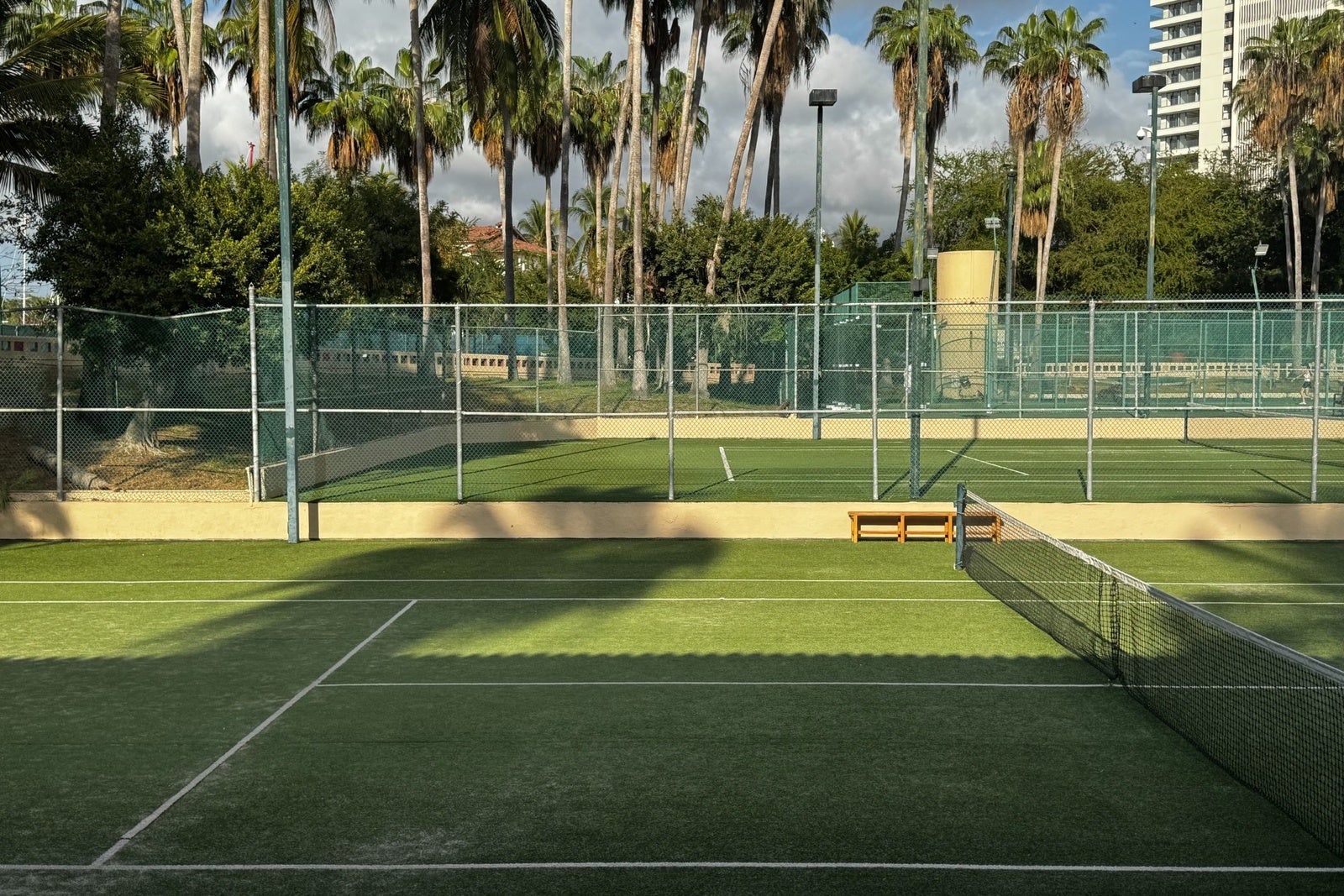
The entire space drifts out over a patio with seating for relaxing in the sun, right in front of stunning tennis courts that looked almost too perfect to touch.
Amenities and service
As one would expect at an all-inclusive points property, there are a handful of covered amenities and services at the property and then some offered at an extra cost, including:
- A massive on-site fitness center, tennis courts, padel courts and pickleball courts available for guest use (specialists are available at an additional fee)
- A spa with treatment rooms and hydrotherapy circuit facilities
- Weekly wellness activities, such as sound healing, sunrise yoga, kayaking, paddleboarding, fitness classes, meditation rituals and coastal biking
- An on-site kids club and family programming
- Beach access
- Two pools, one of which is adults-only and has a swim-up bar and a whirlpool
- Cabana rentals at both pools and the beach for a fee ($100 a day)
- Cultural workshops offered daily, some complimentary (like Wixarika and Alebrijes art classes) and some for a fee (like mezcal tastings and season chef experiences at Agave)
Locations and logistics
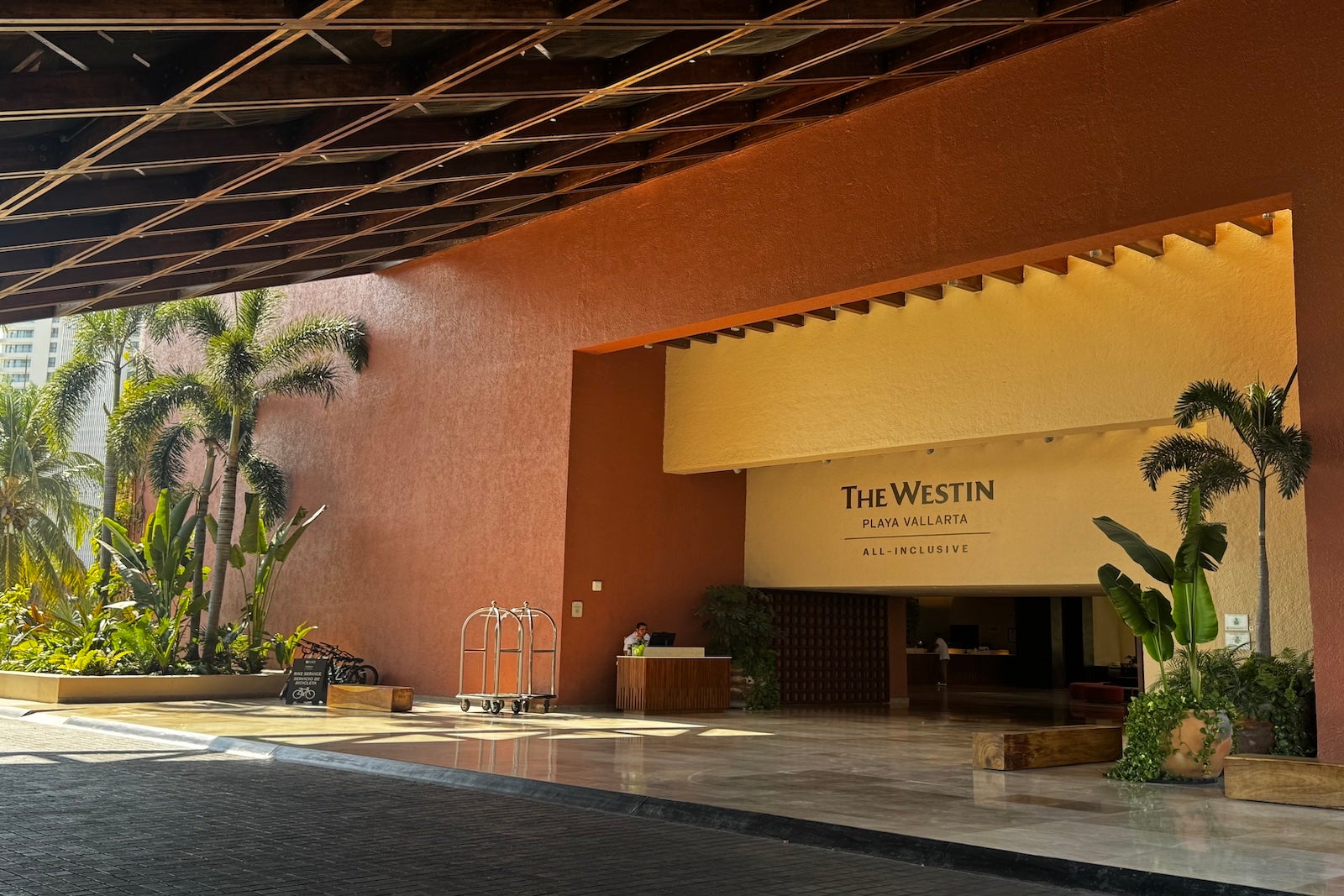
The Westin Playa Vallarta is located very close to Puerto Vallarta Airport (PVR), about 10 to 15 minutes away by car, depending on traffic.
We recommend asking the hotel to help arrange a private car service for you. Otherwise, you can grab a taxi from the airport.
What it costs to stay at The Westin Playa Vallarta and how to book it
Rates at this property throughout the year will certainly fluctuate depending on seasonal demand, with peak season around the winter holidays and spring break. We took a look at the hotel’s room rates over the next six months and found points rates starting from 89,500 Marriott Bonvoy points per night and cash rates starting from $346 per night.
Accessibility
The Westin Playa Vallarta, an All-Inclusive Resort features wheelchair-friendly elevators, as well as accessible pool entrances.
Accessible room types include multiple junior suite options, some with partial ocean views and some with swim-up pool options (the latter are adults-only).
In-room accessibility features include roll-in showers and mobility-accessible bathtubs.
Note that none of the accessible room types listed offer hearing-accessible features.
As always, TPG recommends that you reach out to the property directly before booking to ensure it can meet your needs.
Bottom line
Not all all-inclusive properties are the same — in fact, as the demand for this hospitality sector grows, we’re seeing more and more variation in what’s being offered by different brands and hotel companies. The Westin brand isn’t a stranger to creating all-inclusive products (we love The Westin Reserva Conchal, an All-Inclusive Golf Resort & Spa, for example) and it’s clear, even within the first week of its opening, that The Westin Playa Vallarta, an All-Inclusive Resort is going to give both new and returning guests, of all ages, a reason to use their Marriott points at this lovingly reimagined property along Banderas Bay.
Related reading:

Stacie Harris is a local resident and reporter of the Maple Grove area. Stacie reports on medicine and science for the Maple Grove Report.




:max_bytes(150000):strip_icc():format(jpeg)/Health-GettyImages-1359002988-c5035308e08d4f738370002f8c2c837b.jpg "A person holding a bowl with sliced carrots and apple pieces on their lap")