Do You Really Need a "Loading Phase" of Creatine?


Credit: Farion_O / Getty Images
  • Creatine is a well-researched supplement that supports energy production, exercise performance, and cognition.
  • A loading phase can saturate muscle stores faster and accelerate results, but it often causes water retention and potential digestive discomfort.
  • Skipping the loading phase still delivers the same long-term benefits, making it a simpler option for most people.

Ceatine is a compound of three amino acids (arginine, glycine, and methionine) that’s used to boost energy levels during workouts. But research shows that it may be tied to other health perks, including injury recovery and chronic disease management, preservation of bone mineral density, reduced inflammation, and lower fall risk in older adults—as well as improvements in short-term memory, cognitive function, and processing speed. If you're just starting to take creatine, you may have been told that you need to do a creatine loading phase—but is this really necessary?

What Is a Creatine Loading Phase?

Whether it’s with creatine or another dietary supplement, a “loading phase” refers to a period during which you take a larger dose of the supplement before lowering it to a maintenance dose. The idea is that by front-loading the supplement, you’ll begin to feel its benefits more quickly than if you started with a maintenance dose alone. With creatine specifically, a loading phase can saturate muscle creatine stores faster.

While a typical maintenance creatine dose is typically between 3 and 5 grams per day, a creatine loading dose could be as high as between 20 and 25 grams per day for five to seven days.

What Happens in Your Body During a Loading Phase

A creatine loading phase saturates your muscle phosphocreatine stores, helping your body reap the full benefits of this compound early. However, doing a loading phase will likely cause your body to retain more water than during a maintenance phase.

Creatine is an osmotically active compound, so it can increase both intracellular, extracellular, and total body water concentration. Drastically increasing creatine intake may be accompanied by bloating or weight gain of up to 2% of body weight due to water retention.

Pros of a Loading Phase

Studies examining the benefits of creatine loading have found encouraging results.

A 2021 study found that a seven-day loading phase of 0.3 grams per kilogram per day (approximately 27 grams of creatine for a 200-pound person) increased work and power output in individuals.

A loading phase of creatine was also positively associated with significantly higher brain creatine concentrations.

Ultimately, a loading phase may help you experience the benefits of creatine more quickly, such as increased muscle strength, performance, and endurance. This could be particularly beneficial for those with short-term goals approaching, such as a race or other athletic event.

Cons or Downsides

Rapidly increasing creatine intake with a loading phase can lead to water retention and resulting weight gain, and gastrointestinal (GI) distress like generalized discomfort, bloating, gas, diarrhea, or nausea.

Although some studies have found creatine loading phases beneficial, others have reported similar performance outcomes in individuals who started with maintenance doses without a loading phase.

Additionally, the kidneys filter and excrete creatinine (and some creatine) in urine. So, while research has not found it to negatively affect renal function or overall kidney health, there is conversation about the potential long-term effects (many years and decades) of taking excess creatine, particularly in people with pre-existing kidney disease. More research is needed.  

Is Loading Right For You?

While research has shown some benefit to a loading dose of creatine, you won’t miss out on the long-term benefits of creatine if you just start with a maintenance dose.

Loading phases may be helpful for those looking to reap creatine’s benefits on a tighter timeline, like athletes preparing for a race or competition. However, given the potential for water retention, weight gain, and gastrointestinal side effects associated with loading phases, it may be better to skip for general users, those just starting a fitness routine, or individuals with sensitive stomachs or pre-existing gastrointestinal concerns.

When shopping for any dietary supplement—creatine included—it’s important to choose a third-party tested product, as the Food and Drug Administration (FDA) does not regulate or test dietary supplements for purity, safety, and efficacy. When shopping for creatine supplements, look for verification from reputable organizations like the U.S. Pharmacopeia (USP) and National Science Foundation (NSF).




Source link

Leave a Reply

Subscribe to Our Newsletter

Get our latest articles delivered straight to your inbox. No spam, we promise.

Recent Reviews


Do your friends or family members love to share reviews of products purchased such as skincare or clothing hauls and more? With that being said, have you considered where you can find a similar one? Well, most of you might be doing the same!

This is the power of User-Generated Content (UGC): authentic, reliable content created by customers that significantly influences their purchasing decisions. Even a high-paid ad can beat this! According to reports, over 93% of marketers use UGC in their marketing strategies and claim that it performs well over traditional content.

Here in this guide, we will discuss everything about UGC, its types, the benefits of using UGC content marketing, and so much more to help your brand succeed in today’s digital environment. So, let’s get started!

What is User-Generated Content (UGC)?

User-generated content (UGC) refers to a kind of content created by the customer/ fan and not the brand (videos, photos, reviews, blogs). It is a novel type of word-of-mouth marketing, in which end users communicate their personal experiences, opinions, or views regarding a given product on social media.

You may have heard some creators on Instagram making an unboxing video, talking about their opinion on a certain skincare item, or a cheap but cute clothing item. The list continues! UGC is real and honest, that is why it is one of the most effective digital age marketing tools.

Why is User-Generated Content Important?

UGC content is important for the following reasons:

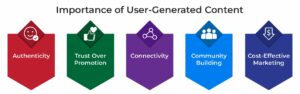
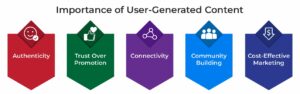
Importance of User-Generated Content

  • Authenticity: Consumers are now seeking transparency and authenticity. UGC offers precisely that.
  • Trust Over Promotion: Traditional ads are slowly getting behind. Most customers put their trust in organic user recommendations.
  • Connectivity: The moment you see actual individuals use your product; there is immediate relatability.
  • Community Building:It will turn your audience into brand ambassadors.
  • Cost-Effective Marketing: UGC reduces content creation costs while expanding reach.

Sharing the Role of a UGC Creator

A UGC Creator is an individual who produces content of brands in various forms, including videos, photos, or testimonials, based on personal experience. Unlike traditional influencers, creators of UGC value the storytelling and authenticity of products more than the number of followers.

The brands also engage the UGC creators to acquire content that can be mapped and resonate with the audience on platforms like Tik Tok, Instagram and YouTube.

Significant Returns to Brands on UGC

Gains Credibility and Trust

That’s simple. People trust people. UGC provides social validation of your brand, proving that there are people who love your product or service.

Increases Interactions and Sales

The UGC will increase click-through and conversion rates compared to the ones created by the brand since it is less persuasive and more authentic.

Comes up with Unique, Authentic Content

Your consumers are already curating content, providing you with new, imaginative, and different content to reuse in your marketing.

Different Forms of User-Generated Content

There is a lot of UGC, all of which has a specific marketing purpose.

Reviews and Testimonials

Social media, such as Google or Trustpilot, are full of UGC, which takes the form of reviews. Many companies share customer reviews on their social media channels to improve visibility.

Photos

When UGC creators share real pictures of the product, it helps to increase credibility about the brand or the product.

Videos

TikTok, YouTube Shorts, and Instagram Reels operate under UGC. As an example, benefit perfume re-posts makeup tutorials by influencers who feature its products as genuine endorsements to sell.

Blogs and Articles

Reviews or user experience experiences are long-form materials that increase SEO and brand credibility.

Issues and Problems of UGC

Although UGC offers unbelievable opportunities, it requires effective management.

Quality Control: Not everything works with the brand standards- filter it.

Brand Reputation: Vet contributors avoid being associated with harmful or off-brand materials.

Moderation Work: Review UGC submissions in real-time to prevent improper and harmful posts.

The Future of UGC: Authenticity Met with Innovation.

The future of UGC marketing is bright and is changing at a rapid pace.

In the coming years, we’ll see:

  • AR filters or metaverse experiences (as UGC)
  • AI-assisted UGC creation
  • Greater brand-consumer cooperation.

Central to UGC, it will remain a bridge between brands and consumers that drive communities based on trust, creativity, and experiences.

Moving to the Final Part

User-generated content is not a fad of marketing; it is the future of brand communications. It makes your brand more human, increases reach, and authentic relationships that are invaluable to purchase with ad money.

Next time you come across someone online raving about a product they have bought, remember that is UGC in action. And to brands that are gold.

Keep ahead of all the trending blog topics with us!


Recommended Reads:
A Short Guide to Content Mapping
Five Benefits of User-Generated Content


Source link