Android Auto Now Fits Weirdly Shaped Screens and Streams Video While Parked


Google is rolling out a sweeping update to Android Auto and cars powered by its Google Built-in software. The suite of changes and new features includes an overhaul to Google Maps, the addition of in-dash video playback and a full visual refresh rolling out to compatible vehicles and devices throughout 2026.

As cars get smarter and in-car screens get weirder, the previewed changes should keep Google’s automotive ambitions competitive with Apple’s CarPlay.

Design that literally fits your car

Android Auto is getting a full visual refresh built on Google’s Material 3 Expressive design language, bringing new fonts, animations and wallpapers from the phone experience to the dashboard. The interface can now adapt to any screen shape, including the familiar portrait and landscape orientations, but also new ultrawide and nonrectangular displays. Google showcased just how nonstandard Android Auto can get, filling the circular OLED display of the latest generation Mini vehicles and the skewed hexagonal screen of BMW’s Neue Klasse EVs

Android Auto is now able to squeeze and stretch into nontraditional screen shapes, including circles, parallelograms and everything between.

Google

Also new are home screen widgets, letting drivers keep glanceable information — such as favorite contacts, garage door controls and weather info — surfaced alongside active navigation.

The biggest Maps update in a decade

The centerpiece of the update is Immersive Navigation, which Google describes as its biggest Maps update in over a decade. The feature brings a 3D map view with rendered buildings, overpasses and terrain, and highlights lane markings, traffic lights and stop signs to aid complex maneuvers. The new look, to my eye, is not dissimilar to what I’ve seen on Apple’s Maps and is a welcome aesthetic and functional upgrade.

Cars running native Google Built-in get even more new navigation capability not available in standard Android Auto. The biggest new feature is Live Lane Guidance, which uses the vehicle’s front-facing camera to determine the driver’s current lane position and provide real-time guidance through lane changes and exits.

HD Video comes to Android Auto

Android Auto is adding full HD video playback at 60 frames per second when the car is parked, launching later this year on vehicles from BMW, Ford, Genesis, Hyundai, Kia, Mercedes-Benz and Volvo in the US. (Outside of the States, that list grows to include Mahindra, Renault, Skoda and Tata cars.) When your charge sesh is complete and the car shifts from park to drive, Android Auto will also be able to seamlessly transition content to audio-only in apps that support background audio, so you can keep listening to that video podcast you just started.

Android Auto now supports HD Video at 60 fps while parked. Shift into drive and the content automatically switches to background audio.

Google

Dolby Atmos spatial audio is also coming to Android Auto in supported apps and vehicles, starting with BMW, Genesis, Mercedes-Benz and Volvo. After hours of listening to Dolby Atmos in cars, this might be the feature I’m most excited about. Media app interfaces, including YouTube Music and Spotify, are also receiving visual updates, breaking out of the standard and familiar Android Auto template we’ve seen since the software’s launch. 

Meanwhile, cars with Google Built-in will receive the same video and audio improvements, along with support for meeting apps like Zoom.

Gemini hits the road

Gemini is now broadly available in Android Auto for general driving assistance, rolling out to drivers over the past year. Devices with Gemini Intelligence — Google’s context-aware AI tier — will gain additional capabilities later this year, including Magic Cue, which can surface relevant information from messages, email and your calendar to respond to incoming texts in a single tap. In the demo, Google shows a driver receiving a text message asking for their destination, which is then replied to with a single tap.

Google is also enabling in-car food ordering through DoorDash via voice command. I’m sure someone will find that useful.

On certain cars running Google Built-in software, Gemini will be able to answer knowledge-based questions about the vehicle and its capabilities.

Google

In cars with Google Built-in, Gemini integrates directly with vehicle hardware, enabling queries specific to the car itself. For example, a driver could ask Gemini to identify a dashboard warning light or to estimate whether the bulky TV they’re buying will fit within their car’s specific cargo dimensions.

The announcement comes as part of this year’s Gemini-fueled Android Show: I/O Edition and hot on the heels of General Motors’ April announcement that it’s rolling Gemini functionality into its Google Built-in infotainment stack. For GM alone, you’re talking about roughly 4 million Cadillac, Chevrolet and Buick vehicles in the US that will benefit from today’s updates. Globally and across all supported vehicle brands, Google boasted that 250 million cars currently support Android Auto at last count, with more than 50 models running Google Built-in natively — most of which will be getting these upgrades over the coming months.


Source link

Leave a Reply

Subscribe to Our Newsletter

Get our latest articles delivered straight to your inbox. No spam, we promise.

Recent Reviews


Medically reviewed by Jonathan B. Jassey, DO

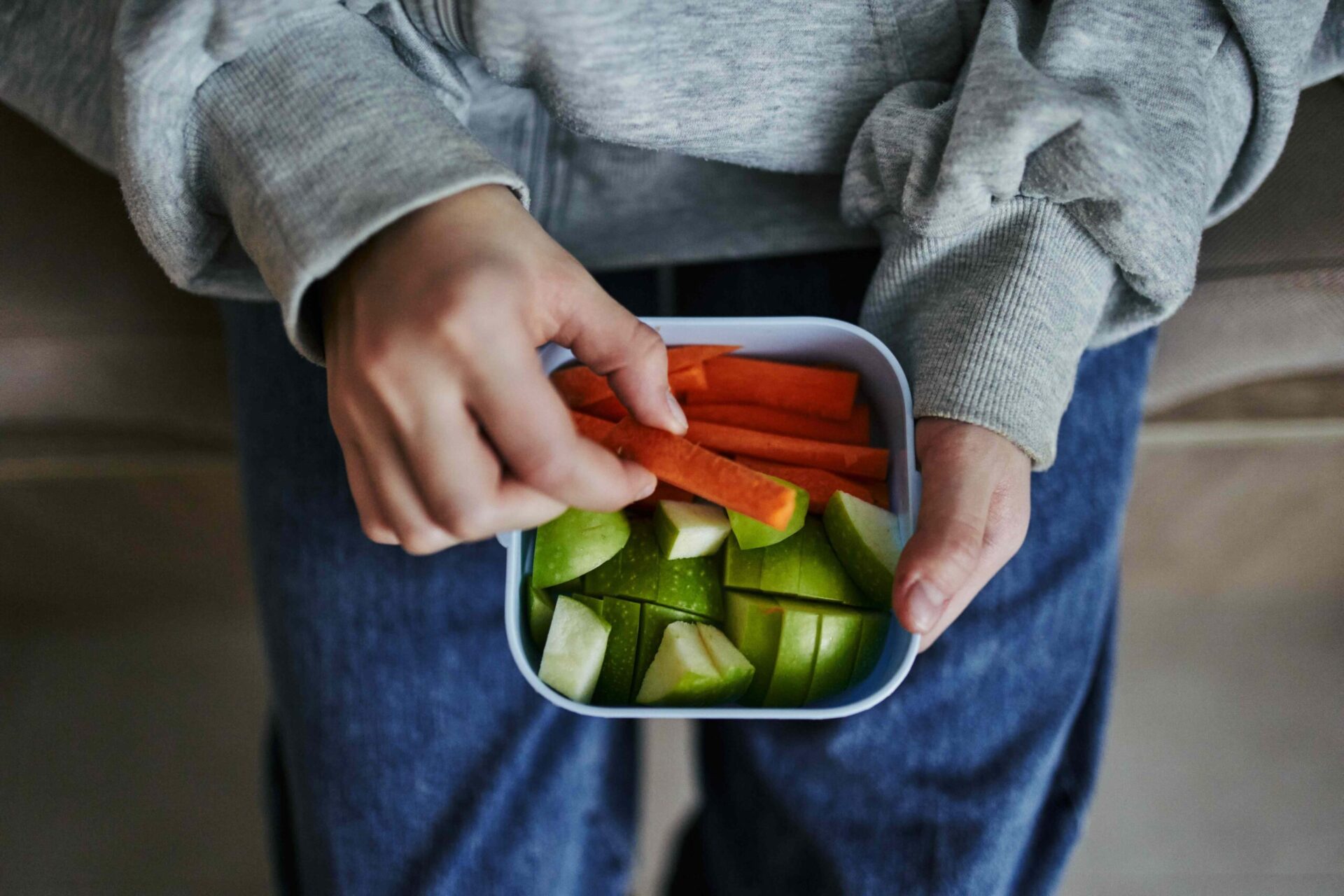
Fresh fruits and vegetables can provide nutrients, like fiber, that can help them feel full.Credit: Ekaterina Goncharova / Getty Images
Fresh fruits and vegetables can provide nutrients, like fiber, that can help them feel full.
Credit: Ekaterina Goncharova / Getty Images
  • Food ideas for children with Prader-Willi syndrome include high-protein meals, complex carbs, healthy fats, fruits, and vegetables.
  • Eating these types of food helps ensure your child gets enough nutrients and stays full, which can help curb their appetite and food intake.
  • It’s best to avoid feeding them lots of sugary or processed foods, as most of those foods have little to no nutritional value, are less filling, and can contribute to weight gain.

Food can be a complex topic for children with Prader-Willi syndrome (PWS). This is because PWS causes symptoms such as an uncontrollable preoccupation with food, relentless hunger, a persistent desire to eat (often leading to overeating), and weight gain—typically starting from around 4 years of age.

When choosing what to feed your child, experts recommend focusing on low-calorie, whole, filling, nutrient-dense foods to manage the metabolic and food-related behavioral issues associated with PWS.

1. Complex Carbohydrates

Children with PWS have the same nutritional needs as their peers. However, their bodies use energy at a lower rate due to reduced muscle mass and impairments in the brain and hormonal systems. This means kids with PWS may not burn calories fast, which contributes to their tendency to gain weight. Because of this, complex carbohydrates rather than simple or refined carbohydrates are recommended.

Whole complex carbs support slow, sustained release of energy. They do not spike blood glucose levels, are packed with essential nutrients, are filling, and are great food options for weight management.

Examples of whole, complex carbs that children with Prader-Willi syndrome can eat include:

  • Beans
  • Potatoes 
  • Corn
  • Peas
  • Lentils
  • Whole grains, including brown rice, quinoa, oats, and whole wheat
  • Home-made pastries, bread, cereals, and tortillas made with whole wheat and no or very minimal added sugar

2. Proteins

Research has widely indicated that high-protein meals can help curb appetite and regulate food intake. Proteins are also filling and can help you stay full longer. They also promote the building and maintenance of muscle mass.

A high-protein diet may also increase energy expenditure, as the body uses more energy to digest and absorb protein than other food classes. This is called diet-induced thermogenesis.

Early research suggests that eating high-protein meals shifts the metabolism of muscle cells toward fat rather than carbohydrates as an energy source in children and young adults with PWS. This may promote body fat reduction and weight loss. 

High-protein foods you can feed your child include:

  • Lean meats like chicken and turkey
  • Eggs
  • Milk
  • Tofu 
  • Hummus
  • Cheese
  • Bean soup
  • Oysters and shrimp
  • Low-mercury fish such as tilapia, sardines, and salmon

3. Fiber

Most complex carbs are also excellent sources of fiber. Recent research suggests that fiber may improve the lives of people with Prader-Willi syndrome by boosting gut health. 

Fiber supports a healthy gut microbiome, promotes the immune system, and helps lower the risk of gastrointestinal issues like constipation. Foods that are high in fiber are satisfying and can help your child stay fuller. 

High-fiber foods you can feed a child with Prader-Willi syndrome include:

  • Vegetables
  • Nuts (if the child is at least 5 years old)
  • Legumes, including peas, chickpeas, soybeans, and fava beans
  • Whole fruits like avocados, citrus, pears, berries, kiwis, and bananas

To maximize fiber intake, it’s best to serve fruits to your children whole, with the skin on. If your kid prefers drinks, you can make them a smoothie instead of juice, since most of the fiber in juice is lost during juicing.   

Also, while children need fiber in their diet, they don’t need excessive amounts. Excess fiber can cause abdominal discomfort and gas. Children need the following amount of fiber a day based on age:

  • 1-3 years: 19 grams (g)
  • 4-8 years: 25 g
  • 9-18 years: 26 g

4. Healthy Fats

A high-fat diet—particularly when paired with low consumption of refined carbs—may benefit children with PWS by promoting fullness, reducing frequent snacking, and regulating weight and blood sugar levels. However, this is not always straightforward, and the effects of a high-fat meal may vary depending on factors like the type of fat.

A 2020 study investigated the effects of a ketogenic-like diet called the modified Atkins diet in a very small number of children for four months. The study showed that the modified Atkins diet—a less restrictive high-fat diet that allows 10–15 grams of carbs per day—may be a good low-carbohydrate option for weight management in children with PWS.

Parents and relatives of the children who participated in the study reported positive effects on extreme hunger, reaching fullness, and the children’s behavioral and cognitive function. However, this was a small study, and more research is needed to further assess the risks or adverse effects that may be associated with ketogenic-like diets like a modified Atkins diet. 

The recommended type of fat to feed your child is unsaturated fatty acids. This type of fat is considered healthy and is divided into two types: monounsaturated and polyunsaturated fatty acids. Examples of foods rich in these healthy fats that you can feed your child include:

  • Fatty fish
  • Nuts and seeds
  • Low-fat or fat-free dairy products, such as low-fat Greek yogurt
  • Nontropical plant oils like olive, nut, soybean, and nut oils

5. Water and Drinks Without Artificial Sweeteners

People with Prader-Willi syndrome tend not to like plain water. However, water is important for hydration. Consider introducing a habit of drinking plain water early, sticking to it, and avoiding substituting it with beverages that have added sugars. You can also have them get more water with nutritious and healthy fluids, like:

  • Fresh, homemade smoothie
  • Coconut water
  • Herbal teas
  • Low-fat milk
  • Soups and broths
  • Water infused with fresh natural fruits like lemon
  • Fruits with a high amount of water, including citrus, watermelon, and cucumber

Speak with your child’s pediatrician about the safety of giving your child herbal teas and to get recommendations on which ones to try.

Other Dietary Considerations

Many people may place their children with PWS on strict calorie-restrictive diets. Instead of strictly counting and measuring calories (which can be tedious and time-consuming), it is best to focus on ensuring your child is eating mostly nutrient-dense, whole, well-balanced meals. 

Also consider the following suggestions:

  • Limit processed foods: Avoid or limit feeding them processed foods or foods with artificial sugar additives. This includes foods like pastries, carbonated drinks, and processed meat. Reducing sweeteners in a diet may reduce the urge to eat, especially if that type of diet starts in childhood.
  • Follow a Mediterranean-style diet: Evidence suggests that an eating plan similar to the Mediterranean diet may benefit young people with PWS. This diet involves eating mostly complex carbs, legumes, fruits, vegetables, fish, nuts, and animal-based proteins.
  • Consider a low-carb diet: If you want to try low-carb diets like the ketogenic diet (a high-fat, moderate-protein, and very low-carbohydrate eating plan), speak with your child’s provider first to determine if it’s ideal for your child. They may need to monitor your child for any possible adverse effects.
  • Offer a variety: Feeding your kids a variety of nutritious meals helps ensure they enjoy mealtimes. 
  • See a dietitian: Consult a registered dietitian for recommendations on various aspects of your child's diet, including a personalized meal plan, meal scheduling, and portion size recommendations.


Source link