:max_bytes(150000):strip_icc():format(jpeg)/Health-GettyImages-1201830693-91e2d500a3d1475397651db23f883737.jpg "Person squeezing toothpaste onto a toothbrush wearing a robe demonstrating oral hygiene routine")
Credit: Sally Anscombe / Getty Images
I’ve never had a cavity—and I’d like to keep it that way. So I started wondering: Am I brushing my teeth at the right time in the morning?
I reached out to Steven S. Toth, DMD, associate professor of Diagnostic Sciences at Rutgers School of Dental Medicine in New Jersey, to find out. Turns out, I’m not.
The question: Is it better to brush your teeth before or after breakfast?
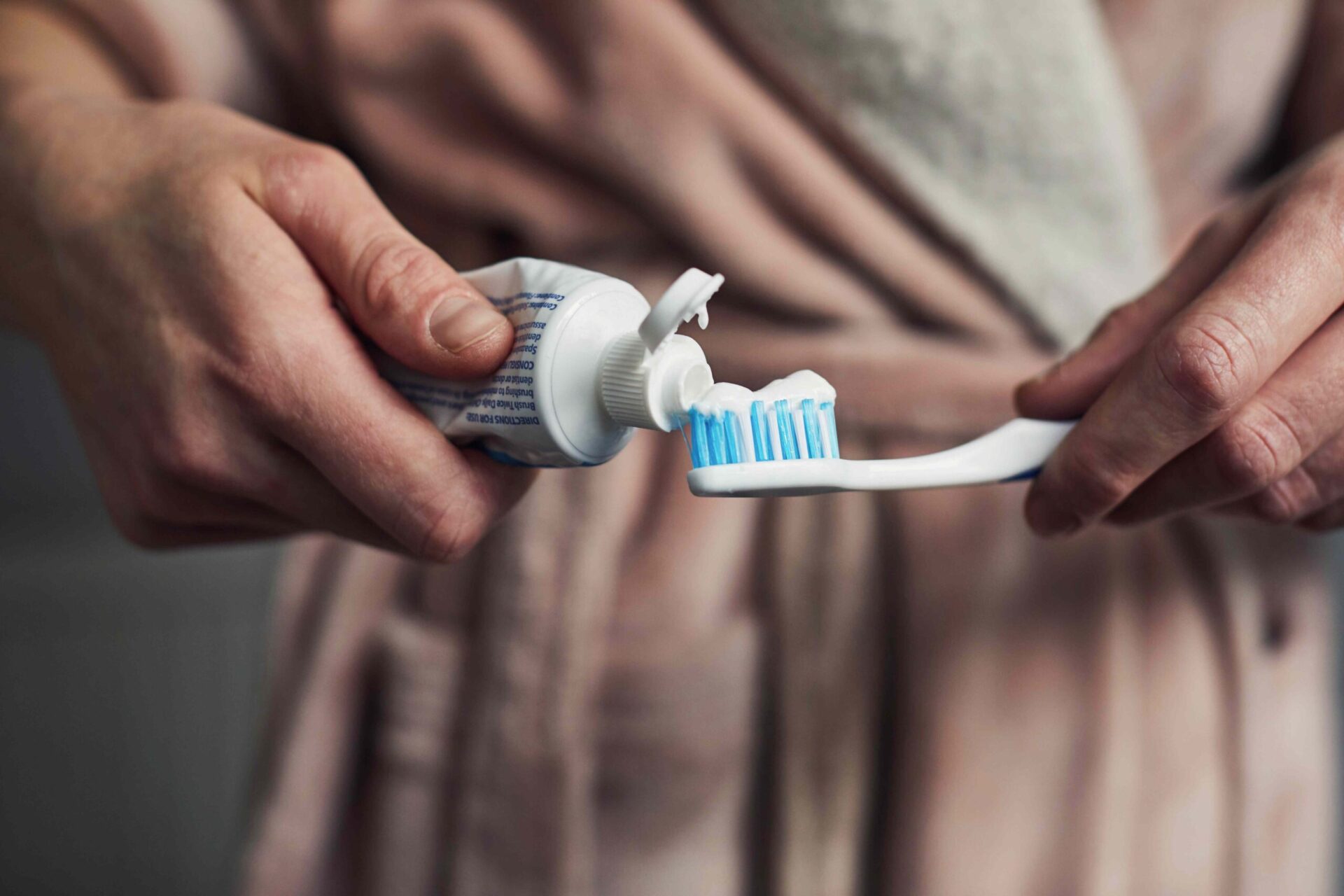
The quick answer: Most dentists recommend brushing your teeth before breakfast—not immediately after.
Dr. Toth’s explanation: “When you sleep, saliva flow decreases, and the mouth tends to dry out. Saliva is one of the best natural defenses against oral bacteria, which cause decay and bad breath. A dry mouth allows those bacteria to grow and form plaque on the teeth.
“When you brush first thing in the morning, you remove that plaque and apply fluoride directly onto the enamel. This helps strengthen enamel and protect your teeth before exposure to food and acids.
“If you instead brush immediately after breakfast—especially after acidic items like orange juice, soda, or coffee—you’re brushing while the enamel is temporarily weakened. Over time, this can lead to enamel erosion.
“This means that brushing before eating is typically safer than brushing immediately after.”
Does what you eat or drink for breakfast impact whether you should brush after breakfast?
“Diet does have an impact,” Dr. Toth told Health. “If breakfast includes very acidic items (like soda, fruit, juice, or coffee), it’s best to wait at least 30 minutes before brushing again to allow enamel to remineralize and acids to be neutralized by saliva.
“If someone prefers to brush after breakfast, it would be a good idea to wait 30 minutes after eating and consider rinsing with water immediately after eating to help neutralize acids.”

Credit: Photo courtesy of Rutgers School of Dental Medicine
Okay, okay. Makes sense. I’m switching up my morning routine today. But if you’re like me, you overthink things. So I had another question for Dr. Toth.
Follow-up question: If someone brushes their teeth before breakfast, is it recommended that they brush again after breakfast?
The quick answer: In most cases, brushing twice within such a short window isn’t necessary.
Dr. Toth’s explanation: “If someone brushes thoroughly before breakfast with fluoride toothpaste, that already provides some protection for the morning. Brushing again immediately after eating is usually not required and could be counterproductive if done too soon.”
Noted. You don’t have to brush again after breakfast. But what if I don’t want to go out in public and scare people away with my bad breath when I open my mouth?
Another question: Besides brushing, what are other ways you recommend people freshen their breath before starting their day?
Dr. Toth’s recommendations: “Even rinsing with plain water can help remove food debris and dilute the acids in the mouth,” Dr. Toth said. Here are other ways he says you can freshen breath after breakfast:
- Use an alcohol-free mouthwash: It can reduce bacteria without dryness or exposure to alcohols.
- Chew sugar-free gum: It stimulates saliva and neutralizes bad breath.
- Clean the tongue with a toothbrush or tongue scraper: The tongue is a common source of odor-causing bacteria—which grow well at night—and is often overlooked during brushing routines.
What if you don’t eat breakfast? Is there a time after waking up by when someone should brush their teeth? For example, should it be the first thing you do, within the first hour of waking up? I told you, I’m an overthinker. But Dr. Toth had a response.
Dr. Toth: “There’s no strict ‘deadline,’ but brushing should ideally happen early in the morning routine. The goal is to remove overnight bacteria, expose the teeth to fluoride before the first meal, and stimulate saliva flow.”
Well, I learned some new things. Thank you, Dr. Toth, for potentially delaying my first cavity.