Fact checked by Nick Blackmer
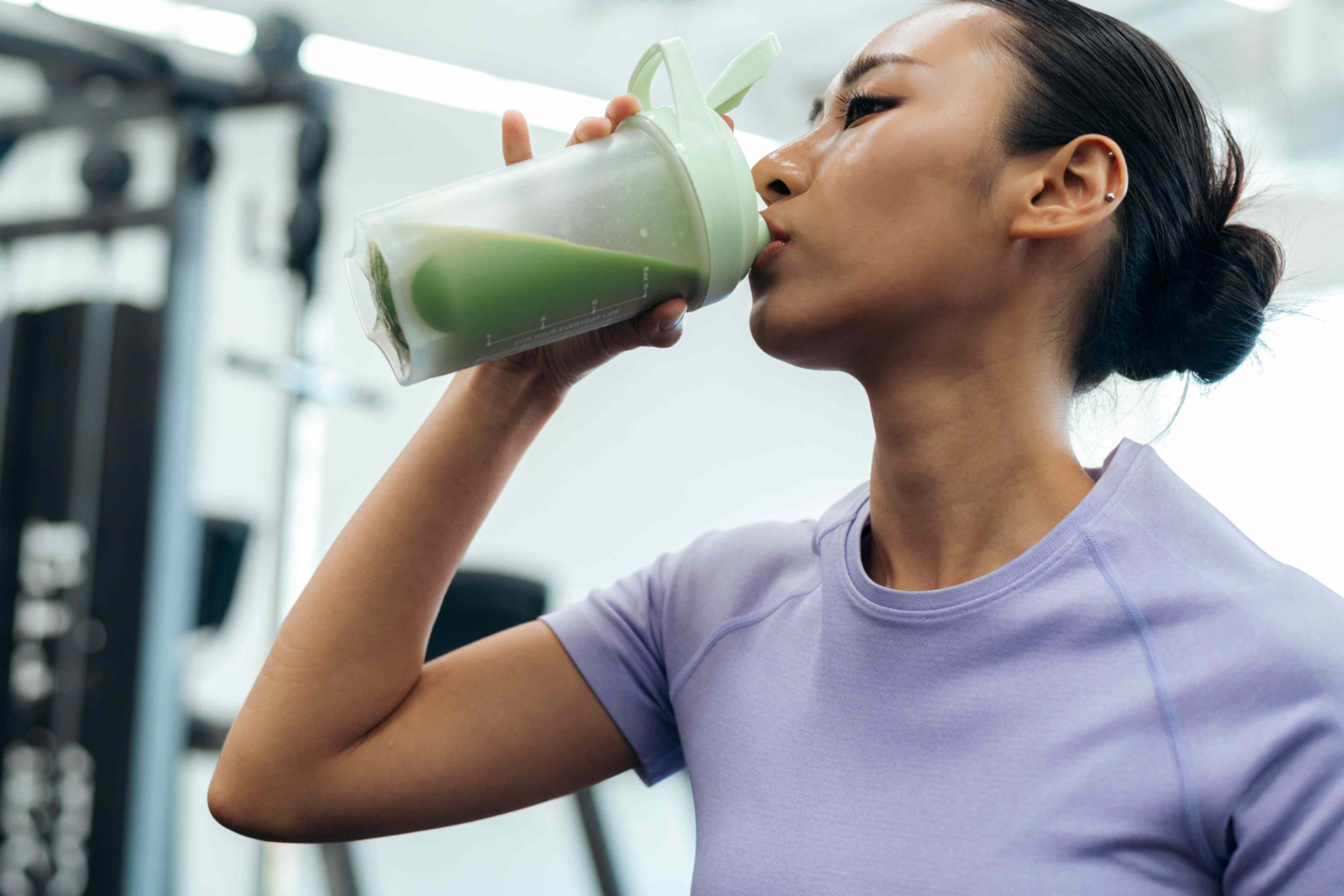
:max_bytes(150000):strip_icc():format(jpeg)/HDC-GettyImages-2233200718-46da127c946f4372b2e510e7934e13a2.png "Person in a gym setting drinking from a shaker bottle")
Credit: ATHVisions / Getty Images
- Whey protein paired with resistance training may best support muscle mass and strength as you age.
- Resistance training plus whey protein improved muscle strength, while multicomponent workouts best supported mobility and daily movement.
- Experts say combining protein intake with regular resistance training can help preserve mobility and independence with age.
New research suggests that one type of protein may be especially beneficial for preserving muscle and supporting healthy aging.
In a meta-analysis published in Nutrients, researchers found that older adults who paired whey protein supplementation with resistance training saw the greatest improvements in muscle mass and leg strength, compared to other protein and exercise combinations.
What the Study Found
For the meta-analysis, which was a collaboration between Taipei Medical University and University of Washington, researchers looked at a large pool of data consisting of 235 controlled trials made up of nearly 21,000 participants between the ages of 50 and 89.
Those trials examined the effectiveness of different types of protein (whey, milk, casein, collagen, meat, soy, rice, oat, and dietary protein) in combination with and separate from physical exercise (resistance training, aerobic exercise, and multicomponent training). The trials measured outcomes in terms of muscle mass, strength, and mobility tests including walking speed, timed up-and-go, and balance.
Researchers found that whey protein paired with resistance training was associated with the greatest improvements in muscle mass and leg strength. Whey protein with a multicomponent exercise regimen was most effective on mobility tests.
Why Whey Protein May Be Particularly Effective
Protein is an essential macronutrient in building and maintaining muscle mass. Protein is found in numerous plant and animal foods, but their makeup and nutrient content varies.
Whey protein is derived from cow’s milk. It’s full of essential amino acids that your body uses to repair muscle fibers stressed during exercise. Whey protein specifically has a lot of leucine, which is a critical amino acid building block. “If you don’t have enough leucine, we can’t begin to synthesize protein, and therefore muscle,” says Anya Grechka, RD.
However, whey is not the only source of leucine. If you don’t consume whey protein due to a dairy allergy or preference for a plant-based diet, you’re still getting leucine from other proteins you’re eating. “Whey is just the quickest way to get there,” says Grechka.
How Resistance Training Fits In
Adding resistance to your exercise, whether that’s with weights, bands, or your own bodyweight, introduces a form of trauma to the muscle fibers. Muscles grow when the rate of protein synthesis is greater than protein breakdown, so exercise and diet work in tandem when it comes to muscle growth.
The CDC recommends that older adults incorporate strength training activities at least twice per week, but Mark Kovacs, PhD, FACSM, CSCS, a performance physiologist, said this is the lower limit for resistance training with heavy weights, and that three to four days a week is ideal.
“Body weight, functional resistance training that has mobility associated with it as well, should be done pretty much every day,” Kovacs told Health. This might look like doing lunges while taking a work break or chair dips while dinner is cooking.
And the more strength training you do, the more you’re able to do. “You’re going to walk further, you’re going to be able to lift more weight, you’re going to have better balance, and activities of daily living become easier or may not become harder as you age,” said Kovacs.
What This Research Means for You
There’s no “right” time to start preparing your muscles for aging, but if you’re over the age of 30, you may want to consider ways to keep the muscle you have or build more.
Your body naturally builds muscle throughout childhood, adolescence, and early adulthood, but between the ages of 30 and 35, you start to lose muscle—and around age 65, muscle loss accelerates, increasing your risk of falls and injuries. Keeping as much muscle as you can throughout midlife and old age can keep you healthy and independent.
Start With Protein
According to the USDA, 30 percent of men and 50 percent of women 71 and older aren't meeting their protein goals. The National Council on Aging recommends that adults 65 and older should aim for 1–1.2 grams of protein per kilogram of body weight per day.
While this research suggests using whey protein to help you hit those goals, it’s best to get a variety of proteins. Most older adults, for example, eat enough meat and eggs, but could benefit from including more nuts, beans, peas, fish, and dairy products in their diets, per the USDA. (Tip: dairy products like milk, cottage cheese, and yogurt are all good sources of whey protein.) Protein supplements, like whey protein powder, are good options as well, but the amount of protein will vary based on brand and scoop size.
Add Resistance Training
Experts say it’s helpful to start small and work your way up. Adding resistance to your daily tasks can help—find ways to incorporate light weights into your current routines, like wearing a weighted vest while walking or doing bicep curls with your groceries before you put them away. And if you already have a stretching routine, try adding resistance bands or light weights to get even more of a benefit.
As you’re doing all of this, track your progress. Having an awareness of your body can help you flag when your strength is declining, but also bolster your desire to keep up with your exercises.
While muscle loss is an inevitable (and normal) part of aging, there is still reason to feel empowered by changes to your diet and activity levels. “We can impact how quickly and how severely we’re impacted with [muscle loss],” said Grechka.





:max_bytes(150000):strip_icc():format(jpeg)/GettyImages-2253385503-49d609f27e75489cbb35796a15282f5b.jpg "Hong Kong - November 26, 2025 : Lululemon store at Hong Kong International Airport.")