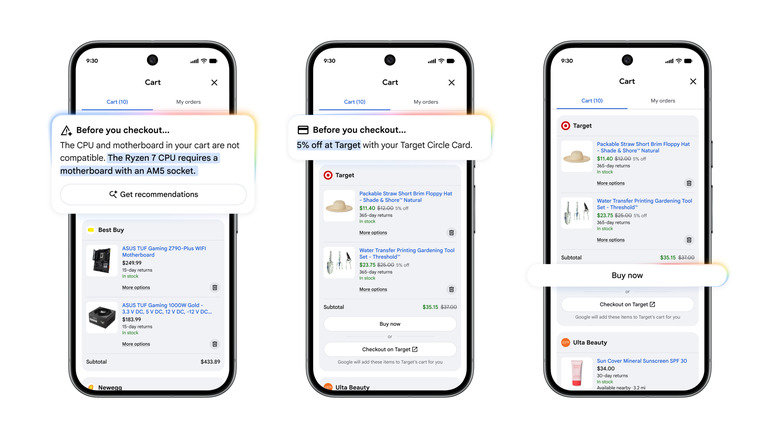
It’ll even look for chances to maximize your loyalty points.
Google
Google is today announcing a raft of updates to Shopping, the most notable of which is likely its new Universal Cart. Universal Cart is a tool which aggregates all of your purchases under one roof and lets you shop from more places. In essence, you’ll be able to add products to this cart from every corner of Google’s mansion, including search, YouTube and Gmail. Once you’ve added a product to the cart, the system’s agentic AI will get to work looking for the cheapest price, comparing price trends and letting you know where said desirable objects are in stock.
One key benefit of Universal Cart is that it’s been designed to anticipate problems you might not have thought about. In the company’s example, someone buying components for a custom PC might be pulling parts from a wide variety of retailers. If the Cart spots an issue, like two of the parts aren’t compatible with one another, then it’ll flag it before you hand over your payment information. If you use Google Wallet, the system will also know which merchants you like, have loyalty schemes with, and will try to flag any options for additional savings or points maximization.
And, when you are ready to hand over the cash, the system is designed to make the interface between Google Shopping and the retailer seamless. Naturally, it’ll be even faster and more effortless if said retailer takes Google Wallet, such as Nike, Sephora, Target, Fenty and Steve Madden. Universal Cart is rolling out across the Google family this summer, you’ll find it first in Shopping, Search and Gemini, with YouTube and Gmail arriving later in the year.
Other features announced today include the rollout of Google’s Universal Commerce Protocol, which uses AI to smooth the gaps between online payment platforms and retailers. That’s going to be coming to Canada and Australia in the coming months, with the UK due to follow afterward. In addition, UCP will be plugging in to YouTube in the US soon, as part of that platform’s near-constant evolution into an online shopping channel.
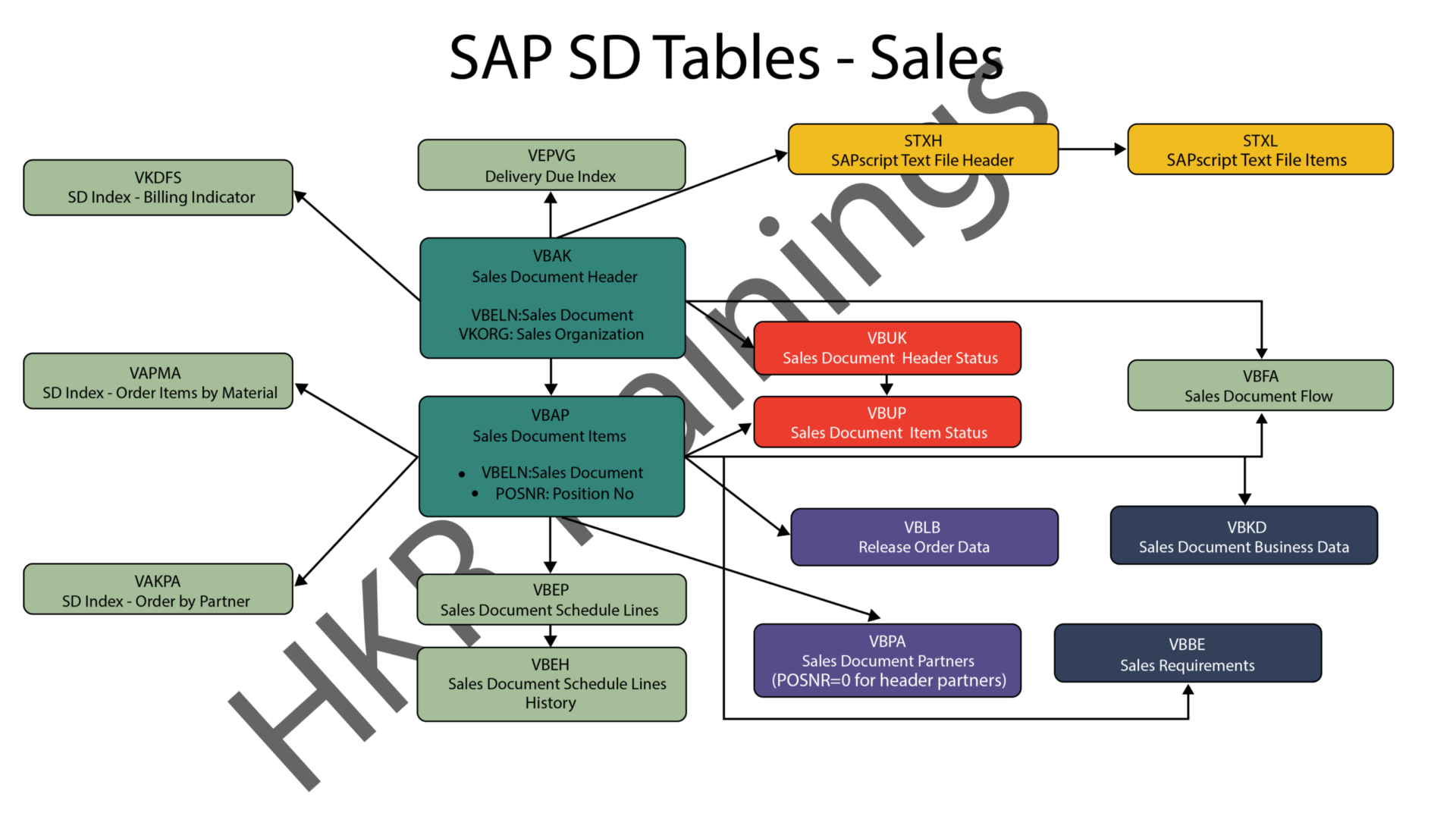
The SAP SD module is built on tables and uses them to store data. We’ll go through SAP SD tables and their relationships in this tutorial. SAP SD tables are critical storage for corporate data connected to SAP ERP software’s sales and distribution activities. The SD tables are basically divided into three parts:
These are the SD module’s building blocks, and it’s only natural to address tables in this sequence. Please look at the slides to see how the tables from different blocks were connected. Being an expert in SAP SD necessitates an understanding of these relationships.
Become a SAP SD Certified professional by learning this HKRSAP SD Training!
1) Sales
In SAP SD, the first block is about sales procedures.This indicates that the SAP SD tables in this block would be related to sales orders, quotations, and other similar transactions. We designed a visual slide that lists all of the tables and their relationships.
2) Shipping
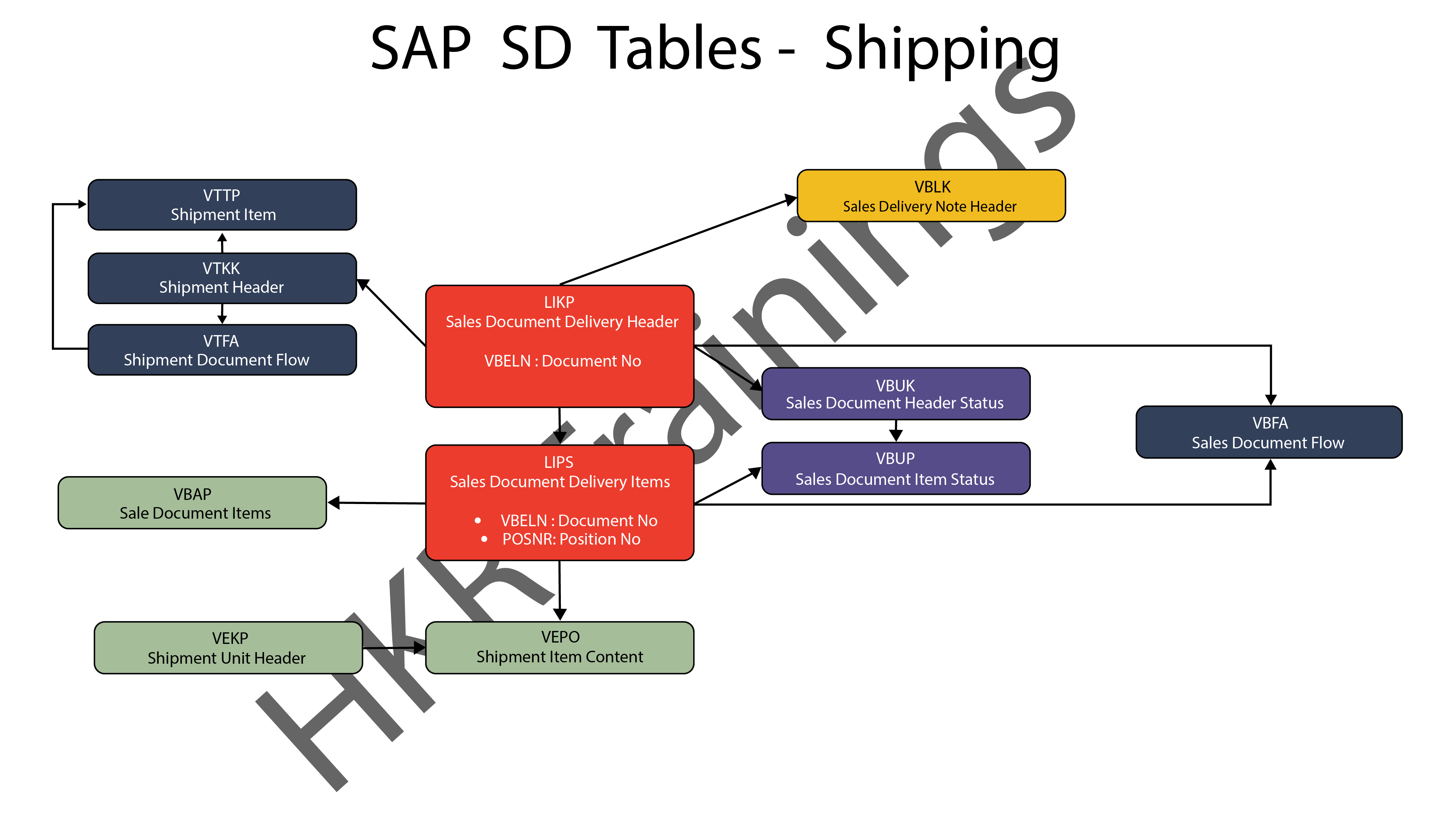
ThIs section is about SAP SD’s shipping processes. In this section, SAP SD tables deal with inbound and outbound deliveries, as well as shipments. Likewise, we’ve created a visual slide with links illustrating table relationships.
SAP SD Training
Master Your Craft
Lifetime LMS & Faculty Access
24/7 online expert support
Real-world & Project Based Learning
3) Billing
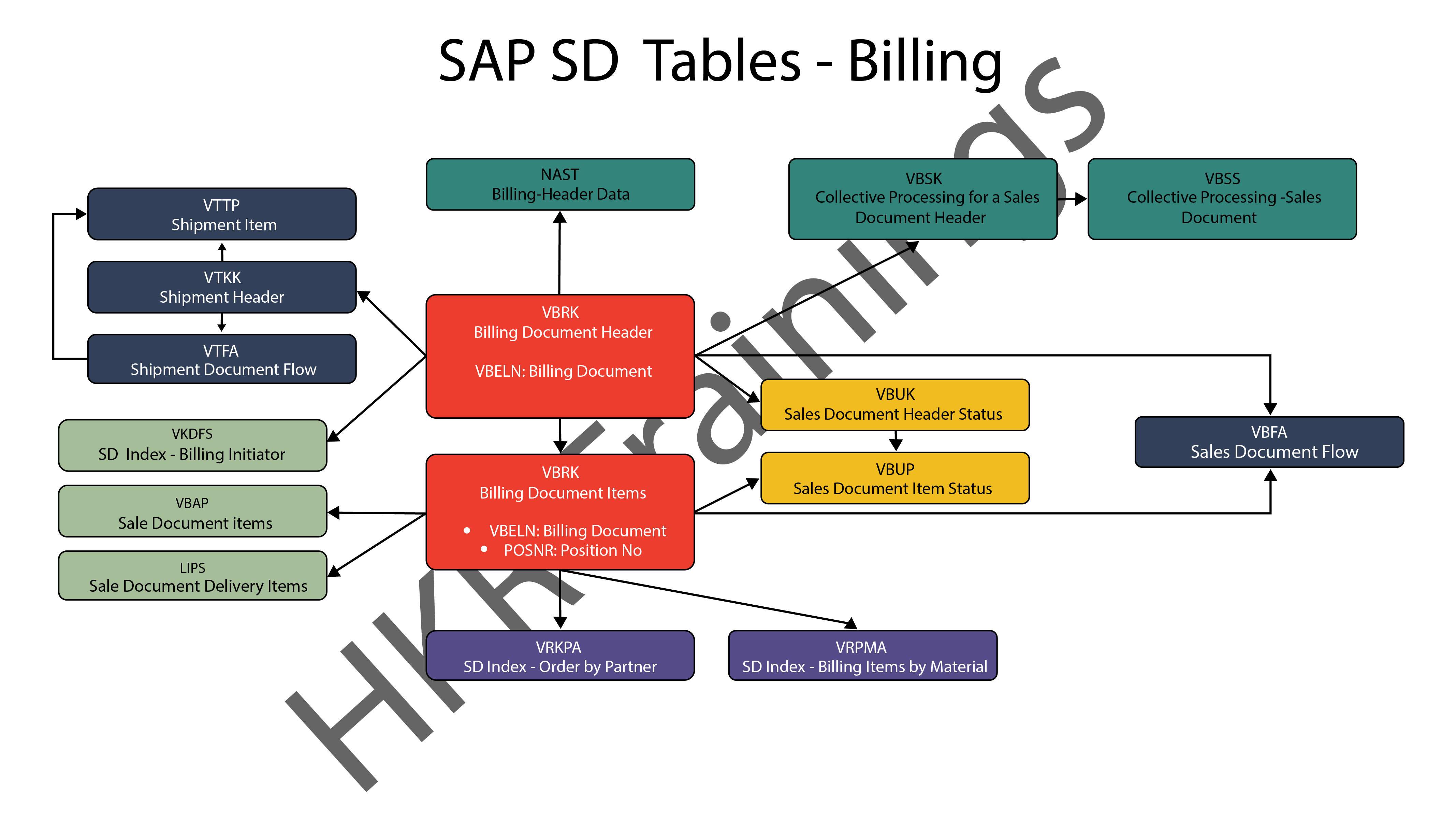
The billing feature of SAP SD is the last but not least. SAP has a variety of tables which are used to support a company’s billing procedures. Billing documents, as well as other related data, such as output conditions, are saved in these tables by SAP.
To provide the best experiences, we use technologies like cookies to store and/or access device information. Consenting to these technologies will allow us to process data such as browsing behavior or unique IDs on this site. Not consenting or withdrawing consent, may adversely affect certain features and functions.
Functional
Always active
The technical storage or access is strictly necessary for the legitimate purpose of enabling the use of a specific service explicitly requested by the subscriber or user, or for the sole purpose of carrying out the transmission of a communication over an electronic communications network.
Preferences
The technical storage or access is necessary for the legitimate purpose of storing preferences that are not requested by the subscriber or user.
Statistics
The technical storage or access that is used exclusively for statistical purposes.The technical storage or access that is used exclusively for anonymous statistical purposes. Without a subpoena, voluntary compliance on the part of your Internet Service Provider, or additional records from a third party, information stored or retrieved for this purpose alone cannot usually be used to identify you.
Marketing
The technical storage or access is required to create user profiles to send advertising, or to track the user on a website or across several websites for similar marketing purposes.