:max_bytes(150000):strip_icc():format(jpeg)/GettyImages-1364189640-6777c79d459a44a7bf2e42b3ffb4a063.jpg "fresh white soft tofu")
Credit: HUIZENG HU / Getty Images
- A new review suggests that soy isoflavone supplementation may help reduce vaginal dryness in postmenopausal women.
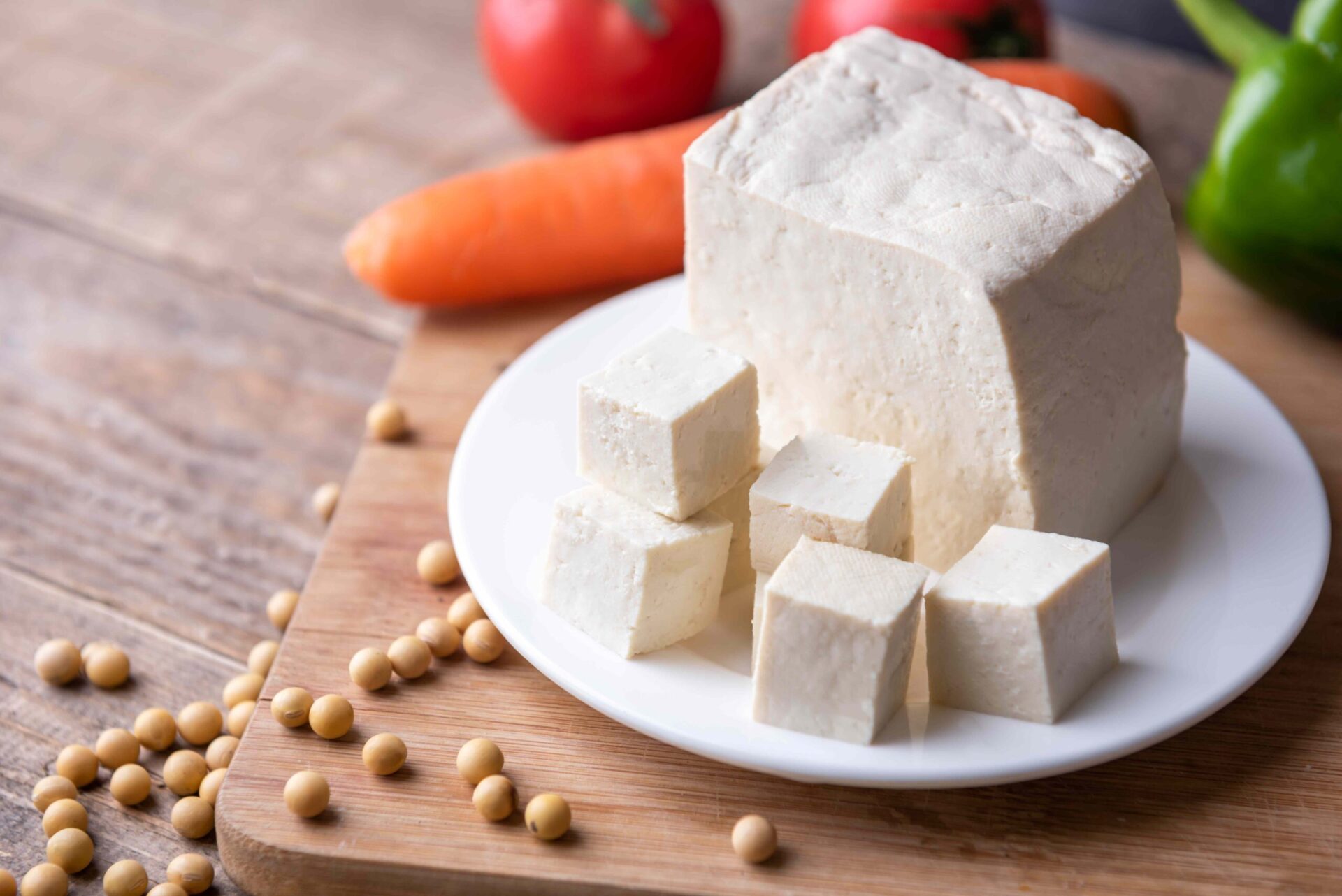
- Soy isoflavones are plant compounds found in soy foods such as tofu and tempeh.
- However, more research is needed to clarify their effects on symptoms.
Menopause is often associated with weight gain and hot flashes, but this stage of life can also significantly affect another under-discussed area of women’s health: sexuality. Vaginal dryness, discomfort, and lower libido are common as the ovaries produce less estrogen and progesterone. Now, new evidence suggests that a plant compound could help alleviate some of these effects.
A recent analysis of randomized controlled trials found that incorporating soy isoflavone—either via food or supplements—appeared to be safe and moderately effective at relieving genital and sexual symptoms in postmenopausal women.
What Are Soy Isoflavones—and How Do They Work?
True to their name, soy isoflavones occur naturally in soy foods like tofu, soybeans, and tempeh. Because they’re phytoestrogens with a chemical structure similar to estrogen, they can “weakly bind to estrogen receptors in the body,” Heather Bartos, MD, FACOG, an OB/GYN and menopause specialist at plusOne Wellness Collective, told Health.
However, that doesn’t mean consuming soy isoflavones is equivalent to hormone replacement therapy, or HRT. “They don’t actually replace estrogen, but they may create a mild estrogen-like effect in certain tissues affected by menopause, particularly vaginal and urinary tissues,” Bartos said. Hormone replacement therapy, meanwhile, is a stronger medical intervention, with hormone doses tailored to a patient’s specific needs.
What the Study Found About Soy and Sexual Health
Still, soy isoflavones have long interested researchers as a potential natural way to relieve menopausal symptoms.
For this review, published in International Journal of Impotence Research, scientists examined 13 randomized controlled trials comparing the effects of soy isoflavones’ with a placebo or HRT. The trials included a total of 1,325 postmenopausal women from around the world.
Over periods ranging from four to 24 weeks, participants either followed soy-rich diets or took soy isoflavone supplements at doses of 40 to 160 milligrams per day. They then completed questionnaires about menopausal symptoms, documenting physical and emotional experiences such as hot flashes, mood swings, and vaginal or urinary issues.
The researchers analyzed whether the interventions led to meaningful improvements. In some areas of sexual health, the results were promising. The analysis found overall improvements in vaginal dryness and urogenital symptoms, which can include things like painful urination, urinary urgency, decreased arousal, and pelvic pain or pressure.
However, soy isoflavones didn’t appear to provide significant overall benefits for painful intercourse, hot flashes, night sweats, and psychological symptoms.
The researchers stressed that more long-term research is needed before firm conclusions can be drawn about soy isoflavones for postmenopausal sexual health. They also noted that some of the included studies were quite small and relied on self-reported symptoms, which can introduce bias.
With those limitations in mind, Bartos said women should keep expectations about soy isoflavones realistic. “Yes, some women may notice meaningful improvements, particularly with comfort and vaginal health,” she said. “But soy isoflavones are unlikely to fully address more severe symptoms on their own.”
Should You Eat Soy or Take Supplements?
The review found benefits for both soy-rich diets and supplements, so which should you choose?
According to Melissa Groves Azzaro, RDN, LD, a registered dietitian who specializes in nutrition and hormones, soy isoflavones may be better absorbed from food than from supplements. She pointed to 2009 research suggesting that people appeared to absorb the active isoflavones in soy—genistein and daidzein—more effectively from food rather than from tablets. However, she acknowledged that supplements tend to contain higher doses of soy isoflavones than foods, making it difficult to directly compare their effects.
Eating enough soy to produce noticeable sexual health changes requires diligence, said Stacey Silverman Fine, MD, FACOG, MSCP, an OB-GYN at Maven Clinic in New York. “To reach 80 to 100 milligrams daily from food alone, you're looking at two to three intentional soy-containing meals per day,” she said. “That is absolutely doable with some planning, but it is a real dietary shift for most American women.”
Groves Azzaro recommends starting by adding one to two servings of soy foods a day and monitoring symptoms. Another alternative is combining supplements and foods.
Need inspiration? Jamie Mok, MS, RD, RYT, a registered dietitian at Yogini RD in Los Angeles, said the following can be good choices:
- Half a cup of cooked soybeans: 47 milligrams (mg) soy isoflavones
- 3 ounces tempeh: 37 mg
- 1 cup soy milk: 30 mg
- 3 ounces firm tofu: 20 mg
- 1 tablespoon miso: 7 mg
Who Might Benefit—and Who Should Be Cautious
Again, evidence suggests that soy isoflavone tablets or a few servings of tofu aren’t as effective as hormone replacement therapy. But for some postmenopausal women, they may provide meaningful relief from uncomfortable sexual symptoms. “For the right patient, soy may absolutely be part of the conversation,” Bartos said.
Those most likely to benefit, Silverman Fine added, include women who:
- Experience mild to moderate vaginal dryness and urogenital symptoms
- Prefer a non-hormonal option
- Have medical reasons to avoid HRT, such as a personal history of blood clots, cardiovascular disease, or certain cancers
However, some people may not be good candidates for soy isoflavone supplementation. Groves Azzaro recommends speaking with a doctor first if you:
- Take certain medications that interact with soy isoflavones
- Have a history of estrogen-positive cancer
- Are already using hormone replacement therapy
- Take medications that block the effects of estrogen, such as Tamoxifen