:max_bytes(150000):strip_icc():format(jpeg)/Health-GettyImages-1280316073-fee13652102a421785ec24895cc144a2.png "An aerial image of raw salmon filets, a jug of milk, and two eggs on a gray background.")
Credit: Anna Puzatykh / Getty Images
- Some foods contain melatonin, a natural hormone that regulates your sleep cycle.
- Tart cherries, mushrooms, nuts, salmon, eggs, and milk are foods with some of the most well-researched links to better sleep.
- Studies suggest that sleep benefits likely come from a mix of melatonin, other nutrients, and overall diet quality.
Melatonin is a hormone that your brain produces to help regulate the sleep-wake cycle. However, it's also found in small amounts in some foods. Mushrooms, eggs, tart cherries, and other foods can help increase your melatonin levels, plus they contain other nutrients that may support sleep.
1. Tart Cherries

Melatonin content: 13.5 nanograms (ng) per gram (g)
Tart cherries—especially the Montmorency variety—are one of the most researched natural sources of melatonin. They may help support your body's natural sleep rhythms.
In fact, drinking tart cherry juice (the most common way to consume tart cherries) has been shown to boost sleep. In one small study, participants who drank 240 milliliters of tart cherry juice twice per day for two weeks had longer and more efficient sleep. These findings have been replicated in other research, too.
In addition to melatonin, tart cherries are also a top source of antioxidants. Specifically, tart cherries contain polyphenols, which are plant compounds that can reduce inflammation and cell-damaging free radicals in the body. Research suggests this may also improve sleep.
2. Salmon

Melatonin content: 3.7 ng per g
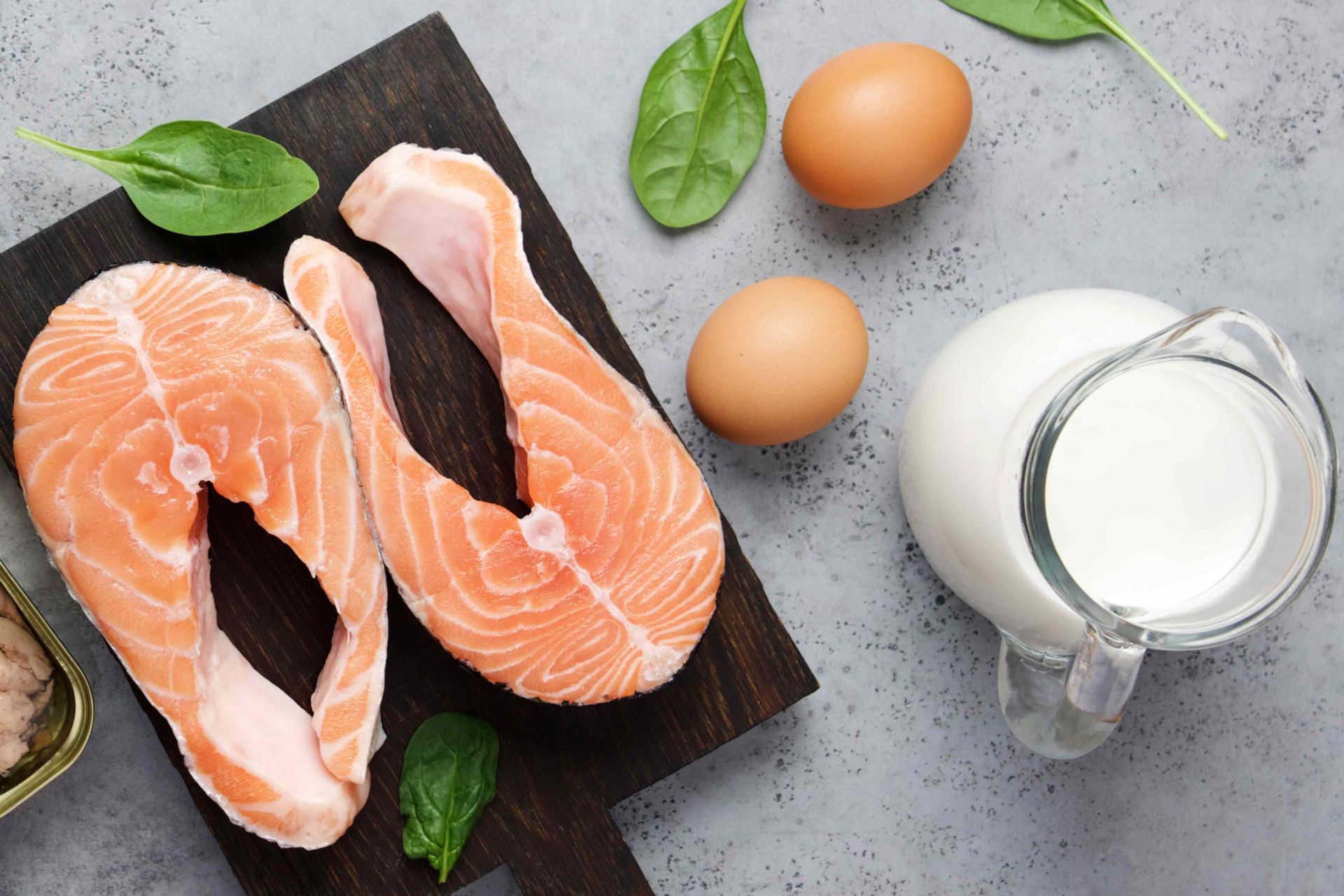
A standard 3-ounce serving of salmon provides around 314 ng of melatonin, but its sleep-supportive benefits likely go beyond that. Salmon contains two key nutrients that may help support better sleep:
- Omega-3 fatty acids: These healthy fats have been linked with improved sleep quality and duration, possibly because omega-3s influence serotonin pathways in the brain. Serotonin is a key neurotransmitter that the body converts into melatonin.
- Vitamin D: This vitamin helps the body regulate melatonin production in line with your body clock, or circadian rhythm. Studies have linked vitamin D deficiencies with a higher risk of poor sleep and sleep disorders.
Studies have found that regularly eating fish is associated with improved sleep quality, falling asleep more easily, and better daytime functioning. That said, these benefits tend to show up in the context of an overall balanced, nutrient-rich diet—not from a single food alone.
3. Eggs

Melatonin content: 3.1 ng per two eggs
Eggs have a slightly smaller amount of melatonin, but they have other nutrients that are also good for sleep, including:
- Tryptophan: Your body uses this amino acid to produce serotonin and melatonin, which play a role in controlling your circadian rhythm and promoting healthy sleep.
- Vitamin D: Eggs are a good source of this vitamin, which has links to melatonin and circadian rhythm regulation.
Emerging research also points to eggs as a practical, nutrient-dense option to add to your diet during perimenopause—a life stage when sleep disturbances are common.
4. Mushrooms

Melatonin content: 4,300–6,400 ng per g
Standard, white button mushrooms (Agaricus bisporus) may be among the richest dietary sources of melatonin. More research needs to be done, but they may have significantly higher melatonin concentrations than most other "sleep-supportive" foods.
A normal serving of white button mushrooms (85 grams) also provides 31% of the Daily Value of selenium, an essential mineral that may improve sleep. Selenium has antioxidant properties, so it protects against oxidative stress, a state where there are too many cell-damaging free radicals in the body. Oxidative stress has been linked to poorer sleep quality.
5. Nuts

Melatonin content: 2.6 ng per g for pistachios; 2.5 ng per g for walnuts
The amount of melatonin in nuts varies based on the type you choose, as well as how the nuts are processed, grown, or roasted.
However, research shows that nut consumption is linked to better sleep. In one small 2025 study, participants who ate 40 grams of walnuts before bed for two months were more likely to have better sleep quality and more efficient sleep.
Other research found that people reported slightly better sleep on days when they ate nuts (although those days tended to include more nutrient-dense foods overall).
Nuts' potential sleep benefits likely come from a combination of nutrients working together, including melatonin and vitamin E, which is found in most varieties of nuts. Vitamin E is considered an anti-inflammatory compound, so experts have theorized that it could help improve sleep.
6. Cow's Milk

Melatonin content: 0.015 ng per g
In general, milk contains small amounts of naturally occurring melatonin. However, those melatonin levels can vary significantly based on when the milking process took place—research suggests cow's milk collected at night has 10 times the amount of melatonin as milk collected in the morning.
This means it's hard to know exactly how much melatonin you're getting in your glass of milk. But cow's milk contains other nutrients that also support sleep:
- Tryptophan: This amino acid is used by the body to create melatonin and serotonin, which regulate the sleep-wake cycle.
- Magnesium and zinc: These minerals are necessary parts of the chemical reaction that converts serotonin into melatonin. Magnesium also helps calm muscles and the nervous system to get you ready for sleep.
- Carbohydrates: Carbs help increase the amount of tryptophan in circulation in your body, which encourages the brain to absorb and use more of it.
Research suggests that diets including milk and other dairy products are linked with better sleep quality. However, findings are mixed, and many studies are small or limited in design, so the evidence isn’t definitive.
Adding Melatonin-Rich Foods to Your Diet
There's no established recommendation for how much dietary melatonin you're supposed to have each day, though some estimates suggest people may ingest over 25,000 nanograms each day on average.
There is also little guidance on how people should add melatonin-rich foods to their diet, or when they should consume them. Research on tart cherry juice shows benefits with consistent twice-daily intake, usually in the morning and evening. But for most other melatonin-containing foods, we don't have strong studies on timing.
However, taking cues from research on melatonin supplements—which usually recommends taking it up to two hours before bedtime—a practical food-first approach could look like this:
- 4–5 hours before bed: Enjoy your main evening meal, potentially including some foods with melatonin.
- 1–2 hours before bed: Have a light snack of melatonin-containing foods.
Overall, it's best to work melatonin-rich foods into your diet as part of a healthy eating pattern. Your diet is also just one way to improve sleep; make sure you're also exercising, avoiding nighttime caffeine and alcohol, turning off screens before bed, and following other sleep hygiene habits.