Fact checked by Nick Blackmer
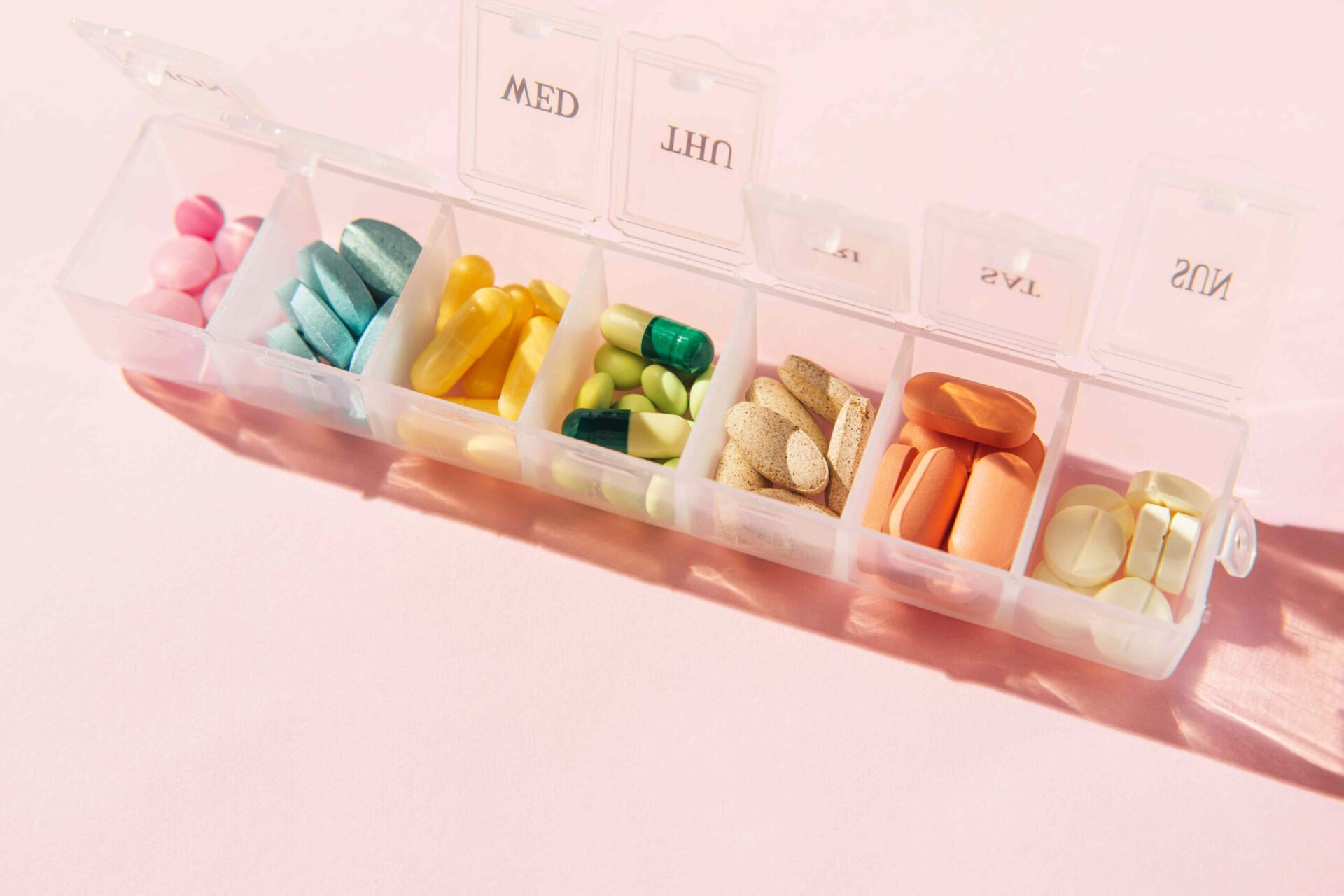
:max_bytes(150000):strip_icc():format(jpeg)/Health-GettyImages-1494057119-4a0a0ce13c8c4447ac4c0c7ffc758f03.jpg "Box for pills and capsules on pink background. Pills organizer with tablets, vitamins, painkillers, medications and dietary supplements. Minimal medical, health care, pharmacology concept. Flat lay, top view.")
Credit: Tanja Ivanova / Getty Images
- CDC data show that supplement use has risen in the U.S. over the past decade.
- Experts say social media and growing interest in “natural” health approaches may be driving the trend.
- Supplements can benefit some people, but many may not need them.
Supplements have become a central part of wellness culture, touted by everyone from influencers who “stack” them to celebrities whose routines involve 30-plus pills per day.
They're also popular among Americans as a whole. According to data recently released by the U.S. Centers for Disease Control and Prevention, between August 2021 and August 2023, 60% of adults aged 20 and older had used a dietary supplement in the past 30 days, and 38% reported using two or more dietary supplements. Supplement use among adults increased from 54% to 60% between 2013 and 2023.
Supplements can be beneficial for some people, but experts say these pills, gummies, and powders may also cause more problems than they solve.
Why Supplement Use Is Rising
The growing interest in supplements likely stems from several factors. Social media and celebrity culture top the list, said integrative dietitian Christiane Matey, MSHS, RDN, founder of Mint Nutrition. “Platforms like Instagram, Facebook, and TikTok amplify endorsements, turning a single post into a viral phenomenon,” she told Health. “Consumers are drawn in by life-changing claims and dramatic results, often conflating the promoter's appearance with the product itself.”
At the same time, a shift toward a more “natural” approach to health has helped drive supplement purchases. According to the Pew Research Center, about half of Americans report having tried some form of alternative medicine, often in place of conventional medicine. The wellness industry—which emphasizes non-medical approaches to personal health—is now a trillion-dollar enterprise.
Lingering pandemic-era health anxiety may have further fueled interest in preventative wellness. An aging population increasingly interested in longevity and immune health is likely contributing as well, Matey said. Supplements can feel like a quick and easy short-cut to better health.
How Many Supplements Is ‘Too Many’?
There’s no magic number at which supplement intake suddenly crosses over into “too much,” board-certified internal medicine physician Karina Appel, MD, told Health. But more isn’t necessarily better, and there is such a thing as overdoing it.
Supplements fall into several categories, including vitamins, minerals, amino acids, and botanicals. They may contain a single active ingredient or a combination of many.
“If you take a multivitamin, a ‘hair, skin, and nails’ gummy, an immunity blend, and a protein powder, you are likely double- or triple-dipping on the same ingredients without realizing it,” Appel said.
In some cases, this might not be a problem. Water-soluble vitamins, for example, are flushed out in the urine. But fat-soluble vitamins and certain minerals can build up in the body’s tissues over time, potentially leading to toxicity, she said (more on that below).
If you’re eating a balanced diet, you may not even need nutrient supplementation. According to the National Institutes of Health Office of Dietary Supplements, many people in the U.S. get the nutrients they need by eating a variety of foods. Several large-scale studies have also found that multivitamins don’t reduce the risk of chronic disease or death.
When considering whether you're taking too many supplements, "the real question is, does each supplement have a clear purpose and safe dose, without harmfully interacting with other medications,” said Nneoma Oparaji, MD, a board-certified internal medicine, obesity medicine, and lifestyle medicine physician.
The Risks of Over-Supplementing
While assembling a large supplement routine might seem harmless, taking multiple pills, powders, and gummies can come with real risks.
Overloading on fat-soluble vitamins (A, D, E, and K) and minerals such as zinc and iron can result in toxic levels in the body. Kidney stones, nerve damage, and abnormal heart rhythms are all potential consequences, Oparaji said.
Supplements can also interact negatively with one another and with prescription medications. In some cases, they can even reduce the effectiveness of medications, Appel said.
There’s also the risk of liver damage. Some supplements—particularly herbal products such as green tea extract and turmeric—contain compounds that can damage the liver. And because supplements aren’t tightly regulated in the U.S., some may be contaminated with heavy metals or other substances that can damage the liver.
“My patients are typically surprised when I tell them that supplements are a growing cause of liver injury,” Oparaji said. “‘Natural’ does not automatically mean ‘liver-safe.’”
Finally, it can be easy to rely on supplements in place of healthy lifestyle habits, but experts say that’s a mistake. “I frequently remind patients that one cannot supplement their way out of poor sleep, chronic stress, physical inactivity, and eating ultra-processed food,” Oparaji said.
Supplements That May Be Worth Taking
For the general population, no single supplement is a must-take, according to Appel. But dietary supplements can still be valuable for optimizing overall health, especially if you don’t have a well-rounded diet.
Many people are deficient in vitamin D3, for example, so a supplement may be necessary to support immune health, Matey said.
In some special cases, a supplement is universally recommended. During pregnancy, for example, most doctors will typically recommend that women take a prenatal vitamin to prevent neural tube defects in a growing baby. And for people who follow a vegan or strict vegetarian diet, “vitamin B12 is mandatory,” Appel said.
How To Evaluate Your Own Supplement Routine
If you’re looking to take stock of your own supplement routine, it’s best to talk with your healthcare provider. They “can identify exactly what your body needs, recommend proper dosages, and steer you toward high-quality, trusted brands,” Matey said. They can also help identify overlapping ingredients that could lead to excessive intake.
Appel also advises being cautious about where you get your health-related information. TikTok or Instagram videos may be compelling, but they’re no substitute for personalized medical advice.
When you do buy a supplement, look for products that have undergone third-party testing. A seal from an independent organization like NSF, USP, or ConsumerLabs indicates a product has been vetted for purity and quality.