When Miyah Monk of Minneapolis was about 10 years old, the state removed her from the care of her mother and placed her in a foster home.
The family provided for her basic needs, but Monk says they gave her little else. During high school, she worked part time jobs so she could buy herself food and clothing. When she turned 18 and left the foster home, Monk was briefly unhoused until she could find her own place.
Monk, now 23, is trying to build a life for herself. She’s been working off and on and is planning to go back to school in the fall. She also wants to find better housing.

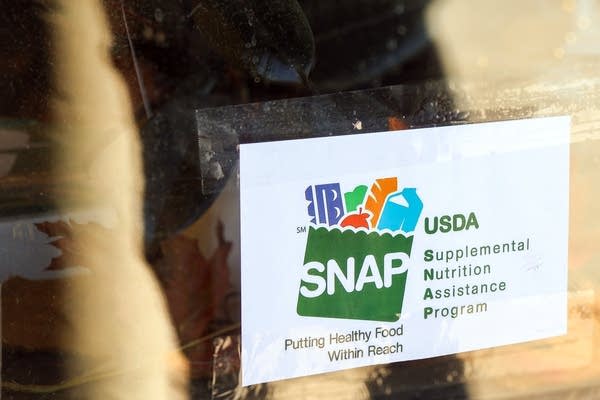
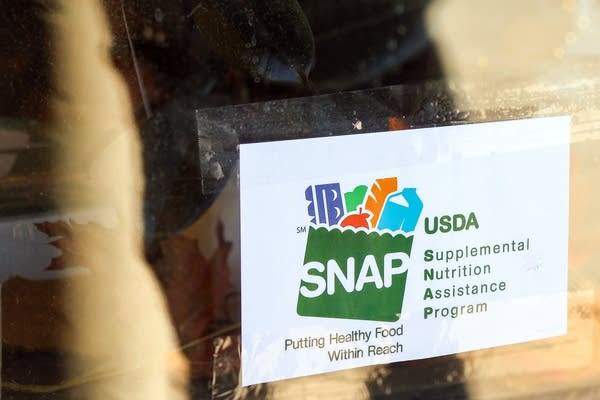
She said something that really helped her as she transitioned out of foster care toward self sufficiency was the federal supplemental nutrition program, known as SNAP.
But she and many other young adults in Minnesota who have aged out of foster care lost their federal food assistance benefits on June 1 because of stricter work and education requirements. Those went into effect as part of what President Trump calls his “One Big Beautiful Bill” act.
Now, many young adults transitioning out of foster care may struggle to get enough to eat.
“[I’ve] got to find out how I’m gonna get food,” Monk told MPR News. “Where I’m gonna get the food? How much the food is gonna be, on top of just paying bills, still going to school, having to pay for stuff for school? I’m worried about how I’m going to eat. If SNAP is my only way of eating, I’m going to have to find resources for food. How [am I] going to get the resources for the food?”
Minnesotans between the ages of 18 and 24 who aged out of foster care face all kinds of challenges. Many are still struggling with the trauma of what led them into foster care in the first place. And they now have difficulty finding safe and adequate housing, enrolling in school or finding a well-paying job.
They earn an average of about $575 per month, which is only about a third of what most other people their age earn, according to the U.S. Department of Health and Human Services.
SNAP was a big help, Monk said. But she doesn’t meet the new federal work requirements and won’t meet the education requirement until school starts in the fall, so losing SNAP now is a huge setback for her.
“It will give me more challenges in life due to the fact that I’m trying to get in school and trying to find housing,” she said. “SNAP getting taken away will cause a domino effect for me.”

Many young adults transitioning out of foster care didn’t even receive SNAP benefits. Some didn’t know they were eligible or couldn’t complete the complicated application process.
As a result, a 2024 research study found that 30 percent of these 18- to 24-year-olds were already food insecure, according to the Center for the Study of Social Policy. Advocates are worried that number will likely soar now under the new, stricter eligibility rules that require recipients to work or be in school at least 20 hours a week.
Whitney Bailey, community engagement manager for Foster Advocates, a Minnesota-based nonprofit seeking to improve the child welfare system, said there are not enough resources to help those transitioning out of foster care.
“SNAP isn’t just supporting groceries,” Bailey said. “It is supporting the economic crisis that is being faced by many in our community, which is to afford everyday living with the lack of supports that they even have in the first place, to engage in this transition to adulthood.”
And Bailey said these new federal rules will likely set many former fosters up for failure as young adults, as the loss of SNAP food assistance perpetuates a cycle.
“You lose your grocery money, so now where am I deciding between housing stability and being unhoused?” she said. “Am I deciding between keeping gas in my car so I can make it to my job, so I can keep the only other income I have?”

The Minnesota Department of Children, Youth and Families told MPR News in an email statement that the federal legislation restricting SNAP benefits “is making it harder for people to get and keep food assistance, as the law expanded SNAP work requirements for youth aging out of foster care.”
But the agency said it did not have data on how many Minnesotans would be affected.
Foster Advocates and some Minnesota lawmakers had pushed for several bills during the just-finished legislative session specifically aimed at better supporting foster youth, including those transitioning out of foster care.
Those bills ultimately stalled in committee and weren’t called for a vote before the session adjourned.
Monk said she’s worried about how these new SNAP work requirements will impact not just her but other former foster youth.
“This is how we eat. And so, to just take everyone off is, like, a lot," Monk said. “A lot of people are going to be in need. A lot of people are going to be hungry.”