Medically reviewed by Kierra Brown, RD
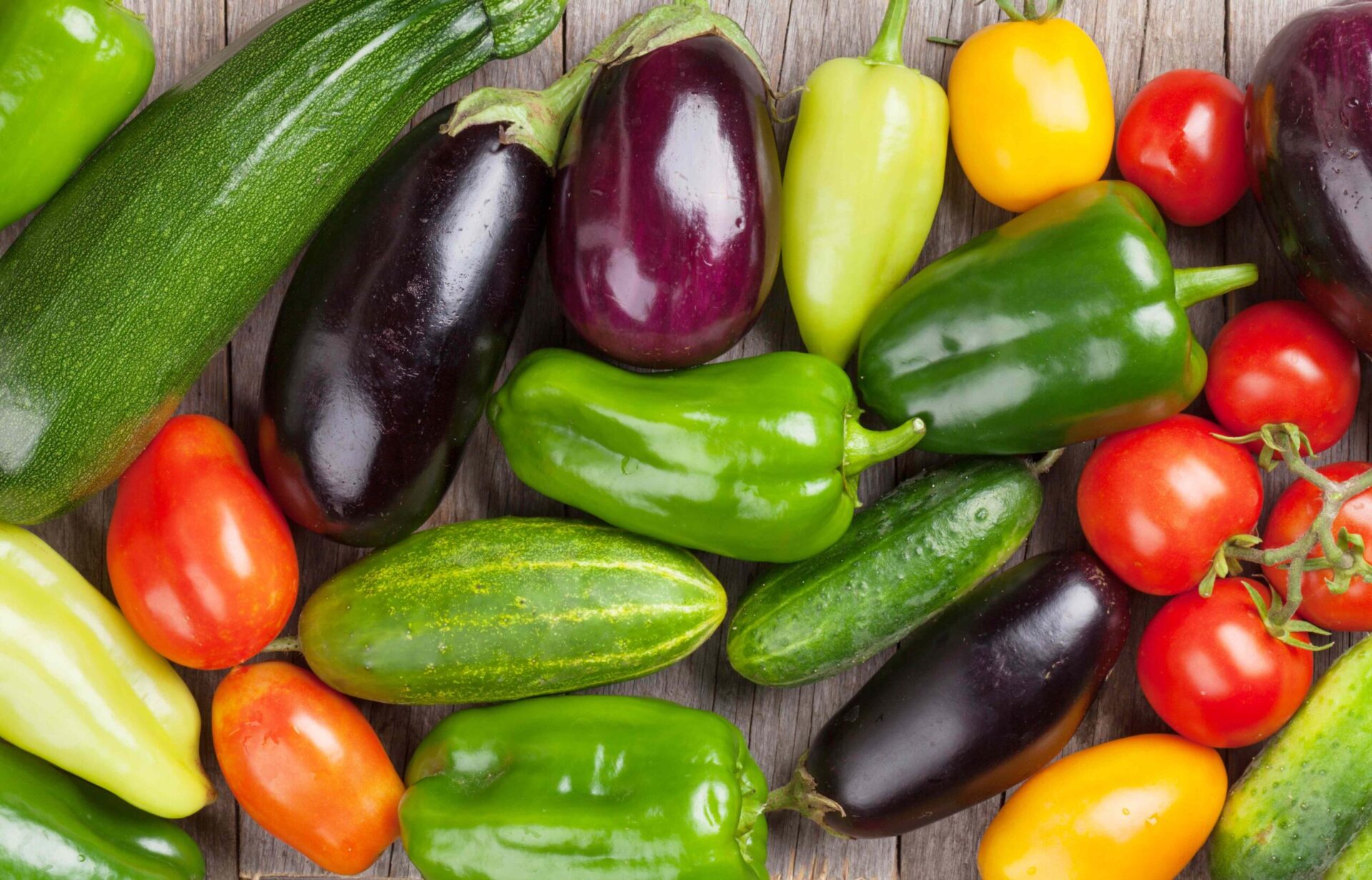
:max_bytes(150000):strip_icc():format(jpeg)/Health-GettyImages-485293106-f4f55c939f0e4077bdb1d44954859b07.jpg "An aerial view of assorted vegetables on a wooden surface, including tomatoes, zucchinis, eggplants, and bell peppers.")
Credit: karandaev / Getty Images
- Summer vegetables like tomatoes, zucchini, and peppers give you a boost of fiber, vitamins, and antioxidants to support your health.
- Choosing in-season produce may improve flavor, lower cost, and help maximize nutrient intake.
- Many summer vegetables store well in the fridge, and several can be frozen or pickled to extend shelf life.
In the summertime, shopping for in-season vegetables helps ensure that you're getting nutritious, delicious, and cheap produce. So whether you're planning a backyard barbecue or simply putting together a quick weeknight meal, these seven summer vegetables deserve a spot in your grocery cart over the next couple months.
1. Zucchini

Zucchini, or green summer squash, is low in calories and rich in vitamin C, potassium, fiber, antioxidants, and more. This vegetable offers a tender texture and mild flavor, particularly when you purchase them during the summer months and choose smaller, more slender zucchini.
How to add them to your diet: Zucchini are easy to use in many dishes—you can eat them raw, grill them, roast them, or use a spiralizer to turn them into zucchini noodles.
How to store and preserve them: Unfortunately, zucchini don't stay fresh for very long. Keep them in the refrigerator and use them within a few days of purchase. If you want to stock up during peak season, you can blanch and freeze zucchini pieces, pickle them, or dehydrate them.
2. Tomatoes

With over 25,000 varieties in colors ranging from red and orange to green and purple, tomatoes are heat-loving produce that reach their peak in the summer.
Tomatoes deliver vitamin C, potassium, and lycopene, an antioxidant that may help protect against heart health issues and other chronic diseases. For even greater benefits, cook or pair tomatoes with a healthy fat to boost the amount of lycopene your body can absorb.
How to add them to your diet: Use tomatoes in salads, pastas, soups, stews, and salsa. Roast, grill, or broil them to bring out their natural sweetness.
How to store and preserve them: For the best taste and texture, store tomatoes at room temperature and use them within five days. However, smaller varieties, such as cherry tomatoes, can be kept in the refrigerator and may last over a week.
3. Bell Peppers

Bell peppers—which come in orange, yellow, red, or green colors—deliver crunch, natural sweetness, and only about 24 calories per pepper.
They're also a great source of essential micronutrients—one medium bell pepper offers over 100% of the recommended daily value (DV) of vitamin C for adults. Plus, bell peppers contain vitamin A, vitamin B6, multiple minerals, and antioxidants that help protect cells from damage.
How to add them to your diet: Bell peppers are easy to use in many meals and taste great raw, grilled, roasted, sautéed, or stuffed. Try adding them to salads, fajitas, sandwiches, or stir-fries.
How to store and preserve them: If you want to stock up while peppers are in season, freezing is one of the easiest ways to preserve them (though they will lose some crispness). Pickling is another option.
4. Cucumbers

Cucumbers consist of about 96% water, so they can support hydration in the hot summer months—they also offer a nice crunch and fresh flavor to your meals.
Though they're not as nutrient-dense as some other vegetables, cucumbers deliver small amounts of vitamin K, potassium, and magnesium. They're also rich in antioxidant and anti-inflammatory plant compounds.
How to add them to your diet: Cucumbers can be a tasty snack when eaten raw. You can dip them in hummus or salsa, or eat them plain. These vegetables can also be added to salads, sandwiches, cold pastas, or infused into water. Leaving the peel on provides extra fiber and nutrients.
How to store and preserve them: Refrigerate and use within a few days for the best texture and flavor. Covering your cucumbers in a dish towel or plastic bag may help them last slightly longer. If you stock up during peak season, you can also turn cucumbers into pickles.
5. Eggplant

Eggplant is a low-calorie summer vegetable with a glossy, smooth skin and firm texture. It can sometimes have a bitter taste; however, smaller eggplants often have a better flavor.
Their deep purple color comes from antioxidants called anthocyanins, which may help protect against cell damage and support brain health. Plus, eggplants are a decent source of fiber and potassium.
How to add them to your diet: Eggplants absorb flavors well and develop a soft, hearty texture when cooked. They work especially well roasted, grilled, sautéed, baked, or stir-fried. To reduce any bitterness, you can salt sliced eggplant pieces and let them sit for 30 minutes.
How to store and preserve them: Eggplants are sensitive to cold, so they don't keep well in the fridge. For best flavor and texture, leave them out on the counter and use within a few days.
6. Okra

A classic vegetable in Southern cooking, okra is shaped like a finger and tastes slightly similar to eggplant.
It's also a nutrient-rich addition to meals, offering vitamin C, vitamin K, and calcium, along with small amounts of protein and fiber. Okra also contains a thick, gel-like substance called mucilage, which may help support healthy blood sugar levels.
How to add them to your diet: After rinsing okra pods in cold water, these vegetables can be added to a number of different dishes, including stews, gumbos, and stir-fries. It can be helpful to cook okra with acidic ingredients, such as tomatoes or vinegar, to reduce their slimy texture.
How to store and preserve them: Okra will keep on the counter for a short time. Otherwise, for best quality, store unwashed okra pods in a bag in the refrigerator and use it within a couple days. If you want to stock up on okra while it's in season, try pickling, dehydrating, or blanching and freezing this vegetable.
7. Corn

Fresh corn is a summer staple for backyard barbecues. With a sweet flavor and crisp texture, corn delivers health-boosting nutrients, such as fiber, carbohydrates, vitamin C, and potassium. It also contains lutein and zeaxanthin, which are antioxidants that support eye health.
How to add them to your diet: Ears of corn are versatile and easy to add to meals. You can enjoy corn boiled, roasted, baked, or grilled on the cob. Or, try adding the kernels to salads, soups, salsa, grain bowls, and dips.
How to store and preserve them: For the sweetest flavor, eat corn as soon as you can after it's picked, or refrigerate the whole ear of corn and use it within a couple days. Freezing is a good option for storing corn kernels, as is pickling to make corn relish.
Why Choosing In-Season Vegetables Is Best
Whether it's from a farmers market, a grocery store, or your own garden, eating produce that's in season can be a great way to meet your nutritional goals. That's because in-season produce has specific benefits:
- Greater nutrition: Produce loses some of its vitamins and minerals over time, so the closer you can eat something to when it was harvested, the more nutrient-dense it may be. That means fresh, locally grown vegetables may be an especially nutritious choice.
- Lower cost: When a certain fruit or vegetable is in season, it's more widely available and the price subsequently goes down.
- Better taste: Produce grown during its natural season usually spends less time in transport to your local grocery store, and its taste and texture are more consistent.






:max_bytes(150000):strip_icc():format(jpeg)/Health-GettyImages-TypesOfSaunas-f03979ce340d4bfba326fadf6086fd24.jpg "Serene woman relaxing in infrared sauna.")