Medically reviewed by Simone Harounian, MS
:max_bytes(150000):strip_icc():format(jpeg)/Health-GettyImages-2212819792-c02d8ece2ada4947bd5e9720cbdcb00f.jpg "A row of glass spice jars lined up on a counter")
Credit: Nestea06 / Getty Images
- Many herbs and spices can support your health.
- It’s possible to have an allergy to certain herbs and spices.
- Some herbs and spices can interact with certain medications.
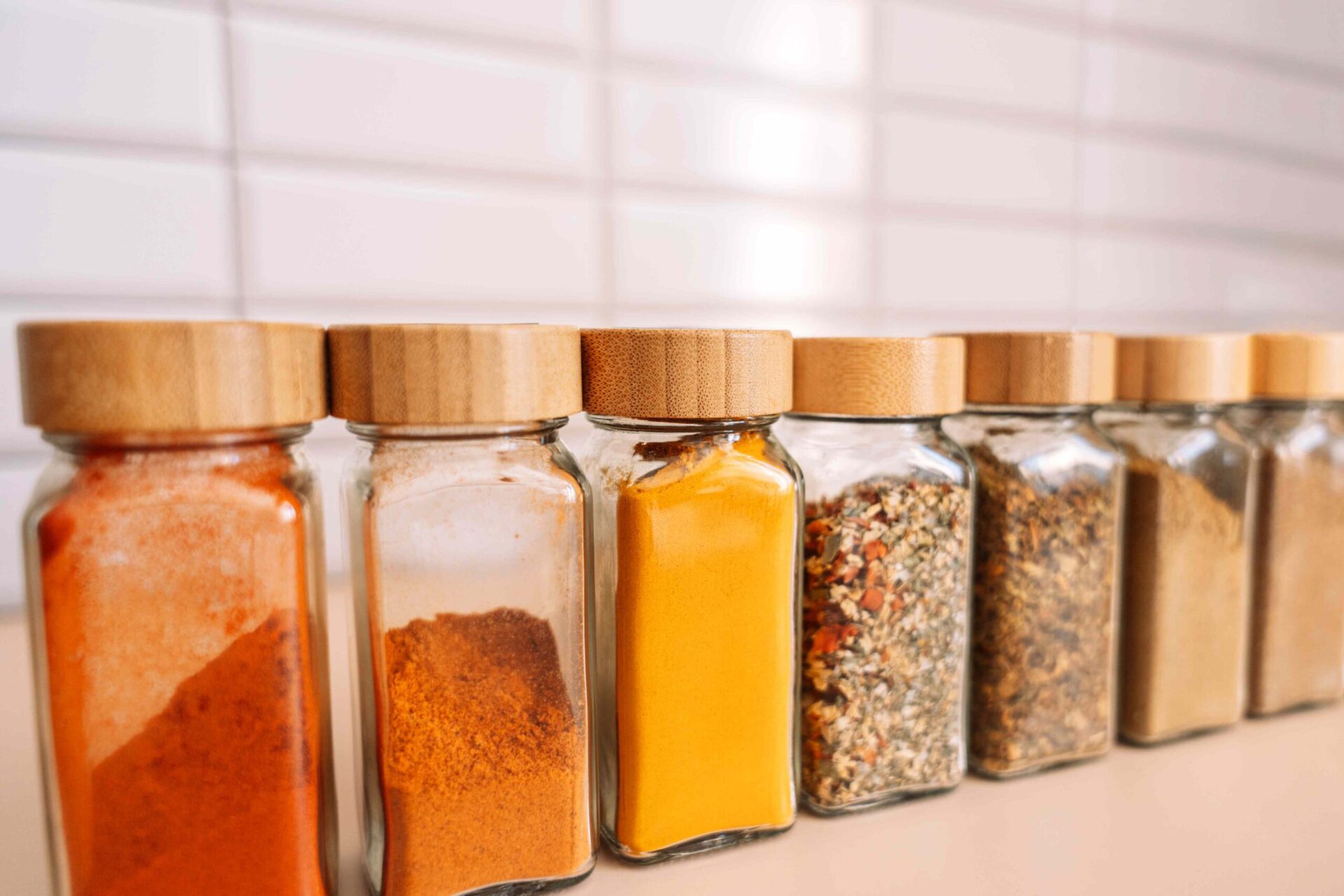
Herbs and spices—like sage, nutmeg, thyme, and basil—are used to flavor food, but they may also be used medicinally to improve symptoms of certain medical conditions and protect against disease. Here are 15 of the best herbs and spices for your health.
1. Ginger

Ginger is the rhizome—a horizontal, underground stem—of the Zingiber officinale plant. It has a warm and spicy flavor and is commonly added to dishes like soups, baked goods, and curries.
Ginger contains many antioxidants, substances that lower inflammation and protect against cell damage. Eating ginger and taking ginger supplements could be beneficial for:
- Blood pressure
- Nausea after procedures
- Painful periods, or dysmenorrhea
- Vomiting due to chemotherapy
- Weight management
2. Oregano

Oregano is an umbrella term for a group of herbs commonly used in Mediterranean cuisine. Oregano belongs to the mint family and has a robust, earthy flavor.
Oregano also contains powerful antioxidants. Traditional medicine systems use it to treat symptoms such as:
- Indigestion
- Cough
- Diarrhea
- Bronchitis
You can add fresh oregano to salads and pasta dishes, and use dried oregano to flavor sauces, dressings, and roast chicken.
3. Thyme

Thyme is a Mediterranean-native plant with many nutrients, including:
- Antioxidants
- Minerals like calcium, iron, magnesium, manganese, potassium, and selenium
- Vitamins A, B6, C, E, and K
Thyme has an earthy flavor. There's limited research on thyme's health benefits. Thyme essential oils may have anticancer, antimicrobial, and antiseptic properties.
4. Saffron

Saffron is a spice with a vivid reddish-golden color, a slightly bitter flavor, and a common ingredient in Indian and Mediterranean cooking.
The spice is thought to increase levels of serotonin (the mood-boosting hormone) in the brain, which may have positive effects on anxiety and depression. It may also be a natural treatment for:
- Alzheimer's disease
- Heart disease
- Schizophrenia
- Type 2 diabetes
Saffron is a great ingredient to add to dishes like curries, risotto, and seafood. It can also be taken as a supplement.
5. Cinnamon

Cinnamon's warm, spicy flavor complements drinks like apple cider and baked goods like cookies, pumpkin pie, and sweet bread.
This spice contains antioxidants that help reduce inflammation. It may also help lower blood sugar, cholesterol, and blood pressure levels.
It's better to choose Ceylon cinnamon over cassia cinnamon, the most common cinnamon found in grocery stores. Cassia cinnamon contains higher levels of toxins that may pose health risks when consumed regularly in high doses.
6. Cardamom

Cardamom is a staple ingredient in Indian cuisine, often referred to as the Queen of Spices. It may help lower inflammation, blood pressure, and the risk of diabetes.
Cardamom is slightly sweet and pairs well with sweet and savory dishes like curries, baked goods, and meat.
7. Garlic

Garlic is well-known for its health benefits and culinary uses. It contains nutrients that may stop chronic (long-term) inflammation. It may also help protect heart health by reducing atherosclerosis, plaque buildup in the arteries.
8. Rosemary

Rosemary is a pleasant-smelling herb with a potent source of rosmarinic acid, an antioxidant in various plants. Rosmarinic acid is:
- Antibacterial
- Anticancer (may prevent cancer cells from growing)
- Anti-inflammatory
- A possible pain reliever
- Antiviral
Some evidence has suggested that sipping rosemary tea may benefit those with anxiety and depression, and that rosemary supplements may also help treat depression.
To incorporate it into your diet, consider making a relaxing tea with fresh or dried rosemary, lemon juice, and honey.
9. Cayenne Pepper

Cayenne pepper contains small amounts of vitamins and minerals like B vitamins, vitamin C, and potassium. It also contains many antioxidants, such as capsaicin, which gives cayenne pepper its spiciness.
Sprinkle cayenne pepper when you're making savory casseroles, salads, and stir-fries.
10. Turmeric

Turmeric is one of the most well-studied spices. Turmeric and its primary active ingredient, curcumin, have several health benefits, including being effective for treating medical conditions like:
- Osteoarthritis
- Non-Alcoholic Fatty Liver Disease (NAFLD)
- Ulcerative colitis
- Type 2 diabetes
Eating more turmeric-rich dishes, like curries, can also help improve cognitive function and protect against cognitive decline in older adults.
Try adding turmeric to dishes like curries and soups. Adding a pinch of black pepper to turmeric can significantly increase the amount of curcumin your body absorbs.
11. Ashwagandha

Ashwagandha is one of the most important herbs in Ayurveda, the traditional system of medicine in India.
The herb is commonly taken as a supplement and has beneficial effects on:
- Cognitive function
- Athletic performance
- Mood
- Stress levels
- Sleep
It may be especially effective for improving sleep quality in people with insomnia.
Ashwagandha is generally considered safe. However, always check with a doctor before adding an herbal supplement to your diet.
12. Nutmeg

With its warm, slightly nutty flavor, nutmeg is a popular addition to sweet drinks and desserts, such as Mexican hot chocolate, custards, and pumpkin pie.
In ancient times, nutmeg was a natural treatment for anxiety, stomach cramps, diarrhea, and nausea throughout India and other parts of Asia.
Nutmeg is rich in antioxidants. It also shows promise in treating certain health conditions, such as diabetes, but more human research is needed.
13. Basil

Basil is another commonly used herb with several beneficial antioxidants that help prevent cell damage.
It's a versatile herb you can use in pesto and salad dressings, in water with lemon, or in salads like watermelon and feta or Caprese. It also works well as a topping for pizzas or paninis.
14. Sage

Sage is a plant family with an earthy taste.
Several antioxidants, such as rosmarinic acid, camphor, luteolin, apigenin, and quercetin, give sage powerful therapeutic properties. Sage supplements may have cognitive-enhancing effects.
15. Parsley

Parsley is an aromatic Mediterranean herb high in nutrients like vitamin C.
Eating antioxidant-rich foods, such as parsley, may help prevent cellular damage that could otherwise increase disease risk. Consuming parsley may help protect against cognitive decline and heart disease.
Fresh parsley has a bright, slightly peppery taste that works well when sprinkled on almost any savory dish.
What Should You Know Before Trying Them?
While you might enjoy more flavor in your food, consuming herbs and spices can sometimes come with risks. Some spices reportedly have traces of Salmonella, a germ responsible for foodborne illnesses. You could also have a possible allergy or intolerance to an herb or spice.
Certain herbs might interact with some medications. For example, ashwagandha might increase the sedative effects of sedative or anti-anxiety medications, for instance. Always talk with a healthcare provider if you have concerns about herbs, spices, and your medications.