Medically reviewed by Suzanne Fisher, RD
:max_bytes(150000):strip_icc():format(jpeg)/Health-GettyImages-1433622525-8db96356d6544f7fa6c939ac6c86b0b8.jpg "Cooked salmon fillet garnished with herbs served on a plate with vegetables in the background")
Credit: SimpleImages / Getty Images
- Fatty fish, different types of milk, and eggs are some of the foods considered good sources of vitamin D.
- How much vitamin D you need depends on factors like your age and current vitamin D levels.
- Most people need about 600 IU of vitamin D per day.
You can get vitamin D naturally from several animal-based foods and a few plant-based foods. Vegetables, fruits, whole grains, nuts, legumes, and other whole plant foods do not provide vitamin D.
1. Trout

- Vitamin D content: 12.06 microgram (mcg), 60% of the Daily Value (DV)
- Serving size: 3 ounces (oz), wild rainbow trout, steamed
This portion of trout also contains:
- Calories: 106.8
- Fat: 4.68 grams (g)
- Protein: 15.12 g
- Carbohydrates: 0 g
- Potassium: 285.6 mg
- Vitamin B12: 2.97 mcg, 111% of the DV
- Selenium: 17.88 mcg, 32.5% of the DV
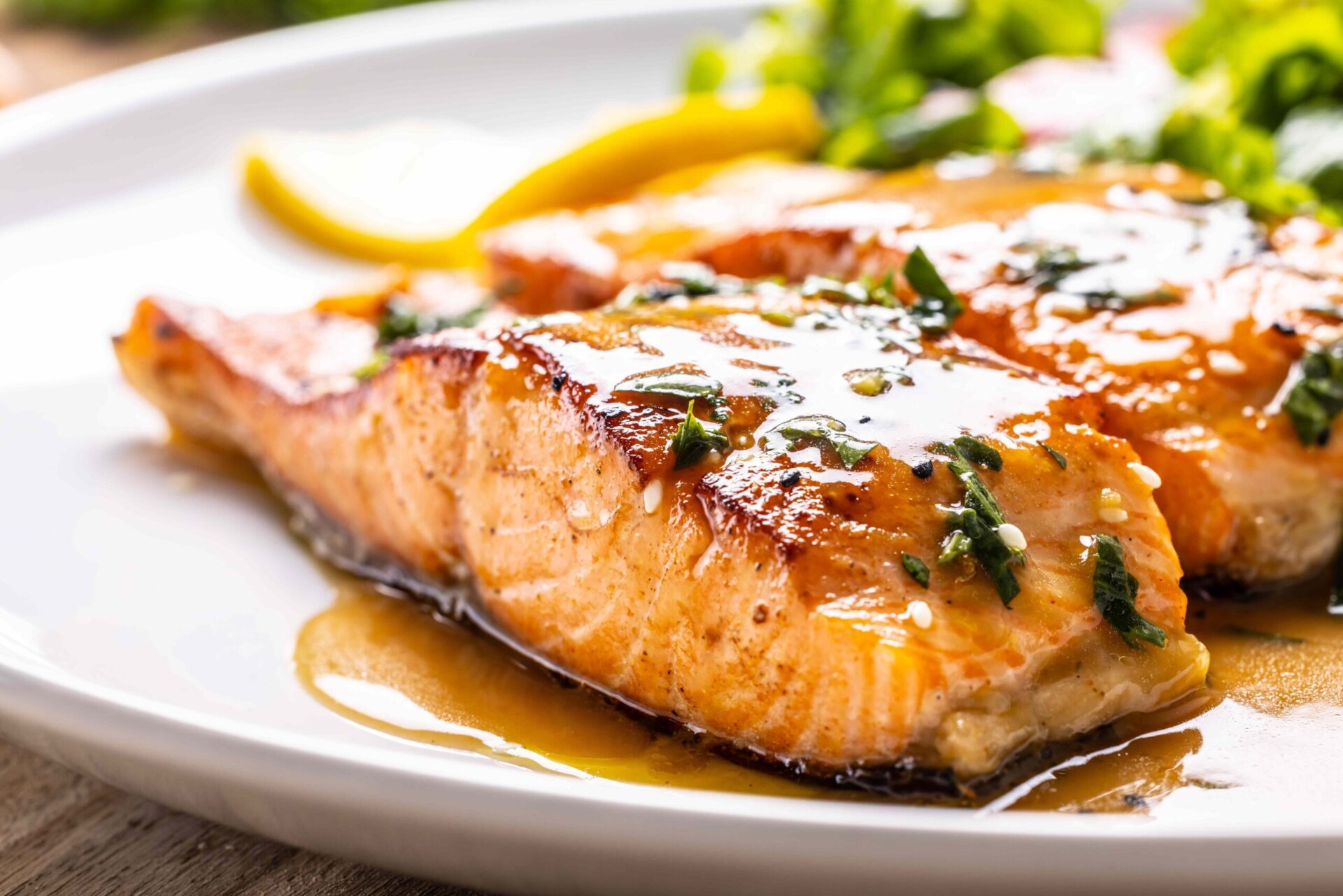
2. Salmon

- Vitamin D content: 383 International Units (IU), 48% of the DV
- Serving size: 3 oz, wild coho salmon cooked with dry heat
This portion of salmon also contains:
- Calories: 118
- Fat: 3.66 g
- Protein: 19.9 g
- Carbohydrates: 0 g
- Potassium: 369 mg
- Vitamin B12: 4.25 mcg, 177% of the DV
- Selenium: 32.3 mcg, 58% of the DV
3. Almond Milk

- Vitamin D content: 199 IU, 24.9% of the DV
- Serving size: 8 oz, unsweetened
This portion of almond milk also contains:
- Calories: 28.8
- Fat: 2.5 g
- Protein: 1.01 g
- Carbohydrates: 1.01 g
- Potassium: 161 mg
- Calcium: 451 mg, 34.7% of the DV
- Vitamin E: 7.2 mg, 48% of the DV
4. Sardines

- Vitamin D content: 178 IU, 22% of the DV
- Serving size: 3.75 oz of Atlantic sardines, canned in oil and drained
This portion of sardines also contains:
- Calories: 191
- Fat: 10.5 g
- Protein: 22.6 g
- Carbohydrates: 0 g
- Vitamin B12: 8.22 mcg, 343% of the DV
- Calcium: 351 milligrams (mg), 27% of the DV
- Selenium: 48.5 mcg, 88% of the DV
5. Oat Milk

- Vitamin D content: 156.4 IU, 19.5% of the DV
- Serving size: 8 oz, unsweetened
This portion of oat milk also contains:
- Calories: 110
- Fat: 6.325 g
- Protein: 1.84 g
- Carbohydrates: 11.73 g
- Potassium: 340 mg
- Calcium: 340 mg, 26% of the DV
- Phosphorus: 204.7 mg, 16.4% of the DV
6. Dairy Milk

- Vitamin D content: 124 IU, 15.5% of the DV
- Serving size: 1 cup of whole (3.25%) milk
This portion of dairy milk also contains:
- Calories: 149
- Fat: 7.93 g
- Protein: 7.69 g
- Carbohydrates: 11.7 g
- Potassium: 322 mg
- Vitamin A: 112 mcg, 12.4% of the DV
- Calcium: 276 mg, 21.2% of the DV
7. Soy Milk

- Vitamin D content: 120 IU, 15% of the DV
- Serving size: 8 oz
This portion of soy milk also contains:
- Calories: 110
- Fat: 4.5 g
- Protein: 7.99 g
- Carbohydrates: 9 g
- Fiber: 1.92 g
- Potassium: 379 mg
- Vitamin A: 499 mcg, 55% of the DV
- Calcium: 451 mg, 34.7% of the DV
8. Eggs

- Vitamin D content: 43.5 IU, 5.4% of the DV
- Serving size: One large whole hard-boiled egg
A hard-boiled egg also contains:
- Calories: 77.5
- Fat: 5.3 g
- Protein: 6.3 g
- Carbohydrates: 0.56 g
- Vitamin A: 74.5 mcg
- Vitamin B12: 0.555 mcg, 23% of the DV
- Selenium: 15.4 mcg, 28% of the DV
9. Tuna

- Vitamin D content: 40 IU, 5% of the DV
- Serving size: 3 oz of skipjack tuna, cooked with dry heat
This portion of tuna also contains:
- Calories: 73.1
- Fat: 0.816 g
- Protein: 16.5 g
- Carbohydrates: 0 g
- Vitamin B12: 2.17 mcg, 90% of the DV
- Selenium: 60 mcg, 109% of the DV
10. Mushrooms

- Vitamin D content: 40.6 IU, 5% of the DV
- Serving size: 1 cup of cooked shiitake mushrooms
This portion of shiitake mushrooms also contains:
- Calories: 81.2
- Fat: 0.319 g
- Protein: 2.26 g
- Carbohydrates: 20.9 g
- Fiber: 3.04 g
- Zinc: 1.93 mg, 17.5% of the DV
- Copper: 1.3 mg, 144% of the DV
- Selenium: 36 mcg, 65.4% of the DV
Sun-exposed mushrooms provide even more vitamin D. When commonly consumed mushrooms are exposed to a source of ultraviolet (UV) radiation, such as sunlight or a UV lamp, their vitamin D content increases.
The vitamin D content in UV-exposed mushrooms may decrease with storage and cooking. Researchers recommend consuming the mushrooms before the best-by date to get a vitamin D level above 10 micrograms per 100 grams. This level is higher than most vitamin D-containing foods and similar to the daily requirement.
11. Cereal Fortified With Vitamin D

- Vitamin D content: 40 IU, 5% of the DV
- Serving size: 1 cup of Cheerios
Some cereals are fortified with vitamin D, meaning the cereal has had nutrients added to it. If you’re counting on cereal as a source of vitamin D, be sure to check each product’s label for the Daily Value per serving.
This portion of Cheerios also contains:
- Calories: 104
- Fat: 1.85 g
- Protein: 3.47 g
- Carbohydrates: 20.5 g
- Fiber: 2.83 g
- Calcium: 100 mg
- Iron: 8.09 mg, 45% of the DV
- Zinc: 3.75 mg, 34% of the DV
Editor’s Note: Besides food, you can obtain vitamin D through sun exposure and supplements.
What's the Right Amount of Vitamin D for You?
The amount of vitamin D you need depends on your age and your risk for vitamin D deficiency.
From childhood through late adulthood, you generally need about 600 IU of vitamin D per day. This amount also applies to people who are pregnant or breastfeeding.
Infants younger than 1 year need 400 IU of vitamin D per day. Adults older than 70 years should aim to get 800 IU per day.
People at high risk of vitamin D deficiency may need to consume higher levels. This includes:
- Breastfed infants: Since human milk is a poor source of vitamin D, breastfed and partially breastfed infants should receive a daily 400 IU supplement.
- Older adults: As you get older, your skin doesn't produce as much vitamin D when exposed to sunlight.
- People with dark skin: Darker skin produces less vitamin D from sun exposure.
- People with digestive disorders: Conditions like Crohn's disease, ulcerative colitis, and celiac disease make it more difficult to absorb nutrients from food.
- People who have had gastric bypass surgery: This weight loss procedure creates a new route around (bypasses) a part of the small intestine where vitamin D is absorbed, making it more difficult for the body to absorb the vitamin.
- People with obesity: People with high body fat levels are more likely to have vitamin D deficiency, though the exact relationship is still unknown.
- People who take medicines that affect vitamin D levels: These include certain cholesterol, anti-seizure, steroid, and weight-loss drugs.
- People with chronic kidney or liver disease: These conditions can affect your body’s ability to convert vitamin D into a form your cells can use.