Fact checked by Nick Blackmer
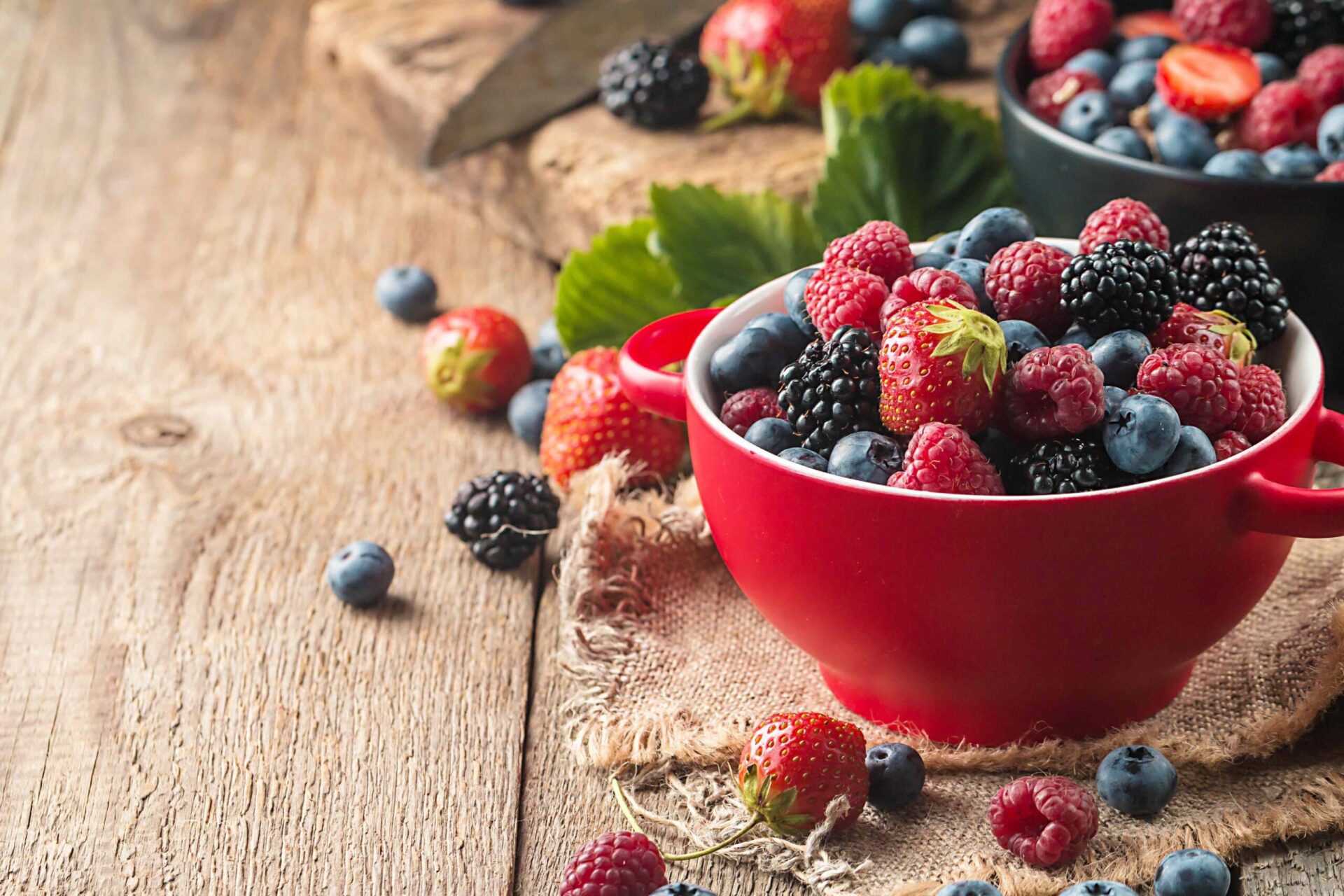
:max_bytes(150000):strip_icc():format(jpeg)/GettyImages-950603366-bad86a3777db433c8ddd0d645bbf6386.jpg "A red bowl filled with mixed berries on a wooden table with additional berries scattered around and another bowl in the background")
Credit: Roxiller / Getty Images
- New research suggests that most people don’t consume 500 milligrams of flavanols per day.
- Previous research has linked consuming 500 milligrams of flavanols daily to cardiovascular benefits.
- Experts say the best approach is to add more flavanol-rich foods to an already healthy diet, rather than overhaul eating habits.
Flavanols—plant compounds found in fruit, vegetables, tea, cocoa, and other foods—have been linked to a range of health benefits, including supporting heart health. Research suggests that consuming at least 500 milligrams of flavanols per day may help reduce the risk of heart disease.
However, a new study published in Food & Function indicates that most people who meet daily fruit and vegetable recommendations still don’t hit that target, raising the possibility that "specific dietary reference values for flavanols may still be necessary," according to the authors.
Most People Don’t Get Enough Flavanols For Heart Health Benefits
To assess diet and flavonol intake, researchers turned to data from two large, ongoing studies: the (EPIC)-Norfolk study, run by the University of Cambridge, and the COSMOS trial, a U.S.-based study that helped establish the link between flavanols and cardiovascular health.
In COSMOS, participants who took a daily cocoa extract supplement containing 500 milligrams of flavanols had a 27% lower risk of cardiovascular death than those who took a multivitamin. The findings suggest that "flavanols are promising dietary bioactives that may support vascular health,” said John Higgins, MD, a professor and sports cardiologist at UTHealth Houston.
The new study aimed to take the COSMOS finding a step further, exploring whether people can reach that 500 mg level through diet alone. Using food frequency questionnaires and urinary biomarkers of flavanol of more than 30,000 participants in the U.S. and U.K., researchers examined whether people who followed established guidelines recommending five servings of fruit and vegetables were likely to hit the COSMOS flavanol threshold.
They found that even among participants who met dietary recommendations, fewer than a quarter reached the a level of flavanol intake found to potentially lead to heart health benefits.
That finding suggests that simply “following the general dietary guidelines for consumption of fruit and vegetables will not assure that you receive sufficient intake levels of flavanols that are important for cardiovascular health,” study author John Erdman, PhD, a professor emeritus in the Department of Food Science and Human Nutrition at the University of Illinois at Urbana-Champaign, told Health.
Why Do People With Healthy Eating Habits Still Miss the Flavanol Target?
Simply having a diet rich in fruits and vegetables may not lead to higher flavanol levels simply because flavanol levels can vary wildly from one food to another. For example, one estimate suggests that eating three plums would provide about 500 mg of flavanols, while it would take about 14 yellow nectarines to reach the same amount.
In addition to plums, experts said other flavanol-rich foods include:
- Apples
- Pears
- Berries
- Grapes
- Tea
- Legumes
If you're not including those foods in your diet, it's less likely that you'll reach 500 mg of flavanols a day.
So What's the Takeaway?
The findings shouldn’t be interpreted to mean that people should focus exclusively on flavanol-rich foods for heart health, experts said.
One reason is that researchers still don’t know whether consuming 500 mg of flavanols from food would provide the same benefits as the cocoa extract supplement used in the COSMOS trial. “Bioavailability from whole foods versus a capsule isn’t always equivalent,” said Bharat Sangani, MD, a board-certified cardiologist and internal medicine physician.
Additionally, flavanols are just one component of the overall heart health picture, Sangani and Higgins emphasized. Fruits and vegetables are full of other compounds that help support cardiovascular health. Nitrates in leafy greens help promote vascular function, lycopene in tomatoes may reduce LDL cholesterol, potassium helps regulate blood pressure, and fiber has well-established cardioprotective effects.
“These compounds work together,” Sangani said. “Zeroing in on just flavanols misses the point. A varied, colorful diet is still the foundation. This research just tells us flavanol-rich choices deserve a more deliberate spot in the larger mix.”
Higgins agreed: “Keep eating fruits and vegetables, but add more flavanol-rich foods.”
Incorporating Flavanols Into Your Diet
If you want to add flavanol-containing foods to your diet, Sangani suggests focusing on “higher-yield” options like apples, berries, grapes, and tea. “Lean on those,” he said, noting that consistency is more important than “weighing milligrams.”
Integrating simple additions throughout the day can boost flavanol consumption, Higgins said. Drink a cup of unsweetened black or green tea, eat berries at breakfast, have an apple or pear for a snack, add beans to your lunch or dinner, or enjoy a small piece of dark chocolate or low-sugar cocoa as a treat.
He also stressed the importance of getting flavanols from food rather than supplements. Although flavanol supplements seemed to show benefits in the COSMOS study, relying on pills or capsules instead of whole foods means missing out on other protective compounds found in plant foods.
“I would be cautious about high-dose supplements,” Higgins said. “Food-based intake is safer, more sustainable, and more consistent with current prevention guidelines.”