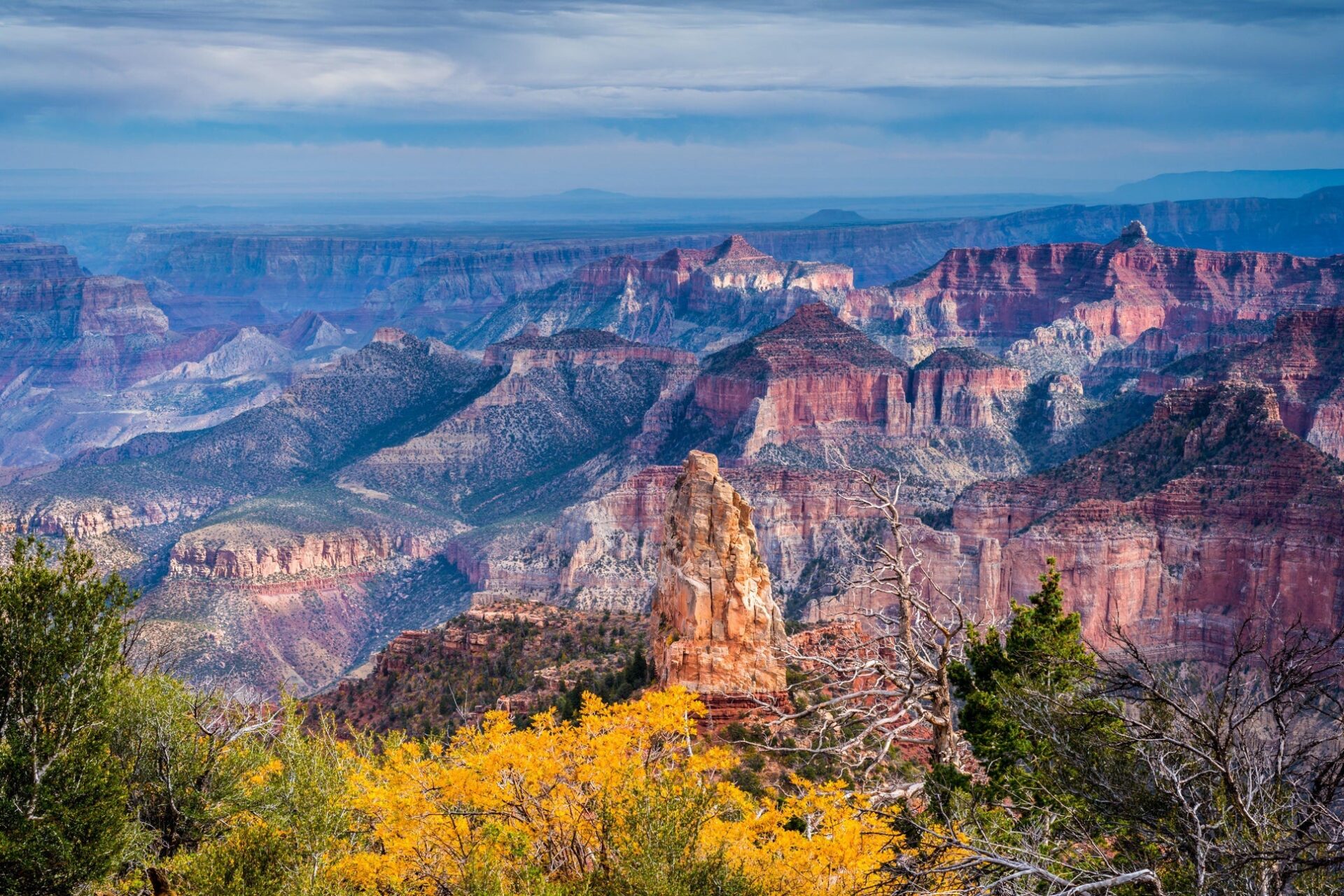

Whether your ideal vacation involves climbing mountains, snorkeling reefs, exploring caves or hiking through ancient forests, you can do it in a national park.
With the recent weakening of the U.S. dollar, domestic travel is becoming a more affordable alternative to exploring abroad. The U.S. has no shortage of stunning sights, including 400-plus national parks, preserves, monuments and other protected areas. However, with parks feeling the effects of ever-increasing visitor numbers and the Trump administration’s budget cuts, they could be even more crowded and short-staffed this summer. It’s more important than ever to plan ahead and check for facility and trail closures.
Here are our top tips for saving money (and dodging the crowds) on your national park trip this year, from cashing in your points and miles to cutting costs on park entry fees.
Related: Things people misunderstand about traveling on a budget
Travel during shoulder season
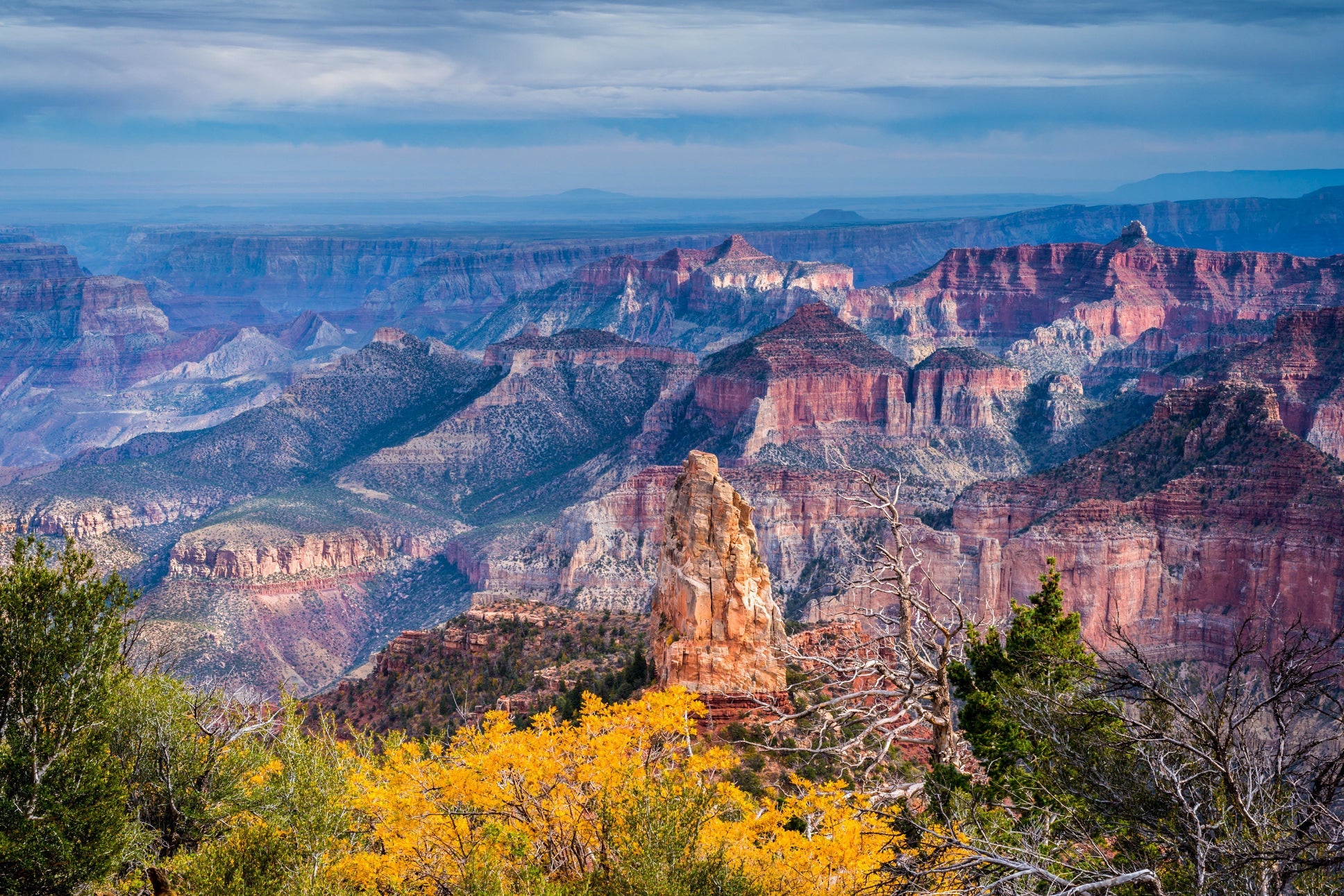
An easy way to save money is to plan your trip outside peak travel periods. Spring and fall are considered shoulder seasons for most national parks, offering cheaper airfares and, in many cases, thinner crowds and milder temperatures. You might even consider visiting national parks in winter, when you’ll see scenery and wildlife most visitors don’t experience, such as snow in the Grand Canyon.
Seats.aero is a handy tool to search for airline award availability to various airports near parks from your home base. You can filter by points cost and transfer partners, and nonstop flights will appear in green.
Here are some deals I found this fall.
See Olympic and Haleakala national parks with Alaska Airlines points
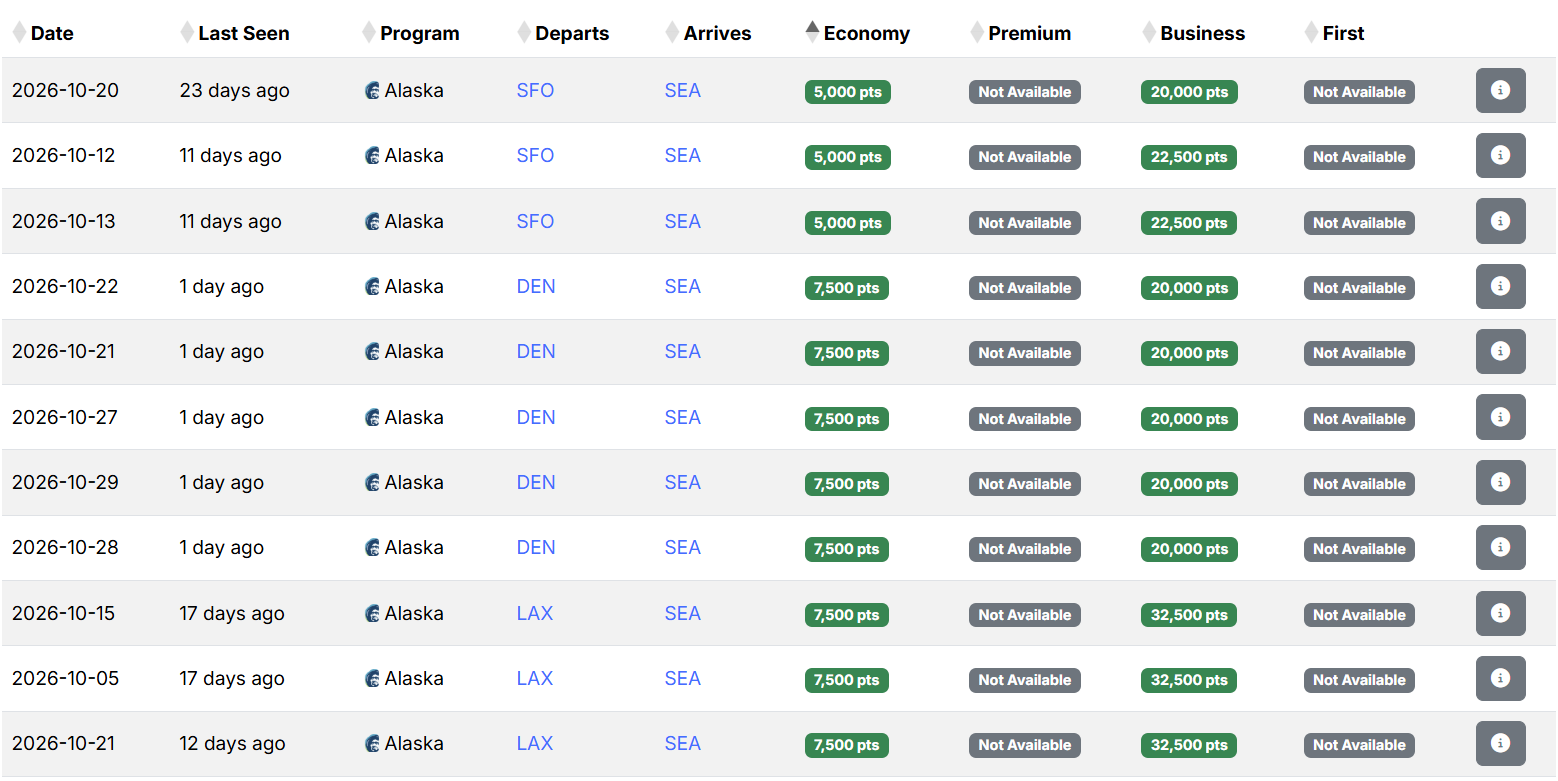
If you’d like to explore the diverse ecosystems of Washington state’s Olympic National Park, you can easily do so from Seattle-Tacoma International Airport (SEA), a roughly two-hour drive from the park. Alaska Airlines offers nonstop flights starting at just 5,000 Atmos Rewards points one-way from San Francisco International Airport (SFO) or 7,500 points from Denver International Airport (DEN) and Los Angeles International Airport (LAX), plus $6 each way, throughout August, September and October.
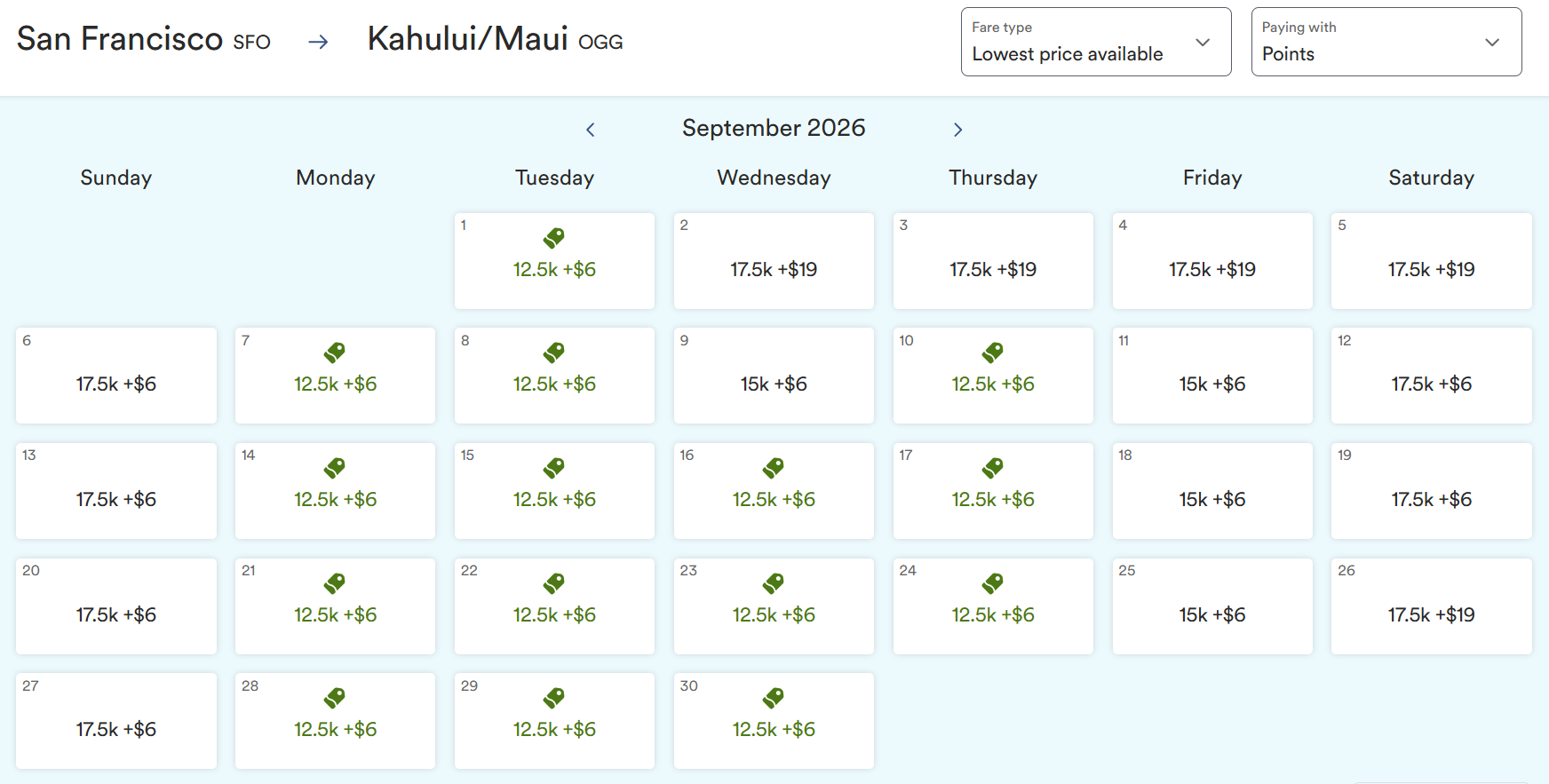
If you’re dreaming of visiting the volcanic slopes of Haleakala on Maui, I found nonstop Hawaiian Airlines flights from Bay Area airports to Kahului Airport (OGG) for as few as 12,500 Atmos Rewards points and $6 each way in economy.

Reward your inbox with the TPG Daily newsletter
Join over 700,000 readers for breaking news, in-depth guides and exclusive deals from TPG’s experts
Bilt is Atmos Rewards’ only current transfer partner; you can transfer Bilt Points to Atmos Rewards at a 1:1 ratio.
Explore Mammoth Cave National Park with Southwest Airlines points
Besides showcasing the world’s longest known cave system, Mammoth Cave National Park in Kentucky is a great place to beat the heat.
This fall, Southwest Airlines consistently offers nonstop flights from Chicago’s Midway International Airport (MDW) to Louisville Muhammad Ali International Airport (SDF) starting at just 8,000 Southwest Rapid Rewards points and $5.60 one-way. The national park is just over an hour’s drive south of SDF.
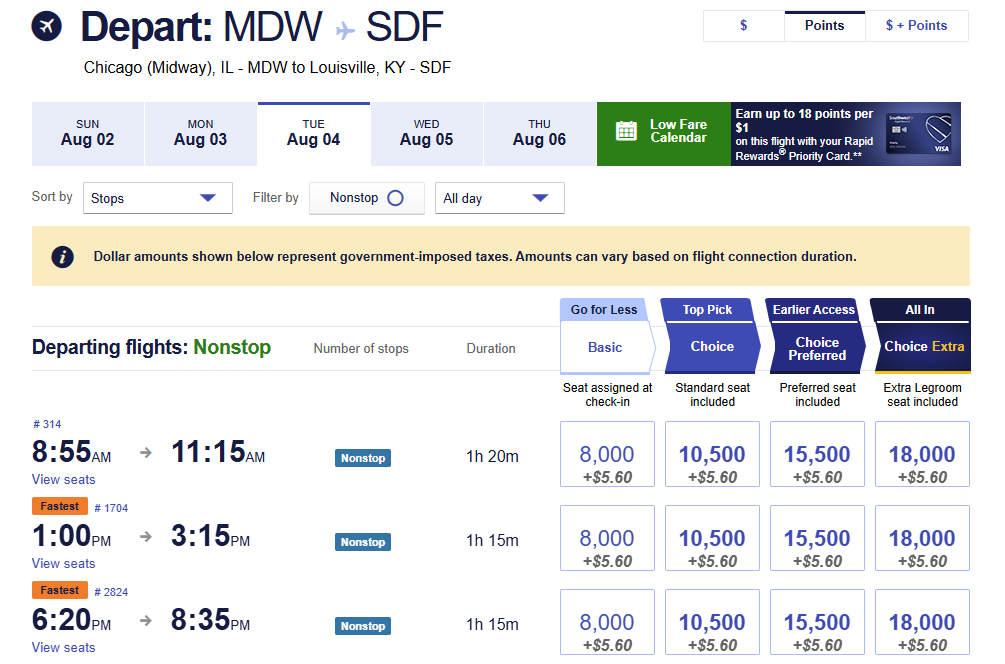
You can transfer Bilt points and Chase Ultimate Rewards points to Southwest at a 1:1 ratio.
Related: 11 ‘coolest’ vacation spots to escape the heat this summer
Hike Colorado’s mountains and sand dunes with United Airlines miles
Since DEN is a United Airlines hub, you’ll find plenty of United MileagePlus award flights to the Mile High City, which is only an hour and a half away from Rocky Mountain National Park and four hours from Great Sand Dunes National Park & Preserve. Fall foliage is spectacular in the Rockies, and September brings pleasant temperatures and calm weather to the Great Sand Dunes.
This fall, United has nonstop flights from Hartsfield-Jackson Atlanta International Airport (ATL) to DEN starting at 11,900 MileagePlus miles and $5.60 one-way, while Newark Liberty International Airport (EWR) to DEN starts at 15,000 miles. You can save even more with a United credit card, thanks to the program’s automatic discounts for cardholders.
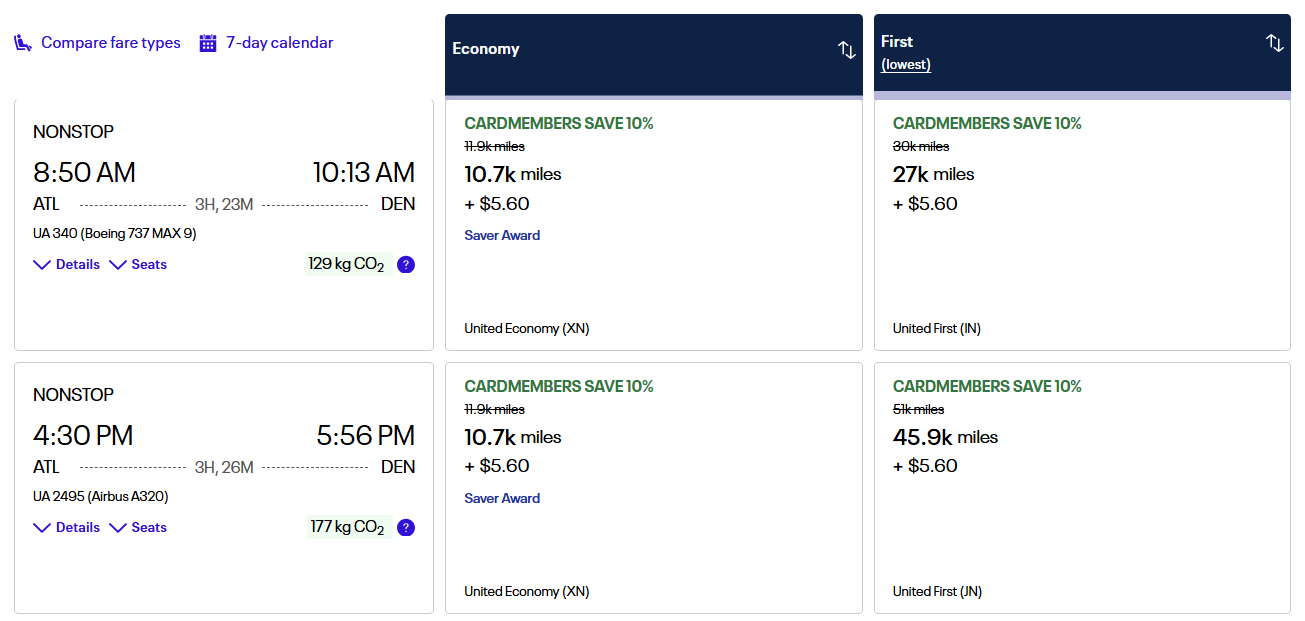
If you don’t have enough United miles, MileagePlus is a 1:1 transfer partner of Bilt and Chase Ultimate Rewards.
Related: 9 cool hotels for leaf peeping, from Central Park to the Rocky Mountains
Visit Grand Canyon and Glacier national parks with American Airlines miles
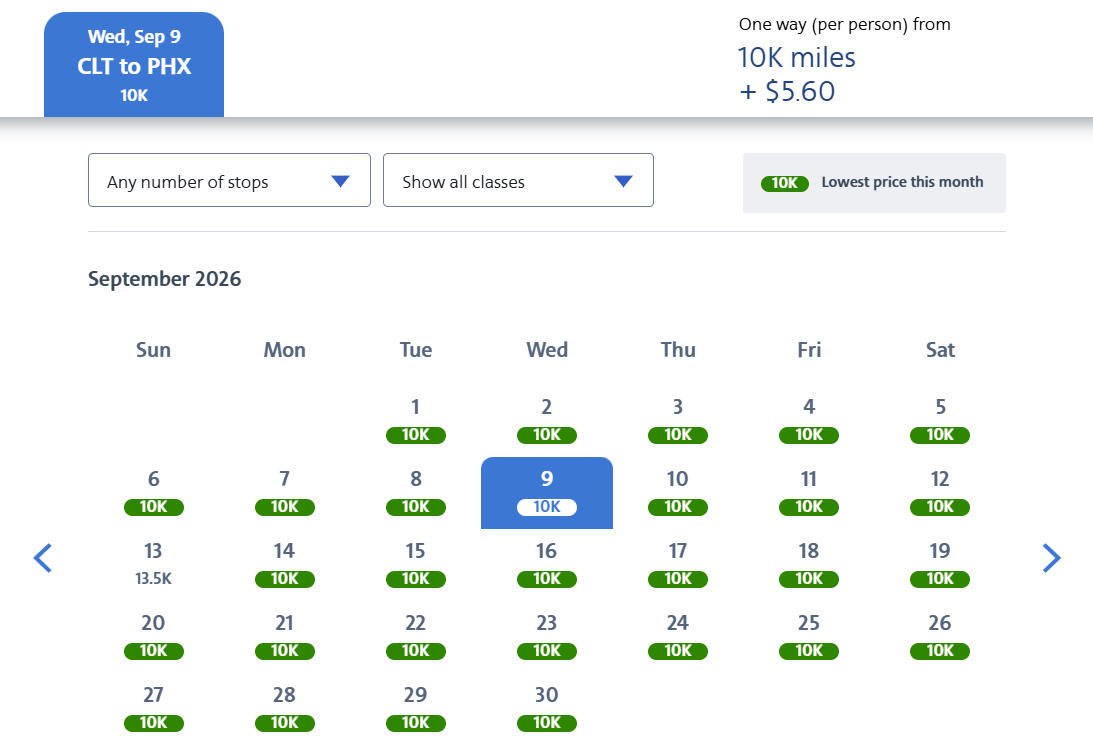
If you have tough-to-earn American Airlines AAdvantage miles, the program has ample availability this fall from Charlotte Douglas International Airport (CLT) to Phoenix Sky Harbor International Airport (PHX) for only 10,000 AAdvantage miles and $5.60 one-way. PHX is less than four hours from the Grand Canyon’s South Rim by car.
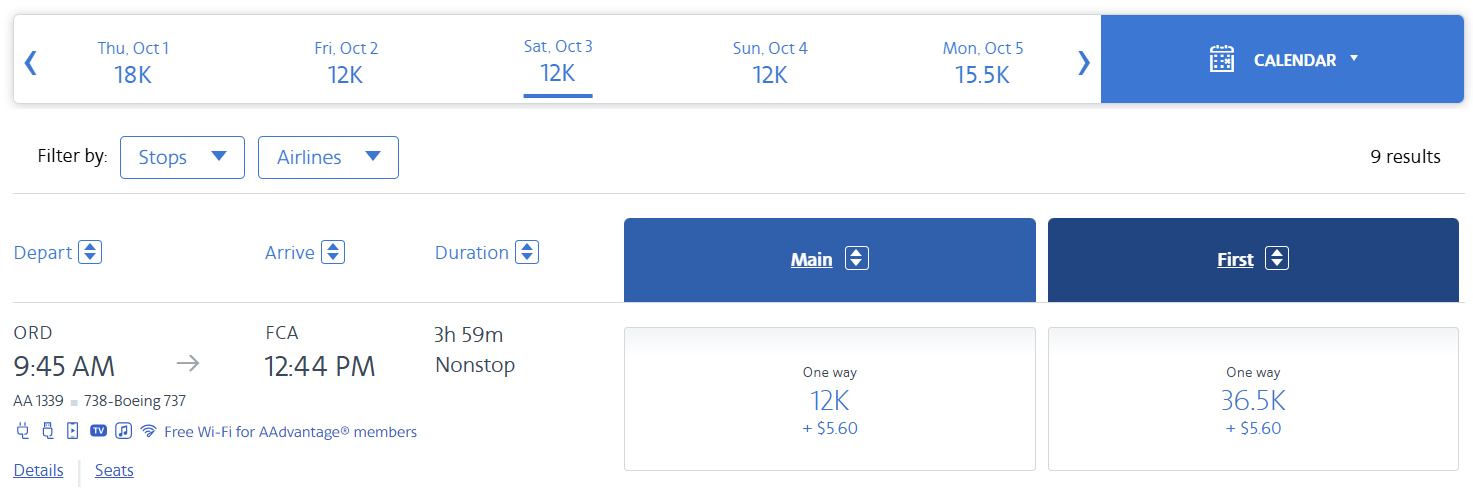
You can also find direct flights from Chicago’s O’Hare International Airport (ORD) to Glacier Park International Airport (FCA) in Montana for 12,000 miles each way. Keep in mind that snow-induced road closures in Glacier typically start in mid- to late October; check the website before you go to see which roads are open.
American currently only partners with Citi ThankYou Rewards, but there are plenty of other ways to earn AAdvantage miles.
See Yellowstone’s geysers with Delta Air Lines miles
Delta Air Lines offers regular flights, including some direct options, to Montana’s Bozeman Yellowstone International Airport (BZN) from various hubs. For instance, you can fly from Boston Logan International Airport (BOS) for just 13,200 SkyMiles — or 11,200 miles if you hold the right Delta credit card — one-way this fall.
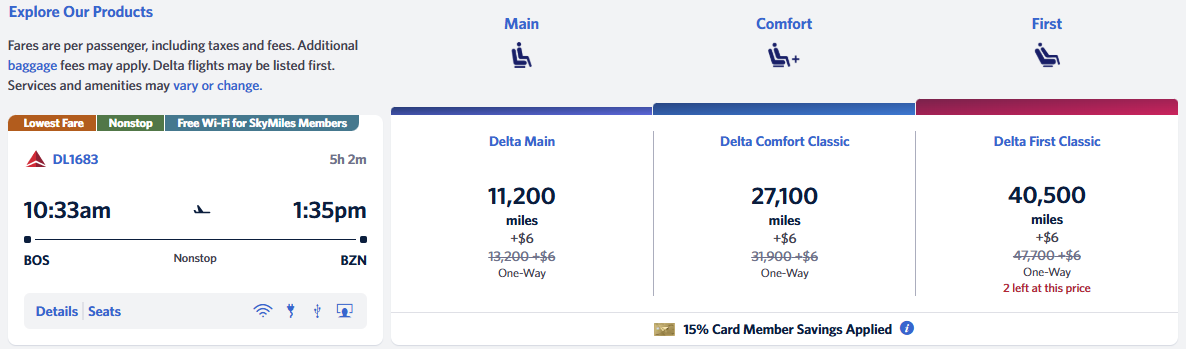
There are several ways to earn more Delta SkyMiles, including transferring American Express Membership Rewards points at a 1:1 ratio.
Related: Why ‘dead weeks’ are the best time of year to travel
Book lodging with points or miles

After airfare, lodging tends to be the next most expensive part of a national park trip — and another opportunity to save with points. Here are some ideas to book your national park stay with hotel rewards and credit card points.
Go glamping on points
Glamping and cabin stays can be a great addition to a national park trip, as they let you experience the joy of the outdoors with the creature comforts of a hotel.
Several major hotel chains have hopped on the outdoors trend in recent years. For example, you can book AutoCamp and Under Canvas glamping properties with Hilton Honors points and World of Hyatt points, respectively. You can also redeem Marriott Bonvoy points at Postcard Cabins and Trailborn nature lodges.
I looked up prices for Under Canvas Moab, near Arches and Canyonlands national parks in Utah, for a weekend in September. A basic safari tent will set you back 24,250 World of Hyatt points or $277 per night before taxes.
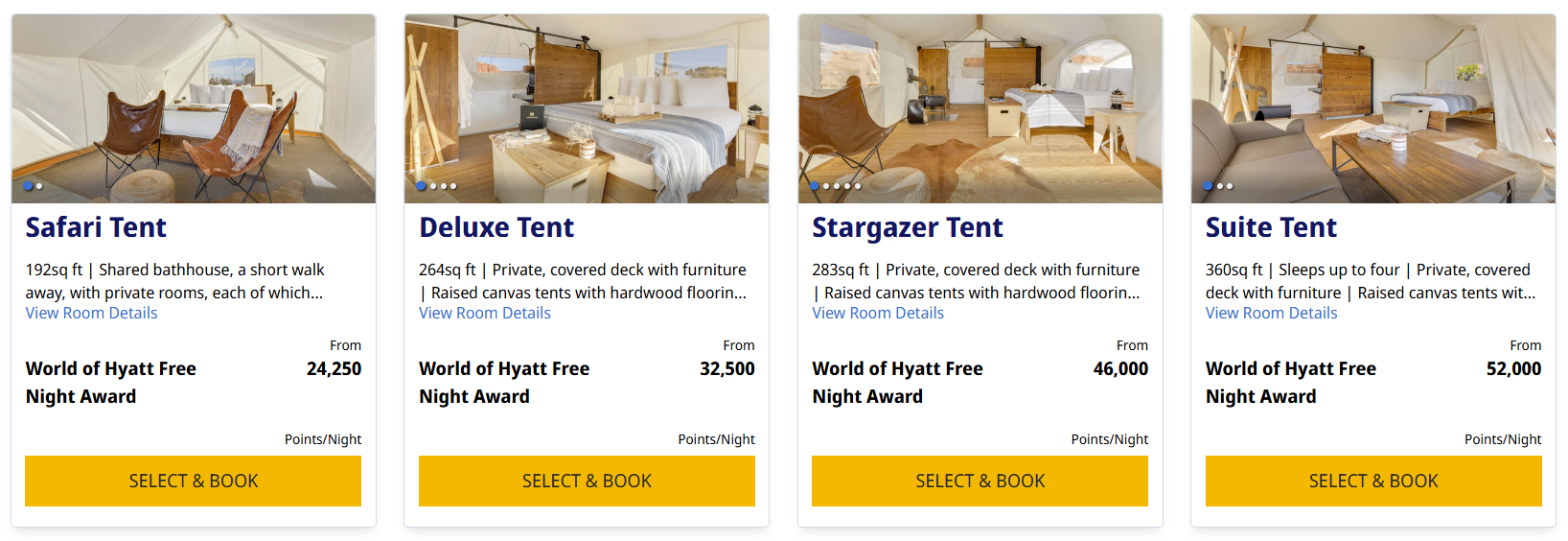
For the same September weekend, a basic Airstream suite at AutoCamp Zion starts at $315 or 75,000 Hilton Honors points per night. Since Amex points transfer to Hilton at a 1:2 ratio, you could book this unique stay with only 37,500 Amex points.

Remember that just because you can book a hotel with points doesn’t mean you should. When cash rates are low and award prices are high, booking with cash and earning points toward a future stay can make more sense.
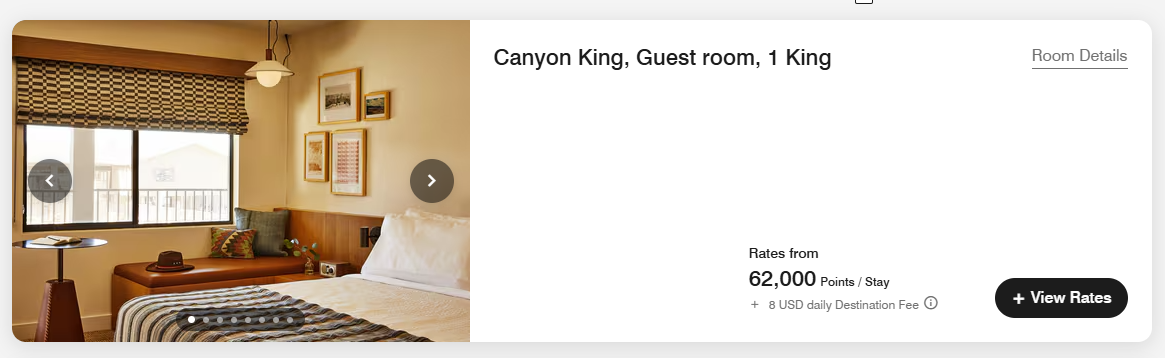
For instance, at Trailborn Grand Canyon, rates start around $176 or 62,000 Marriott Bonvoy points per night on weekends in September. That comes to under 0.3 cents per point, less than half of TPG’s June 2026 valuation for Marriott points, so we recommend paying with cash in this case.
Book other points hotels near national parks
If you prefer a traditional hotel, there are plenty of points properties near national parks. Rooms.aero (the sister site of Seats.aero) can show you what’s available in your destination.
Here are some options I found and their starting rates this fall:
- Hampton Inn Oakhurst-Yosemite in California: $117 or 42,000 Hilton Honors points per night
- Holiday Inn Resort The Squire at Grand Canyon in Arizona: $214 or 41,000 IHG One Rewards points per night
- Ridgeline Hotel at Yellowstone, an Ascend Collection Hotel in Montana: $151 or 20,000 Choice Privileges points per night
- Best Western Acadia Park Inn in Maine: $276 or 40,000 Best Western Rewards points per night
- Holiday Inn Estes Park, near Rocky Mountain National Park in Colorado: $274 or 48,000 IHG One Rewards points per night
- Fairfield by Marriott Inn & Suites Strasburg Shenandoah Valley in Virginia: $111 or 18,500 Marriott Bonvoy points per night
- Hyatt Place Moab in Utah: $171 or 20,000 World of Hyatt points per night
- Econo Lodge Inn & Suites Kalispell — Glacier National Park Gateway in Montana: $55 or 12,000 Choice Privileges points per night
Again, we recommend calculating the value you’ll get per point at your desired property and comparing it to TPG’s valuations before you decide whether to book with points or cash.
If you go the points route, don’t forget that some hotel chains charge resort or amenity fees on award bookings, and some offer your fourth or fifth night free.
Related: Best national parks to visit with your kids
Book through credit card travel portals
Some of the more remote national parks may leave you with few to no points options for accommodations. That’s where credit card portals can come in handy.
If you have access to a portal such as Amex Travel, Capital One Travel, Chase Travel℠ or Citi Travel, search the area around your destination. You may find some great options to book with credit card points or miles, or ways to earn extra points or miles on cash bookings.
For instance, the nearest points hotel to Denali National Park & Preserve is in Fairbanks, Alaska, which is over a two-hour drive away. However, the Chase Travel portal lists several nonpoints hotels much closer.
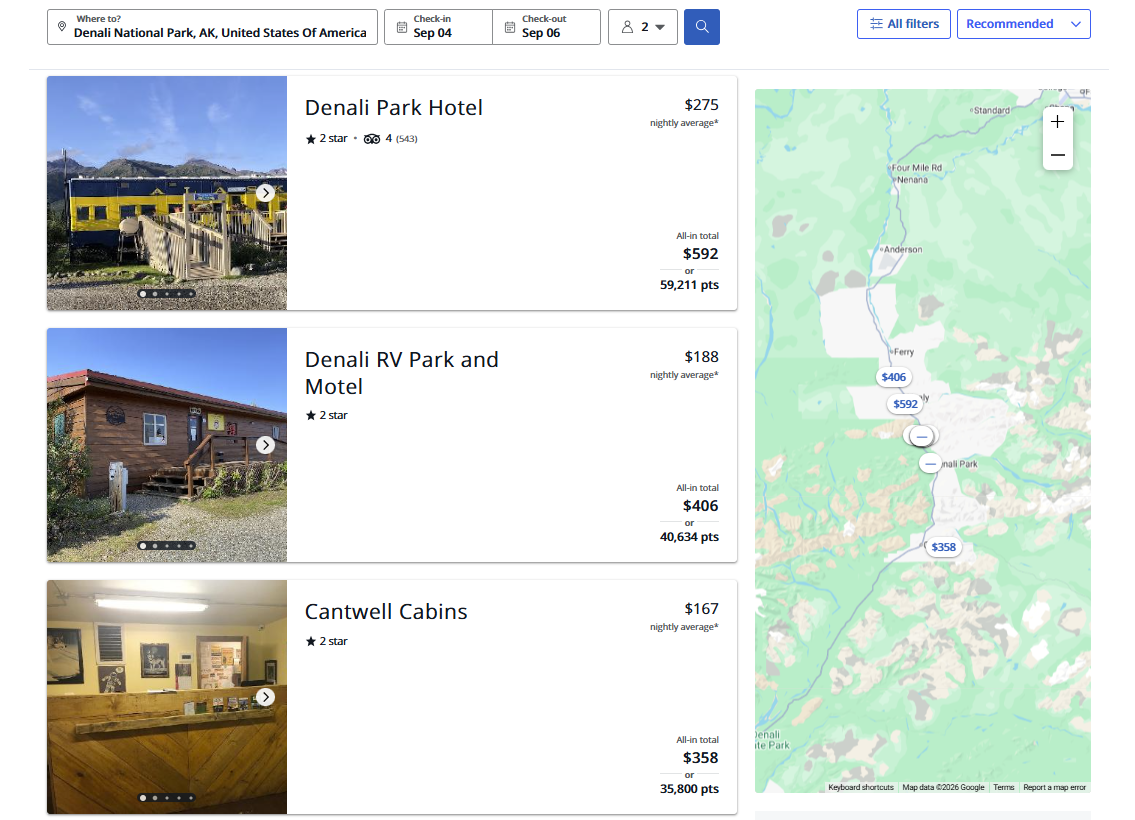
I can redeem my Chase Ultimate Rewards points for these hotels at a flat rate of 1 cent apiece (or better if I can find a Points Boost option). Or, since I hold the Chase Sapphire Reserve® (see rates and fees), I can pay the cash rate with my card and earn 8 points per dollar spent by booking through Chase Travel.
Related: Booking through The Edit by Chase Travel now lets you earn hotel points and elite benefits
Book your rental car with points or miles

Due to the isolated nature of most national parks, you’ll likely need a vehicle during your trip.
Credit card travel portals offer a way to book rental cars with points or miles at a flat rate, just like with hotels. You may also be able to use certain cards’ travel credits toward rental car bookings. For instance, the Chase Sapphire Reserve provides up to $300 in credits toward travel purchases each year, and the Capital One Venture X Rewards Credit Card offers a similar credit for purchases made through Capital One Travel.
If you pay with cash, check out our guides to saving money on rental cars and booking rental cars with points and miles. And don’t forget, you can often save on insurance by using a card that provides rental car coverage.
Save on park entry fees
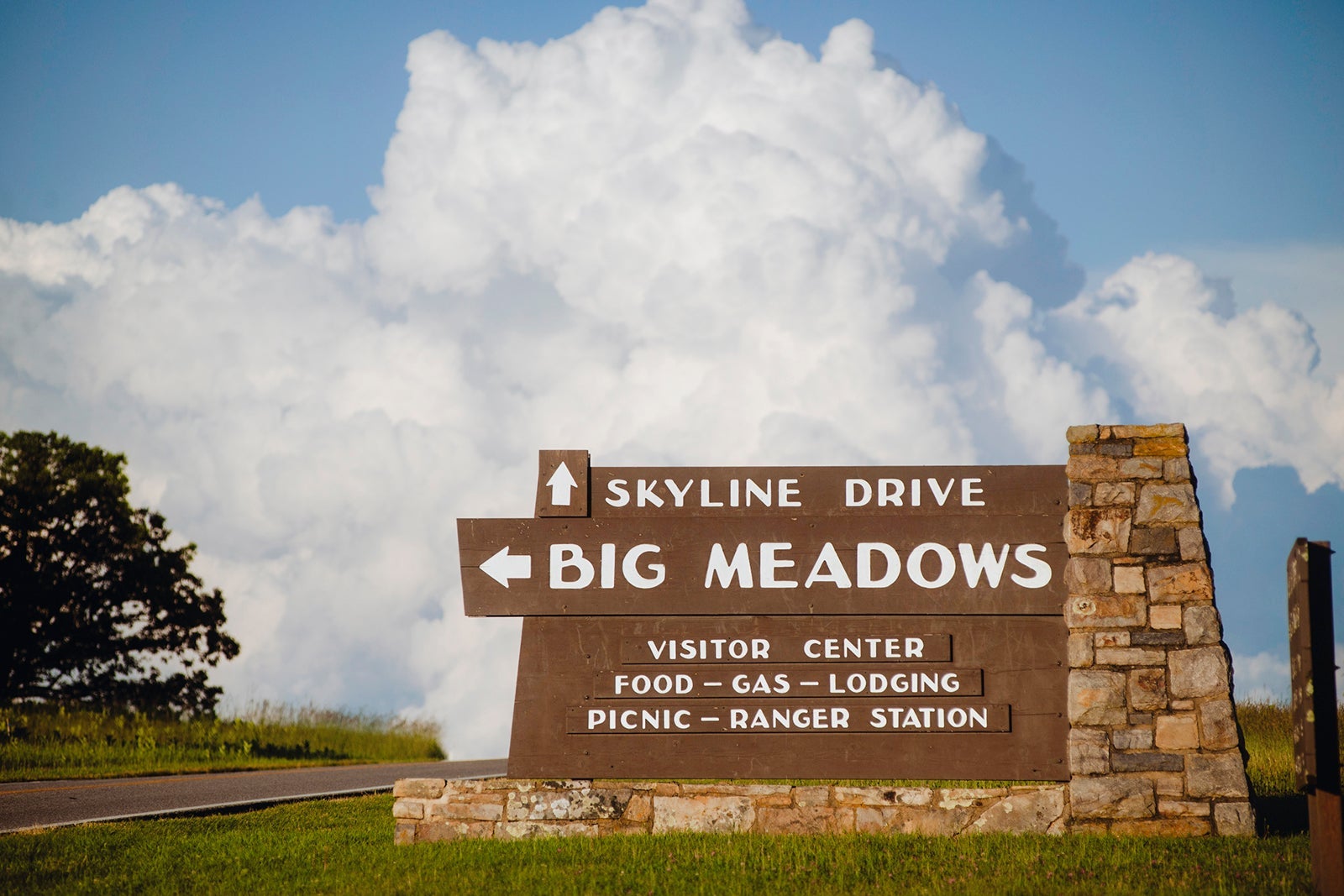
National park entry fees may be a relatively small chunk of your trip budget compared to airfare and lodging, but they can add up quickly if you visit multiple parks. Here are some ways to save.
Get into national parks for free
The National Park Service offers several fee-free days each year when you can get into any park for free. In 2026, the remaining dates include July 3 to 5 (Independence Day weekend), Aug. 25 (the 110th birthday of the National Park Service), Sept. 17 (Constitution Day), Oct. 27 (former President Theodore Roosevelt’s birthday) and Nov. 11 (Veterans Day).
The downside to fee-free days is that they’re among the most crowded times to visit national parks. Arrive early to find parking, and consider visiting less popular and more remote parks on these days.
If you don’t want to plan your vacation around fee-free days, you still have more options than you’d think — most sites managed by the National Park Service and related agencies don’t charge a dime. For example, the nation’s most-visited national park, Great Smoky Mountains National Park, is free to enter (but you’ll have to pay $5 to park).
Lastly, some visitors are eligible for free park access. These include current members of the military, veterans and Gold Star families. Fourth graders can also register for an “Every Kid Outdoors” pass, giving them and their families free access to hundreds of parks, lands and waters for an entire year.
Related: Avoid the crowds: 7 state parks with national park-worthy wonders to explore
Save on an annual pass
Another easy way to save on national park visits is by purchasing an annual pass. The America the Beautiful Pass costs just $80 and gives you access to all federal recreational sites (including national parks) for a year. With some parks — such as Yosemite and Yellowstone — charging up to $35 per visit, you’ll more than break even if you plan to visit a few sites in a year.
If you vacation with grandma and grandpa, you can save even more with a senior pass for travelers 62 and older. A one-year senior pass costs $20, while a lifetime senior pass costs only $80. Both provide park access to anyone in the car with the passholder.
Related: 8 best road trips for visiting national parks
Bottom line
National parks offer a huge variety of landscapes and activities so that you can plan your perfect trip — whether that’s a quiet solo retreat, a group trip with friends or anything in between.
For more ways to keep vacation costs low, check out our guides on how to save on airfare and how to stick to a budget when traveling as a family.

Stacie Harris is a local resident and reporter of the Maple Grove area. Stacie reports on medicine and science for the Maple Grove Report.