Rural health care providers in Minnesota and across the country are bracing for heavy Medicaid funding cuts next year.
They're part of President Donald Trump’s tax breaks and spending cuts package known as the One Big Beautiful Bill Act he signed into law last year, and includes nearly $1 trillion in Medicaid spending cuts over 10 years. As it made its way through Congress, lawmakers worked to appease some congressional Republicans concerned about how cuts could disproportionately impact rural hospitals and health providers, which see a larger portion of Medicaid patients.
The Trump administration offered $50 billion in federal funding to states over the course of five years to “transform” the rural health care delivery ecosystem, referred to as the Rural Health Transformation Program. But, six months after those grants were supposed to roll out, rural health facilities in Minnesota are still waiting on the promised money.
Multiple rural hospitals told MPR News they’re frustrated with delays and the restrictions of the application. Some worried about applying at all because of the payment model and the burdensome application.
And they say the money, which comes with strict guardrails, won’t help where hospitals say they need it most: offsetting the impending Medicaid losses.
“It's sort of like they're in a boat that's full of water, and somebody throws them an oar, so they can row faster instead of throwing them a life preserver,” said Joe Schindler, vice president of finance policy at the Minnesota Hospital Association.
What’s Minnesota working with?
Minnesota received $193 million for the first fiscal year. The bulk of that — 70 percent — is set aside for rural hospitals and must be spent by September 2027.
According to an analysis by national health policy group KFF, Minnesota received less than many states when adjusted for population at about $114 for each of the state’s 1.6 million rural residents.
Ten states received less than $100 per rural resident. Texas came in at the bottom with $66 per rural resident. Eight states were awarded more than $500 per rural resident, including Rhode Island, which is taking home more than $6,000 per rural resident.
How these allocation decisions were made is unclear, but Diane Rydrych, Minnesota Department of Health health policy director, said she’s happy with the funds awarded to the state by the Centers for Medicare & Medicaid Services.
“There was certainly a lot of speculation, and just a lot of wondering ahead of time about how CMS would approach this,” Rydrych said. “We tried to just be optimistic and open-minded about where we would end up in Minnesota, and not sort of succumb to any preconceived notions about where we would land. There's not necessarily a pattern, red or blue, large or small, more or less rural in that sense, in terms of how states ended up.”
Applicants could request items that fell within categories outlined by the state health department and CMS, like community based preventative care, chronic disease management, bringing health care services close to home, investing in technology and creating regional care models to improve whole person care.
The Minnesota Hospital Association said the bulk of requests revolved around technology. For example, Madelia Health, a small critical access system in southern Minnesota, said it requested funds for technology to improve chronic care management and improve telehealth options for patients as well as AI assistance that providers could use to streamline note taking and hospitals could use to code bills quicker.
An aggressive timeline still yields delays
Minnesota received word of its grant amount in December, but Zora Radosevich, director of the Office of Rural & Primary Care at Minnesota Department of Health, said it took the next four months to settle on the final budget with CMS. Hospitals were required to apply for funding by late May.
Radosevich said her experience working with CMS has been positive and productive. The state health department has been trying to balance speed with the due diligence and careful review that’s required.
But, rural health providers are frustrated. Six months into the program, none of them have seen a penny. The health department said they don’t know when the approval process will conclude.
“This all took way more time than we expected, given what was talked about back at the end of last year, [when] the federal government said, ‘Hey, we're going to send this money after the first of the year, and you should have your money in hand fairly quickly after that,’” Schindler said. “That was not the case.”
A burdensome application process
While the rural facilities said they’re grateful for any funding, the application was no easy feat. For some it was a barrier.
Rural health care facilities had about a month to put together the applications. That meant consulting subject matter experts, coordinating with vendors to see who could work within the upcoming budget cycle and sorting through staff — already stretched thin — to figure out who can take on the task of writing, managing and implementing the grant. Since the grant is so restrictive, it was also often too convoluted to figure out which requests qualified.
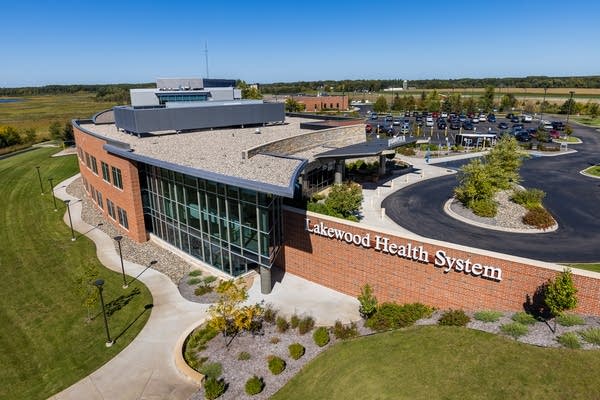
Lisa Bjerga, president and CEO of Lakewood Health System about an hour north of St. Cloud, said she heard from some peer hospitals during the application process that they planned to skip it all together.
“Hospitals are just saying we can't do it,” Bjerga said. “‘We don't have a grant writer, we don't have the resources to do this, it's too complex,’ and so they're just not applying.”
The payment model offered its own challenges. Applicants awarded funds are required to front the costs and await reimbursement.
Rydrych of the state health department said this is Minnesota’s standard grant policy and helps ensure fraud prevention, but acknowledged it can be a barrier for financially strapped hospitals.
That’s true for Madelia Health. President and CEO Dave Walz said the health care system has been on a line of credit with a local bank for more than two years. Making payroll is a constant stress. Paying for grant funds and awaiting reimbursement feels almost impossible.
“If you don't have additional funds to spend, how are we supposed to utilize this program?” Walz said.
The health department said it's offered more frequent invoicing to support hospitals like Madelia, but Rydrych said she’s not sure when it will be able to even start the reimbursement process.
A political concession
The Rural Health Transformation grant program is not meant to fund basic operations or uncompensated care, but to sponsor innovations that help deliver care more effectively in rural areas. A CMS spokesperson described it to MPR News as “catalytic, forward-looking funding to help states and providers transition to more sustainable models of care.”
Rural health care providers told MPR News their biggest frustration is the Trump administration developed the grant to pass the tax and spending cuts. But, grant restrictions forbid grantees from spending where they need it most.
The Minnesota Hospital Association estimates Minnesota will miss out on more than $2 billion in federal health care funding just in the first fiscal year alone, 2028, under Trump’s bill. It also estimates around 140,000 Minnesotans will lose Medicaid eligibility and another 60,000 will likely drop their Affordable Care Act health insurance because of rising costs. That means more uncompensated care, emergency room visits and requests for hospital financial assistance.
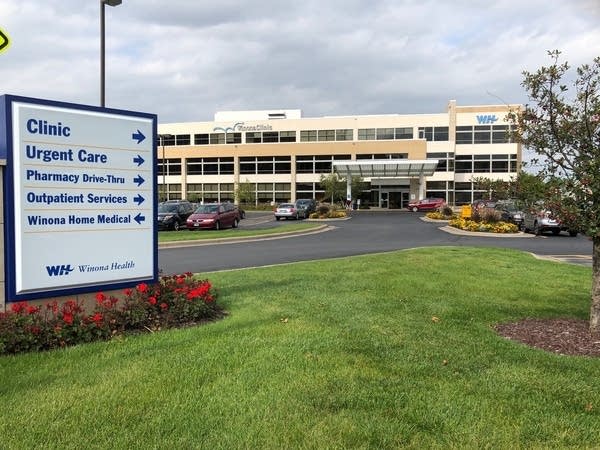
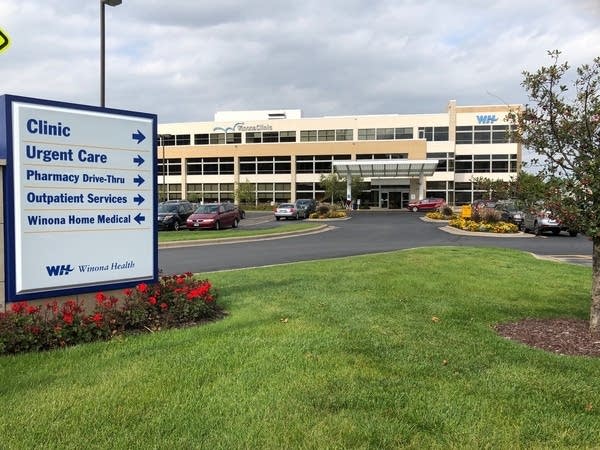
“It's not going to do anything to help with the Medicaid situation that's coming down the pike,” said Rachelle Schultz, president and CEO of Winona Health in southeast Minnesota. “It doesn’t even come close.”
And Bjerga of Lakewood Health System said the mandate seems to ignore the dire realities rural health facilities face.
“They're saying, ‘Oh, here's some free money we gave you for transformation, but yet we took away way more than that,’” Bjerga said. “It's really hard to be in a space of transformation when we're in survival mode.”