While new hotels often steal the spotlight (and trust us, we love a brand-new hotel!) renovated hotels are also deserving of our attention — hear us out:
Unlike newly-opened hotels with expected kinks to work out, renovated hotels have been running well-oiled operations for years. And after a major facelift, they look a lot better doing it. They might even be cheaper in a bid to lure guests back after a noisy construction phase.
The best refreshes also do more than just tear out dingy carpeting. They toss worn furnishings and dated decor in favor of bold, contemporary, and design-forward style that’s visible everywhere from the lobby check-in desk to a guest room nightstand. Often, enticing amenities are added, whether a new dining concept, a modern fitness center, or a revamped pool deck.
In the past year, many hotels quietly but thoroughly revived their surroundings, putting forth a new guest experience that begs a second look. Whether you once liked it but wavered on a repeat visit, hesitated to book a stay in the first place, or checked out feeling underwhelmed, these points-friendly hotels feel shiny and new, even though technically they’re not.
Waldorf Astoria Los Cabos Pedregal
1 of 3
CARLY HELFAND/THE POINTS GUY
In the fall of 2025, the Waldorf Astoria Los Cabos Pedregal debuted a spectacular remodel to the 24-acre resort perched on the southern tip of Mexico’s Baja California Peninsula. All 112 rooms, suites, villas, and casitas were redesigned, trading dark, dated decor for light and bright design accents, curated Mexican art, and tech-forward features (don’t worry, the private plunge pools and free daily in-room happy hour were left intact). Elsewhere across the resort, upgrades extend to common spaces including the spa, gym, and pools, and new dining concepts were also added.
Rates at the Waldorf Astoria Los Cabos Pedregal start at $770 or 220,000 Hilton Honors points per night.
The Curtis Denver – a DoubleTree by Hilton Hotel
1 of 3
RACHEL CRAFT/THE POINTS GUY
Far from cookie cutter, this playful hotel in downtown Denver has curated a unique guest experience for years with pop culture-themed rooms and spaces. But just this year, The Curtis Denver completed a multimillion-dollar refresh that revealed brand-new themes, fully redone guest rooms and suites, and renewed meeting and event spaces. The new themes include entire floors devoted to animals, summer camp nostalgia, grade-school recess, retro arcade games, and game shows. Pick from standard rooms that pay homage to each theme, or hyper-designed rooms that incorporate whimsy into every inch with immersive and interactive design elements.
Rates at The Curtis start at $115 or 39,000 Hilton Honors points per night.
Moana Surfrider, A Westin Resort & Spa
1 of 3
CLINT HENDERSON/THE POINTS GUY
Just in time to mark its 125th birthday, Moana Surfrider, a Westin Resort fronting a prized stretch of Honolulu’s Waikiki Beach, debuted a major renovation. The 791-room hotel has three distinct towers, including the Banyan Wing, which is the oldest part of the hotel. This area dates back to 1901, and includes a grand, sweeping lobby. While the original structure and much of its Victorian character were preserved, the lobby and check-in area now feature wave-like modern carpeting and bright white walls to exude a contemporary touch. Also renovated were the guest rooms, which differ in decor based on the tower, ranging from cozy and classic to beachy chic.

Reward your inbox with the TPG Daily newsletter
Join over 700,000 readers for breaking news, in-depth guides and exclusive deals from TPG’s experts
Rates at Moana Surfrider start at $350 or 58,000 Marriott Bonvoy points per night.
Park Hyatt Beaver Creek Resort and Spa
1 of 2
Park Hyatt Beaver Creek Resort and Spa. SUMMER HULL/THE POINTS GUY
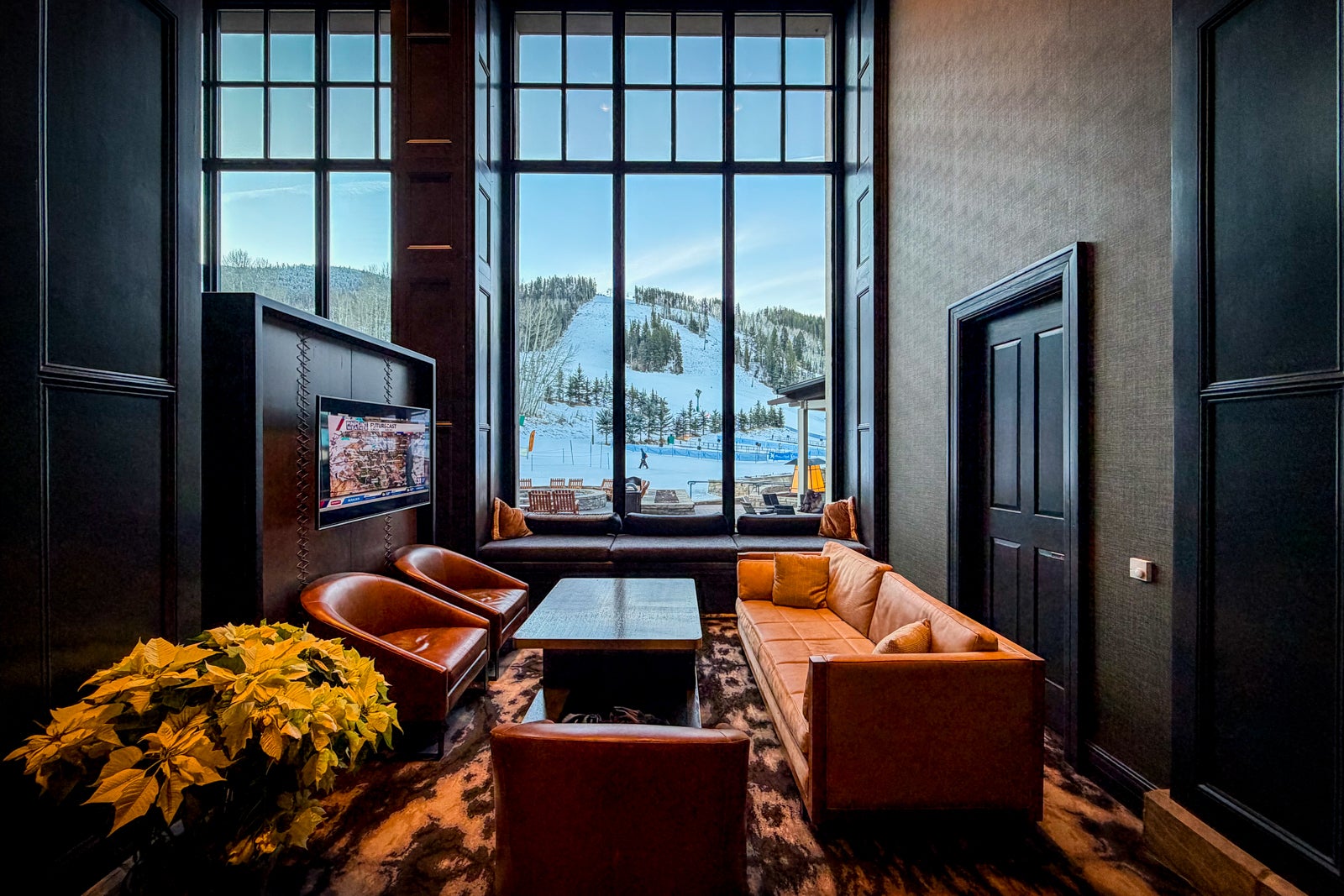
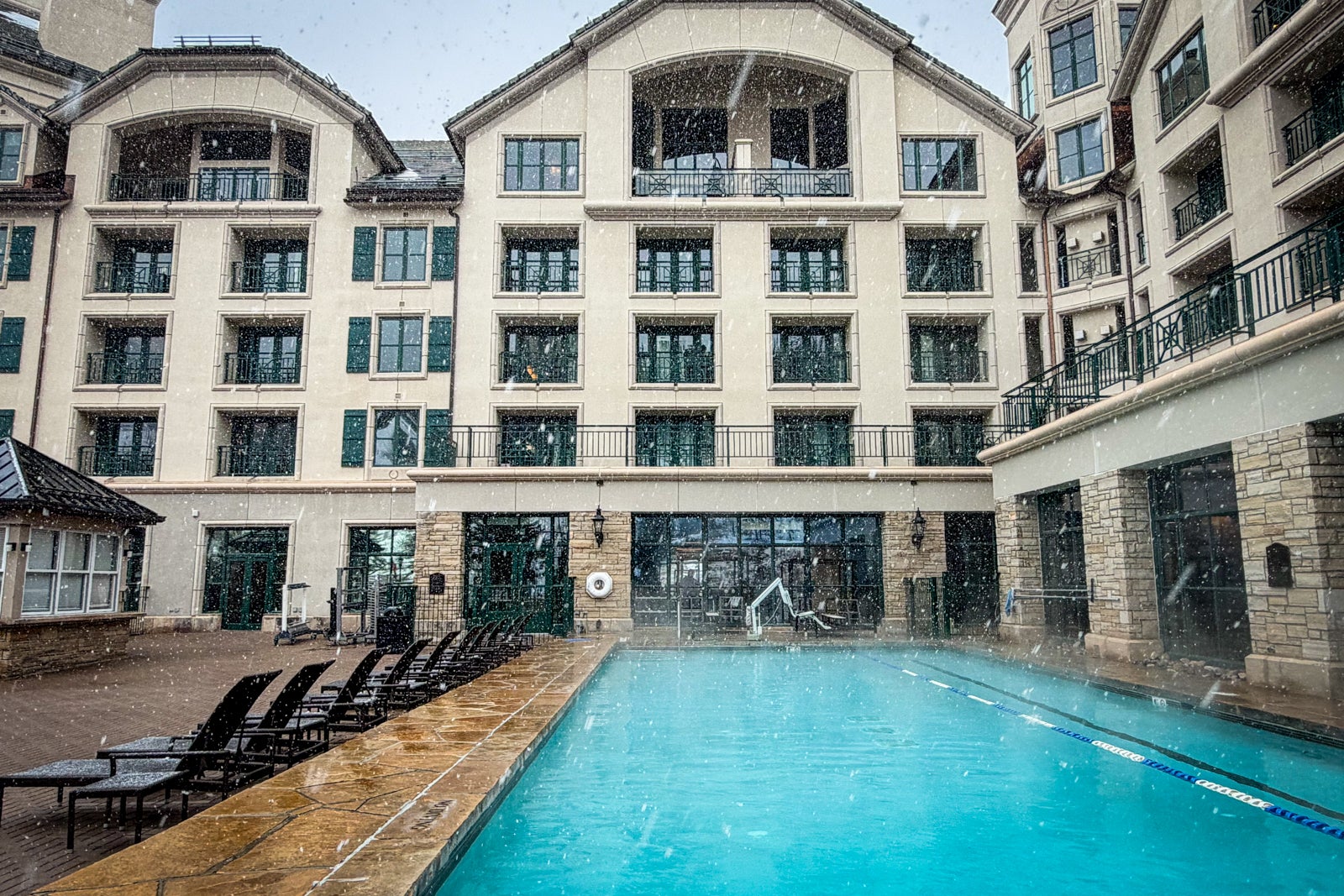
A fixture of Beaver Creek for over 35 years, the Park Hyatt is a luxurious ski-in, ski-out property that finished a multi-year transformation in fall of 2025. All 193 guest rooms now boast alpine-inspired artwork, leather furnishings, polished bathroom vanities and quartzite minibars with burled wood accents. However, perhaps most notable are the new bed configurations. There’s the one king bed option, of course, but now also two queen beds. Previously, the second standard bunking choice included double beds, and this welcome change raises the occupancy level from three to four guests.
Rates at Park Hyatt Beaver Creek start at $307 or 35,000 World of Hyatt points per night.
The St. Regis Singapore
1 of 3
TANNER SAUNDERS/THE POINTS GUY
Located steps from the glossy designer shops of Singapore’s famed Orchard Road, the St. Regis now matches the glitz and glam of its highend neighbors. A full refresh reimagined guest rooms and suites, as well as dining venues and event spaces. The 299 accommodations now pay homage to the Singapore Botanic Gardens through subtle floral motifs, natural wood and floor-to-ceiling windows that bathe each space in natural light. Rooms also include potable hot and cold water on tap, marble bathrooms with soaking tubs, smart TVs and a bluetooth sound bar. Outside of the rooms, the hotel redesigned the spa, added both an Italian restaurant and a St. Regis Bar, and gave a new look to Yan Ting, the hotel’s Cantonese restaurant.
Rates at St. Regis Singapore start at $375 or 56,000 Marriott Bonvoy points per night.
The Scottsdale Resort & Spa, a Curio Collection by Hilton
Following a $40 million renovation, The Scottsdale Resort & Spa now offers a design-forward stay in the middle of the Sonoran Desert. Changes are visible beginning in the sleekly redone lobby, and extend to the 318 renovated guest rooms, which now feature airy desert-inspired decor and gleaming bathrooms. Families and groups may camp out in the more spacious Stillman Villas, reconfigured to accommodate multiple bedrooms with adaptable layouts that come with access to a secluded, exclusive pool. Also of note are four new dining venues, including an upscale restaurant, a speakeasy-style cocktail bar hidden behind a secret wall, a casual bar with interactive games, and a cafe, wine bar, and market all-in-one. Wellness is also a major hallmark of the redesign, with an upgraded fitness center, a revamped pool, an expanded spa with an outdoor cold plunge and barrel hot tub, and free daily classes that range from mat Pilates to aqua yoga, sound baths and chakra walks.
Rates at The Scottsdale Resort & Spa start at $141 or 46,000 Hilton Honors points per night.
La Quinta Resort & Club

This glamorous desert resort spanning 45 acres dates back to the 1920s, when it first opened with 20 adobe-style casitas, and earned a reputation as a favored retreat among Hollywood’s brightest stars. The resort has gone through a few iterations since then, most notably in 2025 when it completed a full renovation, just in time to usher its centennial year in 2026.
The lobby was given new life, as was the resort’s signature steakhouse, plus the 718 guest rooms. The latter received new vanities, fixtures, artwork, furniture and carpeting. There are also a whopping 42 pools here including the brand-new Plunge at Renker Pool, which is exclusive to guests ages 21 and up and has dual infinity-edge pools, a hot tub, bar and cabanas.
Rates at La Quinta Resort & Club start at $254 or 78,000 Hilton Honors points per night.
Kimpton Hotel Monaco Seattle
The Kimpton Hotel Monaco Seattle, part of IHG Hotels & Resorts, completed its property-wide renovation in the fall of 2025. All 189 guest rooms were revitalized to introduce a more refined design with updated furnishings, finishes and artwork that reflect Seattle’s maritime character. Likewise, the lobby and public spaces were redesigned with Pacific Northwest influences such as curated art, cool tones and sculptural elements, in addition to comfortable seating nooks and a new layout to encourage gathering. Finally, the boutique hotel also added a new dining spit, Marin, which is described by the hotel as a is a modern coastal restaurant.
Rates at Kimpton Hotel Monaco Seattle start at $127 or 26,000 IHG One Rewards points per night.
Wailea Beach Resort
1 of 4
JON MAXWELL/THE POINTS GUY
Located directly facing the golden sands of Maui’s Wailea coast, this Marriott resort completed a sweeping refresh in 2025. Updates can be seen across much of the 547 accommodations and public spaces, including several new luxury oceanfront villas, which come with living areas, gourmet kitchens, and may include one to four bedrooms. Standard guest rooms were also improved to add soft, ambient lighting and a soothing color palette reminiscent of Hawaiian sunrises and landscapes.
There’s also Olakino, the resort’s newest infinity pool, which is an adults-only wellness sanctuary accessible via a day pass that features rotating wellness themes, mini spa treatments, healthy bites, and a daily celebratory sabering ritual to mark the end of the day.
Rates at Wailea Beach Resort start at $552 or 77,500 Marriott Bonvoy points per night.
Hyatt Regency Washington on Capitol Hill
Located 1,287 steps from the U.S. Capitol Building, the Hyatt Regency Washington on Capitol Hill completed a full renovation last year in time to celebrate its 50th anniversary this spring. Admire changes from the moment you enter the newly refinished sunken lobby and grand atrium, throughout corridors, within the restaurant and bar, and inside meeting and event spaces, which includes the largest ballroom on Capitol Hill. Guest rooms were also elevated with warm wood tones, metal accents, enhanced amenities and modern bathrooms. Double beds were traded for queens, and sleeper sofas are now available in king rooms. World of Hyatt members holding Globalist status will also appreciate the new Regency Club, an elegant space serving light bites and beverages.
Rates at Hyatt Regency Washington on Capitol Hill start at $275 or 17,000 World of Hyatt points per night.
Hyatt Regency Hill Country Resort and Villas
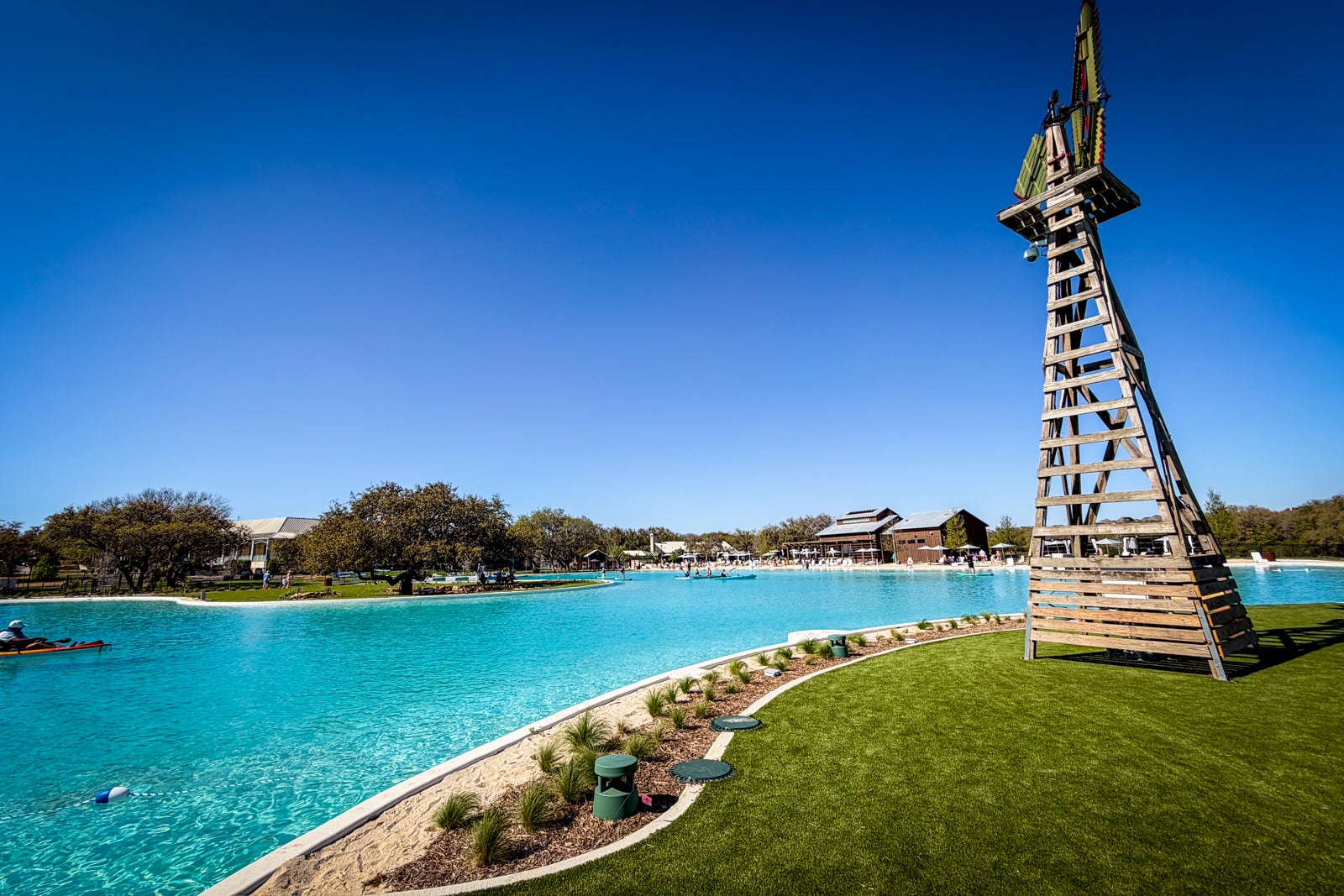
Hyatt Regency Hill Country Resort and Villas invested $100 million to transform the property, which was unveiled to guests at the start of the year along with the debut of a massive 2.2-acre swimming lagoon with white sandy beaches and water sport activities. Located on 300 scenic acres in the Texas Hill Country, the hotel also updated all guest rooms and added standalone luxury villas, bringing the grand accommodation total to 522. The villas, in particular, infuse a strong sense of luxury to the resort, as they come with four private bedrooms, bathrooms with soaking tubs, private patios, a dedicated villa host and access to the amenities at the hotel’s Windflower Spa.
Other new elements include the Rancher Hall event barn, refurbished restaurants (there are eight total), a new Woodbine Bar and the opening of Toptracer Range golf bays at Hill Country Golf Club.
Rates at Hyatt Regency Hill Country Resort and Villas start at $380 or 20,000 World of Hyatt points per night.
Hotel Indigo Nashville – The Countrypolitan
Located in Nashville’s historic Printer’s Alley, the Hotel Indigo Nashville at the Countrypolitan has undergone a multi-year transformation, which included a full renovation of all 134 guest rooms and suites. Accommodations now strongly reflect a contemporary yet classic aesthetic with sophisticated bedding, a spa-inspired shower stocked with Zenology products and small design-forward touches. The hotel, which curates an authentic Nashville experience by offering a cocktail lounge and stage hosting nightly music, also modernized 6,500 square feet of meeting and event space, and added a round-the-clock fitness center.
Rates at Kimpton Hotel Monaco Seattle start at $140 or 31,000 IHG One Rewards points per night.

Stacie Harris is a local resident and reporter of the Maple Grove area. Stacie reports on medicine and science for the Maple Grove Report.