Medically reviewed by Danielle Weiss, MD
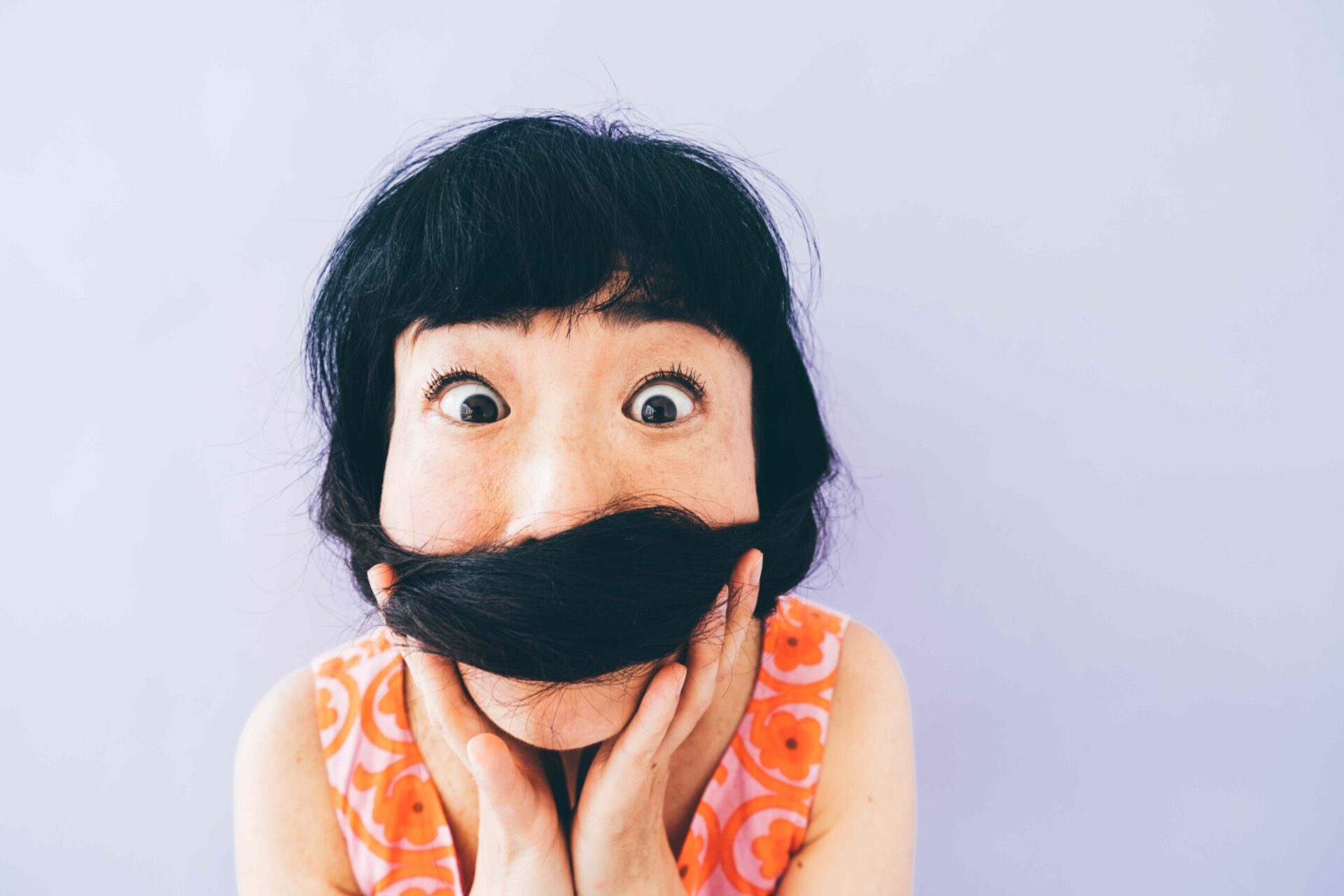
:max_bytes(150000):strip_icc():format(jpeg)/Health-GettyImages-2219796562-284562c3b29d4489b619b2024ef7fd84.jpg "Person with long hair held to mimic a mustache looking surprised.")
Credit: Curly_photo / Getty Images
- Certain hormones affect hair growth, and hormone levels can fluctuate based on what’s going on in your life.
- Androgens may cause the hair follicle to shrink, impacting hair growth, while estrogen helps keep hair follicles in their growth phase for longer.
- When your body is stressed, it releases high amounts of cortisol that may contribute to hair loss or shedding.
Hormones have a wide range of functions in the body, from impacting mood to ushering in new life stages, such as menopause. However, hormones also play a significant role in how your hair grows and changes over time.
Hormones called androgens, estrogen, and cortisol have direct links to the health of your hair follicles, and everything from your age to your stress levels play a role in how they affect your hair.
1. Androgens Can Shrink Hair Follicles
Androgens are sometimes called "male hormones," but all people make them. They're the hormones behind androgenetic alopecia, the most common form of hair loss.
Essentially, some people's bodies undergo an excessive reaction to androgen and, as a result, their bodies produce greater amounts of another hormone called dihydrotestosterone (DHT). For people that are more susceptible, DHT plays a role in the shrinkage of hair follicles—a process called miniaturization—which results in progressively shorter and thinner hair strands.
This type of hair loss, androgenetic alopecia, affects about 80% of men by the time they turn 80. It usually manifests as a receding hairline.
For women, androgen-related hair loss presents in about 40% of women over the age of 50. This is likely due to the fact that estrogen levels fall during menopause, making androgens relatively stronger by comparison.
Women with androgenetic alopecia usually have a more visible scalp across the crown of their heads and a loss of volume when they put their hair in a ponytail.
2. Estrogen Helps Keep Hair in Its Growth Phase
Each hair follicle goes through consistent cycles of growth, transition, rest, and shedding. Estrogen, a hormone involved in reproduction and many other processes across the body, helps keep hair follicles in the growth phase for a longer period of time.
During periods of life when a person's estrogen levels are higher—such as during pregnancy—hair tends to grow more.
But when estrogen drops, such as after birth or during menopause, people may be more likely to see hair loss, as follicles shift into shedding phases.
3. Cortisol From Chronic Stress Can Disrupt Hair Growth
Cortisol is a hormone that's released when you're under stress. In small amounts, this is normal. But when stress is ongoing, it can interfere with hair follicle function.
Research shows that long periods of stress raise levels of cortisol and another hormone called corticotropin-releasing hormone (CRH). This triggers a number of changes within the body, including inflammation and immune disruption, which can limit the hair growth phase and contribute to hair follicle miniaturization.
Hair loss from elevated cortisol and CRH levels usually doesn't show up until 2–6 months after the stressful event, which can make it hard to connect the two.
In some cases, hair loss and stress have a two-way relationship, meaning stress can prompt hair loss, and that hair loss can further exacerbate stress levels.
Conditions That Can Cause Hair Loss
Natural swings in androgen, estrogen, and cortisol throughout your life can contribute to changes in hair growth, but so can certain conditions, including:
- Polyendocrine metabolic ovarian syndrome (PMOS), formerly called PCOS
- Thyroid dysfunction
- Lupus
- Diabetes
How To Talk to Your Healthcare Provider About Hair Changes
If you've noticed more shedding, thinning, or texture changes to your hair, a dermatologist can help identify what's going on. They may also have you consult with an endocrinologist (a doctor who specializes in hormones), depending on the root causes of your hair concerns.
There are a few things that can be helpful to do before your appointment:
- If possible, track when your hair changes started and whether they developed gradually or suddenly.
- Take photos of your scalp over time to show your healthcare provider.
- Be ready to discuss your menstrual cycle history if relevant, since irregular cycles can be a sign of hormonal imbalance.