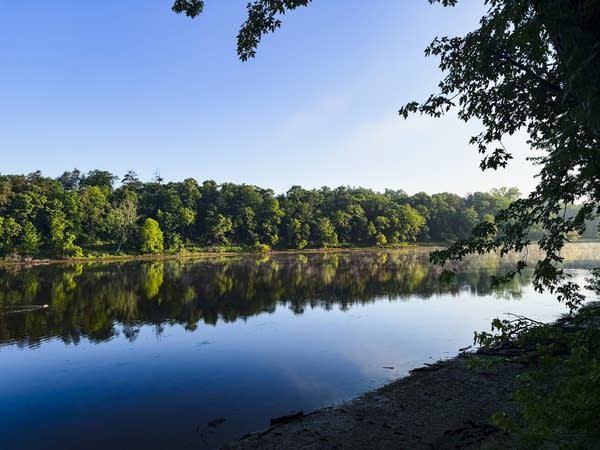
The Minnesota Pollution Control Agency is proposing to add 46 new lakes, rivers and streams to its list of water bodies that fail to meet state water quality standards.
The waters face a variety of pollution issues, including mercury from coal-fired power plants and industry, sulfate that can harm wild rice and PFAS, or “forever chemicals,” that accumulate in fish.
Lakes, rivers and streams also can lack diverse fish and other aquatic creatures. They can have too many nutrients that cause algae to grow. Or their waters can be cloudy with sediment.
“Essentially, it means that the water body is polluted, and some changes are needed in order to bring that water body back to a state of health,” said Dana Vanderbosch, assistant commissioner for water policy and agriculture at the Pollution Control Agency.
But there are also some signs of improvement. The MPCA is proposing to remove impairments on nearly 50 lakes, rivers and streams. It’s the most the state has removed since it began the list back in 1992.
“We're starting to see that acceleration of de-listings that we've wanted to see for a long time,” Vanderbosch said.

Taking stock of Minnesota’s waters
The federal Clean Water Act requires that the MPCA update the state's impaired waters list every two years. It includes lakes, rivers and streams that don't meet water quality standards.
MPCA staff monitor the waters of each major watershed in Minnesota every 10 years — and more frequently for certain pollutants, including mercury, PFAS and sulfate. Then they analyze the data to see if the lakes, rivers and streams meet state water quality standards.
Lakes, streams and stretches of rivers can appear on the list for more than one reason. So even though a water body is removed for one impairment, such as E. coli bacteria, it still might have excessive nutrients or other pollution.
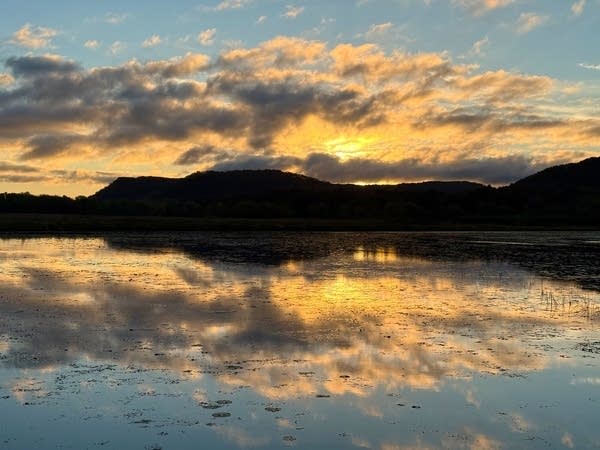
Many of the new water bodies added to this year’s list have too much mercury or PFAS. But it’s unlikely that's new pollution, Vanderbosch said.
Those contaminants likely have been in lakes, rivers, streams and fish tissue for years but are showing up on the impaired waters list now because of more testing, she said.
Trevor Russell, water program director for the nonprofit Friends of the Mississippi River, called this year’s draft list a sign of "modest progress" toward the state's water quality goals.
In a state with almost 12,000 lakes and more than 100,000 miles of streams, removing 50 water bodies might not sound like much, Russell said. But each two-year cycle, the state is beginning to remove more waters from the list, he said.
“To us, that is a demonstration that the state's strategy for identifying problems and investing in solutions is beginning to work, albeit at a very small scale,” he said.
Despite the progress, the list of impaired waters keeps growing as the state monitors more lakes, rivers and streams. About 56 percent of Minnesota water bodies are impaired for at least one reason, Russell said.
“The increase in the total number of impairments does not necessarily mean waters are getting more polluted, just that we are looking much more closely,” he said.
Efforts pay off
Once a water body is added to the list, the MPCA is required to develop a cleanup plan. It identifies where the pollutants are coming from and how much they need to be reduced.
It can take a lot of work to bring a lake, river or stream back to health, Vanderbosch said. It might require dozens of improvement projects, such as installing fences to keep cattle out of a stream, replacing a failing septic system or repairing an eroding streambank to prevent sediment from washing into the water.
The draft list includes some success stories, like Mound Creek in southwestern Minnesota. It was listed as impaired for low biodiversity, in part due to a dam at Blue Mound State Park, which blocked the passage of fish and other aquatic creatures.
The dam failed during heavy rain in 2014, and the Minnesota Department of Natural Resources decided not to rebuild it.
Efforts to restore the creek’s natural flow and ecosystems paid off, and as a result, species like the endangered Topeka shiner minnow are now flourishing.
“It created that connectivity that was needed, and so the fish and the invertebrates were able to just more fluidly travel up and down the creek,” Vanderbosch said.

Minnesota has a unique source of funding to help pay for the monitoring and cleanup of its lakes, rivers and streams. The Clean Water Fund receives money from the Legacy Amendment, a sales tax increase that Minnesota voters first approved in 2008.
The fund has helped support “a robust monitoring of our water bodies to really understand how we target and do these restoration activities,” said Paul Pestano, water assessment manager at the MPCA.
Challenges persist
Despite signs of progress, Minnesota’s waters face continued threats. For example, chloride — mainly from road salt — has polluted several lakes and streams in the Twin Cities metro area. It’s considered a permanent pollutant that can harm fish and aquatic life.
Also, climate change is causing heavier and more frequent rainfalls, which can cause flooding and erosion. And warmer waters can affect fish and other aquatic life.
Russell noted that Minnesota lags behind in developing a standard for nitrate to protect fish and other aquatic life. More than 70 percent of nitrate in Minnesota waters comes from agricultural runoff from cropland, especially commercial fertilizer.

The draft list shows the state is getting better at cleaning up its waters, but “this is the first mile of a marathon,” Russell said. It took more than a century to reshape the Minnesota landscape by tilling up prairies and wetlands and cutting down forests that helped protect water quality, he said.
“It’s going to take a long time to reverse that damage,” Russell said.
A public comment period on the draft impaired waters list is open through July 22.
The MPCA also is hosting virtual public meetings on the draft list on Tuesday for the southern part of the state and Thursday for the Lake Superior region.
The Minnesota Pollution Control Agency will respond to public comments, then submit the draft list to the U.S. Environmental Protection Agency for its approval.