Taylor Swift & Travis Kelce No Bad Blood With Harry … Scores Wedding Invite
Published
Taylor Swift and Travis Kelce apparently don’t have a “no exes at the wedding” rule … because Harry Styles got the invite … even though he had to shake it off.
According to a new report from Variety … the pair invited the British pop star to their mega event this weekend in New York City … but Harry won’t be there.
The outlet says Harry is too busy on his “Together, Together” tour to swing by the wedding festivities … he’s scheduled to play shows in London at Wembley Stadium this weekend with special guest Shania Twain.
While Harry can’t make it, Variety reports his better half — fiancée Zoë Kravitz — will attend … she’s a longtime pal of Taylor’s.
Remember … Taylor and Harry dated way back in late 2012 and early 2013. Though it only lasted a few months, Harry is reportedly the inspiration behind the track “Out of the Woods,” so clearly he made enough of an impression on the pop star.
As you know … Taylor wedding updates have kicked into high gear — food is being delivered to Madison Square Garden, a castle has already been erected in the venue and suspected guests are arriving en masse, including San Francisco 49ers tight end George Kittle.
An intimate event is scheduled for this evening … while the wedding bash tomorrow reportedly kicks off with cocktail hour at 4 PM ET. Sources tell the outlet the 1,000-person party is set to go until as late as 4 AM.
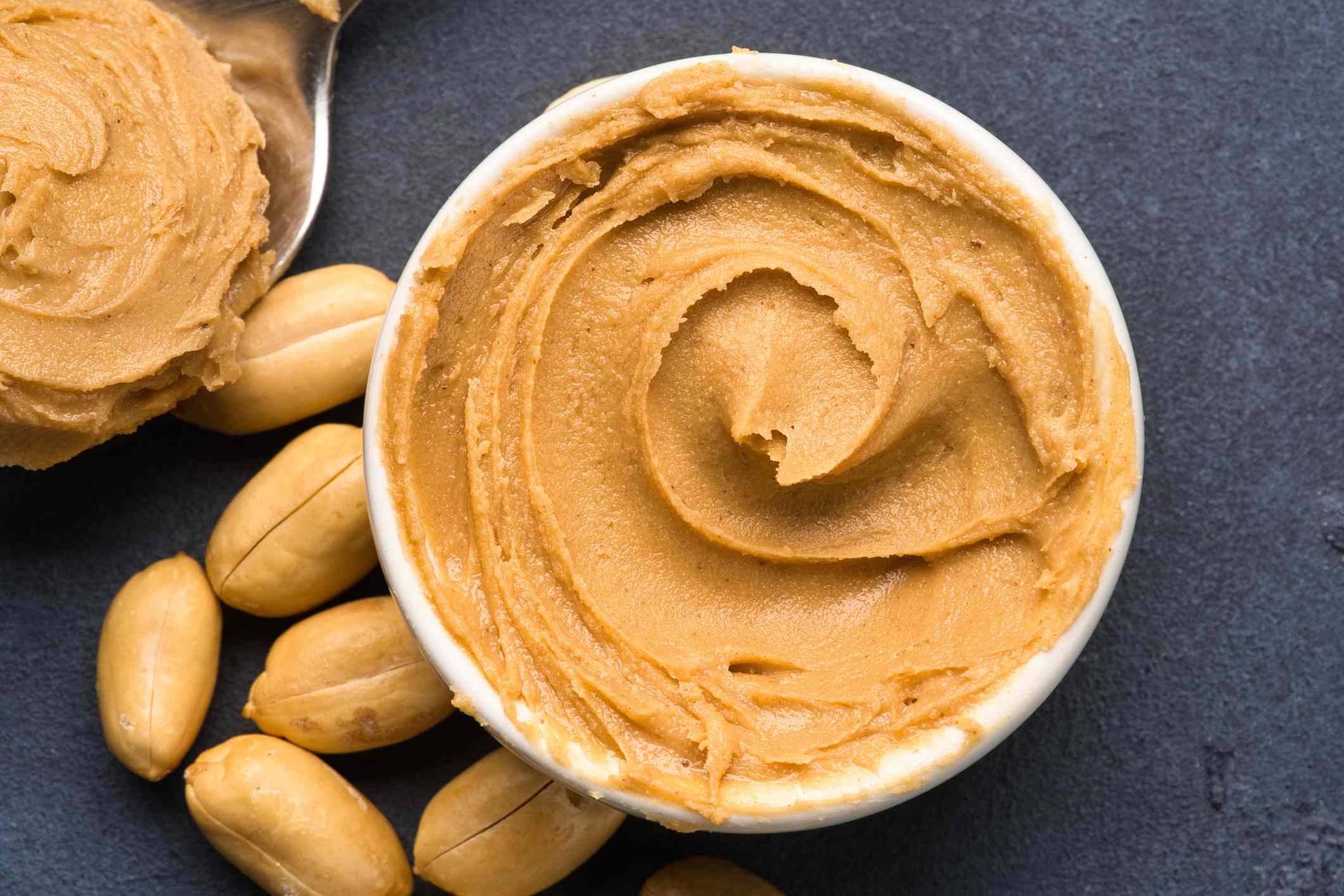
While peanut butter is a good source of protein, several whole nuts are just as good sources. Credit: banusevim / Getty Images
Peanuts, almonds, pistachios, and cashews are among the highest-protein nuts and provide amounts similar to peanut butter.
These nuts also provide fiber, healthy fats, vitamins, minerals, and antioxidants.
Add nuts or nut butters to snacks and meals for a protein boost.
Peanut butter is often considered one of the best plant-based protein foods. Two tablespoons provide about 7.1 grams of protein. However, some nuts contain similar amounts—or even more—protein per serving.
1. Peanuts
Credit: MikeyGen73 / Getty Images
Protein content: 7.31 grams per ounce
Peanuts top the list when it comes to protein. One ounce—about a small handful or 28 peanuts—provides 7.31 grams of protein. While technically a legume, peanuts are commonly grouped with nuts because of their similar nutrition profile and culinary uses.
In addition to protein, peanuts provide heart-healthy unsaturated fats, magnesium, niacin, and folate. Research shows eating peanuts may help improve triglycerides and other blood lipid levels without promoting weight gain in healthy adults.
2. Almonds
Credit: Kittiporn Kumpang / Getty Images
Protein content: 6.01 grams per ounce
Almonds are among the most nutrient-dense protein sources. They also contain more fiber than peanuts, which may help support fullness between meals.
In addition to protein and fiber, almonds provide vitamin E, magnesium, and calcium. They are portable and work well as a snack, but you can also add them to oatmeal, yogurt, salads, and baked goods.
Almond butter is another popular peanut butter alternative and provides a similar mix of protein and healthy fats.
3. Pistachios
Credit: Evgeniya Moskova / Getty Images
Protein content: 5.73 grams per ounce
Pistachios are among the highest-protein tree nuts. They also provide fiber, potassium, and vitamin B6.
Pistachios are unique because they are considered a complete protein, meaning they contain all nine essential amino acids. This makes them one of the few plant foods that provide complete protein.
4. Cashews
Credit: Andrii Pohranychnyi / Getty Images
Protein content: 5.16 grams per ounce
Along with protein, cashews provide copper, magnesium, zinc, and iron. Copper helps support energy production, immune function, and connective tissue health.
Cashews have a creamy texture and mild flavor that works well in both sweet and savory dishes. Cashew butter can also be used as a peanut butter alternative, either as a spread or blended into sauces, soups, and smoothies.
5. Walnuts
Credit: Nungning20 / Getty Images
Protein content: 4.31 grams per ounce
Walnuts are the only nut that provides a significant amount of alpha-linolenic acid (ALA), a plant-based omega-3 fat that may support heart and brain health.
While they contain less protein than almonds and pistachios, walnuts still provide a meaningful amount, along with fiber and antioxidants.
6. Hazelnuts
Credit: bibi57 / Getty Images
Protein content: 4.25 grams per ounce
Hazelnuts provide protein, fiber, vitamin E, and manganese. Their rich, slightly sweet flavor makes them a popular addition to trail mix, yogurt, oatmeal, and baked goods.
Hazelnut butter is another option and can be used as a spread or mixed into smoothies.
7. Brazil Nuts
Credit: PeterHermesFurian / Getty Images
Protein content: 4.01 grams per ounce
Brazil nuts are best known for their selenium content. Just one or two Brazil nuts can provide more than a day's worth of selenium, a mineral that supports thyroid and immune health.
They also provide healthy fats, magnesium, and about 4 grams of protein per ounce.
8. Pine Nuts
Credit: MirageC / Getty Images
Protein content: 3.88 grams per ounce
Pine nuts are the edible seeds of pine trees and are commonly used in pesto, salads, grain dishes, and roasted vegetables.
In addition to protein, pine nuts provide healthy unsaturated fats, magnesium, iron, and vitamin E. They are also rich in antioxidants, which help protect cells from damage.
Their mild, buttery flavor makes them easy to incorporate into both savory and sweet recipes. Try sprinkling pine nuts over pasta, blending them into pesto, or adding them to homemade trail mix for a protein boost.
9. Macadamia Nuts
Credit: Andrii Pohranychnyi / Getty Images
Protein content: 2.24 grams per ounce
Macadamia nuts contain less protein than the other nuts on this list, but they’re unique because most of their calories come from fat, mainly heart-healthy monounsaturated fats. One of the main fats in macadamia nuts is oleic acid, the same type found in olive oil.
Their rich, buttery flavor works well in baked goods, snack mixes, and savory dishes. Macadamia nut butter is also available and can be used like other nut butters.
Tips To Increase Protein Intake With Nuts
Nuts can be an easy way to boost your protein intake throughout the day.
Here are a few simple ideas:
Add nuts or nut butter to oatmeal, yogurt, or smoothies
Pair nuts with fruit for a balanced snack
Sprinkle chopped nuts over salads, grain bowls, or roasted vegetables
Use nut butters as a spread on toast or as a dip for fruit
Mix nuts into a homemade trail mix with seeds and dried fruit
To provide the best experiences, we use technologies like cookies to store and/or access device information. Consenting to these technologies will allow us to process data such as browsing behavior or unique IDs on this site. Not consenting or withdrawing consent, may adversely affect certain features and functions.
Functional
Always active
The technical storage or access is strictly necessary for the legitimate purpose of enabling the use of a specific service explicitly requested by the subscriber or user, or for the sole purpose of carrying out the transmission of a communication over an electronic communications network.
Preferences
The technical storage or access is necessary for the legitimate purpose of storing preferences that are not requested by the subscriber or user.
Statistics
The technical storage or access that is used exclusively for statistical purposes.The technical storage or access that is used exclusively for anonymous statistical purposes. Without a subpoena, voluntary compliance on the part of your Internet Service Provider, or additional records from a third party, information stored or retrieved for this purpose alone cannot usually be used to identify you.
Marketing
The technical storage or access is required to create user profiles to send advertising, or to track the user on a website or across several websites for similar marketing purposes.










:max_bytes(150000):strip_icc():format(jpeg)/Health-GettyImages-2205062854-9484b16053c94d48bdb4180b9b2f70f9.jpg "A bowl of smooth peanut butter next to scattered peanuts on a dark surface")