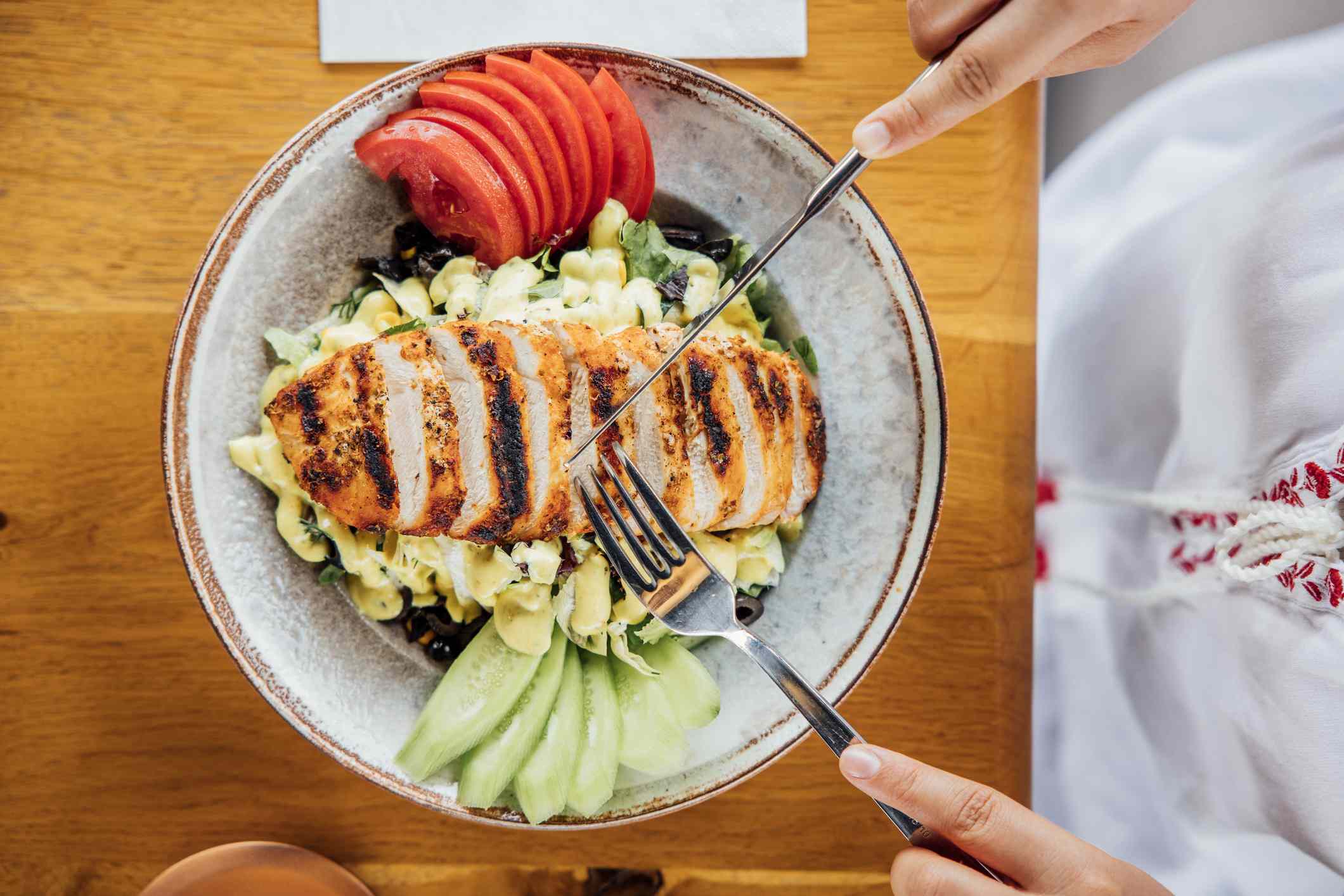
9 Simple Ways to Get More Protein Without Relying on Supplements


Credit: Burak Sür / Getty Images
  • High-protein whole foods like Greek yogurt, cottage cheese, beans, lentils, canned fish, and kefir can help you increase your daily protein intake without supplements.
  • Add protein to meals and snacks with foods like seeds, bone broth, and high-protein pasta.
  • Simple food swaps and easy recipes can help you meet your protein goals.

If you’re trying to increase your protein intake, you’ve probably heard that taking a protein supplement, like whey protein, could support your goals. While supplements are a great way to pack more protein into your day, some people prefer to get their protein from whole food sources, while others don’t like the taste or texture of protein powder. Fortunately, there are plenty of ways to eat more protein without supplements.

1. Start Your Day With Cottage Cheese or Greek Yogurt

Cottage cheese and Greek yogurt are breakfast staples that are high in protein, packing 23.5 and 25 grams per cup, respectively.

Choosing a high-protein breakfast can help keep you satiated until your next meal, promote steadier blood sugar levels, and support muscle recovery after early morning workouts.

If you’d like to add extra protein to your breakfast, try stirring in some peanut butter or sprinkling your yogurt or cottage cheese with pumpkin seeds or hemp seeds. 

2. Stock up on Protein-Rich Snacks

Many go-to snack foods, like chips and cookies, are low in protein and won’t do much to help you meet your daily protein goals. 

Stocking up on protein-rich snacks, such as Greek yogurt cups, chicken sticks, roasted chickpeas, turkey jerky, and edamame, can make it easier to pack more protein into your day.

Shelf-stable options, like jerky and roasted chickpeas, are smart options to keep in your bag or desk drawer so you always have a protein-rich snack available when hunger strikes.

3. Use More Beans and Lentils

Beans and lentils are among the best sources of plant-based protein you can eat. For example, lentils and edamame pack around 18 grams of protein per cup.

They’re also rich in fiber, which, like protein, slows digestion and promotes the release of satiety hormones that help you feel full after eating.

This may be why people who eat legumes frequently gain less weight over time compared to those who rarely eat them.

4. Try Seeds as a High-Protein Topping

Some seeds, including pumpkin seeds and hemp seeds, are high in fiber. Pumpkin seeds provide 8.5 grams of protein per ounce while hemp seeds pack 9.5 grams.

These seeds make excellent toppings for lower-protein meals and snacks, like salads, oatmeal, and Greek yogurt. Plus, they add a satisfying crunchy texture that can make food more appetizing. 

Seeds, like pumpkin seeds and hemp seeds, can also be enjoyed on their own or added to granola, trail mix, and savory snack mixes for an extra boost of protein.

5. Incorporate Canned Fish

Canned seafood products, like tuna, are rich in protein. A 172-gram can of tuna packs 40 grams of protein, making it the perfect option for those who want a simple protein source that can be taken on the go.

Unlike many protein sources, like fresh fish, chicken, dairy products, eggs, and beef, canned seafood is shelf-stable. Because of this, you can stock up on sardines, tuna, and canned salmon so you always have an easy source of protein for meals and snacks. 

If you’re making tuna salad, use Greek yogurt instead of mayo to make your meal more protein-dense.

6. Use Kefir as Smoothie Base

Kefir is a fermented dairy product that’s rich in protein, providing 9.2 grams per cup.

Kefir has a rich and creamy consistency and makes a delicious base for smoothies and protein shakes. 

It can also be enjoyed on its own as a high-protein drink to meet your daily protein goals. 

7. Sip on Bone Broth

Bone broth can be enjoyed as a high-protein beverage and can also help boost the protein content of soups, grain dishes, and more.

Bone broth packs about 10 grams of protein per cup and can be enjoyed as a high-protein, savory alternative to coffee, tea, and sugary drinks.

You can also use bone broth instead of water in soups and when making grain dishes, like rice and quinoa, to boost their protein content. 

8. Switch to High-Protein Pasta

Regular white pasta contains around 6 grams of protein per cooked cup. A cup of chickpea-based pasta contains more than twice that amount. 

Swapping out regular pasta with higher-protein alternatives, like bean-based pasta, is an easy way to pack more protein into meals. 

Add additional protein sources to your protein pasta, like parmesan cheese, grilled chicken, and beans for even more staying power. 

9. Make Cottage Cheese Ice Cream

If you want a protein-packed dessert, try cottage cheese ice cream. Packing 23.5 grams of protein per cup, cottage cheese is the perfect base for making high-protein, lower-calorie ice cream at home.

Simply blend 2 cups of cottage cheese with 2 tablespoons of sweetener, like maple syrup or honey, and mix-ins of your choice, like fresh fruit or peanut butter, in a high-speed blender or food processor. When the mixture is smooth, pour it into a glass storage container and freeze until it’s reached a creamy consistency.




Source link

Leave a Reply

Subscribe to Our Newsletter

Get our latest articles delivered straight to your inbox. No spam, we promise.

Recent Reviews


Medically reviewed by Robert Burakoff, MD

Drinking herbal tea and winding down with a relaxing activity can help soothe your gut at night.Credit: Drazen Zigic / Getty Images
Drinking herbal tea and winding down with a relaxing activity can help soothe your gut at night.
Credit: Drazen Zigic / Getty Images
  • Small habits in the evening can influence your gut health.
  • Eating a Mediterranean-style dinner, drinking a cup of herbal tea, and taking an after-dinner walk are simple ways to support your gut health in the evening.
  • Stress management, a regular bedtime routine, and getting seven to nine hours of sleep each night help anchor your circadian rhythm, which may keep your gut bacteria balanced.

Gut health is something you can work at improving at all hours of the day. Here are seven simple habits you can do in the evening hours to support gut health.

1. Have a Mediterranean Dinner

Following the basics of the Mediterranean diet at dinner could support your gut health in the evening and beyond. This includes:

  • Fresh fruits and vegetables
  • Legumes
  • Whole grains
  • Poultry
  • Fish
  • Healthy fats, like olive oil

The foods you eat determine the makeup of your gut microbiome, or the system of microorganisms that live in your gastrointestinal tract. Whole foods and minimally processed foods contain nutrients, such as fiber, vitamins, and minerals, that support a balanced gut.

The Mediterranean diet is known for its health benefits, including reduced inflammation and improved overall health. Research also shows that the diet has a positive impact on the gut. People who followed a Mediterranean diet were found to have more microorganisms in their gut compared to people who ate a diet higher in sugar, fat, and salt.

2. Finish Eating 2-3 Hours Before Bed

Eating too close to bedtime could disrupt your sleep and impact gut health. A meal that isn't fully digested can cause unpleasant digestive symptoms, especially if you're prone to indigestion. While there are no rules about when to stop eating before bed, finishing your last full meal two to three hours before bedtime can give your body enough time to digest.

New, early research suggests that eating late at night may negatively affect the gut. The researchers found connections between stress, late-night eating, and bowel issues. Those who had both high stress and late-night eating patterns were 2.5 times more likely to also report bowel problems and have lower gut microbiome diversity.

If you need a snack after dinner, opt for foods that have protein, fiber, or healthy fats, including:

  • Fruits, like berries or kiwi
  • Low-fat yogurt
  • Nuts
  • While grains
  • Fermented foods like kimchi, kefir, or kombucha

3. Take a Walk After Dinner

An evening stroll can have benefits beyond getting in your daily steps. It could also help your body move food through the digestive system.

You don't have to walk for that long, either. In one four-week study, researchers found that a 10-15-minute walk after a meal was more effective than a prokinetic medication for easing bloating and discomfort in adults who regularly experience bloating.

If you can't walk around the neighborhood, even standing up and moving your body around the room could help.

4. Have a Cup of Herbal Tea

Sipping a caffeine-free herbal tea in the evening can be a relaxing ritual. Certain teas, including ginger and peppermint tea, can also help with digestion and ease unpleasant symptoms such as gas and bloating.

Ginger is known for easing stomach discomfort. Drinking ginger tea can help with gas and bloating because ginger reduces constipation and the breakdown of undigested nutrients in the gut. You can buy dried ginger tea in a bag or make it from fresh ginger. It's generally considered safe to drink in moderate amounts daily.

Peppermint can help with cramping and bloating. The tea is made from peppermint leaves and is generally considered safe. One thing to note is that peppermint can also trigger indigestion, so if you're prone to heartburn, it might not be a good choice.

5. Pick a Wind-Down Practice

The brain and gut are connected. Stress affects gut health, and higher stress levels are linked to stomach issues such as nausea, constipation, and diarrhea. When your stress hormones are high, it can lead to increased gut inflammation and potentially an imbalance in gut bacteria.

Choosing a relaxing activity to practice in the evenings could help lower your stress, which can also benefit your gut. Try a mind-body or mental health practice, such as:

  • Meditation
  • Breathing exercises
  • Yoga
  • Journaling
  • Gratitude affirmations

Some evidence suggests that slow, deep breathing has positive impacts on the gut, such as improving symptoms in people with irritable bowel syndrome (IBS).

6. Keep Bedtime Consistent

Having a regular bedtime routine can help you get more consistent sleep, which may also positively affect your gut. Research suggests that changes to your sleep cycle can affect your gut microbiome. Keeping a regular sleep and wake time anchors the circadian rhythm. Even a few days of irregular sleep could impact your gut.

While researchers are still learning about the complex connection between the gut and sleep, it appears as though sleep disturbances can change the gut's makeup and function. Setting a regular bedtime and wake time and sticking to it as closely as possible could benefit your gut health.

7. Get Enough Sleep

Something as simple as regularly getting enough sleep could have a big impact on your gut health. Experts recommend that adults get between seven and nine hours of sleep each night. Sleeping less than seven hours could put you at risk for health issues.

Shorter sleep time can affect the gut microbiome, potentially causing an imbalance that could lead to inflammation and metabolic problems.

The relationship between sleep and your gut seems to work both ways. Just as poor sleep can negatively affect gut health, an unbalanced gut may contribute to sleep troubles. If you're not consistently getting the recommended amount of sleep and aren't able to improve your sleep with at-home habits, it might be worth asking a healthcare provider for help.


Source link