Fact checked by Nick Blackmer
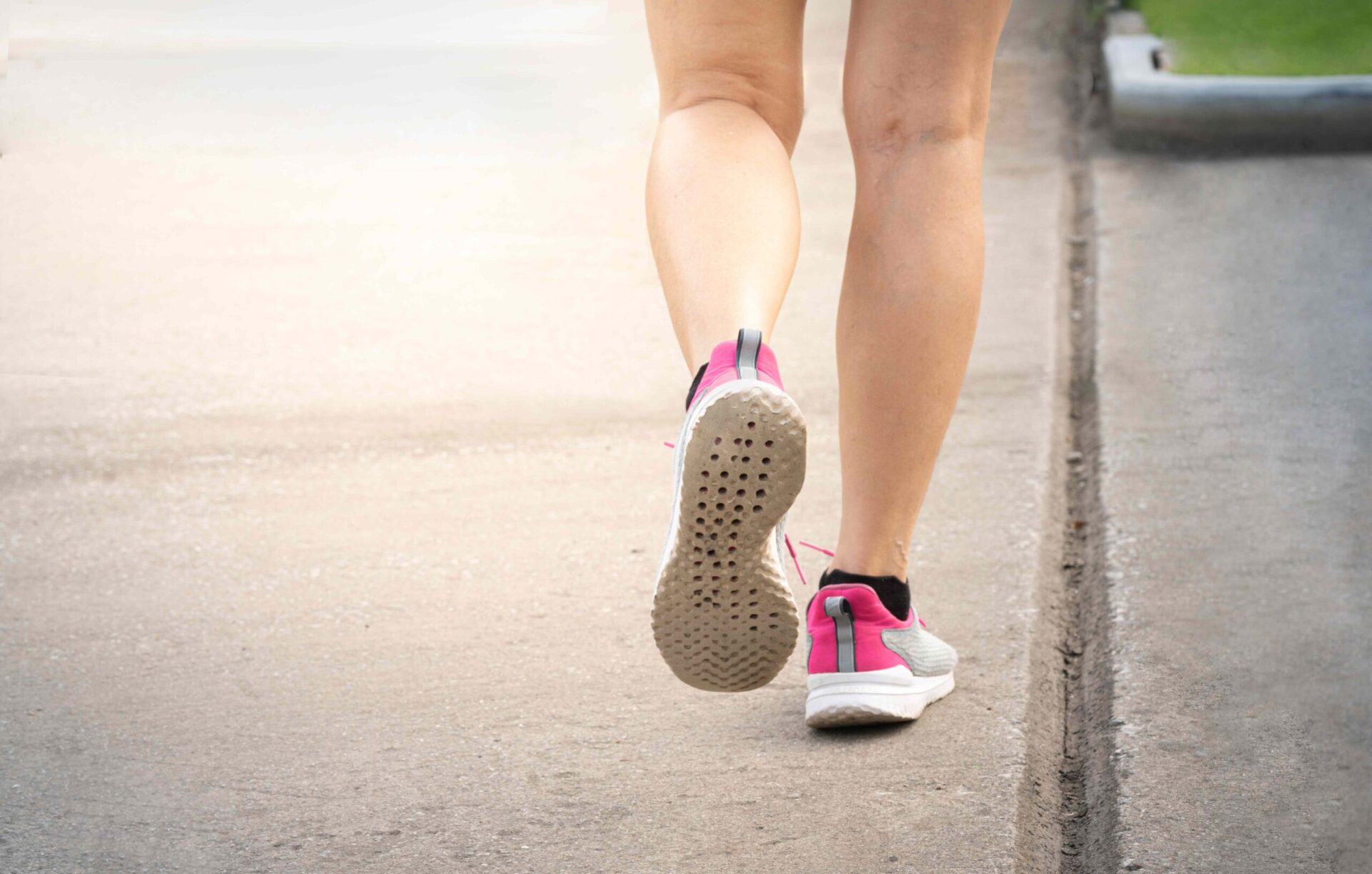
:max_bytes(150000):strip_icc():format(jpeg)/GettyImages-1434745736-624691311d24497b87c8aa7dd7ad3bd3.jpg "Back side view of woman's legs who jogging or walking on the road")
Credit: sukanya mungngam / Getty Images
- Veins play an important role in healthy circulation and overall health.
- Walking activates the calf muscles, which help push blood back toward the heart.
- Even if you walk regularly, symptoms like skin infections or discoloration can signal more serious vein problems.
You might not think about your veins very often, but they’re an important part of healthy circulation and overall health. When veins don’t function properly, they can contribute to problems ranging from swelling to dangerous blood clots. Fortunately, something as simple as walking can help keep them in tip-top shape. Here’s why.
How Veins Work
To understand why walking can boost vein health, it helps to know how veins work to begin with.
Along with arteries, veins are part of your circulatory system. Arteries carry oxygen-rich blood away from your heart to your body’s organs and tissues, while veins bring the oxygen-depleted blood back to your heart so it can receive fresh oxygen and the cycle can continue.
The heart’s pump helps move blood out to the body, but returning it to the heart is a bigger challenge. Veins don’t have as much force behind them to begin with, and they’re also working against gravity. “It’s a bit like climbing uphill,” said Jason Wheeler, MD, a physician at the Cleveland Clinic’s Vascular Medicine Section.
Still, the body has mechanisms that make the process easier. One is the presence of valves, which prevent blood from flowing backward. The other is the muscles in the legs—“in effect, two little hearts in each calf muscle,” Wheeler said—which squeeze the veins and help push blood upward.
If those systems aren’t working well, blood can pool in the lower legs, increasing the risk of symptoms like leg heaviness or swelling, varicose veins, muscle cramps, or even blood clots.
Why Walking Is Especially Good for Vein Health
Walking is one of the best exercises you can do for vein health because it specifically targets the calf muscles, activating those “two little hearts” to assist with blood flow, Wheeler said. According to him, walking can increase blood movement out of your legs by about 50% compared with simply sitting or standing in one place.
That can translate into related benefits such as less discomfort if you’re experiencing pain or swelling from poor circulation, and even better health in general. “As we walk, we can raise heart rate, improve aerobic fitness, lose weight,” Wheeler said. “All of this comes together to help with cardiovascular health, and diabetic, liver, and overall health.”
What sets walking apart from other calf-strengthening exercises, such as running, is that it’s low-impact and less likely to cause injury, making it more accessible and easier to stick with, Wheeler said. But for vein health, Wheeler recommends picking up the pace: “We want good, vigorous walking,” he said, noting that as little as 10 minutes a day can make a difference.
Who May Benefit Most From Walking for Vein Health
Anyone can benefit from fitting more walking into their day, but Walker said the activity may be especially important for certain groups. These include people who:
- Are older
- Have obesity
- Spend lots of time sitting or standing
- Have a heart condition
- Have a history of varicose veins
Walking can also be especially beneficial for pregnant people, who are among the younger adults at higher risk of venous disease, a disorder in which the veins are damaged or weakened. “Having essentially what is an eight to 10 pound bowling ball in your abdomen puts a lot of pressure on your veins, and that slows blood flow and stretches veins,” Wheeler said.
When Walking Isn’t Enough
Walking can help support vein health, but even regular walkers can still be at risk of complications from poor circulation, such as varicose veins and blood clots.
One of the most serious concerns is deep vein thrombosis, which occurs when a blood clot forms deep in the veins. The clot can break off, travel in the bloodstream, and get stuck in the lungs, causing a life-threatening blockage.
Symptoms of deep vein thrombosis include severe leg pain, redness, swelling, recurrent skin infections, slow-healing wounds, tan freckling of the skin, or loss of hair on the lower leg.
“Patients often think ‘Oh, it’s just rubbing from my socks or shoes,’” Wheeler said. “But if you see this darkening freckling of your skin or dryness that’s developing, especially from mid-shin down, that could be a sign of worsening venous disease that probably needs professional health before it gets worse.”