It means the company must keep allowing rival services to interoperate with all its app stores.
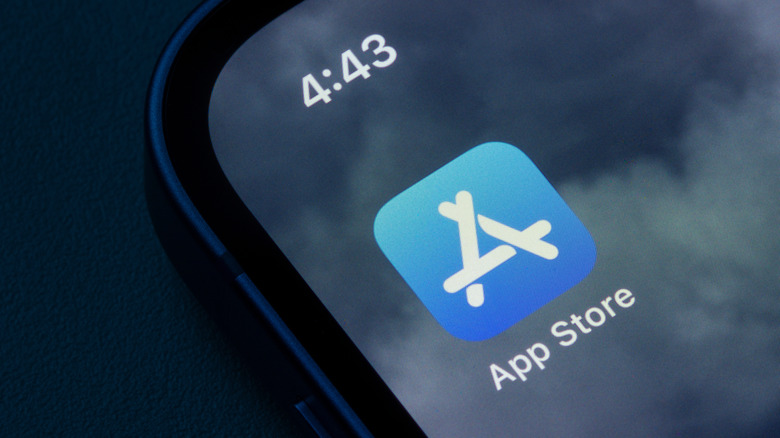
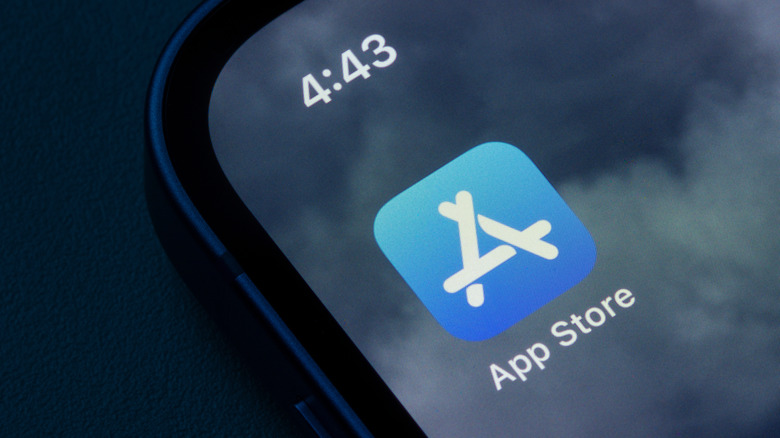
Tada Images/Shutterstock
Apple has lost its court challenge against EU rules that designated it as a “gatekeeper,” according to a press release from the European court of justice. The decision means that Apple must continue to allow rivals to interoperate with its five app stores, as required by the bloc’s Digital Markets Act (DMA). The court also ruled that Apple’s challenges over an investigation of its iMessage service were “inadmissible.”
Apple was fighting against the DMA on three fronts. The first was its requirement that rival hardware (like earbuds and smartwatches) work with the iPhone, which Apple claimed was a security risk. The company also objected to its designation as a “gatekeeper” under the DMA with its iOS, macOS, watchOS, iPadOS and tvOS app stores. Finally, Apple challenged the EU Commission’s probe into whether iMessage should have been deemed a covered service, despite an earlier decision that mostly let that service off the hook.
As mentioned, the EU court slapped away the latter challenge, so the status quo stands there: Apple won’t need to make it work with other messaging services as before. However, the court upheld the EU’s decision ruling that all five stores should be treated as a single core platform service under the DMA. It also maintained that Apple must continue to allow rivals open access to its stores and not favor its own services to those of competitors.
Apple disagreed with the decision but didn’t say yet if it would appeal. “We firmly believe the DMA’s mandate goes beyond what is lawful and proportionate, threatening to erode decades of privacy and security protections we’ve built and leaving our users vulnerable to new risks,” an Apple spokesperson said in a statement to multipleoutlets. “We will continue advocating for the innovation and privacy our European customers deserve.”
Apple has railed against the DMA over the past years, recently blaming its rules for delaying indefinitely the launch of its Siri AI assistant in the EU. Apple CEO Tim Cook and European technology chief Henna Virkkunen recently held a call that an EU Commission spokesperson described as “constructive,” however.
Apple still has two cases pending with EU courts. The first is a challenge to the EU Commission’s decision last year forcing Apple to open iOS to third-party developers, and the second is an appeal against the €500 million fine imposed in April last year for anti-steering violations.
Drinking herbal tea and winding down with a relaxing activity can help soothe your gut at night. Credit: Drazen Zigic / Getty Images
Small habits in the evening can influence your gut health.
Eating a Mediterranean-style dinner, drinking a cup of herbal tea, and taking an after-dinner walk are simple ways to support your gut health in the evening.
Stress management, a regular bedtime routine, and getting seven to nine hours of sleep each night help anchor your circadian rhythm, which may keep your gut bacteria balanced.
Gut health is something you can work at improving at all hours of the day. Here are seven simple habits you can do in the evening hours to support gut health.
1. Have a Mediterranean Dinner
Following the basics of the Mediterranean diet at dinner could support your gut health in the evening and beyond. This includes:
Fresh fruits and vegetables
Legumes
Whole grains
Poultry
Fish
Healthy fats, like olive oil
The foods you eat determine the makeup of your gut microbiome, or the system of microorganisms that live in your gastrointestinal tract. Whole foods and minimally processed foods contain nutrients, such as fiber, vitamins, and minerals, that support a balanced gut.
The Mediterranean diet is known for its health benefits, including reduced inflammation and improved overall health. Research also shows that the diet has a positive impact on the gut. People who followed a Mediterranean diet were found to have more microorganisms in their gut compared to people who ate a diet higher in sugar, fat, and salt.
2. Finish Eating 2-3 Hours Before Bed
Eating too close to bedtime could disrupt your sleep and impact gut health. A meal that isn't fully digested can cause unpleasant digestive symptoms, especially if you're prone to indigestion. While there are no rules about when to stop eating before bed, finishing your last full meal two to three hours before bedtime can give your body enough time to digest.
New, early research suggests that eating late at night may negatively affect the gut. The researchers found connections between stress, late-night eating, and bowel issues. Those who had both high stress and late-night eating patterns were 2.5 times more likely to also report bowel problems and have lower gut microbiome diversity.
If you need a snack after dinner, opt for foods that have protein, fiber, or healthy fats, including:
Fruits, like berries or kiwi
Low-fat yogurt
Nuts
While grains
Fermented foods like kimchi, kefir, or kombucha
3. Take a Walk After Dinner
An evening stroll can have benefits beyond getting in your daily steps. It could also help your body move food through the digestive system.
You don't have to walk for that long, either. In one four-week study, researchers found that a 10-15-minute walk after a meal was more effective than a prokinetic medication for easing bloating and discomfort in adults who regularly experience bloating.
If you can't walk around the neighborhood, even standing up and moving your body around the room could help.
4. Have a Cup of Herbal Tea
Sipping a caffeine-free herbal tea in the evening can be a relaxing ritual. Certain teas, including ginger and peppermint tea, can also help with digestion and ease unpleasant symptoms such as gas and bloating.
Ginger is known for easing stomach discomfort. Drinking ginger tea can help with gas and bloating because ginger reduces constipation and the breakdown of undigested nutrients in the gut. You can buy dried ginger tea in a bag or make it from fresh ginger. It's generally considered safe to drink in moderate amounts daily.
Peppermint can help with cramping and bloating. The tea is made from peppermint leaves and is generally considered safe. One thing to note is that peppermint can also trigger indigestion, so if you're prone to heartburn, it might not be a good choice.
5. Pick a Wind-Down Practice
The brain and gut are connected. Stress affects gut health, and higher stress levels are linked to stomach issues such as nausea, constipation, and diarrhea. When your stress hormones are high, it can lead to increased gut inflammation and potentially an imbalance in gut bacteria.
Choosing a relaxing activity to practice in the evenings could help lower your stress, which can also benefit your gut. Try a mind-body or mental health practice, such as:
Meditation
Breathing exercises
Yoga
Journaling
Gratitude affirmations
Some evidence suggests that slow, deep breathing has positive impacts on the gut, such as improving symptoms in people with irritable bowel syndrome (IBS).
6. Keep Bedtime Consistent
Having a regular bedtime routine can help you get more consistent sleep, which may also positively affect your gut. Research suggests that changes to your sleep cycle can affect your gut microbiome. Keeping a regular sleep and wake time anchors the circadian rhythm. Even a few days of irregular sleep could impact your gut.
While researchers are still learning about the complex connection between the gut and sleep, it appears as though sleep disturbances can change the gut's makeup and function. Setting a regular bedtime and wake time and sticking to it as closely as possible could benefit your gut health.
7. Get Enough Sleep
Something as simple as regularly getting enough sleep could have a big impact on your gut health. Experts recommend that adults get between seven and nine hours of sleep each night. Sleeping less than seven hours could put you at risk for health issues.
Shorter sleep time can affect the gut microbiome, potentially causing an imbalance that could lead to inflammation and metabolic problems.
The relationship between sleep and your gut seems to work both ways. Just as poor sleep can negatively affect gut health, an unbalanced gut may contribute to sleep troubles. If you're not consistently getting the recommended amount of sleep and aren't able to improve your sleep with at-home habits, it might be worth asking a healthcare provider for help.
To provide the best experiences, we use technologies like cookies to store and/or access device information. Consenting to these technologies will allow us to process data such as browsing behavior or unique IDs on this site. Not consenting or withdrawing consent, may adversely affect certain features and functions.
Functional
Always active
The technical storage or access is strictly necessary for the legitimate purpose of enabling the use of a specific service explicitly requested by the subscriber or user, or for the sole purpose of carrying out the transmission of a communication over an electronic communications network.
Preferences
The technical storage or access is necessary for the legitimate purpose of storing preferences that are not requested by the subscriber or user.
Statistics
The technical storage or access that is used exclusively for statistical purposes.The technical storage or access that is used exclusively for anonymous statistical purposes. Without a subpoena, voluntary compliance on the part of your Internet Service Provider, or additional records from a third party, information stored or retrieved for this purpose alone cannot usually be used to identify you.
Marketing
The technical storage or access is required to create user profiles to send advertising, or to track the user on a website or across several websites for similar marketing purposes.









:max_bytes(150000):strip_icc():format(jpeg)/Health-GettyImages-1372030854-f6ccff4d63064d06a34168480c03d79f.jpg "A woman reads a book while holding a mug sitting on the couch with a blanket")